
Best Chairs for Tall Users That Actually Fit
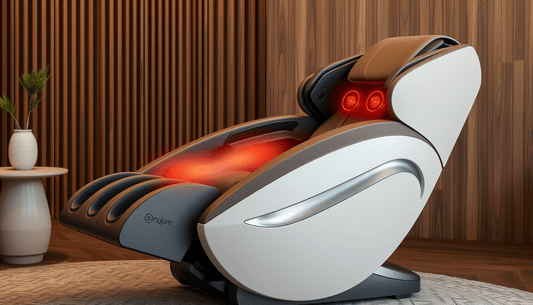
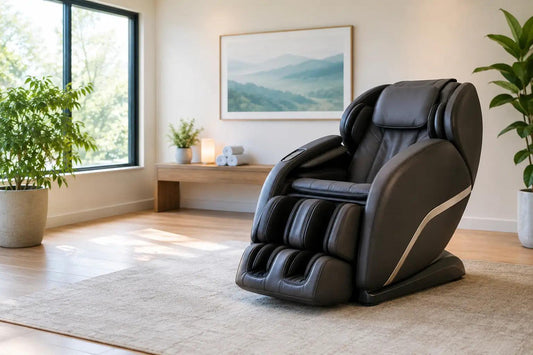
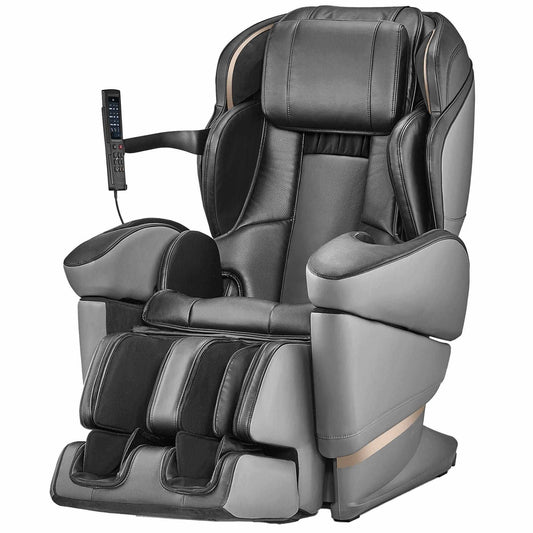
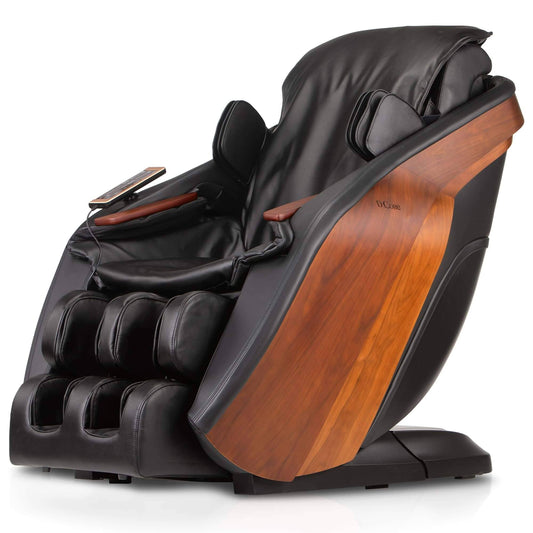
A chair can have exceptional massage technology, premium upholstery, and a beautifully engineered zero gravity recline, yet still feel wrong for a taller body. When the headrest lands too low, the shoulder rollers start below the shoulders, or the footwell forces the knees upward, comfort quickly becomes compromise. The best chairs for tall users are built around usable body dimensions, not just a broad list of luxury features.
For shoppers over roughly 6 feet, and especially those above 6 feet 3 inches, fit should be the first filter. A premium massage chair is an investment in daily recovery, so the right model should support the full length of the body in a relaxed, natural position. That means looking beyond a chair's exterior size and focusing on its stated user height range, track design, shoulder detection, and leg extension.
What the Best Chairs for Tall Users Get Right
A well-fitting massage chair accommodates height in three connected areas: the upper body, the seat and hip position, and the lower leg. If one area is undersized, even an ultra-premium chair can feel restrictive during a 15- or 30-minute session.
Start with the manufacturer's recommended user height range. This specification is more useful than overall chair dimensions because it reflects how the massage mechanism, backrest, and ottoman are intended to align with the person using the chair. Treat the upper end of a stated range as a meaningful limit, not a suggestion. A 6-foot-4 user will usually get a better experience from a chair rated through 6 feet 5 inches than from one that technically accommodates 6 feet 3 inches.
The second consideration is shoulder position. Advanced body scanning systems locate the shoulders before a program begins and adjust the massage path accordingly. That capability matters for every user, but it is particularly valuable for taller adults whose shoulder line sits higher in the backrest. Without accurate detection and adjustment, rollers may work the upper back rather than the neck, trapezius, and shoulder muscles that often hold the most tension.
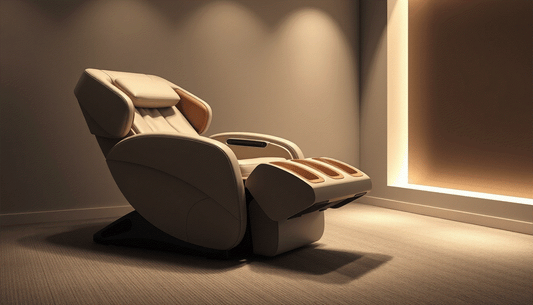
Finally, assess the legrest as carefully as the backrest. Long femurs, calves, and feet need room to settle into the chair without bending the knees or compressing the ankles. An extending ottoman is helpful, but its travel and internal calf-massage chamber also matter. The goal is a supported lower body, not simply a footrest that can be pulled farther forward.
Focus on the Fit Specifications That Matter
A premium chair's spec sheet can be dense. For tall users, a few measurements and design decisions carry more weight than the rest.
User height range
This is the most direct starting point. Look for a range that comfortably includes your height, with a little room to spare if possible. Two people of the same height can still fit differently because torso-to-leg proportions vary, so use the range as a screening tool rather than the only decision point.
SL-track length and shape
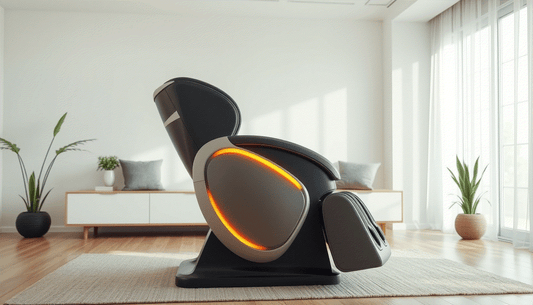
An SL track follows the curve from the neck and upper back through the lumbar region and toward the glutes. For a tall person, a longer track can provide more complete coverage, particularly through the lower back and seat. Length alone is not the whole story, though. The track should follow the body naturally in recline rather than pushing the pelvis forward or leaving the upper back unsupported.
A chair with an advanced SL-track system and precise body scanning often gives taller users a more tailored experience than a shorter, fixed-path mechanism. This is especially relevant for professionals who spend long hours seated and want consistent attention across the neck, back, hips, and glutes.
Extendable legrest and footwell design
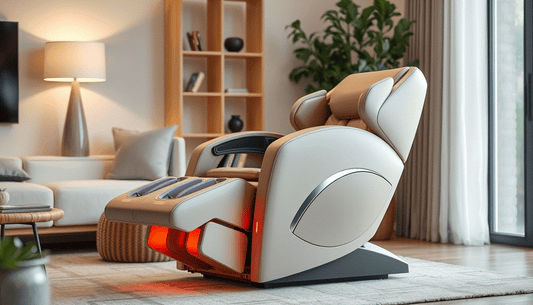
Look for automatic or spring-loaded leg extension that adapts as you settle into the chair. Some systems extend by sensing gentle pressure from the feet, while others provide manual adjustment. Either can work well when the range is sufficient.
Also consider foot size. A tall user may need a longer footwell, but wide feet and high arches can affect comfort just as much. Enclosed foot massage chambers deliver a more immersive calf-and-foot treatment, yet they should not feel narrow or force the toes against the front of the ottoman.
Seat depth and hip support
Seat depth is easy to overlook because it is not always prominently listed. A shallow seat can leave long thighs under-supported, while a seat that is too deep may make it difficult for a shorter person to sit back correctly. Taller users generally benefit from a seat that supports the thighs without placing hard pressure behind the knees.
The best position allows the hips to settle back, the thighs to rest evenly, and the lumbar area to remain in contact with the chair. When testing specifications or comparing chairs online, look for imagery that shows how the seat and ottoman work together in full recline, not only in the upright position.
Why Zero Gravity Can Feel Better for a Taller Frame
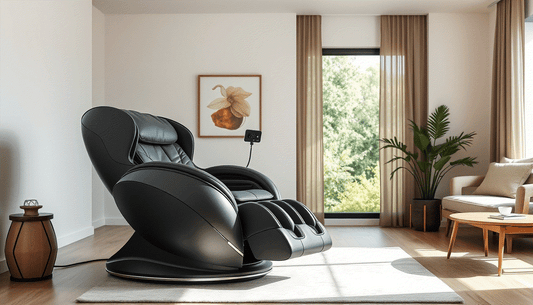
Zero gravity positioning elevates the legs and reclines the body to distribute weight more evenly. For taller users, that reduced pressure can be particularly welcome because a poorly proportioned chair tends to reveal itself most clearly when reclined. If the legrest is too short or the head pillow is too low, the body will not fully relax.
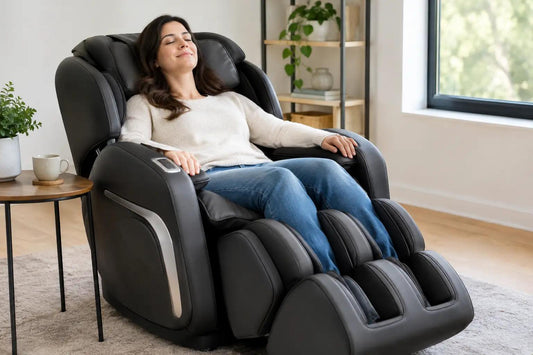
In a properly sized zero gravity chair, the shoulders stay supported, the lower back is not strained, and the legs rest without the knees being sharply bent. This position also gives the massage mechanism a more stable surface for deep tissue work. The result is often more consistent pressure along the back and less of the sliding or readjusting that interrupts a session.
Zero gravity is not automatically the right choice for every home. It requires consideration of room depth, even with space-saving wall-hugging designs. It is also worth checking whether the chair's full recline position remains comfortable for your own height, rather than assuming a feature label guarantees fit.
Choose Massage Technology After You Confirm Proportions
Once the chair fits, technology determines the character of the massage. A 4D or 5D AI massage system can adjust speed, depth, rhythm, and intensity for a more responsive experience. For a tall user, this sophistication is most valuable when it is paired with body scanning that accurately maps the shoulders and back.
Deep tissue performance may appeal to athletes, executives with persistent upper-back tension, or anyone managing the physical effects of long workdays. Still, stronger is not always better. Taller users with a lean frame may prefer a chair with adjustable roller width, intensity settings, and padding options so the massage can be refined rather than simply forceful.
Heat, calf kneading, stretch programs, and air compression can add meaningful recovery benefits, particularly when the chair's dimensions allow the body to stay relaxed. If the fit is off, those features become secondary. A precisely aligned roller system will usually deliver more value than a longer list of functions that cannot reach the right areas.
A Practical Pre-Purchase Check
Before selecting a chair, compare your own measurements with the chair's intended fit. Measure your height in the footwear you normally wear around the house, then consider your torso length, inseam, and foot size. If another household member will use the chair regularly, choose a model with a wider accommodation range and adaptable settings.
Use this short evaluation checklist when narrowing premium options:
- Confirm that your height falls comfortably within the recommended user range.
- Verify that shoulder detection or manual shoulder adjustment is available.
- Check for an extending ottoman and a footwell suited to your foot size.
- Review the SL-track coverage and lower-back-to-glute massage path.
- Make sure the room can accommodate the chair in its fully reclined position.
A taller frame should not have to fold itself into a wellness chair designed for an average body. Prioritize the specifications that determine alignment, then choose the massage technology and finish that suit your recovery routine. When the proportions are right, every session feels less like making do and more like the executive-level comfort the chair was built to deliver.
Etiquetas:
Anterior
Fujiiryoki Calm Plus: Alivia el dolor de espalda y mejora la alineación de la columna con masajes shiatsu y de tejido profundo focalizados en casa
Próximo
Fujiiryoki Calm Plus: Restore Energy and Sleep Quality at Home with Targeted Deep Tissue, Shiatsu, and Reflexology