
Massage Chair Placement for a Better Wellness Room
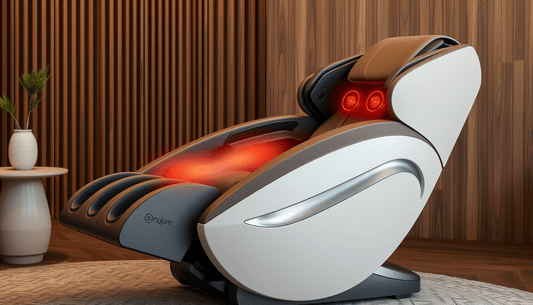
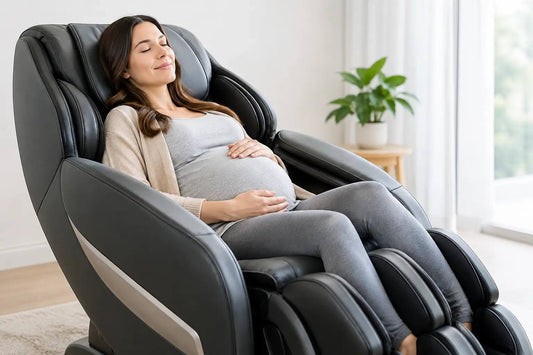
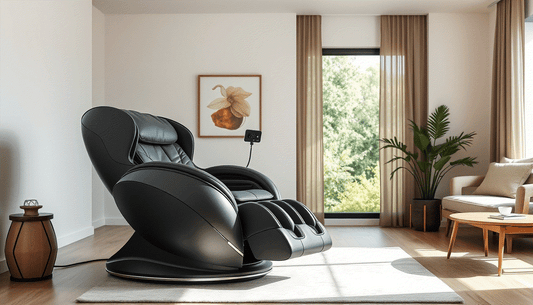
A premium massage chair should feel intentional, not squeezed into the last available corner. Thoughtful massage chair placement protects the chair’s full range of motion, preserves the visual calm of the room, and makes it easier to build a recovery ritual you will actually use. Before choosing a model for its 4D performance, zero gravity recline, or heated therapy, decide where it can operate at its best.
Start With the Chair’s Fully Reclined Footprint
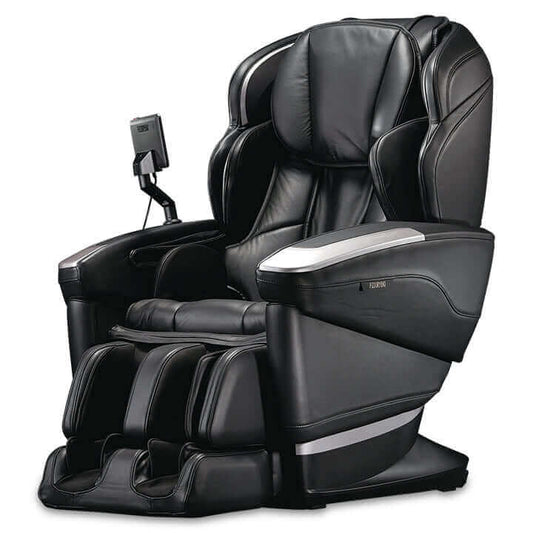
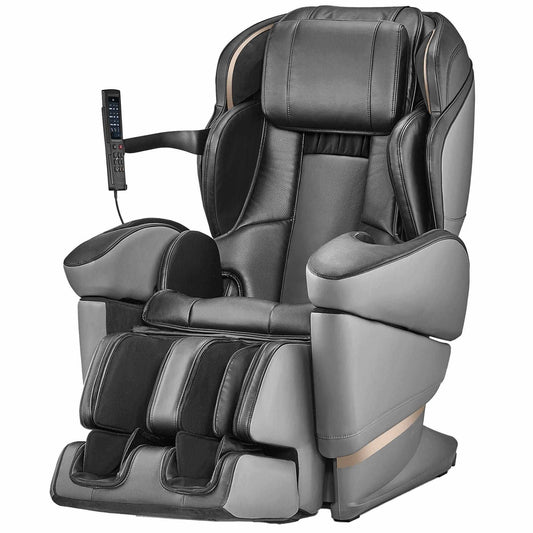
The chair’s upright dimensions are only the beginning. Advanced massage chairs recline, extend their footrests, and may shift forward as they move into zero gravity positioning. A chair that appears to fit neatly against a wall can require considerably more room when a session begins.
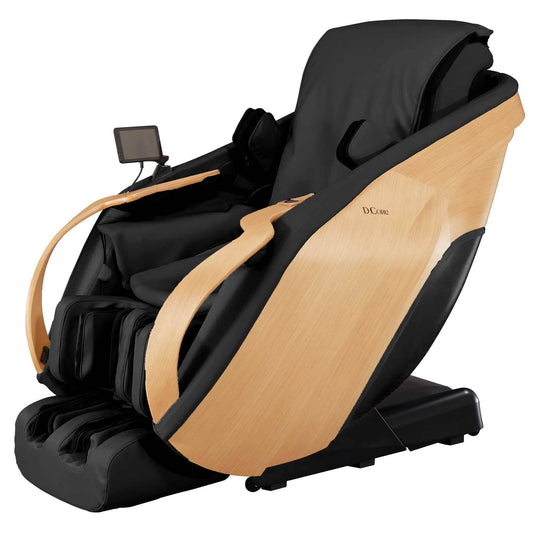
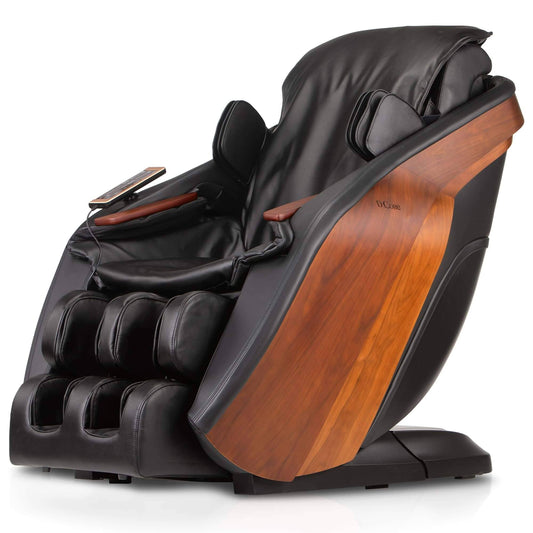
Review the product specifications for both the upright footprint and the recommended operating clearance. Wall-hugging or space-saving recline designs are an excellent option for a refined living room, executive office, or bedroom where every inch matters. They are engineered to move forward as they recline, reducing the gap needed behind the chair. Even then, the manufacturer’s recommended clearance remains the standard to follow.
Measure the proposed location with the chair fully reclined in mind, not just when it is parked. Account for the extended calf and foot section as well as space to step around the chair without brushing against furniture. For many buyers, a painter’s tape outline on the floor is the fastest way to make the footprint real before delivery day.
Leave room for the person, not only the product
A massage chair is a large wellness appliance, but it should not dominate how people move through the home. Avoid placing it in a narrow path between a sofa and doorway, directly in front of a closet, or beside a frequently used stair landing. The best location lets a user sit down and stand up comfortably, while everyone else can pass without interrupting a massage program.
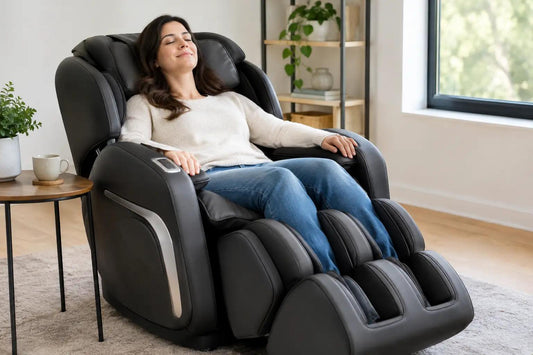
This is especially relevant for older adults and anyone using a chair for regular muscle recovery. Clear access on the entry side improves comfort and reduces the need to twist around an armrest or side table. A small landing area for slippers, a water glass, or a folded throw can make the space feel more considered without becoming cluttered.
Choose the Right Room for Massage Chair Placement
The ideal room depends on how and when the chair will be used. A dedicated wellness room offers privacy and a more immersive experience, but it is not the only smart choice. A luxury chair earns its place when it aligns with the household’s routines.
A living room works well for families who want easy access after work or on weekends. In this setting, place the chair where it complements the furniture arrangement rather than facing the room like a standalone appliance. A corner with adequate recline clearance, a nearby outlet, and a view toward natural light or a composed focal point can feel elevated. If the chair includes Bluetooth audio, consider how its sound will interact with television viewing and conversation.
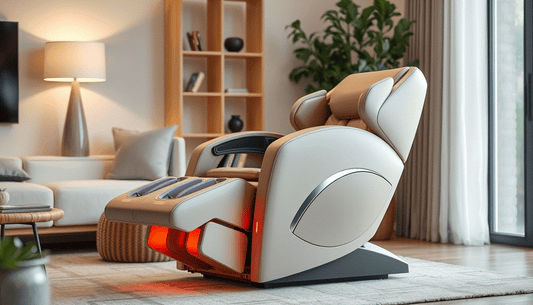
A bedroom can be ideal for evening decompression, particularly for users who value heat therapy and quiet, uninterrupted sessions. Here, keep the chair away from tight bedside circulation and make sure an extended footrest will not interfere with drawers, doors, or the bed. A chair placed near a window may look appealing, but direct afternoon sun can create glare on touchscreens and expose upholstery to unnecessary heat over time.
For a home office, placement should support recovery without compromising the workspace. An executive massage chair can be particularly effective near, but not directly behind, a desk. It should have its own operating zone so a reclined session does not block office seating, filing cabinets, or access to equipment. This setup gives professionals a practical reset between calls without turning the office into a crowded multipurpose room.
Power Access Should Be Simple and Protected
Premium massage chairs rely on sophisticated motors, air cells, heating systems, controls, and in some models, AI-driven body scanning. Their power connection deserves the same planning as their footprint.
Choose a location near a properly grounded wall outlet. Avoid routing the cord across walking paths, beneath rugs, or through a doorway where it can be pinched or become a tripping hazard. Extension cords and power strips may not be appropriate for every model, so consult the chair’s operating instructions before using either. If the selected room lacks convenient power, having a qualified electrician add an outlet is often a better long-term decision than compromising the installation.
Keep the outlet accessible after the chair is in place. You may need to disconnect power for cleaning, service, or a move. A tightly wedged chair can look tidy at first, but it makes routine ownership less convenient.
Consider flooring, levelness, and surface protection
A stable, level floor helps the chair operate as designed. Hardwood, tile, vinyl, and low-pile carpet are generally straightforward surfaces, while thick, plush carpet can affect stability and make a heavy chair more difficult to position. If you are placing the chair on an area rug, select one that lies flat and extends beyond the base so the chair does not sit unevenly at an edge.
For delicate hardwood or finished flooring, a protective mat can reduce the risk of pressure marks and make future repositioning easier. Choose a mat that supports the chair’s weight without sliding, curling, or creating a raised edge in a walkway. In upper-level rooms, confirm that the floor is sound and that the delivery route can accommodate the chair’s size and weight.
Design the Area Around the Massage Chair
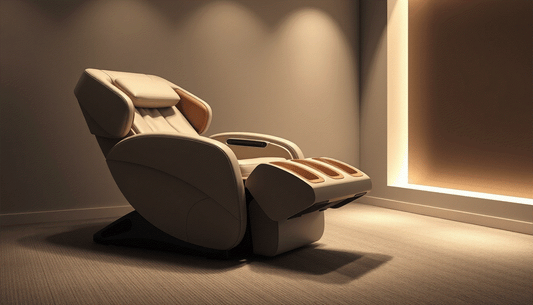
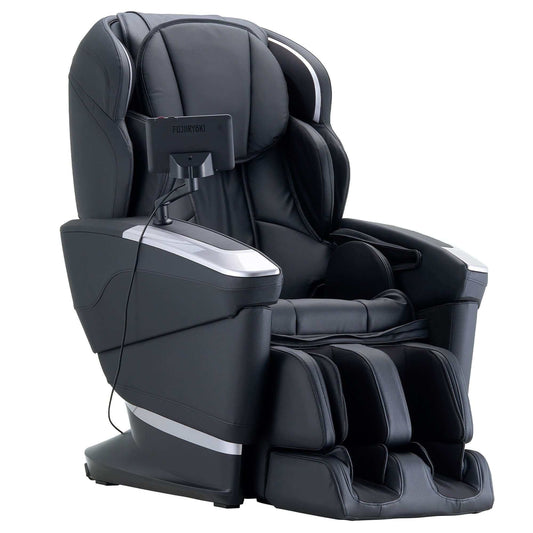
High-end massage chairs are built with a substantial visual presence. Materials, stitching, color, and silhouette deserve the same consideration you would give a statement lounge chair. Placement can either highlight that craftsmanship or make the room feel crowded.
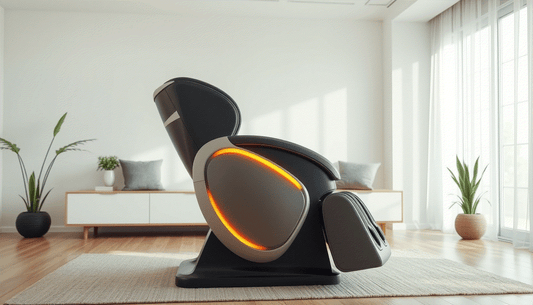
Give the chair a dedicated visual zone. A clean wall, an architectural corner, or a section of the room defined by a floor lamp and side table can make the installation feel deliberate. Keep nearby furniture low enough that it does not interfere with the armrests, remote cradle, or reclining action. Avoid placing a table directly beside the chair unless there is ample clearance for movement and for the user’s arms.
Lighting matters more than many buyers expect. Soft, indirect lighting supports relaxation and makes controls easier to read without harsh glare. A dimmable lamp is often more useful than a bright overhead fixture. If the chair will be used for early-morning recovery or late-night stress relief, consider whether the room can remain quiet and low-lit without affecting others in the home.
The chair should also stay away from damp environments, active fireplaces, radiator heat, and heating or cooling vents that blow directly onto the upholstery. Climate-controlled indoor placement is best for preserving materials and supporting reliable electronics. A sunroom may be attractive, but temperature swings and ultraviolet exposure make it a less suitable long-term location unless the space is consistently conditioned and shaded.
Plan for Delivery Before You Commit to the Room
The most polished massage chair placement plan begins at the front door. Luxury models can be heavy, wide, and delivered in substantial packaging. Measure exterior doors, interior doorways, hallways, elevator openings, stair turns, and the final room entrance before ordering.
Do not assume that a chair can be carried upright through every passage. Delivery teams may need space to rotate the carton or maneuver components around a landing. Remove fragile décor, narrow console tables, and loose rugs from the path ahead of time. If your preferred room is upstairs or in a lower-level suite, verify the route early rather than making the placement decision after the chair arrives.
Fujiiryoki USA customers often select advanced chairs for their long-term wellness value, so it is worth treating installation as part of the investment. A room that is accessible for delivery and service is usually easier to enjoy for years.
A Few Practical Placement Questions
Can a massage chair go against a wall?
It can, provided the model is designed for close-wall placement and you maintain its stated rear clearance. Standard reclining models may need significantly more space than wall-hugging designs. Never rely on an estimate based on the upright chair alone.
Is a massage chair suitable for carpet?
Yes, as long as the surface is level and stable. Low-pile carpet is generally easier than deep pile. For thick carpet, evaluate stability and consider a firm protective base if appropriate for the chair and flooring.
Where should a massage chair face?
There is no single correct direction. Many owners prefer a calming view, a television, or a quiet wall that limits visual distraction. Prioritize clearance, access to power, and a comfortable room layout before choosing the view.
A well-placed massage chair changes more than a corner of the room. It creates a reliable place to recover after long workdays, ease everyday tension, and take a few uninterrupted minutes for yourself. Give it the space to recline, the power to perform, and a setting worthy of the experience.
Etiquetas:
Anterior
Fujiiryoki Calm Plus Unleashed: How Deep Tissue, Shiatsu, and Reflexology Target Back Pain and Improve Spine Alignment at Home
Próximo
Fujiiryoki Cyber Relax Elite: Targeted Deep Tissue, Shiatsu, and Reflexology for Lower Back Pain Relief and Spine Alignment