
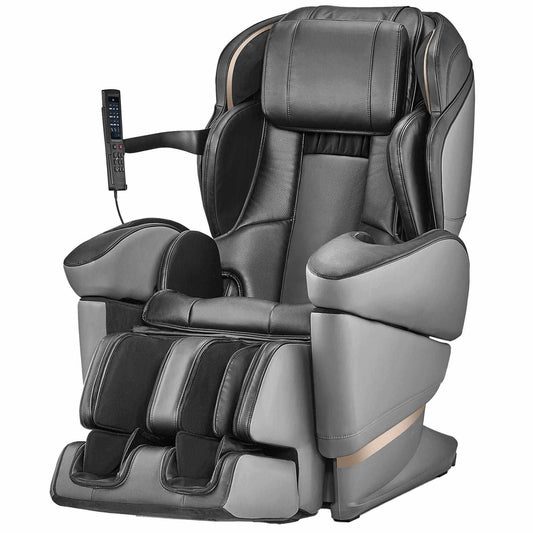

How to Clean a Massage Chair Without Damage
A premium massage chair is not ordinary living-room furniture. Its upholstery, touchscreen or remote, air cells, rollers, heating elements, and mechanical track work together in a precisely engineered system. Learning how to clean massage chair surfaces correctly protects that investment while keeping every session comfortable, polished, and ready for recovery.
The safest approach is gentle, consistent care rather than occasional heavy cleaning. Harsh household sprays, excess water, and abrasive cloths can dull synthetic leather, leave residue on controls, or reach areas where moisture does not belong. Your chair's owner manual always takes priority, especially for Made in Japan models and chairs with specialized upholstery or technology.
Start With the Right Cleaning Supplies
For most premium massage chairs, a soft microfiber cloth, a second dry microfiber cloth, a vacuum with a soft brush attachment, and clean lukewarm water are enough for routine cleaning. For isolated marks, use a very small amount of mild, pH-neutral soap diluted in water, but only after confirming that the upholstery instructions permit it.
Avoid alcohol, bleach, ammonia, acetone, furniture polish, glass cleaner, disinfecting wipes, essential oils, and strong degreasers. These products can dry or discolor polyurethane upholstery, weaken protective coatings, and leave a slick film that attracts more dust. Leather conditioner is not automatically appropriate either. Many massage chairs use high-performance synthetic leather rather than natural hide, and the wrong conditioner can change its finish.
Before using any cleaner, test it in a discreet location, such as a lower rear panel. Apply it to the cloth, not directly to the chair, and allow the area to dry completely. If there is any color transfer, tackiness, staining, or change in sheen, stop and use plain water with a fresh microfiber cloth instead.
How to Clean Massage Chair Upholstery Safely
Begin by turning the chair off, unplugging it, and allowing heated areas to cool. This is a practical safeguard around electronics and makes it easier to see dust, body oils, and residue on the surface. Extend the footrest only if your model allows it without power, or clean it in its stored position.
Use the soft brush attachment to vacuum seams, creases, around the headrest, under removable pads, and along the footwell. Keep the attachment just above delicate upholstery where possible. The purpose is to lift dry debris, not press it farther into the seams.
Next, lightly dampen a microfiber cloth with water and wipe one small section at a time. Use gentle, overlapping strokes rather than vigorous scrubbing. Pay close attention to the head pillow, armrests, calf area, and footrest, since these are the contact points most likely to collect skin oils, lotion, pet hair, or dust.
For a stubborn spot, use a barely damp cloth with a trace of approved mild soap solution. Blot the mark from its outer edge toward the center. Do not saturate the upholstery or repeatedly rub one location. Follow immediately with a cloth dampened only with water, then dry the area with a clean microfiber towel.
Allow the chair to air-dry fully before plugging it back in or running a massage program. Opening windows or improving airflow is preferable to using a hair dryer, heater, or direct sunlight. Intense heat can affect upholstery flexibility and adhesives over time.
Treat Different Upholstery Materials Differently
Most luxury massage chairs are upholstered in synthetic leather because it is durable, refined, and easier to maintain than many natural materials. Even so, finishes vary. A matte, soft-touch surface may show cleaning residue sooner than a smooth, glossy one, while perforated panels require special restraint so moisture cannot enter through the openings.
If your chair has genuine leather accents, suede-like panels, fabric inserts, or removable washable covers, follow the material-specific instructions in the manual. Fabric areas may need upholstery-safe spot treatment, while genuine leather often requires products formulated specifically for that type of leather. When in doubt, use less product, not more.
Clean the Remote, Touchscreen, and Controls With Care
The chair's control system deserves the same attention as its upholstery. Body oils and everyday dust can build up on remotes, touchscreens, buttons, and charging areas, but liquids are the primary risk.
First, wipe the remote or screen with a dry microfiber cloth. If fingerprints remain, use a second cloth that is only slightly damp with water. Never spray cleaner directly onto a touchscreen, remote, speaker grille, USB port, or control panel. Do not allow liquid to pool around button edges or enter charging connections.
For a touchscreen, avoid paper towels and rough fabrics that may leave fine scratches. Wipe softly in one direction, then buff dry. If the manufacturer specifically permits a screen-safe cleaner, apply it to the cloth first and use only the amount required.
Keep the Footwell and Air Massage Areas Fresh
The footwell works harder than almost any other area of a massage chair. Socks are a smart first line of defense, particularly in households where several people use the chair. They reduce direct transfer of perspiration and help keep the interior cleaner without affecting the massage experience.
Vacuum loose debris from foot pockets and calf wells using a soft attachment. Wipe accessible hard surfaces with a barely damp cloth, then dry them thoroughly. Do not push a wet cloth deep into enclosed foot chambers, and never pour or spray liquid inside. Airbags, sensors, and moving components may sit behind the visible lining.
If removable foot pads or covers are included, follow the model's care label precisely. Some can be wiped down; others can be removed for cleaning. Do not assume a component is machine washable simply because it appears to be fabric.
Do Not Clean Inside the Mechanism
Massage chairs contain sophisticated roller systems, SL tracks, motors, wiring, air pumps, and reclining hardware. Those areas are not user-serviceable cleaning zones. Do not remove exterior panels, lubricate internal tracks, spray compressed air into gaps, or apply oil to moving parts unless the manufacturer specifically directs you to do so.
A faint amount of dust around exterior gaps is normal. Vacuum gently around accessible openings and use a dry microfiber cloth on the outside of the base. If you notice new squeaking, grinding, unusual resistance, a repeated error message, or reduced massage performance, arrange qualified service rather than attempting a deep mechanical clean.
Set a Maintenance Schedule That Fits Real Use
Frequency depends on the chair's placement and use. A chair in a quiet executive office may need light dusting once a week and a fuller wipe-down monthly. A chair used daily by a family, positioned near a sunny window, or shared in a commercial relaxation area will benefit from more frequent attention.
A practical care schedule includes:
- A quick dry microfiber wipe of touchpoints once or twice weekly.
- Vacuuming seams, the footwell, and under removable pads every two to four weeks.
- A complete upholstery and control cleaning once a month, or more often in high-use spaces.
- A careful inspection every few months for loose covers, discoloration, cracked material, or changes in chair operation.
When to Call for Professional Support
Professional help is worthwhile when a spill reaches a seam, liquid enters the remote or touchscreen, upholstery begins to peel or crack, or the chair develops an odor that surface cleaning does not resolve. The same applies if cleaning reveals damage near the power cord, recline assembly, or footrest mechanism.
For ultra-premium and advanced technology models, preserving warranty coverage matters as much as restoring appearance. Take clear photos before using a new cleaning product on significant staining, and consult the manufacturer or authorized support team if the manual does not address the issue. A cautious question can prevent an expensive cosmetic or electrical repair.
A well-maintained massage chair looks as considered as the engineering beneath its surface. Gentle cleaning, dry controls, clean footwells, and early attention to small issues keep your wellness space feeling elevated every time you sit down.
標籤:
以前的
Fujiiryoki Cyber Relax AI:以簡報格式呈現針對頸部、背部和腿部的按摩技術資訊-瑞典式按摩、深層組織按摩、觸發點按摩、指壓、指壓按摩、反射療法及揉捏,促進血液循環並緩解疲勞。
下一個
Massage Chair Buying Guide: Choose the Right Fit for Your Home