
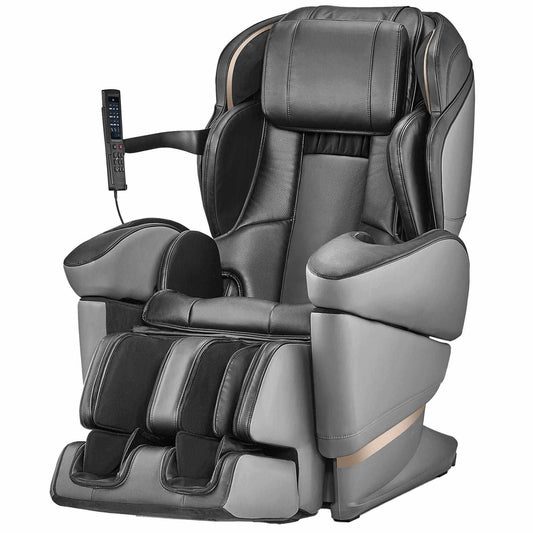

Choosing a Chiropractic Office Massage Chair
A patient who arrives early with a tight lower back or leaves an adjustment feeling newly relaxed has a few minutes to form an impression of your practice. A chiropractic office massage chair can turn those minutes into a more intentional part of the patient experience - provided it is selected for the right space, workflow, and level of care.
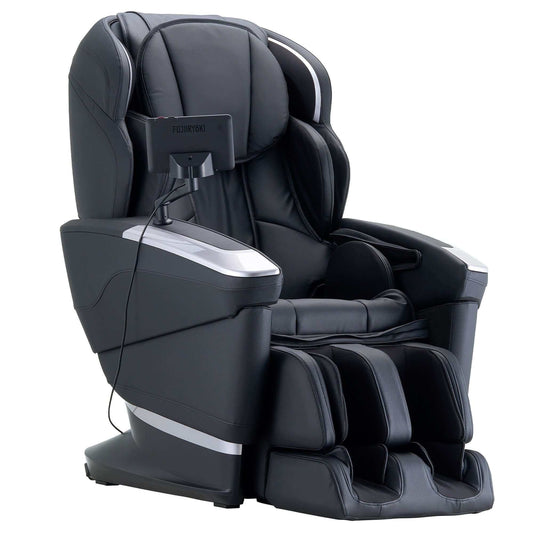
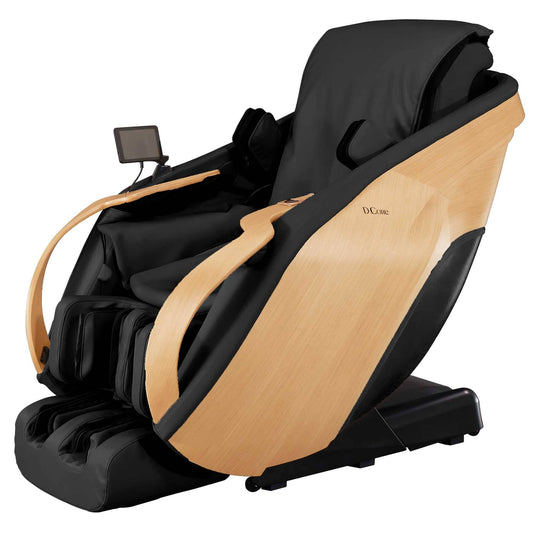
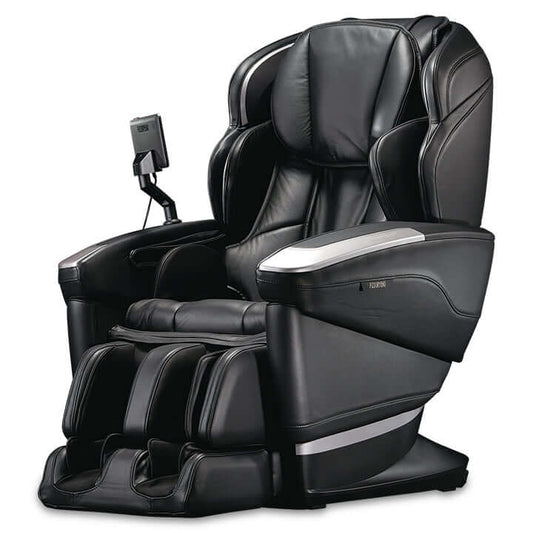
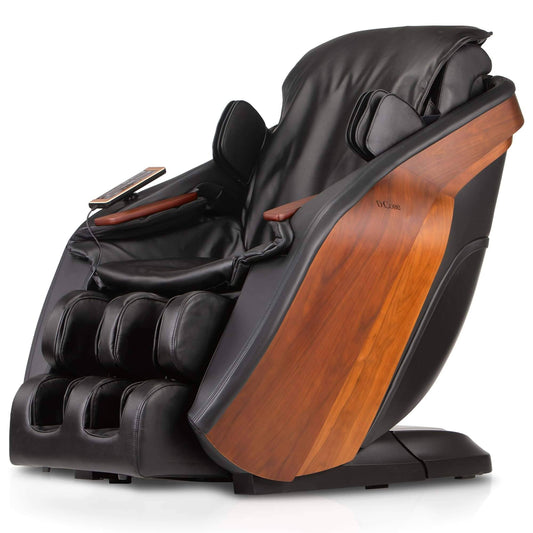
For a premium practice, the chair should feel less like a novelty in the corner and more like a considered wellness amenity. The best models pair advanced massage technology with a composed visual presence, straightforward operation, and the durability needed for shared use.
Where a Massage Chair Fits in a Chiropractic Practice
Massage chairs are not a replacement for chiropractic assessment, adjustment, therapeutic exercise, or the clinical judgment of a licensed provider. Their value is more practical: they can offer a comfortable decompression experience before an appointment, give patients a quiet place to settle after care, and make a waiting area feel distinctly more restorative.
Some practices place a chair in the reception area, where it serves as an executive-level comfort feature for patients who arrive early. Others create a dedicated relaxation nook near treatment rooms, using the chair as an optional component of a broader wellness routine. A larger clinic may reserve it for staff recovery between appointments or make it available as a premium member benefit.
Placement changes the buying criteria. A waiting-room chair must be easy to operate with minimal instruction and visually compatible with the office. A chair in a private relaxation room can justify more advanced programs, deeper intensity settings, and a longer massage session. In either case, the goal is a polished experience that supports your brand without interrupting your clinical flow.
Chiropractic Office Massage Chair Features That Matter
High-end chairs can offer an impressive list of technologies, but not every feature will improve a shared office environment. Focus first on the capabilities patients will notice, your team can manage, and your space can accommodate.
Body scanning and adjustable intensity
A body scan helps the massage mechanism identify shoulder position and adapt the session to the user’s frame. This is especially valuable in a patient-facing setting, where one chair may serve people of very different heights and builds. Adjustable intensity is equally essential. One guest may want gentle rolling and air compression, while another prefers a more assertive deep-tissue style program.
For a chiropractic office, a chair with clear intensity controls is often a better choice than one designed around maximum force. Patients may arrive with acute sensitivity, post-workout soreness, or simple everyday tension. Giving them an easy way to choose a lighter setting creates a more welcoming experience and helps avoid the assumption that deeper is always better.
SL-track coverage and targeted programs
An SL-track follows the natural contour from the upper back through the glutes, allowing a chair to provide longer coverage than a shorter, more traditional track. For people who spend long days seated, that extended path can feel especially satisfying through the back, hips, and gluteal area.
Targeted programs for the neck and shoulders, lower back, or full body can simplify use for patients. Rather than asking a first-time user to navigate a complex menu, your front desk team can direct them to a clearly labeled program that fits the available time. A concise 10- or 15-minute routine is usually more practical than an open-ended session during business hours.
Zero gravity and leg support
Zero gravity positioning raises the legs and reclines the body to distribute weight more evenly. It can create a floating, low-pressure sensation that many users find deeply relaxing. In a private wellness area, it is a compelling premium feature.
There is a trade-off: recline requires clearance. A conventional chair may need substantial room behind it, while a space-saving sliding design can recline closer to the wall. Measure the chair’s fully reclined footprint, not just its upright dimensions. Also consider whether a patient can enter and exit comfortably without assistance, particularly if your practice serves older adults or people with limited mobility.
Air compression, heat, and foot massage
Airbags can provide rhythmic compression around the shoulders, arms, hips, calves, and feet. These features often make a chair feel more enveloping without relying solely on strong rollers. Gentle heat can add another layer of comfort, particularly in the lower back or calves.
Foot massage is highly appealing to many users, though it deserves a practical look in an office setting. Open footwells and easily cleanable surfaces are preferable for shared use. If patients remove shoes, establish a simple sanitation process between sessions. A chair should raise the standard of the room, not create an avoidable maintenance burden.
Choosing the Right Class of Chair
The right model depends on whether the chair is primarily an atmosphere-enhancing amenity or a central part of your wellness offering.
An entry-level premium chair can be appropriate for a small practice that wants basic rolling, recline, and heat in a compact package. It delivers comfort without requiring a major dedicated space. The limitation is that it may offer less personalization, fewer body areas, and a less luxurious visual statement.
A 4D massage chair adds variable speed and depth characteristics that can create a more nuanced roller experience. For a practice seeking an elevated patient amenity, this category often offers an appealing balance of performance, refinement, and investment.
Ultra-premium 5D AI chairs and Made in Japan models suit executive wellness spaces, multidisciplinary clinics, and practices where hospitality is a major differentiator. These chairs may offer sophisticated body sensing, more detailed massage choreography, advanced touchscreens, heated components, and exceptional build quality. They also require a higher budget and a more deliberate plan for placement, patient access, and staff training.
Commercial-grade construction is worth considering when volume is high. A home-focused luxury chair can be excellent in a low-traffic private room, but a busy office needs durable upholstery, dependable controls, and service support that match frequent use. Review the warranty terms carefully, including whether commercial or shared-office use is covered.
Design, Hygiene, and Daily Operations
A massage chair becomes part of the office furniture the moment patients see it. Choose upholstery and finishes that complement your reception desk, flooring, and treatment rooms. Black, espresso, gray, and other restrained tones generally maintain an executive appearance over time, while sculptural silhouettes can reinforce a contemporary, technology-forward setting.
Hygiene deserves the same attention as design. Select materials that can be cleaned according to manufacturer guidance without damaging the surface. Keep approved cleaning supplies nearby, and designate a staff member to inspect the chair at opening, between heavier-use periods, and at closing. Remote controls, arm wells, headrests, and foot sections are the areas most likely to need attention.
Create a clear use policy before the chair arrives. Decide whether it is available only before or after appointments, whether sessions must be limited by time, and whether staff start each program. A small, elegant sign can explain the basics: remove sharp objects from pockets, use the chair at a comfortable intensity, and ask staff for assistance. This protects the equipment and keeps the experience consistent.
It is also wise to consider accessibility and patient discretion. Avoid positioning the chair where a reclining patient becomes the focal point of a crowded reception area. A partially screened corner or dedicated room can feel more dignified while preserving the chair’s visual impact.
Questions to Ask Before You Buy
Before committing to a model, confirm the doorways, hallway turns, elevator dimensions, and final room layout. Premium chairs are substantial pieces of equipment, and delivery access can be as consequential as the chair’s features. Verify electrical requirements, available outlets, and whether surge protection is recommended.
Ask how the chair handles different user heights, how simple it is to stop a program, and whether there is a quick-start function for guests. Consider the sound level as well. Mechanical massage noise may be acceptable in a private room with ambient sound, but it can be distracting beside a quiet consultation area.
Finally, assess the chair as a long-term capital purchase rather than a decorative add-on. Quality engineering, reliable components, and service availability tend to matter more than a long checklist of rarely used modes. Fujiiryoki USA’s premium categories, from advanced SL-track designs to ultra-premium Japanese engineering, are built for buyers who want that level of distinction and performance.
A well-chosen chair gives patients a tangible signal: this is a practice that values comfort before the appointment begins and after the adjustment ends. Choose the one that fits your care environment with the same discipline you bring to every other detail of the patient experience.
標籤:
以前的
Fujiiryoki Calm Plus: Back Pain Relief and Posture Enhancement with Deep Tissue, Shiatsu & Reflexology
下一個
Synca Wellness Chair Review for Premium Buyers