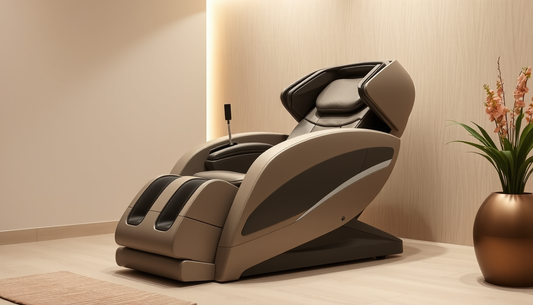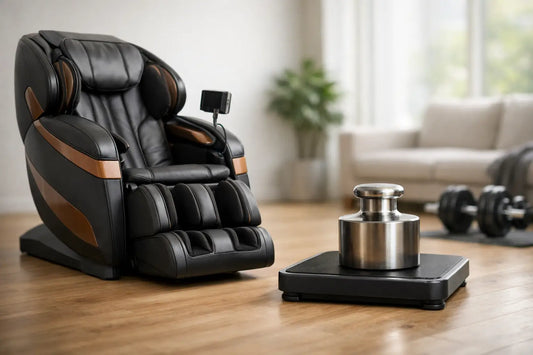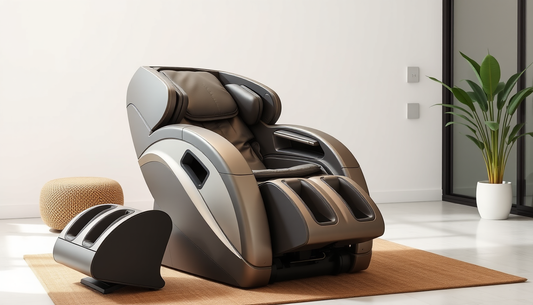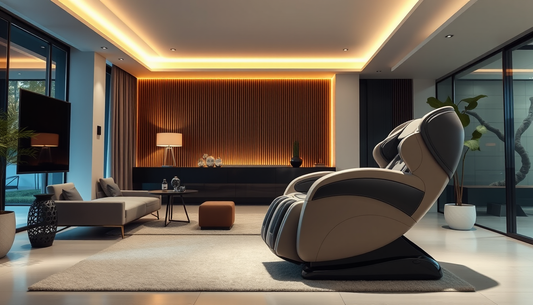
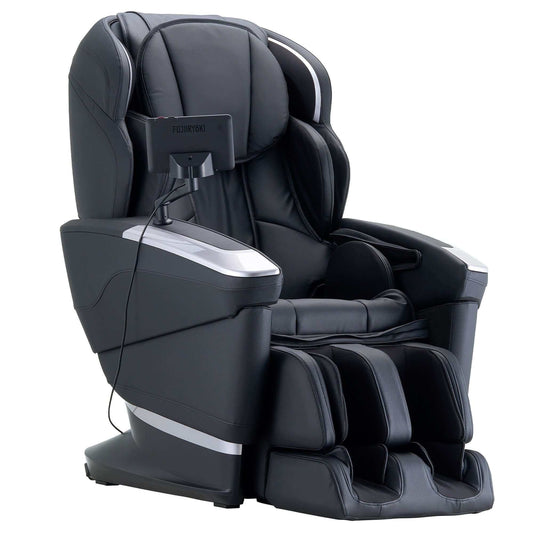
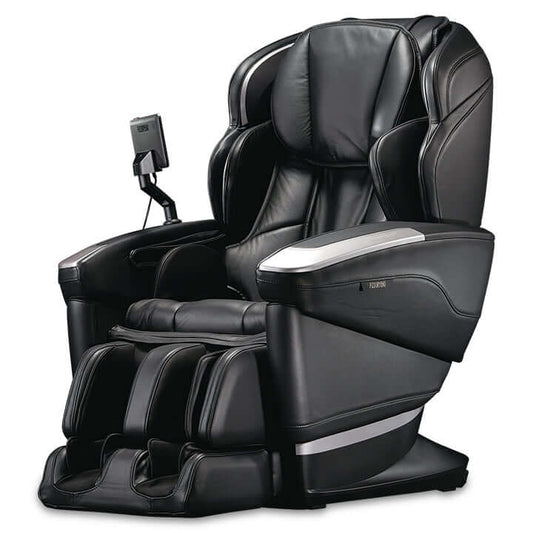
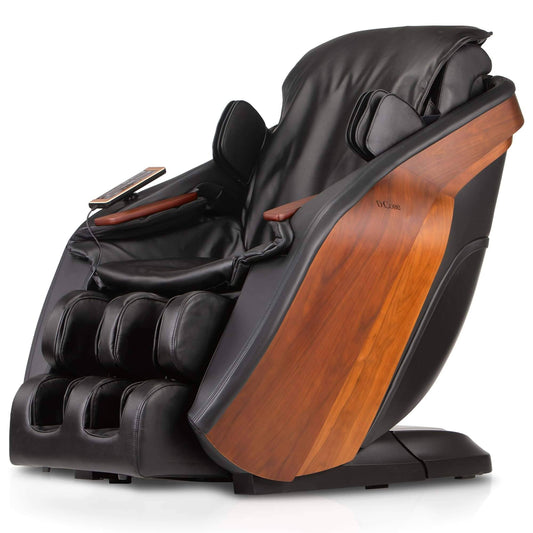
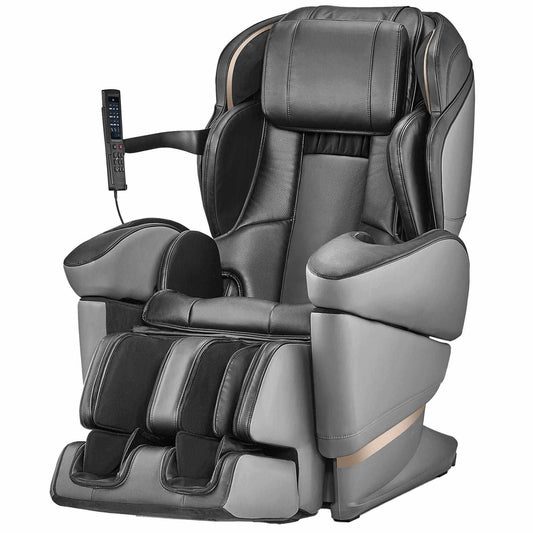

Fujiiryoki Cyber Relax AI Spotlight: From Ankle to Wrist—A Presentation-Style Guide to Swedish, Deep Tissue, Trigger Point, Acupressure, Shiatsu, Reflexology, and Kneading for Blood Flow, Fatigue Relief, and Enhanced Mobility
Overview: Introducing the Cyber Relax AI Experience
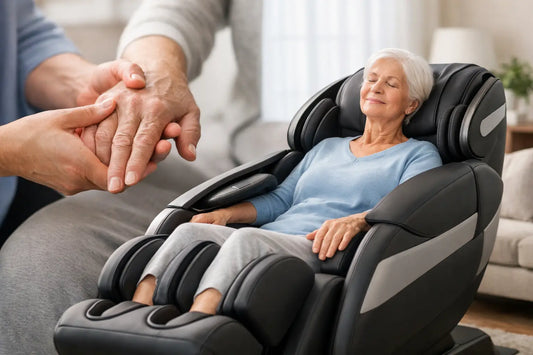
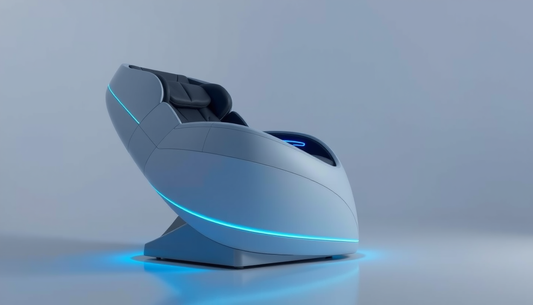
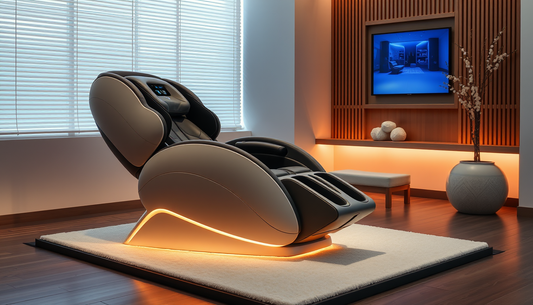
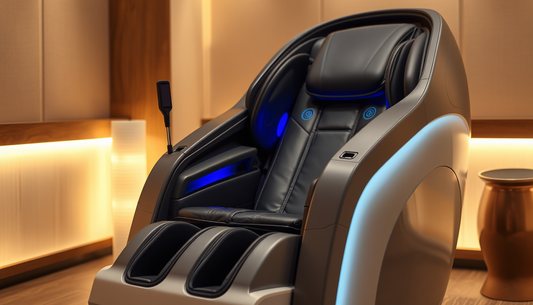
Welcome to a comprehensive, presentation-style guide focused on Fujiiryoki's Cyber Relax AI. This resource walks through how the chair delivers a studio-grade massage experience from ankle to wrist, using a curated set of modalities—Swedish, Deep Tissue, Trigger Point, Acupressure, Shiatsu, Reflexology, and Kneading. The aim is to illuminate how these techniques interlock with targeted body parts to optimize blood flow, reduce fatigue, and enhance mobility. The guide is crafted for practitioners, clinicians, enthusiasts, and potential buyers seeking a clear, structured walkthrough suitable for demonstrations, seminars, or SEO-rich content creation.
Slide 1: Core Massage Techniques Explained
- Swedish Massage — Long, gliding strokes to warm superficial layers, improve circulation, and prepare tissues for deeper work. In AI-assisted modes, Swedish sequences are tuned to body-region temperature and tissue readiness.
- Deep Tissue Massage — Targeted kneading and sustained compression to address deeper muscle layers, releasing stubborn adhesions and postural tension.
- Trigger Point Massage — Precise pressure on active points to interrupt the pain-spasm cycle and restore neuromuscular function.
- Acupressure — Meridian-based pressure that supports energy balance, localized relief, and improved circulation along key pathways.
- Shiatsu Massage — Finger-pressure sequences that flow along muscle groups and joints to restore balance and mobility.
- Reflexology — Map-guided stimulation of foot and hand reflex zones to influence systemic relaxation and circulatory efficiency.
- Kneading — Rhythmic, circular pressure to nourish tissue and support muscle recovery and tissue resilience.
Slide 2: Targeted Body Parts and How Techniques Are Applied
The Cyber Relax AI adapts its technique portfolio across the body, aligning each modality with the needs of specific regions. The mapping below is designed for demonstrations and practical sessions:
- Ankle: Swedish warmth, light kneading, and reflexology cues to boost plantar circulation and ankle joint comfort.
- Calf: Deep tissue and kneading to release tight gastrocnemius and soleus, supporting venous return.
- Foot: Reflexology emphasis paired with targeted kneading to promote relaxation and systemic flow.
- Knee: Gentle effleurage with strategic kneading to support soft tissue around the joint and glide.
- Legs: Alternate Swedish warmth with kneading to harmonize hamstring and calf health.
- Thigh: Deeper kneading and trigger-point work to address large muscle groups and mobility constraints.
- Hip and Lower Back: Shiatsu-inspired pressure patterns to support spine-friendly alignment and pelvic comfort.
- Back: A blend of Swedish warm-up, Deep Tissue, and Trigger Point to relieve common thoracic and lumbar tension zones.
- Shoulder and Neck: Targeted kneading, acupressure, and reflex cues to reduce stiffness and fatigue.
- Hands and Wrists: Gentle kneading and acupressure to support dexterity and circulation in the upper extremities.
- Head: Light sequences to ease tension and support relaxation that can mitigate tension headaches.
- Whole Body: A balanced routine that integrates modalities for overall vitality and mobility gain.
Slide 3: Massage Benefits Aligned with Each Modality
These benefits reflect the roles of the included techniques and how they contribute to a holistic wellness routine:
- Blood Flow Control — Enhanced circulation across major muscle groups improves tissue oxygenation and nutrient delivery.
- Fatigue Relief — Progressive relaxation reduces perceived exertion and supports recovery after activity.
- Flexibility Improvement — Targeted soft-tissue and joint work expands range of motion.
- Injury Recovery — Gentle-to-moderate tissue mobilization supports healing alongside medical guidance.
- Muscle Therapy — Release of adhesions and knots improves muscle function and comfort.
- Pain Relief — Reduction of trigger points and muscle tension lowers pain perception.
- Spine Alignment — Sequenced work supports ergonomic posture and spinal comfort.
- Stress Relief — Relaxation responses and mood stabilization through a calm autonomic shift.
- Tissue Therapy — Tissue resilience is fostered through hydration of connective tissue and improved elasticity.
Slide 4: A Practical, Presentation-Style Routine
- Prep — Create a comfortable seating or reclined position, ensure a warm environment, and minimize distractions.
- Sequence — Begin with Swedish warmth on the ankles and feet, progress through calves, thighs, hips, back, shoulders, neck, arms, and finish with hands, wrists, and scalp comfort.
- Technique Progression — Alternate between lighter Swedish strokes and deeper kneading or trigger-point work based on tissue response.
- Breathing and Feedback — Synchronize breathing with tissue release; adapt pressure according to comfort and feedback.
- Cool-Down — Finish with gentle reflexology cues and a brief head/neck relaxation sequence to consolidate gains.
Slide 5: How to Use the Cyber Relax AI for Maximum Impact
To maximize SEO value and user engagement, apply these practical strategies during presentations and content creation:
- Schedule regular sessions focusing on different body regions to build a comprehensive routine over time.
- Incorporate all seven massage modalities across sessions to address multiple facets of tissue health and circulation.
- Document user experiences and measurable improvements in mobility, comfort, and fatigue levels to support ongoing engagement.
- Highlight AI-driven personalization in demos—show how sensor data informs pressure, speed, and sequencing decisions.
Slide 6: Frequently Asked Questions (Expanded)
- Is this chair suitable for daily use? Yes, with proper programming. Start gradually and increase intensity as tolerated, while monitoring for signs of overuse.
- Can it help with chronic pain? It may assist with symptom relief and mobility, but consult a healthcare professional for persistent issues or red-flag symptoms.
- Which techniques are most effective for foot fatigue? Reflexology combined with kneading and acupressure sequences often yield noticeable improvements.
- How does AI personalization work? Sensors track tissue response, pressure distribution, and user feedback to adapt sequences in real time.
Slide 7: Deep Dive into AI-Powered Personalization
Cyber Relax AI leverages sensor fusion and adaptive algorithms to tailor sessions to individual tissue state, temperature, and movement history. Key components include:
- Real-time pressure modulation based on tissue pliability signals.
- Dynamic technique selection to prevent tissue fatigue and optimize recovery windows.
- Personal profiles saved (with consent) to reproduce effective sequences across sessions.
- Voice-guided prompts and on-screen cues to support self-management and safe practice.
Slide 8: Detailed Protocols by Body Part (Ankle to Wrist)
These detailed protocols help presenters demonstrate the chair’s versatility in real-world demonstrations:
- Ankle — Swedish warm-up, light kneading, reflexology cueing for plantar fascia relief.
- Calf — Deep tissue release with targeted kneading on soleus and gastrocnemius to reduce cramping risk.
- Foot — Reflex zones stimulated via gentle pressure, complemented by kneading to improve venous return.
- Knee — Gentle effleurage and strategic kneading around soft tissues to support joint comfort.
- Legs — Alternating sequences to address whole-limb circulation and muscular balance.
- Thigh — Deeper kneading and trigger-point work to release large muscle groups that often hold posture-related tension.
- Hip and Lower Back — Focused Shiatsu-inspired patterns and deep tissue work for spine alignment and hip mobility.
- Back — Integrated Swedish warm-up, Deep Tissue, and Trigger Point to address common postural strain.
- Shoulder and Neck — Targeted kneading, acupressure, and reflex cues to relieve stiffness and fatigue.
- Hands and Wrists — Gentle kneading and acupressure to support dexterity and circulation in the upper extremities.
- Head — Calming sequences to ease tension and reduce headaches or scalp discomfort.
- Whole Body — An integrated routine that synthesizes modalities for total vitality and mobility.
Slide 9: Demonstration Script — The Presenter’s Notes
Use this script to guide a live demo, whether in a showroom, a webinar, or a video course. The goal is to communicate value, safety, and practical application:
- Introduce the Cyber Relax AI and emphasize the eight modalities and 14 targeted regions covered in the session.
- Show a brief pre-set profile and explain personalization capabilities (without showing confidential data).
- Demonstrate a full ankle-to-wrist sequence, narrating technique changes and the rationale behind each transition.
- Highlight safety cues and how to adjust intensity for comfort.
- Summarize the observed benefits and invite questions from the audience.
Slide 10: Clinical and Research Context
While consumer devices cannot replace professional care, integrating AI-enhanced massage into daily routines can support symptomatic relief and functional mobility for many individuals. Points to cover:
- Mechanisms of improved blood flow and tissue nourishment.
- Role of trigger-point work in reducing focal pain and improving range of motion.
- Evidence for reflexology and acupressure in relaxing the nervous system and promoting sleep quality.
- Limitations: not a substitute for medical treatment when indicated by healthcare professionals.
Slide 11: User Stories and Real-World Use Cases
Illustrative scenarios show how Cyber Relax AI can fit into daily life:
- Office workers seeking relief from neck and shoulder tension after long screen time.
- Athletes aiming to improve recovery, reduce muscle stiffness, and maintain flexibility.
- Individuals managing chronic discomfort who benefit from a guided, customizable routine.
Slide 12: Accessibility, Inclusivity, and User Comfort
Design considerations to make the chair usable for a broad audience:
- Adjustable seating and recline angles for various body sizes and mobility needs.
- Clear, multilingual prompts and accessible UI for diverse users.
- Quiet operation and non-slip surfaces to accommodate different environments.
Slide 13: Safety, Contraindications, and Precautions
Important guidelines to ensure safe use:
- Consult a healthcare professional if you have cardiovascular issues, recent surgery, or acute injuries.
- Avoid applying excessive pressure over fractures, open wounds, or swollen joints.
- Start with lighter settings and build tolerance gradually.
- Ensure proper chair setup and stable footing to prevent slips or falls during sessions.
Slide 14: Maintenance, Cleaning, and Longevity
Care protocols help preserve performance and hygiene:
- Regularly clean upholstery with manufacturer-approved products; avoid harsh solvents.
- Inspect moving components for wear and lubricate as recommended.
- Keep sensors free of debris and dust to maintain accurate feedback.
Slide 15: Content Strategy: SEO and Educational Value
For creators and marketers, here are tactics to maximize reach and authority:
- Incorporate diverse keyword placements naturally (e.g., massage modalities, body-part protocols, AI personalization).
- Use structured headings and bullet lists to improve readability and featured snippet opportunities.
- Include practical demonstrations, FAQs, and real-world narratives to boost dwell time and user engagement.
Slide 16: The 4-Week Mastery Plan
A practical progression to become proficient with the Cyber Relax AI:
- Week 1 — Learn the seven modalities and basic body-part sequences.
- Week 2 — Practice full ankle-to-wrist routines with attention to safety and feedback.
- Week 3 — Introduce personalization profiles and experiment with pressure tuning.
- Week 4 — Build a presentation or content piece showcasing a complete routine with measurable outcomes.
Slide 17: Presenter Resources and Callouts
Helpful tips for educators and content creators:
- Prepare a short, clear demo script highlighting the key benefits.
- Provide before-and-after mobility indicators to quantify impact.
- Offer a quick troubleshooting checklist for common user questions during demos.
Conclusion: The AI-Enhanced Path to Mobility
The Cyber Relax AI integrates a spectrum of massage modalities into a cohesive, home-based studio experience. By mapping techniques to body parts from ankle to wrist and aligning them with AI-driven personalization, users can achieve improved blood flow, fatigue relief, and enhanced mobility—supporting overall well-being in daily life. This extended guide aims to equip presenters, clinicians, and enthusiasts with a thorough, SEO-friendly framework for understanding and communicating the value of Fujiiryoki’s AI-powered massage technology.
태그: