
Corporate Wellness Massage Chair Planning
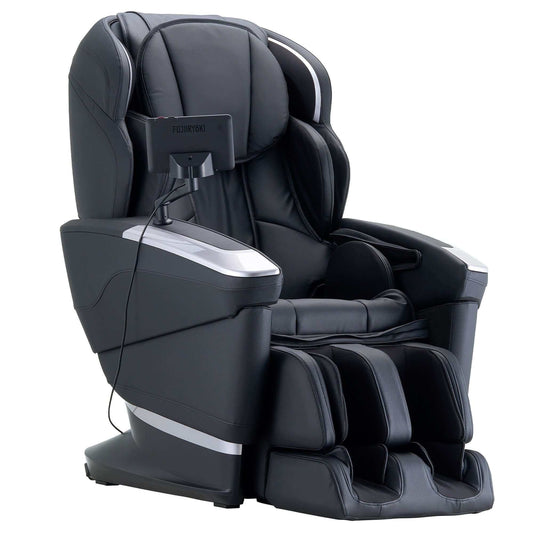
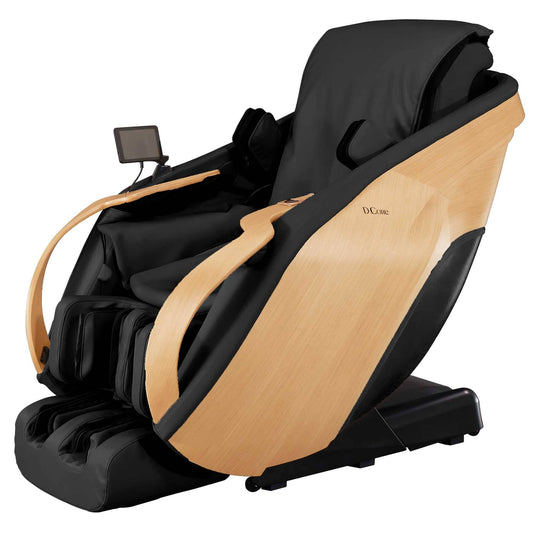
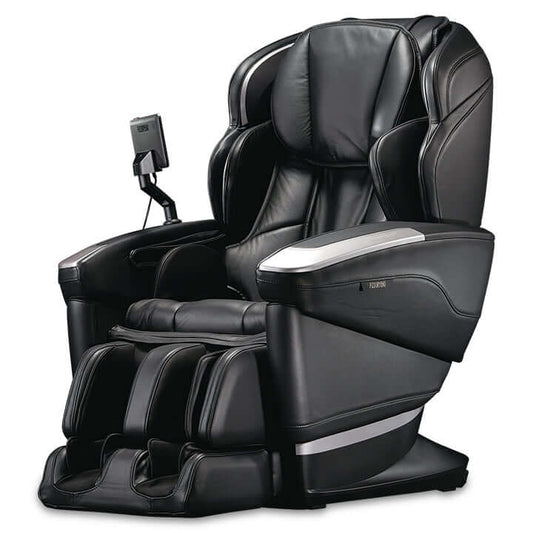
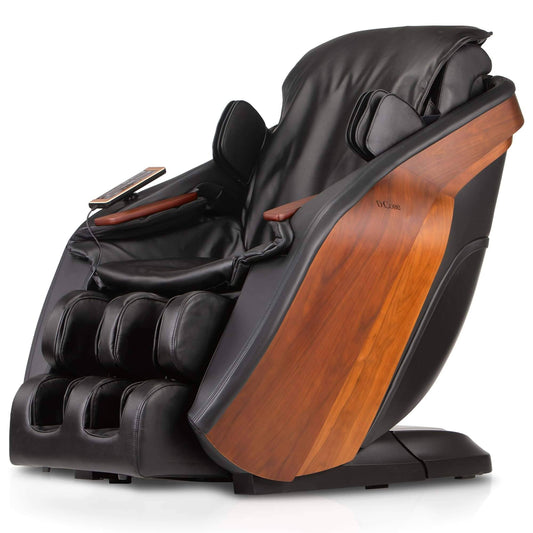
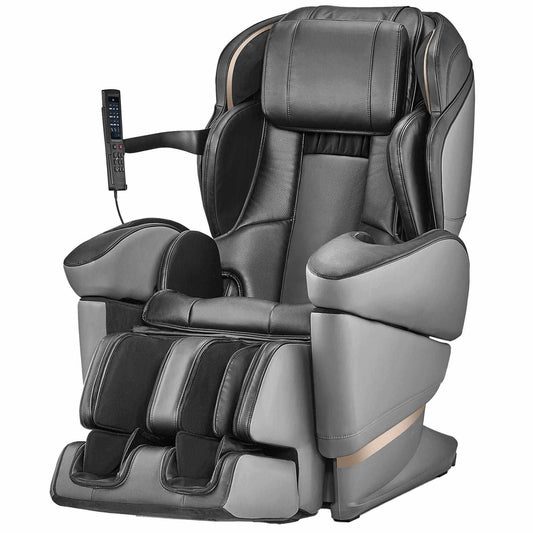
A corporate wellness massage chair is not a decorative perk for a break room. Chosen well, it becomes a high-value recovery station: a private place where employees can step away from screen fatigue, travel stiffness, demanding schedules, and the physical tension that accumulates during long workdays. For organizations investing in a more considered workplace experience, the right chair combines visible care with advanced, repeatable performance.
The distinction matters. A low-cost chair that receives constant use may quickly feel underpowered, difficult to maintain, or out of place in an executive environment. A commercial-ready or ultra-premium model, by contrast, can support a polished wellness program with refined materials, intelligent massage systems, and ergonomics designed for users of varied heights and body types.
Why a Corporate Wellness Massage Chair Earns Its Space
Corporate wellness is often discussed in broad terms: benefits, culture, retention, and productivity. Employees experience it in much more immediate terms. Is there a practical way to decompress between meetings? Is there a place to recover after a long commute, a client visit, or a day spent standing? Does the office provide moments of genuine comfort rather than another obligation on the calendar?
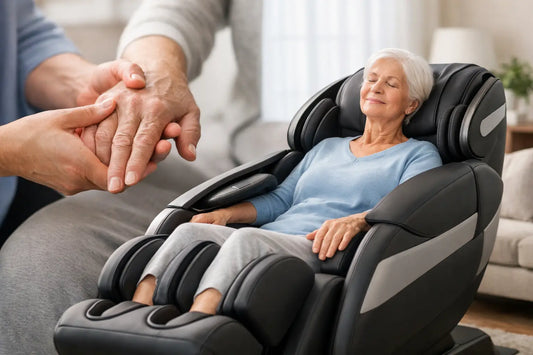
A massage chair answers those questions with convenience. Unlike an appointment-based service, it is available when the employee needs it, without scheduling, travel time, or a public interaction. A focused 10- or 15-minute program can fit before a presentation, after a flight, or during an afternoon reset.
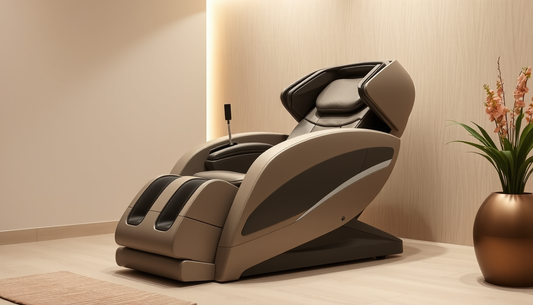
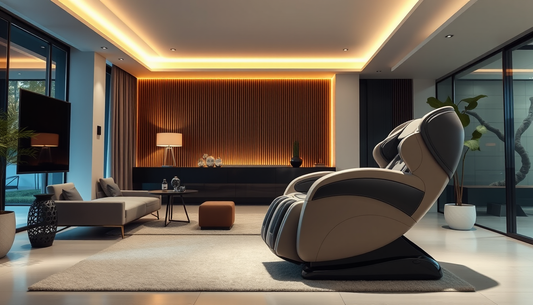
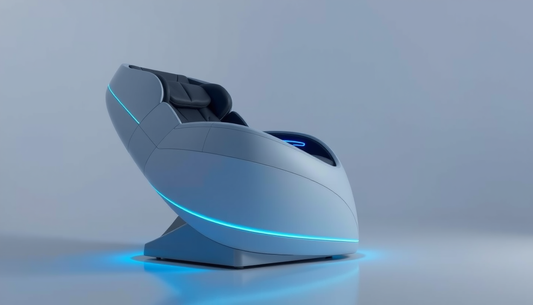
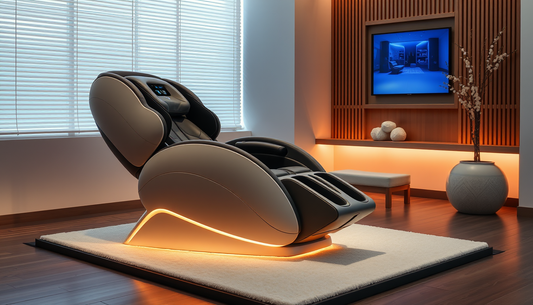
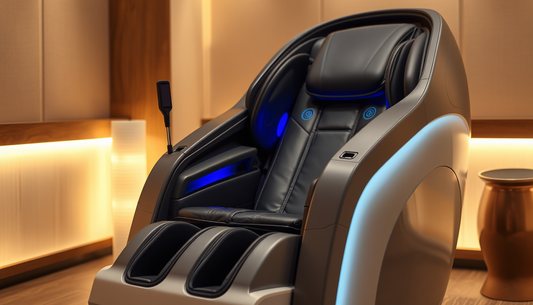
For leadership teams, the value is also experiential. An executive office, premium coworking floor, hospitality lounge, or employee wellness suite gains a tangible amenity that signals quality. The chair should feel intentional - not like consumer furniture moved into a spare corner. Design, upholstery, quiet operation, and the quality of the remote interface all shape whether employees view the space as a true retreat.
Start With the Workplace, Not the Feature List
Advanced technology is meaningful only when it matches the setting. Before comparing 4D rollers, AI body scanning, heat, or zero gravity, define how the chair will be used.
A private executive suite typically favors a luxury model with deep tissue capability, refined styling, and an expansive menu of customized programs. Usage may be limited to one or two people, so personalization and premium finish take priority over constant turnover.
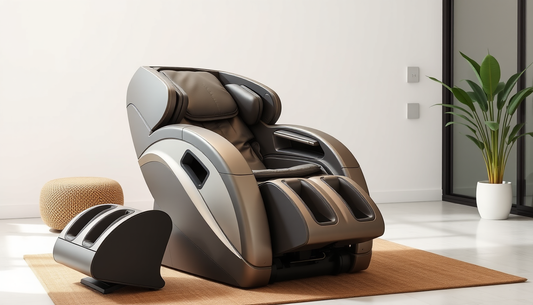
A shared wellness room has different requirements. It needs intuitive controls, easy entry and exit, a broad fit range, and a program menu that helps first-time users make a confident selection. Durability matters more here, as does a layout that allows staff to clean the chair and inspect it between uses.
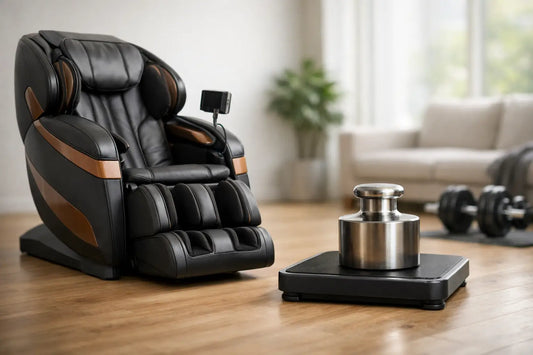
For a larger corporate campus, fitness center, airport lounge, or commercial relaxation area, look closely at commercial-grade suitability and expected duty cycle. A chair designed for home use can be excellent, but it may not be the right choice for sustained public access. Confirm warranty terms, service options, electrical requirements, and whether the manufacturer supports the intended commercial environment before making the investment.
Placement deserves equal attention. A chair in a high-traffic hallway may receive attention but offer little relaxation. A dedicated room with soft lighting, reasonable sound separation, and enough clearance around the chair creates a much better experience. Choose a location near employees, but not so visible that people feel self-conscious using it.
The Technology That Matters Most
Premium massage chairs offer far more than vibration and reclining. The best feature set depends on the physical needs of users and the experience the organization wants to provide.
SL-Track Coverage and Body Fit
An SL-track follows the natural contour from the neck and shoulders through the back and toward the glutes. In a shared environment, this extended coverage gives more employees a sense of complete treatment in a short session. It is especially valuable for desk-based teams who carry tension through the upper back and lower back.
Automatic body scanning is equally useful. The system identifies shoulder position and adjusts roller placement, reducing the need for each user to make manual corrections. This does not replace individual preference, but it makes a chair substantially more approachable for a busy workplace.
4D and 5D Massage for More Precise Relief
A 4D massage chair adds adjustable roller speed and depth to the movement of the massage mechanism. That gives users more control over intensity, from a gentler recovery program to a more deliberate deep tissue session. For executive and high-performance environments, 4D technology can feel noticeably more tailored than basic mechanical massage.
5D AI massage systems take personalization further by responding to body data and program logic in more sophisticated ways. They are appropriate when the goal is an ultra-premium wellness experience and the budget supports it. The trade-off is simple: advanced systems offer a more nuanced session, but they are not necessary for every employee lounge. A well-engineered 4D chair with heat, zero gravity, and a strong track system may be the smarter choice for a high-use shared room.
Zero Gravity, Heat, and Air Compression
Zero gravity positioning elevates the legs and reclines the body to distribute weight more comfortably. In practical terms, it helps users settle into the chair and can make a short session feel more restorative. It is a defining feature for workplace users who spend much of the day seated or who arrive with lower-body fatigue from travel and standing.
Heated massage functions add another layer of comfort, particularly for the lower back and calves. Air compression massage can support the shoulders, arms, hips, legs, and feet with rhythmic pressure that complements the roller mechanism. For a corporate setting, these features broaden the chair’s appeal because not every user wants an intense back massage. Some will prefer a lighter full-body recovery program.
Design a Simple, Responsible User Experience
The best corporate massage chair program has a clear purpose and almost no friction. Employees should not need a tutorial to start a session, nor should they worry about whether using the chair is viewed as stepping away from work.
Set reasonable session guidance based on demand. In a smaller office, open use may work well. In a high-traffic setting, a simple reservation approach or a posted time limit can prevent one person from occupying the chair for an extended period. Keep the guidance welcoming rather than restrictive: encourage users to choose a brief program that fits their comfort level and the needs of others.
Cleanliness is part of the luxury experience. Establish a simple routine for wiping touch surfaces and upholstery with materials approved for the chair. Provide disposable headrest covers if the setting calls for them, and keep the surrounding room orderly. A premium chair loses its appeal quickly if the space feels neglected.
It is also wise to communicate sensible wellness boundaries. Massage chairs are designed for relaxation and everyday muscle comfort, not to diagnose or treat medical conditions. Employees with injuries, implanted medical devices, pregnancy-related concerns, or other health questions should follow the chair’s safety guidance and consult an appropriate medical professional when needed.
Budget Beyond the Purchase Price
A premium chair is a durable wellness asset, so the purchase decision should account for more than the initial price. Consider delivery access, room dimensions, electrical placement, routine care, and service support. A large chair may require careful planning for elevators, doorways, and tight turns. Measuring the route in advance protects the installation experience.
The right price tier depends on the purpose. An accessible premium chair can be an excellent fit for a small team seeking core benefits such as zero gravity, heat, and full-body air massage. A deluxe or Made in Japan model may make more sense for an executive suite, client-facing lounge, or wellness center where engineering pedigree, material quality, and advanced massage precision are part of the statement.
Refurbished inventory can also be a compelling path for organizations that want elevated technology at a more attainable investment. The decision should still be based on condition, warranty coverage, expected use, and whether the chair is appropriate for the environment. Value is not simply the lowest price. It is the cost of providing a reliable, satisfying experience over time.
Fujiiryoki USA’s premium selection makes it possible to compare wellness seating by technology, from zero gravity and SL-track designs to advanced 4D and 5D AI massage systems. That category-based approach is particularly useful for corporate buyers balancing user expectations, design standards, and operating demands.
A well-chosen chair will not solve every workplace stressor, and it should not be positioned as a substitute for healthy workload practices. Its strength is more immediate: it gives people a credible, comfortable place to reset. When the room is thoughtfully planned and the technology fits the users, that small interval of recovery can become one of the most appreciated parts of the workplace.
태그:
이전의
Fujiiryoki Cyber Relax AI Spotlight: From Ankle to Wrist—A Presentation-Style Guide to Swedish, Deep Tissue, Trigger Point, Acupressure, Shiatsu, Reflexology, and Kneading for Blood Flow, Fatigue Relief, and Enhanced Mobility
다음
Fujiiryoki Cyber Relax AI: Targeted Full-Body Massage Techniques from Ankle to Wrist—A Presentation-Style Breakdown for Blood Flow, Fatigue Relief, and Flexibility