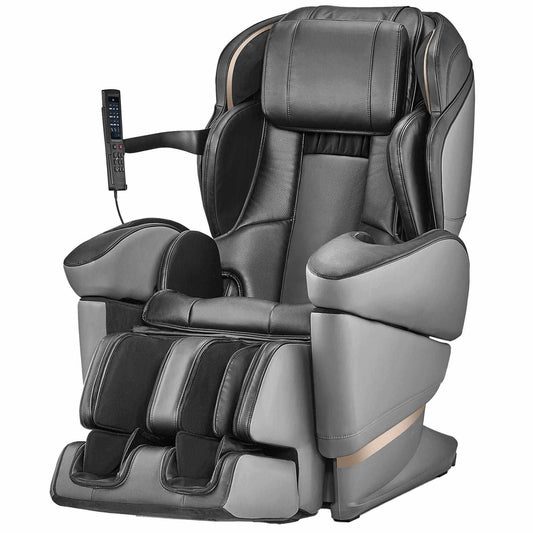

Massage Chair Buyer Guide for Premium Comfort
A premium massage chair should feel less like another piece of furniture and more like a dedicated recovery space waiting at home. This massage chair buyer guide focuses on the decisions that determine whether that experience feels genuinely tailored: massage depth, body coverage, ergonomics, daily usability, and the level of engineering behind the chair.
The right model is rarely the one with the longest feature list. It is the chair whose design aligns with your body, your preferred intensity, and the way you plan to use it - after demanding workdays, alongside a training routine, or as an elevated part of a home wellness room.
Start With the Experience You Want
Before comparing technologies, decide what you want to feel when a session ends. Some buyers want firm, concentrated work around the shoulders, lower back, and glutes. Others prefer a slower, enveloping massage with heat, gentle stretching, and a near-weightless recline. Both are premium experiences, but they point toward different chairs.
For daily stress and general tension, prioritize a comfortable recline, well-designed air compression, heat, and automatic programs that are easy to start. If deep tissue performance is the goal, focus more closely on roller mechanics, intensity adjustment, and an extended track that can reach from the upper back through the glutes. A chair that feels exceptional for a 15-minute evening reset may not be the ideal choice for a user seeking a stronger recovery-focused session several times a week.
Also consider who will use the chair. A household with users of different heights benefits from automatic body scanning and broad adjustment ranges. For a private executive office or a primary suite, upholstery, footprint, and noise level can matter as much as the massage program itself.
Massage Chair Buyer Guide to Tracks and Roller Systems
The track is the route the massage rollers travel. It is one of the clearest indicators of where a chair can deliver focused mechanical massage.
An S-track follows the natural curve of the spine, making it a refined option for neck, shoulders, and back work. An SL-track combines that spinal contour with a longer path that continues under the seat toward the glutes and upper hamstrings. For many buyers, an SL-track offers the most complete full-body coverage because it addresses the areas that often carry the weight of long periods of sitting.
Track length alone does not determine quality. Roller precision, body scanning, and the chair’s ability to adapt pressure across changing contours are equally important. A shorter, exceptionally engineered system can feel more accurate than a longer system with limited adjustment.
Roller terminology can be confusing, especially when comparing 3D, 4D, and 5D massage chairs. In general, 3D rollers add adjustable forward-and-back movement, allowing the massage to reach farther into the muscles than a fixed two-dimensional system. This is valuable for buyers who want a more pronounced deep-tissue sensation.
4D systems build on that movement with greater control over speed and rhythm. The result is often a more human-like cadence, with pauses, variations, and transitions that feel less mechanical. Advanced 5D AI massage systems take personalization further by using body data and program logic to refine the experience around the individual user. The exact implementation differs by model, so compare what the chair actually adjusts: roller depth, shoulder position, massage pace, intensity, or program selection.
Zero Gravity Is About More Than Reclining
Zero gravity positioning elevates the legs and reclines the body to distribute weight more evenly. In a well-designed chair, this position can reduce pressure points and help the rollers maintain more consistent contact across the back. It also creates the floating, restorative sensation many buyers associate with luxury massage chairs.
Look beyond whether a chair simply includes zero gravity. Consider how many recline stages it offers, whether it has a space-saving slide-forward design, and how naturally the chair supports your head, neck, arms, and calves in its most reclined position. If the chair will sit close to a wall in a bedroom or office, its required wall clearance is a practical specification, not a minor detail.
A zero gravity chair is especially compelling for users who value a calming, full-body session. However, buyers who primarily want targeted, upright back work may place a higher priority on roller strength and manual controls than on the deepest available recline.
Assess Fit Before You Assess Features
A massage chair cannot deliver its intended performance if it does not fit the people using it. Review the stated user height and weight ranges, then consider proportions. Taller users should pay close attention to shoulder detection, track length, ottoman extension, and calf coverage. Shorter users may benefit from a chair with responsive body scanning rather than a fixed shoulder position.
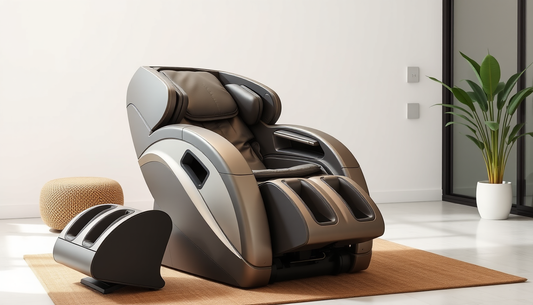
The leg unit deserves close attention. Enclosed calf-and-foot systems can provide a more immersive experience, combining air compression, rolling, kneading, and foot rollers. Open ottomans may offer easier entry and exit, which can be preferable for some older adults or users with limited mobility. Neither format is automatically better. The right choice depends on whether maximum lower-body coverage or effortless access is the priority.
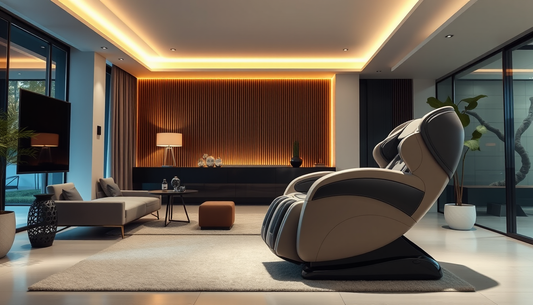
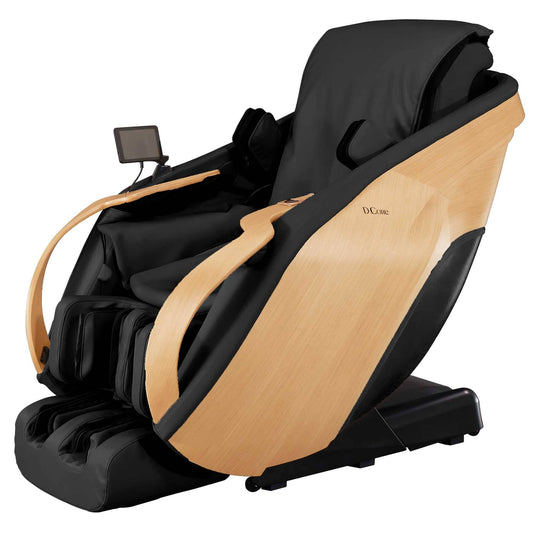
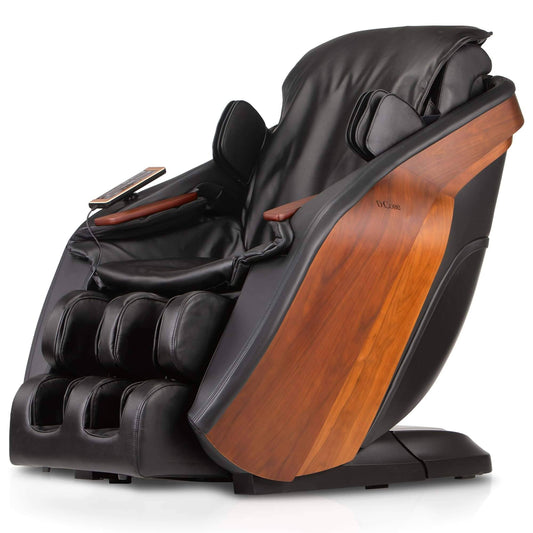
If possible, measure the intended room before purchasing. Account for the chair’s upright dimensions, full recline position, and the walking space needed around it. A deluxe chair should enhance a room, not dominate it. For upscale interiors, upholstery texture, color, arm styling, and the visual profile of the chair can carry real weight alongside performance specifications.
Choose Controls That Match Your Routine
An advanced chair should not require a manual every time you sit down. Buyers who want immediate relief after a long day often appreciate one-touch automatic programs, intuitive remotes, and clear intensity controls. Touchscreen remotes can create a polished, executive experience, while voice control may be useful when reclining makes a handheld controller less convenient.
Manual adjustment is still essential for shoppers who know exactly what they prefer. Check whether you can isolate regions such as the neck, shoulders, lumbar area, or glutes; change roller width and depth; and adjust airbag intensity separately from roller intensity. These controls make it easier to move from a gentle relaxation session to a more vigorous recovery-focused program without changing chairs.
Heat is another feature worth evaluating carefully. Heated massage functions can add comfort around the lumbar region, calves, or feet, but coverage and temperature control vary by model. Treat heat as a valuable complement to mechanical massage rather than a substitute for precise rollers and supportive ergonomics.
Materials, Craftsmanship, and Long-Term Ownership
A massage chair is a durable wellness investment with moving mechanisms, upholstery, electronics, and weight-bearing components. Premium construction is not only about appearance. It affects stability, comfort, longevity, and how confidently the chair performs over years of regular use.
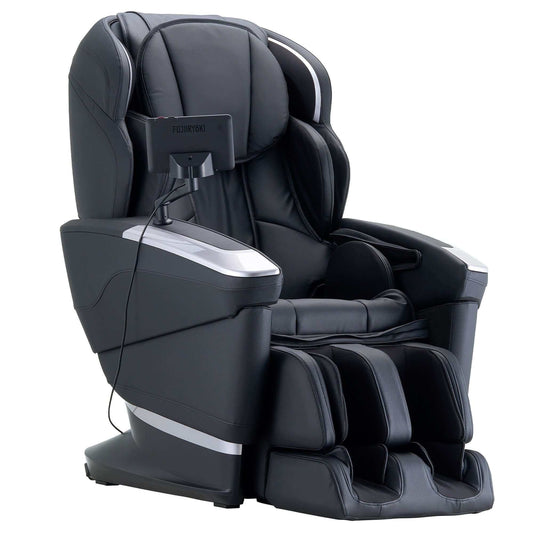
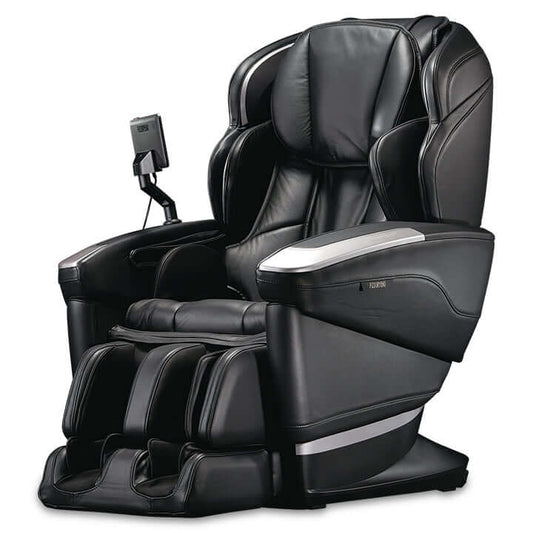
Made in Japan models are often sought for meticulous engineering, refined massage techniques, and disciplined quality standards. Ultra-premium chairs may also introduce flex-frame designs that allow the chair to accommodate natural body movement instead of holding the user in a rigid position. This can make stretching and twisting programs feel more controlled and comfortable.
Examine the details that are easy to overlook during feature comparisons: upholstery quality, remote placement, entry height, armrest comfort, motor sound, and the finish of visible components. Ask what warranty coverage includes and how service support is handled. The most advanced chair in a category is not necessarily the best value if its performance exceeds your needs while its scale or controls make daily use less appealing.
Set an Investment Level With Purpose
Entry-level premium chairs can provide meaningful features such as zero gravity, body scanning, heat, and full-body air compression. They can be an excellent choice for buyers who want a capable home massage experience without pursuing every advanced technology.
Mid-range and luxury models typically add stronger rollers, more sophisticated programs, longer tracks, improved materials, and more nuanced customization. At the ultra-premium level, buyers are often paying for exceptional engineering, advanced AI personalization, superior fit, elevated design, and an experience designed for frequent use.
Refurbished inventory can be an intelligent path to higher-tier technology at a more accessible investment. The value depends on the chair’s condition, included warranty, and the level of inspection behind the offering. For a commercial lounge, executive suite, or shared wellness space, commercial-grade durability and easy user operation may justify a different category altogether.
The best chair is the one you will use consistently. Choose the model that fits your body, your space, and the kind of restoration you want to make part of ordinary life - then let its engineering turn that decision into a daily ritual.
標籤:
以前的
Fujiiryoki Cyber Relax AI: A Slide-By-Slide Presentation of Full-Body Massage Techniques from Ankle to Wrist for Blood Flow, Fatigue Relief, and Mobility
下一個
Fujiiryoki Cyber Relax AI: A Presenter-Style Guide to Ankle-to-Wrist Full-Body Massage Techniques for Enhanced Blood Flow, Fatigue Relief, and Mobility