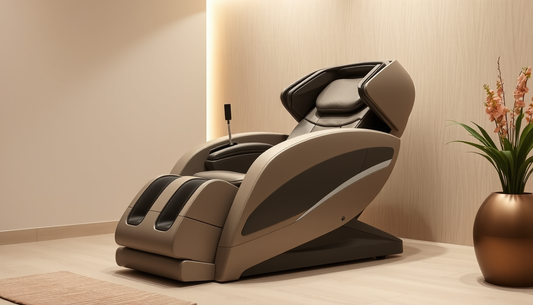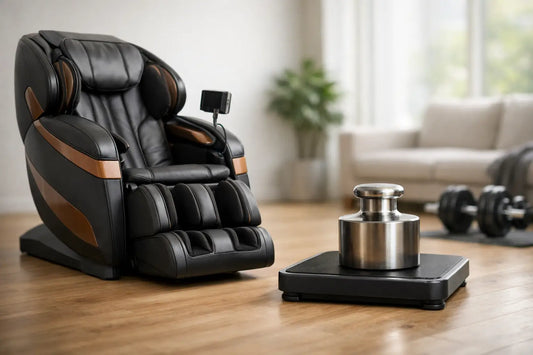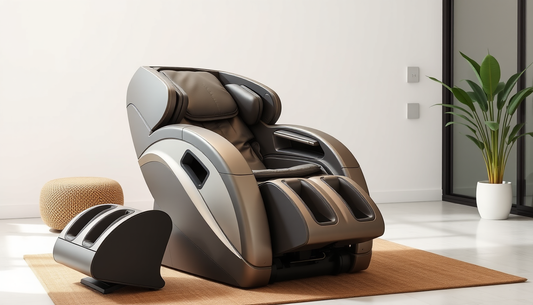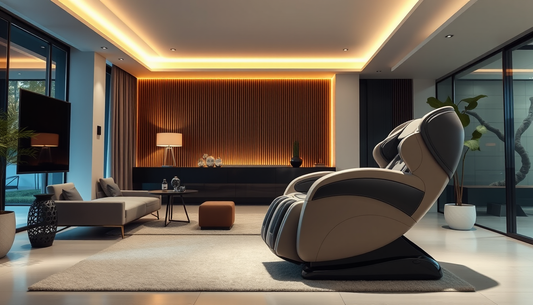
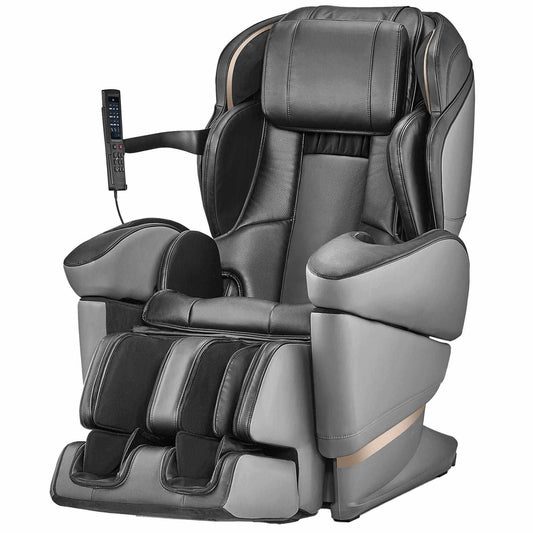

Massage Chair Buyer's Guide for Premium Comfort
A premium massage chair should do more than look impressive in a living room. It should deliver the type of recovery, comfort, and daily convenience that makes you want to use it consistently. This massage chair buyer's guide is designed for shoppers comparing advanced models and deciding which engineering details will matter most after the chair is in their home.
The right choice is rarely about selecting the chair with the longest feature list. A powerful deep-tissue system may be ideal for an athlete or executive who carries tension through the shoulders and lower back, while another buyer may prioritize quiet operation, calf coverage, heat, and an elegant profile that complements an upscale interior. Begin with how you want to feel after each session, then evaluate the technology built to create that result.
Massage Chair Buyer's Guide: Start With Your Goal
Think about where discomfort accumulates and when you expect to use the chair. If long desk hours leave your neck, shoulders, and hips tight, look for precise upper-body scanning, shoulder adjustment, and an SL track that follows the spine into the glutes. If you stand, travel, train, or spend extended hours on your feet, foot rollers, calf compression, stretching programs, and lower-body air massage can be equally valuable.
Frequency also changes the buying decision. A chair used for a short evening wind-down can favor gentle relaxation programs and intuitive controls. A chair used daily for recovery deserves more adjustability: multiple massage intensities, manual techniques, saved user preferences, and a broader range of targeted programs. Premium models are investments in repeated use, not occasional novelty.
Finally, decide whether you prefer a strong, therapeutic-style session or a quieter, lighter-touch experience. Deep tissue performance is compelling, but it is not automatically better for every body. The most versatile chair gives you enough range to move from an intense kneading session to a low-pressure relaxation program without feeling limited by its default setting.
Understand the Massage Technology That Shapes the Experience
Track design: S-track, SL track, and coverage
The massage track is the rail system that guides the rollers. An S-track follows the natural curve of the spine and concentrates its work across the back. An SL track combines that spinal contour with extended travel through the lower back and into the seat or glute area. For many buyers, this wider coverage is one of the clearest upgrades from a basic chair to a deluxe wellness system.
Track length alone does not tell the whole story. Roller design, body scanning, and the chair's ability to maintain contact at the lumbar region influence whether a session feels precise or generic. Taller users should pay particular attention to maximum shoulder height and leg extension, while petite users benefit from accurate body scanning and adjustable shoulder positions.
3D, 4D, and 5D massage systems
Traditional rollers move up and down, side to side, and along the depth of the back. A 3D system adds depth adjustment, allowing rollers to press farther outward for a more pronounced massage. This is particularly useful for buyers who want focused work around the shoulder blades and lower back.
A 4D massage system adds rhythm and speed variation to the roller movement. Instead of repeating a uniform pattern, it can create a more nuanced kneading, tapping, or shiatsu-style sensation. The benefit is not simply intensity. It is a more natural cadence that can make a session feel less mechanical.
5D AI massage chairs take personalization further by using intelligent body detection, adaptive programs, and more advanced adjustments during the session. These systems appeal to buyers who want the chair to respond to their body rather than requiring frequent manual refinement. Still, a well-engineered 4D chair can be an exceptional choice when its roller mechanics, programs, and ergonomic fit align with your needs.
Air massage, foot rollers, and stretching
Rollers do the detailed work, while airbags and compression chambers shape the full-body experience. Air massage can gently secure the shoulders, arms, calves, and feet while supporting twists, stretches, and rhythmic compression. It is especially valuable for buyers seeking a more enveloping session rather than back massage alone.
Foot massage systems vary significantly. Look beyond the presence of foot rollers and consider calf coverage, adjustable ottoman length, air compression, and intensity controls. A strong foot system can be transformative after long days on your feet, but it should be adjustable enough to remain comfortable during regular use.
Zero Gravity, Heat, and Ergonomic Positioning
Zero gravity recline elevates the legs and redistributes body weight to reduce pressure through the back. It also helps the rollers maintain consistent contact with the body. For many premium buyers, this position turns a good massage into a more immersive recovery ritual.
Do not assume every zero gravity position feels identical. The angle of recline, seat contour, footrest extension, and head pillow all affect comfort. If the chair will be placed close to a wall, check its space-saving recline requirement before purchase. A chair may have a compact wall-clearance design, yet still need meaningful floor space when fully extended.
Heat is another feature worth evaluating closely. Basic lumbar warmth can be pleasant, while more advanced heated massage systems may extend warmth to the back, seat, calves, or feet. Heat can make a session feel more restorative, particularly when paired with slow kneading or air compression, but it should complement the massage mechanics rather than substitute for them.
Measure Your Room Before Falling for the Features
A luxury massage chair is both wellness equipment and a substantial piece of furniture. Measure the intended location, nearby walkways, ceiling clearance if the space is compact, and the room required behind and in front of the chair during recline. Also consider delivery access: stairs, elevators, door widths, narrow halls, and tight corners can affect installation planning.
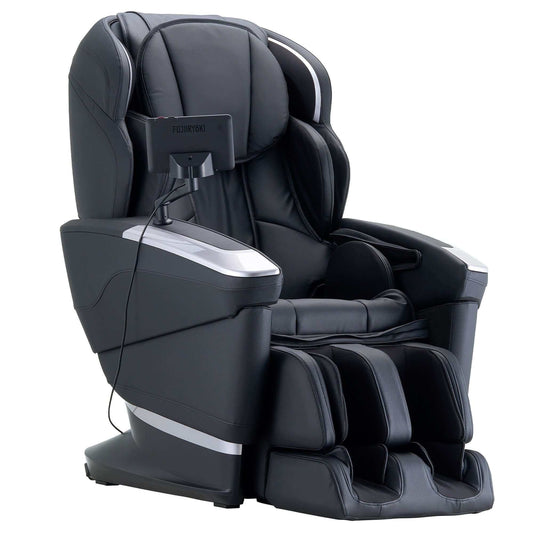
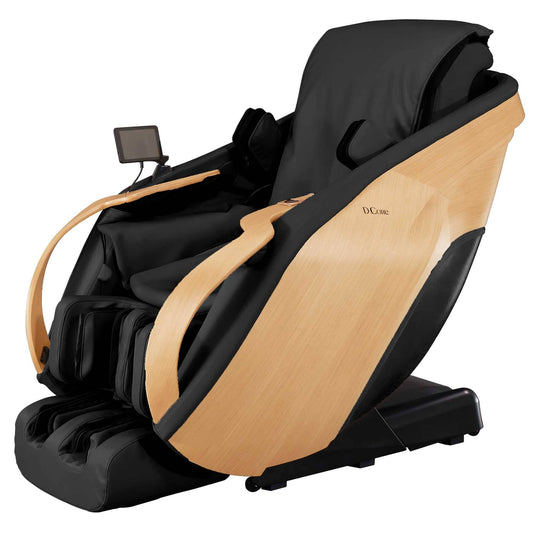
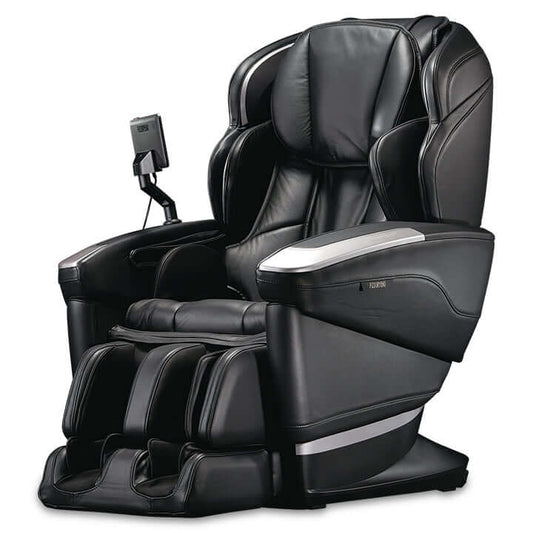
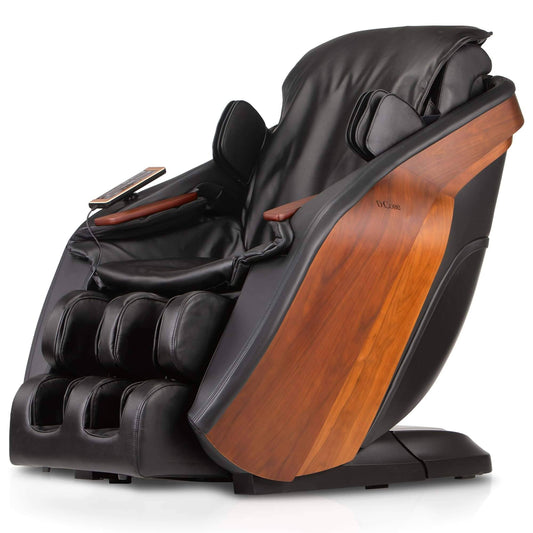
Visual fit matters, too. Executive editions and Made in Japan models often bring refined upholstery, sculpted shells, and polished controls that suit a dedicated wellness room, home office, or primary suite. If the chair will occupy a central living space, choose a profile and finish that feel intentional rather than oversized.
Noise is often overlooked until after delivery. Premium chairs are generally designed for composed, quiet operation, but air pumps, rollers, and foot mechanisms still create sound. A chair near a bedroom, media room, or shared office should be selected with that environment in mind.
Set a Budget Around Engineering, Not Marketing
Massage chairs span a broad range of price points because the underlying construction varies widely. Entry-level chairs can offer welcome relaxation and basic zero gravity positioning. Mid-tier models often introduce longer tracks, stronger roller systems, body scanning, and more complete calf and foot massage. Ultra-premium chairs justify their position with sophisticated roller technology, AI personalization, refined materials, stronger structural engineering, and a more complete ownership experience.
A higher price is most worthwhile when it corresponds to features you will use. A buyer who values deep shoulder work, calf recovery, and custom programs may benefit substantially from a 4D or 5D model. Someone seeking gentle evening relaxation may be better served by a thoughtfully selected chair with fewer advanced modes and superior everyday comfort.
Value-driven premium shoppers should also consider refurbished inventory when available. A professionally prepared unit can provide access to elevated engineering at a more attainable price. The key is understanding the chair's condition, warranty coverage, included service, and delivery terms before making the comparison.
Look Beyond the Demo Program
A showroom-style demonstration or product video can highlight a chair's signature program, but ownership depends on the details you use repeatedly. Examine the remote or touchscreen interface. Can you quickly adjust roller position, intensity, air pressure, heat, and recline? Are manual settings easy to access when an automatic program gets close but not quite right?
Also consider construction quality, warranty support, and the retailer's expertise. A premium massage chair has moving mechanisms, electronics, upholstery, and user-specific settings. Buying from a specialist such as Fujiiryoki USA gives shoppers a curated path across luxury, zero gravity, SL track, 4D, 5D, and commercial-grade categories rather than forcing every need into one generic model.
If you have a medical condition, recent surgery, circulation concerns, osteoporosis, pregnancy, or persistent pain, speak with a qualified healthcare professional before using intensive massage or stretching programs. A massage chair can support comfort and recovery routines, but it is not a substitute for medical evaluation.
Choose the Chair You Will Actually Use
The most rewarding purchase is the chair that fits your body, home, and routines so naturally that a 15-minute session becomes part of the day. Prioritize the massage feel first, then confirm the track, recline, fit, controls, and finish support that experience. When the engineering matches the way you recover, a premium massage chair becomes less like a luxury accessory and more like a private place to reset.
标签:
以前的
Fujiiryoki Cyber Relax AI:从脚踝到手腕的针对性全身按摩技法——以演示文稿形式解析血液循环、缓解疲劳与提升柔韧性
下一个
Fujiiryoki Cyber Relax AI: A Slide-By-Slide Presentation of Full-Body Massage Techniques from Ankle to Wrist for Blood Flow, Fatigue Relief, and Mobility