
Choosing a Massage Chair for a Recovery Room
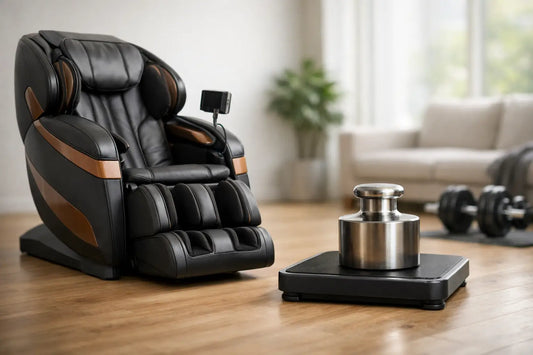
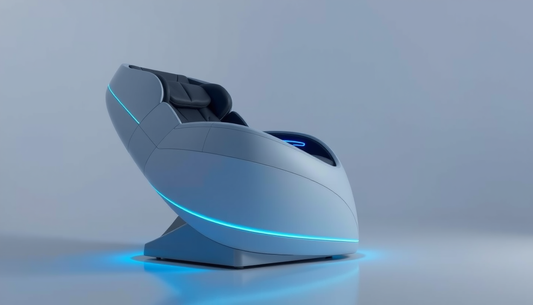
A recovery room should do more than look calm. It should give the body a dependable place to transition from demanding workdays, hard training sessions, travel, or long hours on your feet into genuine rest. The right massage chair for recovery room use can make that space more purposeful, combining targeted massage technology, supportive positioning, and a polished furniture-grade presence.
For a premium home, this is not simply a question of adding another comfortable seat. It is about selecting a wellness system that feels appropriate for daily use, fits the room's scale, and delivers the type of massage experience you will actually return to.
Start With the Recovery You Want to Support
“Recovery” means different things in different households. An executive may want to decompress after consecutive video calls and a commute. A dedicated golfer or cyclist may prioritize lower-body work after training. Another buyer may be furnishing a quiet space for gentle evening relaxation and better wind-down habits.
That distinction matters because massage chairs vary widely in their strengths. A chair centered on deep tissue performance can be exceptional for dense muscle tension, but it may feel too intense for someone who prefers a softer, restorative session. A model with extensive stretch programming may suit users who spend much of the day seated, while a chair with strong calf and foot massage can be especially valuable after walking, standing, or exercise.
Before comparing feature lists, decide what a successful 15- to 30-minute session should feel like. Relief in the shoulders and lower back? A full-body reset after activity? Calmer evenings without leaving home? That answer will guide every worthwhile specification.
What a Massage Chair for a Recovery Room Needs
Premium massage chairs are designed around more than a collection of motors. The most rewarding models coordinate body measurement, massage technique, recline angle, air compression, and heat into one considered experience. For recovery-room placement, several features deserve particular attention.
Body scanning and massage precision
A body scan helps the chair identify shoulder height, spinal position, and the areas where the rollers should travel. This is one of the clearest divides between a basic vibration chair and a sophisticated massage system. When roller placement is accurate, kneading, tapping, rolling, and focused techniques can feel intentional rather than generalized.
Look for adjustment options as well. Even an advanced scan benefits from manual shoulder-position control and intensity settings, especially in a household with more than one user. Precision is not only about automation. It is also about having the ability to make the chair feel right for your body on a particular day.
SL-track coverage
An SL track follows the natural curve of the back and continues beneath the seat toward the glutes and upper hamstrings. For many recovery rooms, this is a high-value feature because tightness is rarely limited to the upper back. Long periods of sitting, lifting, and training often create fatigue through the lumbar area, hips, and glutes as well.
Track length alone does not guarantee a superior massage. Roller depth, programming, and chair ergonomics matter just as much. Still, an SL-track design provides broader coverage and a more complete session than chairs limited to the upper back.
Zero gravity positioning
Zero gravity recline elevates the legs and distributes body weight more evenly across the chair. The position can reduce pressure points and allow the massage rollers to maintain consistent contact along the back. It also gives a recovery room an immediate sense of retreat: settle in, recline, and let the chair do the work.
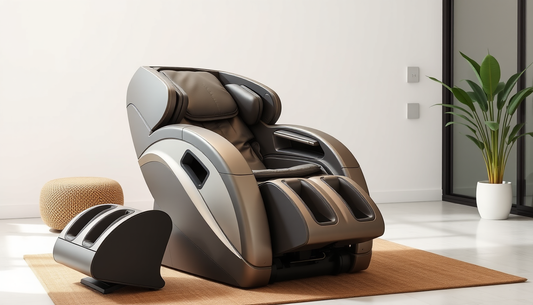
For shoppers with limited space, check the wall-clearance requirement rather than assuming a zero gravity chair needs a large footprint. Space-saving recline mechanisms can move the chair forward as it reclines, allowing a premium model to work in a den, bedroom, executive office, or dedicated wellness room with less clearance behind it.
Heat, compression, and lower-body care
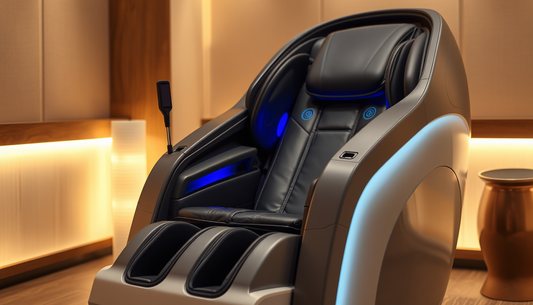
Heated massage can bring welcome comfort to the lumbar area, back, or calves, depending on the model. It is not a replacement for clinical treatment, but warmth paired with massage can make a recovery session feel more relaxing and help users settle into the chair.
Aircell compression is equally relevant. Strategically placed airbags can gently hold and release the shoulders, arms, hips, calves, and feet. This creates a different sensation from roller massage and contributes to a more enveloping full-body experience. For active users, calf and foot programs may be among the most-used features in the chair.
4D and 5D Technology: Choose Control, Not Just a Label
A 4D massage chair generally adds control over roller speed, rhythm, and depth, producing a massage that can feel more nuanced than conventional fixed-pattern programs. For buyers who prefer a slower, deeper approach across the back, this added dimension can be meaningful. A well-calibrated 4D system can alternate between gentle relaxation and more assertive muscle work without feeling mechanical.
5D AI massage systems take personalization further by using advanced sensing and programming to adapt a session more dynamically. These ultra-premium designs can appeal to buyers who expect their wellness equipment to feel tailored rather than repetitive.
Neither designation automatically makes a chair right for every recovery room. A highly advanced chair may offer more customization than a casual user needs, while a thoughtfully engineered 3D or 4D model may deliver the ideal balance of performance and value. The better question is whether the available programs, roller range, and adjustments match how often you plan to use the chair.
Match the Chair to the Room, Not Just the Spec Sheet
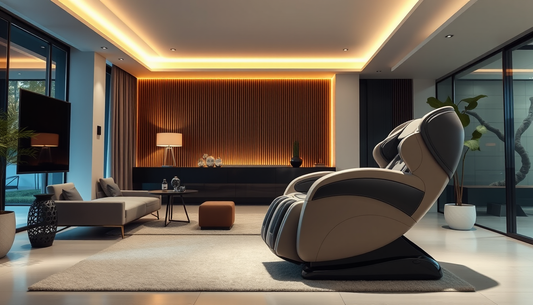
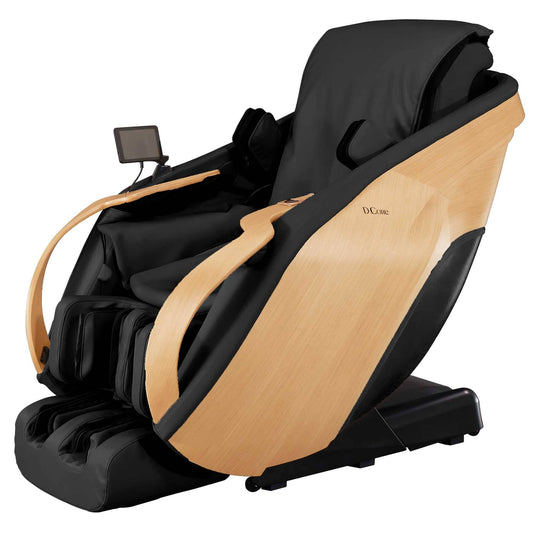
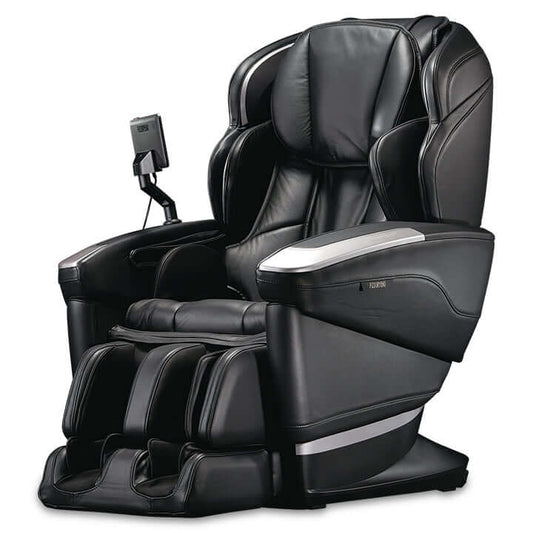
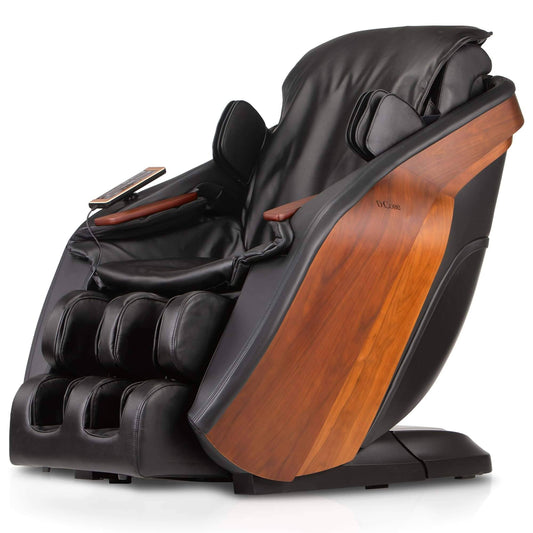
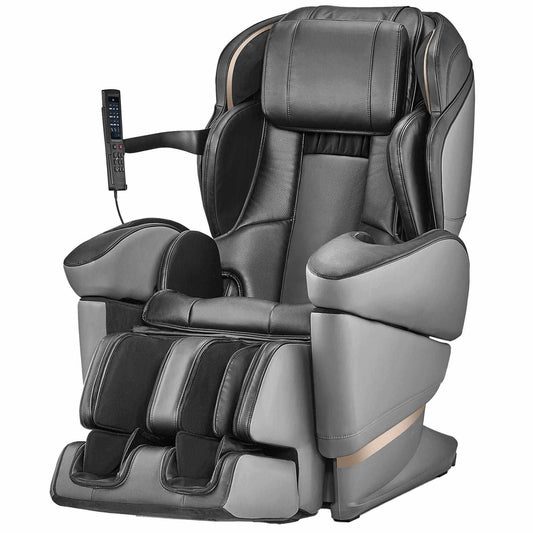
A massage chair is substantial visual furniture. In a recovery room, its finish, silhouette, and access around the chair deserve the same attention as the massage system itself. Measure the chair's upright dimensions, fully reclined dimensions, and required walkway space. Account for door frames, stairwells, elevators, and the delivery path before making a final decision.
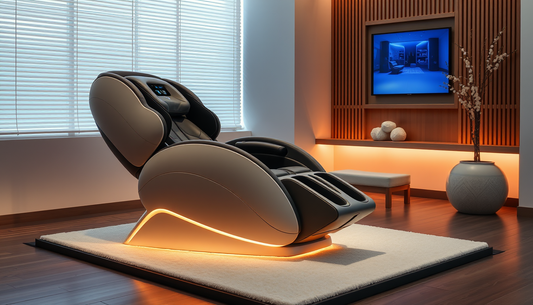
The room should support the ritual. A quiet corner with softer lighting, a small side surface for water, and enough open space to recline comfortably will make the chair more inviting. Avoid placing it where it becomes an obstacle or where high traffic interrupts the experience.
Aesthetic fit matters, particularly in refined interiors. Some chairs present a technical, performance-oriented look, while others use more restrained upholstery and executive styling. The best choice should feel at home with the surrounding finishes rather than like an appliance placed in the middle of a living space.
Consider Who Will Use It and How Often
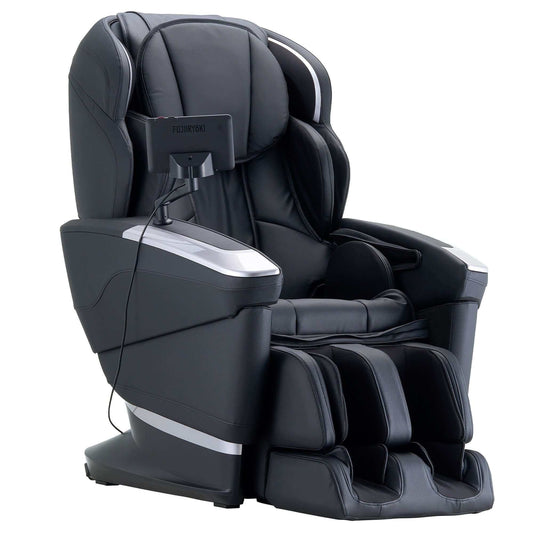
The ideal chair for one primary user may differ from the best chair for a family. If several adults will use it, prioritize easy body scanning, memory settings where available, and clear remote controls. A touchscreen controller can offer a more polished interface and quick access to focused programs, while a simpler remote may be preferable for users who want straightforward operation.
Frequency should also influence your investment. A chair used most evenings benefits from durable upholstery, dependable mechanics, advanced adjustability, and a massage experience that remains satisfying over time. For occasional use, a more accessible premium model may be the wiser allocation of budget.
This is where a curated specialist selection has value. Fujiiryoki USA offers categories that allow shoppers to compare Made in Japan craftsmanship, zero gravity comfort, SL-track coverage, 4D performance, and ultra-premium AI technology without treating every massage chair as interchangeable.
Set Realistic Expectations for Wellness Use
A massage chair can be an exceptional part of an at-home recovery routine, but it should complement sensible habits rather than carry the entire burden. Hydration, sleep, mobility work, appropriate training volume, and medical guidance when needed still matter. People with injuries, recent surgery, circulation concerns, pregnancy, implanted medical devices, or ongoing pain should speak with a qualified healthcare professional before using massage or heat functions.
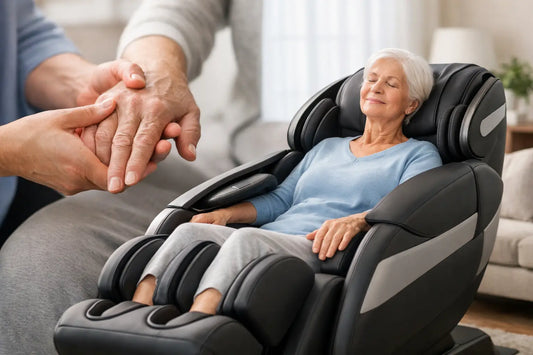
For everyday tension and fatigue, consistency often delivers more value than intensity. A moderate session after work may be more useful than waiting until discomfort becomes severe and selecting the strongest program. The best chair invites that consistency because it is comfortable, intuitive, and ready when the day is done.
A well-chosen recovery room chair becomes part of the home's rhythm: a place to reset between responsibilities, restore after movement, and take a deliberate pause before the next demand arrives.
Tags:
Trước
Fujiiryoki Cyber Relax AI: A Presenter-Style Guide to Targeted Full-Body Massage (Ankles to Wrists) — Swedish, Deep Tissue, Trigger Point, Acupressure, and Kneading for Blood Flow, Fatigue Relief, and Mobility
Kế tiếp
Fujiiryoki Cyber Relax AI: A Hands-On Presentation of Full-Body Massage Techniques for Blood Flow, Fatigue Relief, and Enhanced Mobility