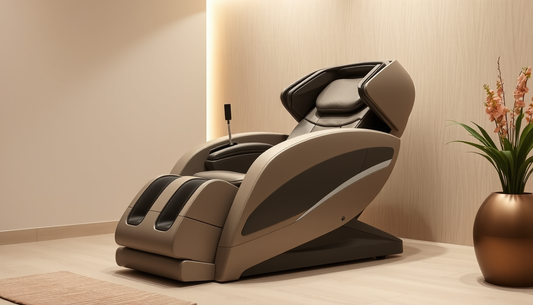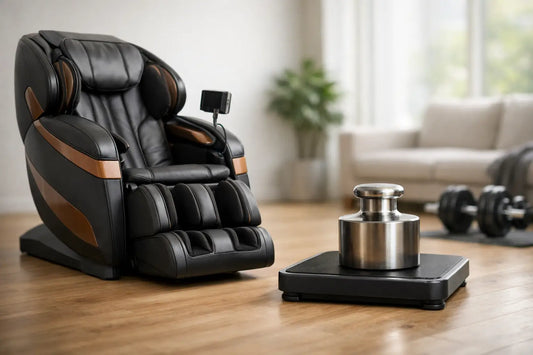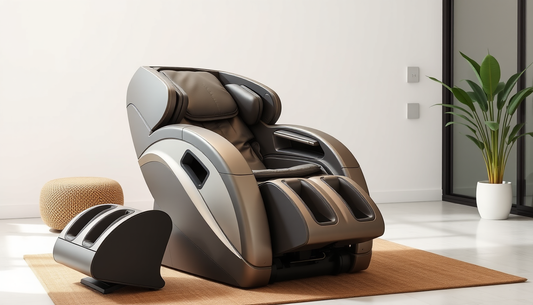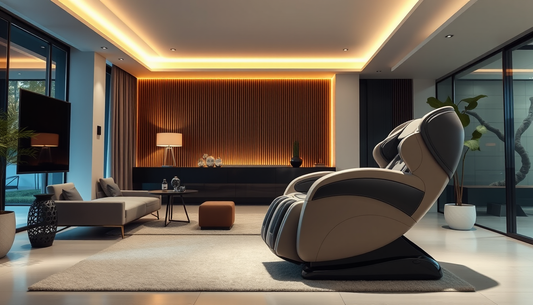
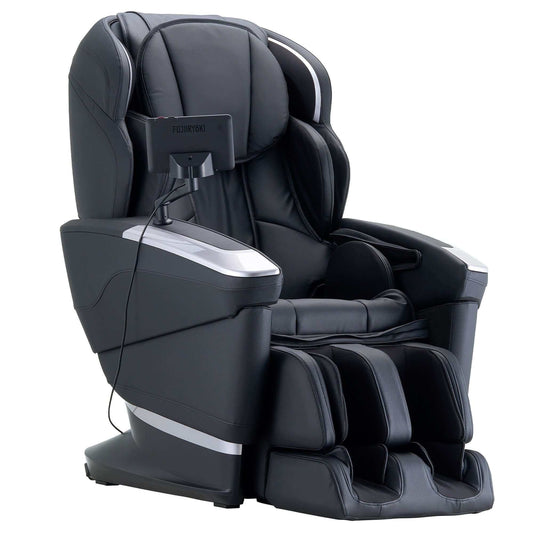
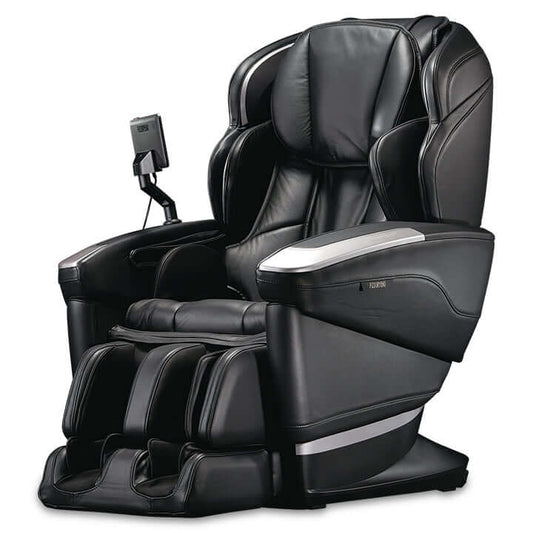
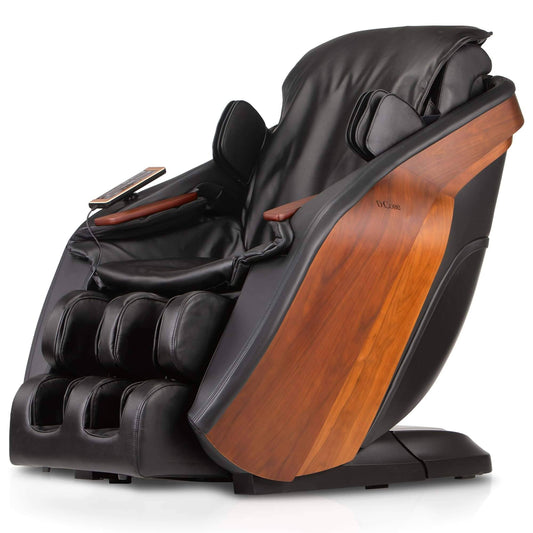
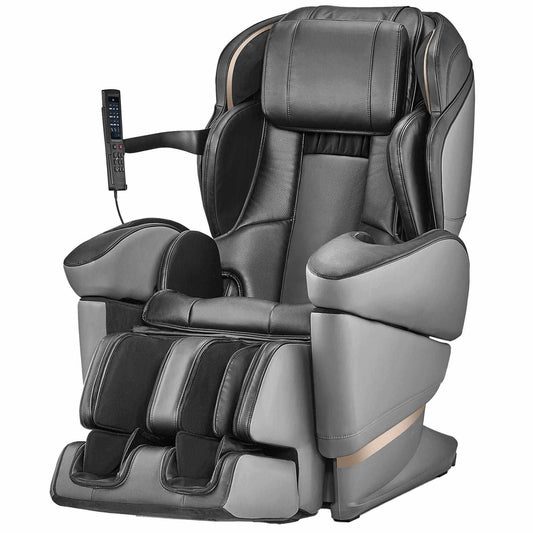

Fujiiryoki Cyber Relax AI: A Slide-By-Slide Presentation of Full-Body Massage Techniques from Ankle to Wrist for Blood Flow, Fatigue Relief, and Mobility
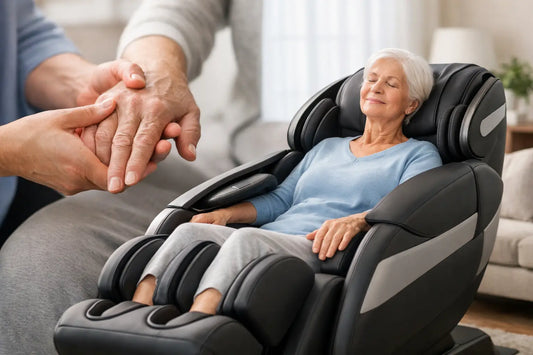
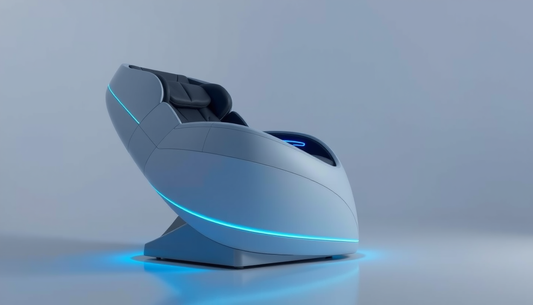
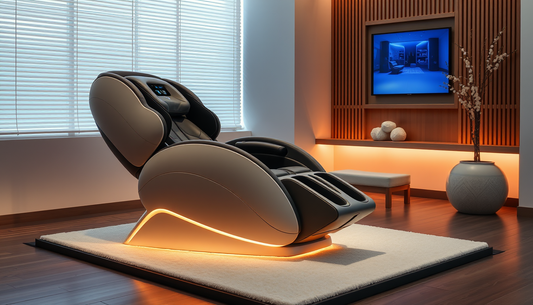
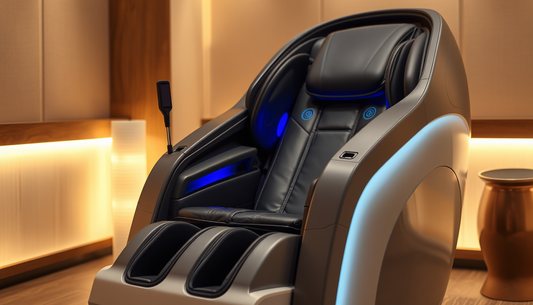
Welcome to a comprehensive, SEO-friendly deep dive into Fujiiryoki's Cyber Relax AI, a massage chair that choreographs a slide-by-slide full-body sequence from ankle to wrist. This guide not only describes each stage, but explains how the AI selects and blends massage techniques to optimize blood flow, relieve fatigue, improve mobility, and support recovery. Whether you are new to Cyber Relax AI or an existing user aiming to maximize benefits, this extended presentation provides practical context, science-backed insights, and actionable tips for daily use.
Overview: What makes the Cyber Relax AI slide-by-slide format effective?
The slide-by-slide approach mirrors a therapist-guided session, with each segment focusing on a distinct region and a tailored combination of techniques. By sequencing regions in a logical progression—starting at the ankles and moving upward—the system promotes systemic circulation, supports posture, and reduces compensatory strain. This section summarizes the core philosophy behind the design, including AI-driven personalization, safety safeguards, and how to interpret the on-screen guidance for maximum results.
- AI personalization: Senses, profiles, and adjustable intensity to suit your body and goals.
- Technique fusion: A deliberate blend of Swedish, Deep Tissue, Trigger Point, Acupressure, Shiatsu, Reflexology, and Kneading to target both superficial and deep tissue layers.
- Regional progression: A cohesive sequence that aligns with natural lymphatic and circulatory pathways for optimal blood flow.
- Practical usage: Guidance on session length, frequency, and posture to amplify benefits.
Slide 1 — Ankle
Targeting the ankle joint and surrounding tissues helps support circulation, mobility, and the first step toward systemic relief. The ankle is a hinge point for gait, balance, and venous return, so a strong focus here can ripple upward through the kinetic chain.
- Techniques used:
- Swedish Massage
- Deep Tissue Massage
- Trigger Point Massage
- Acupressure
- Shiatsu Massage
- Reflexology
- Kneading
- Benefits:
- Blood Flow Control
- Fatigue Relief
- Flexibility Improvement
- Injury Recovery
- Muscle Therapy
- Pain Relief
- Tissue Therapy
- Optimization tips:
- Session duration per region: 3–6 minutes; adjust based on comfort.
- Keep a relaxed breathing pattern to enhance tissue oxygenation.
- Lightly flex ankles before and after to encourage range of motion.
Slide 2 — Back
The back segment targets the thoracic and lower-back regions to ease muscular tension, support posture, and improve overall spine comfort. This area often carries daily stress and ergonomic strain, so a thoughtful sequence here can unlock noticeable relief.
- Techniques used:
- Swedish Massage
- Deep Tissue Massage
- Trigger Point Massage
- Acupressure
- Shiatsu Massage
- Reflexology
- Kneading
- Benefits:
- Blood Flow Control
- Fatigue Relief
- Flexibility Improvement
- Injury Recovery
- Muscle Therapy
- Pain Relief
- Spine Alignment
- Stress Relief
- Tissue Therapy
- Optimization tips:
- Maintain half-upright posture to reduce thoracic compression.
- Focus on slow, deep breaths to maximize relaxation.
- Adjust shoulder support to prevent pinching in the upper back.
Slide 3 — Calf
The calves carry a large portion of daily load and muscle fiber recruitment, so targeted work here supports venous return and reduces postural fatigue for many desk-based routines.
- Techniques used:
- Swedish Massage
- Deep Tissue Massage
- Trigger Point Massage
- Acupressure
- Shiatsu Massage
- Reflexology
- Kneading
- Benefits:
- Blood Flow Control
- Fatigue Relief
- Flexibility Improvement
- Injury Recovery
- Muscle Therapy
- Pain Relief
- Tissue Therapy
- Optimization tips:
- Alternate between light kneading and deeper pressure to avoid overwhelming the muscle.
- Monitor for signs of vascular discomfort and adjust pressure accordingly.
- Consider calf stretching between sessions to complement massage.
Slide 4 — Feet
The feet house complex tissue structures; addressing the plantar fascia, arches, and toes enhances comfort, balance, and gait efficiency. Proper care here can translate to more stable standing and walking mechanics.
- Techniques used:
- Swedish Massage
- Deep Tissue Massage
- Trigger Point Massage
- Acupressure
- Shiatsu Massage
- Reflexology
- Kneading
- Benefits:
- Blood Flow Control
- Fatigue Relief
- Flexibility Improvement
- Injury Recovery
- Muscle Therapy
- Pain Relief
- Tissue Therapy
- Optimization tips:
- Pay attention to plantar fascia tension; adjust pressure to avoid overstimulation.
- Use toe flexors as a quick warm-up before longer sessions.
- Combine with arch-support exercises for ongoing benefits.
Slide 5 — Hands
The hands and wrists bear daily tasks; massaging these regions can improve dexterity, reduce stiffness, and support fine motor control for work and activities of daily living.
- Techniques used:
- Swedish Massage
- Deep Tissue Massage
- Trigger Point Massage
- Acupressure
- Shiatsu Massage
- Reflexology
- Kneading
- Benefits:
- Blood Flow Control
- Fatigue Relief
- Flexibility Improvement
- Injury Recovery
- Muscle Therapy
- Pain Relief
- Tissue Therapy
- Optimization tips:
- Take micro-breaks to shake out the wrists after sessions.
- Pair with hand and finger stretches to maximize mobility.
- Adjust grip intensity based on fatigue level.
Slide 6 — Head
The scalp and cranium respond well to gentle, diffuse pressure that promotes relaxation, improves sleep quality, and reduces tension headaches. This segment supports mental clarity and overall stress resilience.
- Techniques used:
- Swedish Massage
- Deep Tissue Massage
- Trigger Point Massage
- Acupressure
- Shiatsu Massage
- Reflexology
- Kneading
- Benefits:
- Blood Flow Control
- Fatigue Relief
- Stress Relief
- Flexibility Improvement
- Muscle Therapy
- Pain Relief
- Optimization tips:
- Keep the neck supported to prevent strain.
- Use slower pacing for deeper relaxation.
- Avoid excessive heat around the scalp if you have sensitive skin.
Slide 7 — Heel
The heel region supports impact absorption; targeted work aids in gait efficiency, reduces plantar pressure, and contributes to overall comfort during movement.
- Techniques used:
- Swedish Massage
- Deep Tissue Massage
- Trigger Point Massage
- Acupressure
- Shiatsu Massage
- Reflexology
- Kneading
- Benefits:
- Blood Flow Control
- Fatigue Relief
- Flexibility Improvement
- Injury Recovery
- Muscle Therapy
- Pain Relief
- Stress Relief
- Optimization tips:
- Apply gentle compression to support plantar tissues.
- Integrate calf stretches post-session to sustain gains.
- Hydrate well to promote tissue recovery.
Slide 8 — Knee
The knee is a hinge joint that benefits from balanced soft-tissue work around quadriceps, hamstrings, and surrounding ligaments to support range of motion and stability.
- Techniques used:
- Swedish Massage
- Deep Tissue Massage
- Trigger Point Massage
- Acupressure
- Shiatsu Massage
- Reflexology
- Kneading
- Benefits:
- Blood Flow Control
- Fatigue Relief
- Flexibility Improvement
- Injury Recovery
- Muscle Therapy
- Pain Relief
- Stress Relief
- Optimization tips:
- Focus on patellar tracking cues to avoid joint strain.
- Combine with gentle leg extensions for mobility support.
- Consider supportive footwear post-session for continued benefits.
Slide 9 — Legs
The legs receive a comprehensive stimulation to boost circulation, lymphatic drainage, and overall vitality. This broad region includes the thighs, calves, and hamstrings for a harmonious, energizing effect.
- Techniques used:
- Swedish Massage
- Deep Tissue Massage
- Trigger Point Massage
- Acupressure
- Shiatsu Massage
- Reflexology
- Kneading
- Benefits:
- Blood Flow Control
- Fatigue Relief
- Flexibility Improvement
- Injury Recovery
- Muscle Therapy
- Pain Relief
- Spine Alignment
- Optimization tips:
- Coordinate with light cardio or walking after long periods of inactivity.
- Don’t rush: spend a few extra minutes if the muscle feels particularly tight.
- Keep your feet parallel to the ceiling to maximize posterior chain engagement.
Slide 10 — Neck
The neck is a high-tension area for many people. This slide emphasizes gentle, supportive work on cervical muscles and tension points to relieve stiffness and improve posture support.
- Techniques used:
- Swedish Massage
- Deep Tissue Massage
- Trigger Point Massage
- Acupressure
- Shiatsu Massage
- Reflexology
- Kneading
- Benefits:
- Blood Flow Control
- Fatigue Relief
- Flexibility Improvement
- Injury Recovery
- Muscle Therapy
- Pain Relief
- Stress Relief
- Optimization tips:
- Keep shoulders back and chin aligned to support spinal posture.
- Apply mild pressure to avoid aggravating any neck-related pain.
- Incorporate neck mobility exercises after sessions for lasting gains.
Slide 11 — Shoulder
The shoulder girdle, deltoids, and upper back are common sources of stiffness. Focused work here improves mobility, reduces tension, and supports better posture during daily activities and workouts.
- Techniques used:
- Swedish Massage
- Deep Tissue Massage
- Trigger Point Massage
- Acupressure
- Shiatsu Massage
- Reflexology
- Kneading
- Benefits:
- Blood Flow Control
- Fatigue Relief
- Flexibility Improvement
- Injury Recovery
- Muscle Therapy
- Pain Relief
- Spine Alignment
- Stress Relief
- Optimization tips:
- Open chest posture during back-to-front strokes to maximize shoulder flexibility.
- Use slower pressure progression to avoid overloading the rotator cuff.
- Pair with gentle mobility moves for enhanced range of motion.
Slide 12 — Thigh
The thighs house large muscle groups (quadriceps and hamstrings) essential for leg power, kinetic energy, and overall mobility. Targeting these muscles helps with strength balance and circulation.
- Techniques used:
- Swedish Massage
- Deep Tissue Massage
- Trigger Point Massage
- Acupressure
- Shiatsu Massage
- Reflexology
- Kneading
- Benefits:
- Blood Flow Control
- Fatigue Relief
- Flexibility Improvement
- Injury Recovery
- Muscle Therapy
- Pain Relief
- Tissue Therapy
- Optimization tips:
- Use periodic, longer strokes to loosen deep muscle bands.
- Aftercare: gentle walking to encourage metabolic waste removal.
- Combine with leg-strengthening routines for balanced progress.
Slide 13 — Whole Body
The whole-body slide integrates a balanced sequence across regions to promote systemic circulation, coordinated mobility, and an enhanced sense of well-being. This combined approach leverages the synergy of all techniques for a holistic session.
- Techniques used:
- Swedish Massage
- Deep Tissue Massage
- Trigger Point Massage
- Acupressure
- Shiatsu Massage
- Reflexology
- Kneading
- Benefits:
- Blood Flow Control
- Fatigue Relief
- Flexibility Improvement
- Injury Recovery
- Muscle Therapy
- Pain Relief
- Spine Alignment
- Stress Relief
- Tissue Therapy
- Optimization tips:
- Treat whole-body sessions as a weekly reset to maintain balance.
- Follow with hydration and light stretching to reinforce gains.
- Track progress in a session log to tailor future sequences.
Slide 14 — Wrist
The final segment closes the loop with focused attention on the wrists and forearm muscles, supporting daily activities such as typing, gripping, and fine motor tasks.
- Techniques used:
- Swedish Massage
- Deep Tissue Massage
- Trigger Point Massage
- Acupressure
- Shiatsu Massage
- Reflexology
- Kneading
- Benefits:
- Blood Flow Control
- Fatigue Relief
- Flexibility Improvement
- Injury Recovery
- Muscle Therapy
- Pain Relief
- Tissue Therapy
- Optimization tips:
- Keep wrists in natural neutral alignment to avoid strain.
- Pause and rotate hands gently to distribute pressure evenly.
- Pair with hand mobility routines for daily function.
With the Cyber Relax AI, Fujiiryoki provides a guided, region-by-region approach that aligns massage techniques with precise therapeutic benefits. This extended slide-by-slide format helps users understand how each body part can benefit from a tailored combination of Swedish, Deep Tissue, Trigger Point, Acupressure, Shiatsu, Reflexology, and Kneading techniques, delivering a comprehensive full-body experience aimed at enhancing blood flow, reducing fatigue, and supporting mobility. The integration of AI allows for personalization, session recalls, and safety-aware adjustments that keep you moving toward your fitness and recovery goals.
Tags:
Trước
Massage Chair Buyer's Guide for Premium Comfort
Kế tiếp
Massage Chair Buyer Guide for Premium Comfort