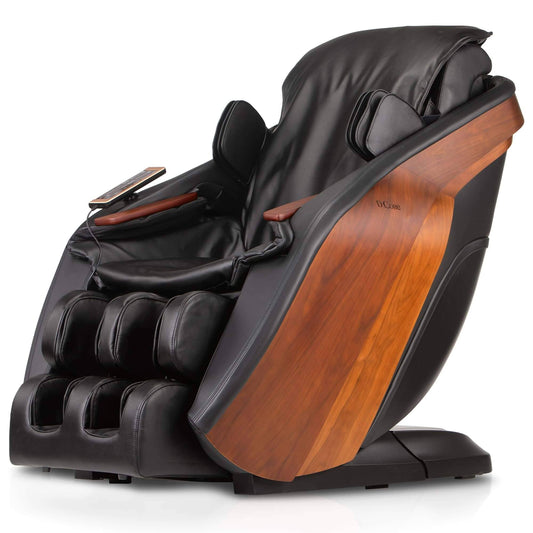

Massage Chair for Circulation: A Practical Buyer’s and User’s Guide
Searching for a massage chair for circulation often starts with a simple question: can a massage chair make your legs or body feel more comfortable after a long day of sitting or standing? The answer depends on what you mean by “circulation,” your personal needs, and the features in the chair. A massage chair is a comfort product—not a medical treatment—and its effects vary from person to person.
This guide explains what massage chairs do, which features to compare, how to try one thoughtfully, and when it makes sense to ask a healthcare professional for advice. The goal is to help you choose based on fit and comfort, rather than promises a product may not be able to substantiate.
What to Know About a Massage Chair for Circulation
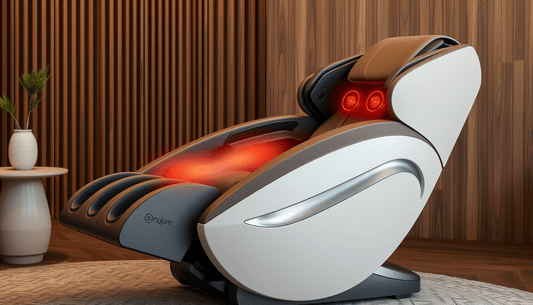
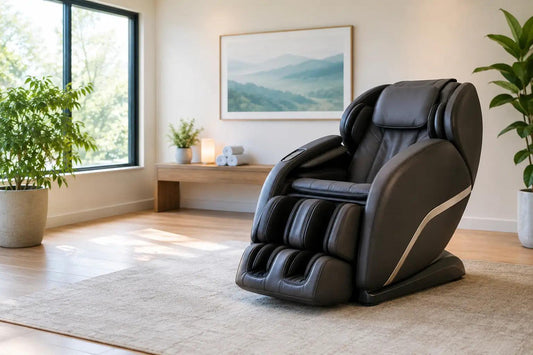
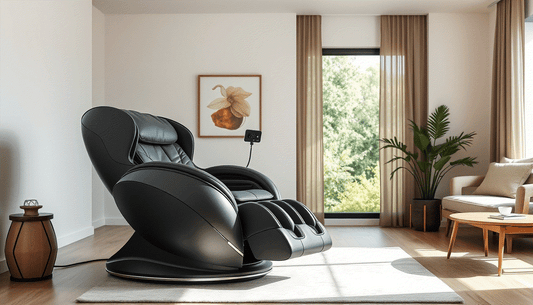
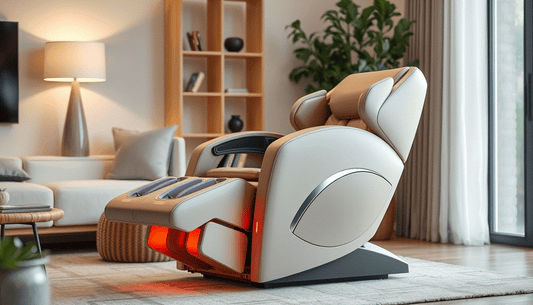
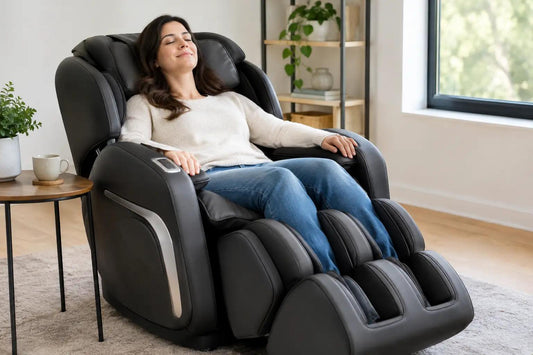
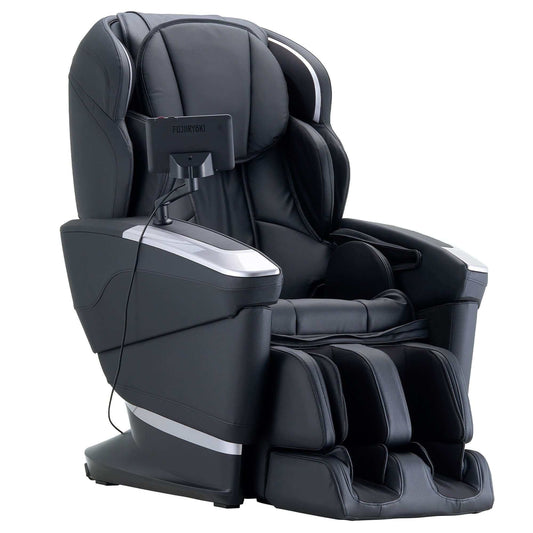
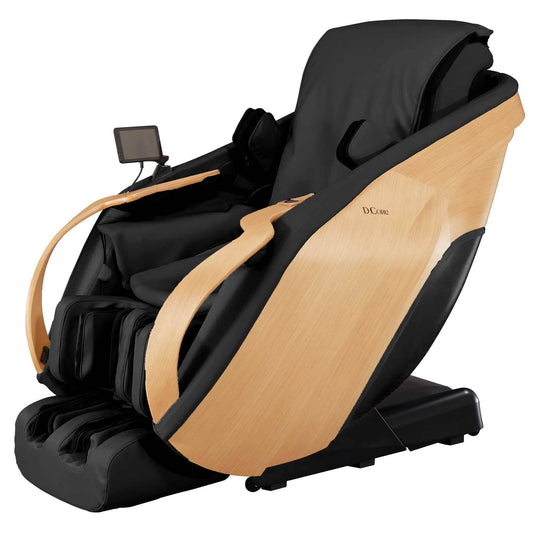
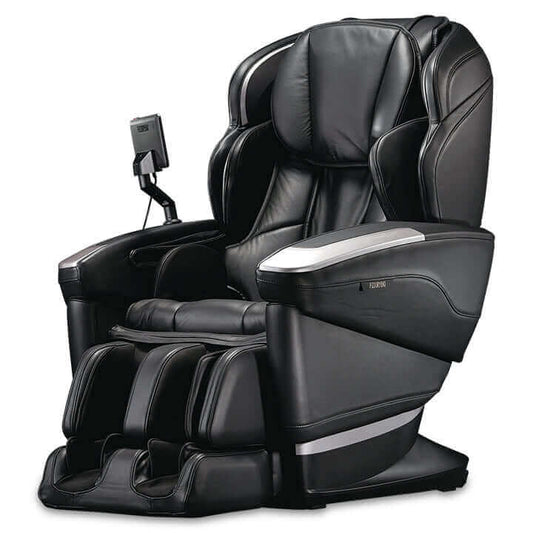
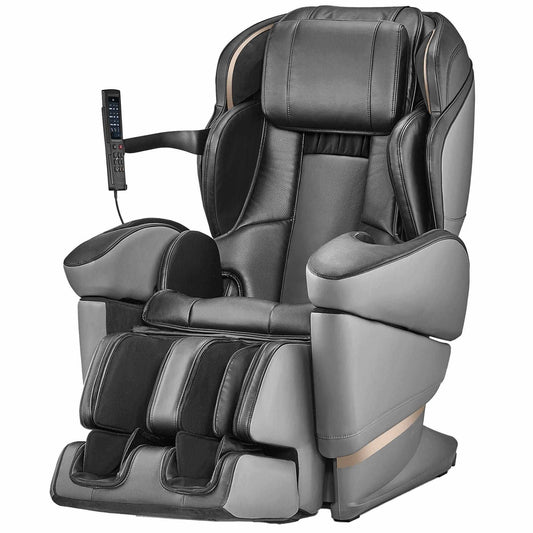
Massage chairs use mechanisms such as rollers, airbags, vibration, or heat, depending on the model. They apply sensations to parts of the body while you sit or recline. Some people find that a session feels relaxing or helps them unwind; that subjective experience should not be confused with a proven improvement in blood flow or treatment for a circulation-related condition.
“Circulation” can refer to different concerns, from feeling stiff after sitting to persistent changes in a limb. A chair cannot identify the cause of symptoms. If you are considering a massage chair because of a health concern, check with a qualified healthcare professional before relying on it or changing existing care.
How to Compare Massage Chair Features
Instead of choosing a chair based on a broad circulation claim, compare the features that affect your comfort and usability. Product descriptions can be useful, but treat health-related promises with caution and look for clear, specific information about what the chair actually does.
1. Massage areas and coverage
Check which areas the chair is designed to massage: for example, the back, shoulders, seat, calves, or feet. Coverage varies by model, and a chair may not reach the exact area you have in mind. If possible, try the chair in person or confirm the retailer’s return policy before buying.
2. Massage styles and intensity controls
Models may offer different sensations, such as rolling, kneading, tapping, or air compression. Names and settings are not standardized across brands, so test controls rather than assuming a setting will feel a certain way. Look for adjustable intensity and a straightforward way to pause or stop a session.
3. Fit and adjustability
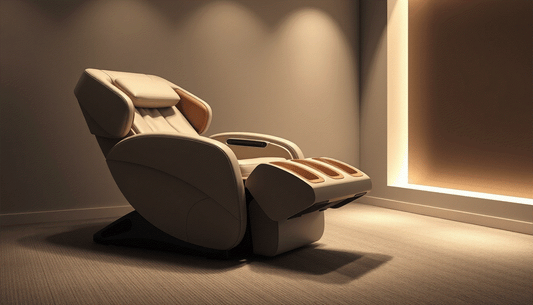
A chair that does not fit your body may feel uncomfortable, even if it has many programs. Review the manufacturer’s stated user-height and weight ranges, the reclined dimensions, and the amount of space needed behind and beside the chair. If you share the chair, consider whether each user can adjust it easily.
4. Controls and everyday practicality
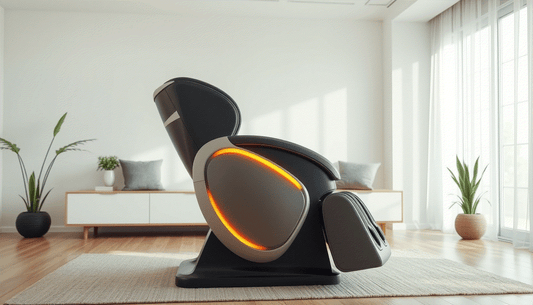
Consider whether the remote, buttons, or app are easy to understand. Useful practical details include the chair’s size, assembly requirements, cleaning instructions, warranty terms, and whether it can be returned. Compare the total cost with the features you will actually use, rather than paying extra for a long list of modes.
How to Try a Massage Chair Thoughtfully
If you have access to a showroom, use a short, low-intensity trial to judge comfort—not to test a medical effect. Sit in your usual posture, check that the chair supports you comfortably, and try one feature at a time. Notice whether the controls make it easy to adjust pressure or stop.
At home, begin by following the manufacturer’s instructions and choosing a gentle setting. Keep an initial session brief, then decide whether the chair feels comfortable for you. There is no universal session length that suits everyone, so avoid treating a suggested program as a medical prescription. Stop if the massage feels painful, unpleasant, or otherwise concerning.
For example, someone who works at a desk might value an easy-to-use back program and a chair that fits a small room. Someone who prefers a foot massage may prioritize foot-area coverage and adjustable pressure. These are comfort preferences, not evidence that either chair improves circulation.
Who Should Ask for Professional Guidance First?
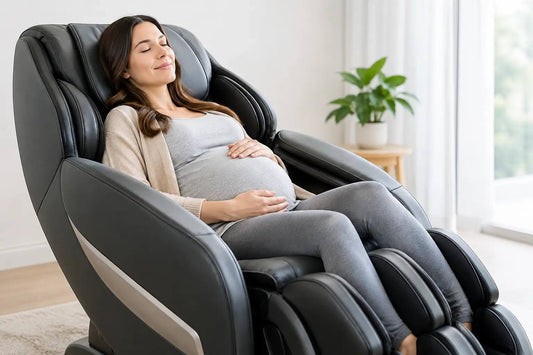
Because personal circumstances matter, ask a healthcare professional before using a massage chair if you have a diagnosed condition, ongoing symptoms, recent surgery or injury, reduced sensation, or uncertainty about whether massage is appropriate for you. This is especially important if the chair’s pressure or heat features might affect an area that is already sensitive. A clinician can help you consider your situation without relying on a product’s marketing language.
Do not use a massage chair as a substitute for assessment of persistent or worsening symptoms. Seek timely medical advice for concerns that are new, severe, or unexplained, and follow any instructions you have already received from a healthcare professional.
Common Claims to Evaluate Carefully
When shopping for a massage chair for circulation, you may see claims that a model “boosts,” “improves,” or “restores” circulation. Those phrases can sound precise, but a sales description alone does not establish that a chair produces a particular health outcome. Look for transparent explanations of the feature itself, and be wary of guaranteed results or claims that a chair treats a condition.
Reviews can help you learn about comfort, noise, setup, and customer service. They cannot reliably confirm a medical benefit for you. Separate what a reviewer experienced—such as “the calf setting felt relaxing”—from a broader claim about what the chair does inside the body.
A Simple Buying Checklist
- Define your goal: Are you looking for a relaxing seat, back massage, or foot-and-calf coverage?
- Check fit: Compare the chair’s dimensions and user range with your space and body.
- Test control: Confirm that you can adjust or stop the massage easily.
- Review practical terms: Read warranty, delivery, assembly, and return details.
- Question health promises: Treat claims about circulation as claims to verify, not guaranteed outcomes.
- Ask when unsure: Get professional guidance if symptoms or a health condition are part of your decision.
The Bottom Line
A massage chair may be a welcome comfort feature for some people, but it should not be presented as a proven solution for circulation problems. The best choice is the model that fits your body, space, budget, and preferred massage experience—and lets you control the intensity. Compare features carefully, try a chair if you can, and seek professional advice when health concerns are involved.
태그:
이전의
Massage Chair for Lower Back Pain: A Practical Buyer’s Guide
다음
Massage Chair for Lower Back Pain: A Practical Buyer’s Guide