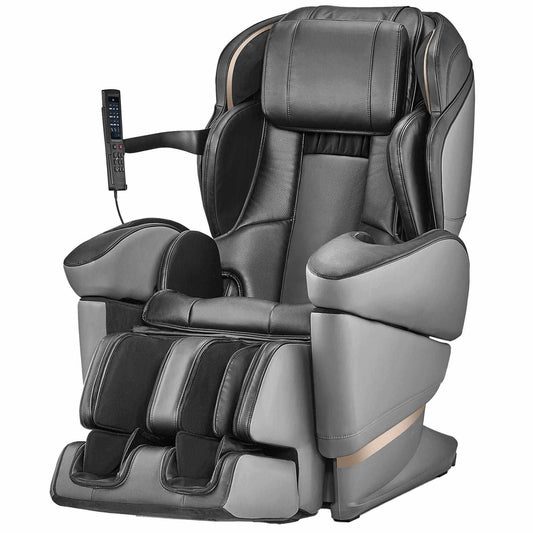
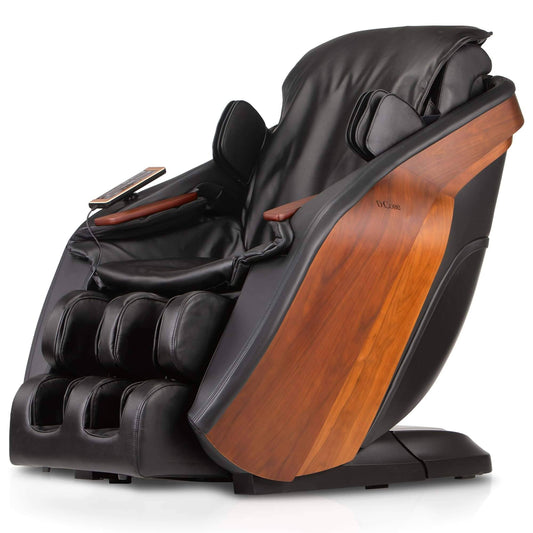

Zero Gravity Chair Guide for Better Recovery
A premium massage chair should do more than look impressive in a living room or executive office. It should create a position your body genuinely wants to stay in. This zero gravity chair guide explains what that position does, how it works with advanced massage technology, and which details separate a worthwhile wellness investment from a standard recliner with a familiar label.
Zero gravity seating has become a defining feature in high-end massage chairs because it changes the relationship between your body and the massage mechanism. When the chair reclines and elevates the legs, it can help distribute body weight more evenly across the backrest and seat. The result is a supported, low-pressure posture designed for rest, recovery, and a more immersive massage session.
What Is a Zero Gravity Chair?
A zero gravity chair reclines the body into a position inspired by the neutral posture astronauts use during launch. Your torso reclines while your knees and feet rise, typically bringing the legs close to heart level. You are not literally weightless, but the chair is designed to reduce concentrated loading on areas such as the lower back, hips, and seat.
In a massage chair, this position has a second purpose. Reclining can help bring your back into closer, more consistent contact with the rollers. That matters when evaluating deep tissue performance, particularly through the lumbar region and upper back. A chair may offer 3D, 4D, or 5D massage technology, but its effect depends partly on how well the body is positioned against the massage track.
Many premium models offer more than one zero gravity setting. The first position is often suited to a brief reset between meetings or after a workout. A deeper second position can feel more enveloping, making it a compelling choice for longer evening sessions. The best setting is not always the deepest recline. It is the one that supports your body without creating strain in your neck, hamstrings, or knees.
Why Zero Gravity Positioning Feels Different
Most people notice the difference first in the lower back. In an upright seated position, the spine and hip flexors carry the effects of gravity and prolonged sitting. When the chair reclines and supports the legs, the pelvis can settle into a more relaxed position. For professionals who spend hours at a desk, that shift can make an at-home massage feel markedly more restorative.
The position may also make full-body programs more effective because the chair can maintain closer contact across the back. A well-designed SL track, for example, follows the natural contour from the neck and shoulders through the lower back and toward the glutes. Zero gravity positioning helps the body stay connected to that track rather than pulling away from it as the chair reclines.
There are practical trade-offs. Deep recline requires clearance behind the chair unless the model is engineered for space-saving wall placement. It can also be less comfortable for users who prefer to read, work, or watch television while seated. A zero gravity chair is built for intentional rest, not necessarily for every activity a conventional lounge chair handles well.
Zero Gravity Chair Guide: Features That Matter
Zero gravity is a valuable feature, but it should not be the only item on your checklist. Advanced chairs pair the position with systems that determine how targeted, adjustable, and satisfying the experience will be.
Massage Track Design
An S-track follows the spine from the neck to the lower back. An SL track extends farther down the body, typically reaching the glutes and upper hamstrings. For buyers who carry tension through the hips or spend long days seated, an SL track often offers a more complete treatment area.
Track length alone does not determine quality. The roller mechanism, body scan accuracy, and program design influence whether the massage feels precise or generic. Ultra-premium chairs use sophisticated scanning and adjustment systems to tailor roller placement to the user rather than applying the same pattern to every body type.
3D, 4D, and 5D Massage Performance
Zero gravity recline can improve roller contact, while advanced massage dimensions control the character of the treatment. A 3D chair allows rollers to extend outward from the track. That added depth can deliver more pronounced pressure than a basic fixed-track system.
4D massage adds speed and rhythm variation, creating a more nuanced motion that can feel closer to the changing pace of a professional massage. 5D AI massage systems add further intelligence through adaptive programming, body sensing, and refined adjustments based on tension patterns or user response. These features are especially relevant when you want repeatable sessions that do not feel mechanical.
More dimensions are not automatically better for every household. If your priority is gentle daily relaxation, a well-engineered 3D chair with reliable zero gravity positioning may be a better fit than a more aggressive flagship model. If deep tissue relief and personalized programs are central to your routine, 4D or 5D technology deserves serious consideration.
Leg, Foot, and Calf Massage
A zero gravity position elevates the legs, but that does not guarantee a capable lower-body massage. Look at how the chair handles calves, ankles, and soles of the feet. Air compression, kneading nodes, rollers, and heated footwells produce distinctly different sensations.
Foot mechanisms should also accommodate your height and foot size. Extendable ottomans are useful for taller users, while enclosed footwells can feel more secure but may be less accommodating for very large feet. If circulation comfort or post-workout leg recovery is a priority, lower-body performance should carry nearly as much weight as the back massage system.
Heat and Air Compression
Heat can complement zero gravity by helping muscles feel more relaxed before deeper roller work begins. Premium chairs may use lumbar heat, leg heat, heated foot massage, or broader heated areas. The best approach depends on your comfort preference. More heat is not always better if you tend to overheat during longer sessions.
Air compression uses airbags to apply rhythmic pressure around the shoulders, arms, hips, calves, and feet. It is not a replacement for roller massage, but it adds a full-body feeling that many owners value. Adjustable intensity is essential. A compression setting that feels restorative for one person may feel overly firm to another.
Choose the Right Fit Before You Choose the Features
A massage chair can be technically exceptional and still be wrong for the person using it. Start with fit. Review the chair's supported height range, maximum user weight, seat width, shoulder width, and ottoman extension. If more than one adult will use the chair, prioritize models with accurate body scanning and a broad adjustment range.
Measure the intended room before ordering. Account for the chair's upright footprint, maximum reclined dimensions, and the clearance required behind it. Space-saving designs can recline closer to a wall, but they still need enough room for the footrest to extend comfortably into the room.
Consider how the chair will look when it is not in use. A luxury massage chair is a substantial piece of wellness equipment. Upholstery quality, exterior finish, control design, and silhouette matter in a carefully appointed home. Executive spaces may call for refined upholstery and a quieter visual profile, while a dedicated recovery room can support a more performance-focused design.
Who Benefits Most From Zero Gravity Seating?
Zero gravity positioning is especially appealing for desk-based professionals, frequent travelers, active adults, and anyone who values a consistent end-of-day recovery ritual. It can offer a welcome change from upright sitting and may help create a more relaxing environment for massage, heat, and air compression.
It is not a medical treatment, and buyers with circulation concerns, recent surgery, chronic pain, pregnancy, or other health conditions should consult a qualified healthcare professional before using intensive massage or extended recline positions. Comfort settings should be personal. Start with shorter programs and lower intensity, then adjust as you learn what your body responds to well.
A Better Way to Shop for a Zero Gravity Chair
Rather than comparing chairs by feature count, begin with the result you want most. For everyday relaxation, focus on comfort, easy controls, reliable zero gravity positioning, and gentle programs. For deeper recovery, prioritize roller depth, an SL track, adjustable intensity, calf and foot massage, and heat. For a luxury household centerpiece, consider Made in Japan craftsmanship, intelligent body scanning, premium materials, and a design worthy of the room.
Fujiiryoki USA curates advanced wellness seating across accessible premium options and ultra-premium massage chair categories, making it easier to compare zero gravity capability alongside the engineering that gives it real value. The right chair should not simply recline. It should support a recovery routine you will look forward to using, one calm, precisely tailored session at a time.
Tags:
Previous
Cyber Relax AI: Seven Massage Techniques for Wellness
Next
Fujiiryoki Cyber Relax AI: Massage Techniques for Ankle-to-Wrist Wellness