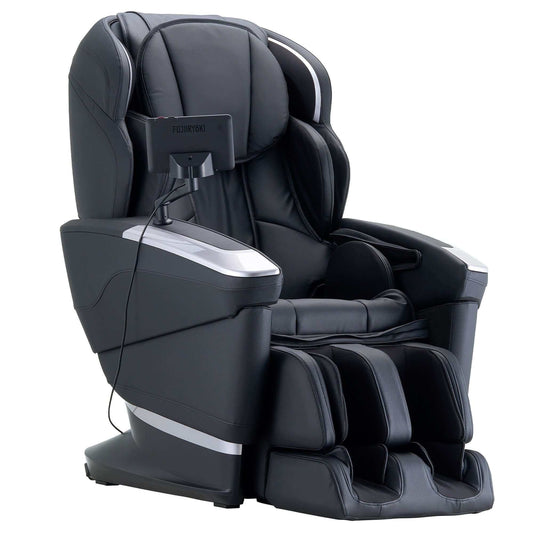
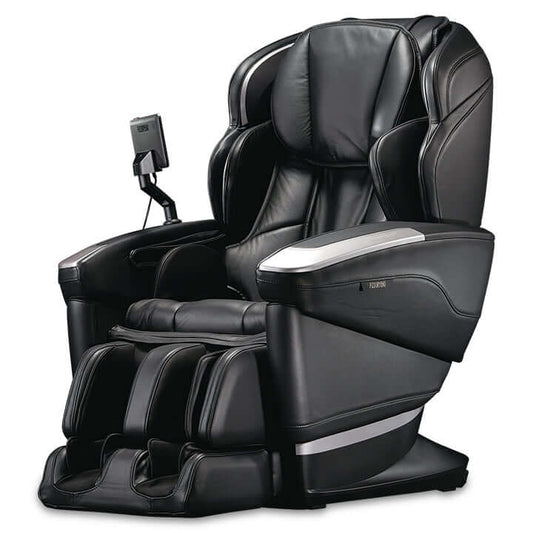
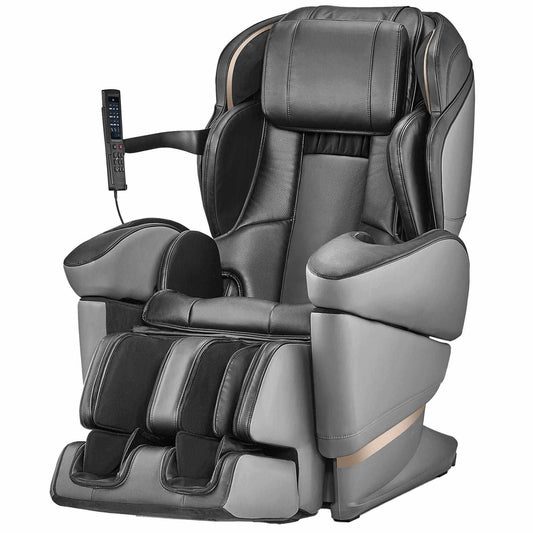
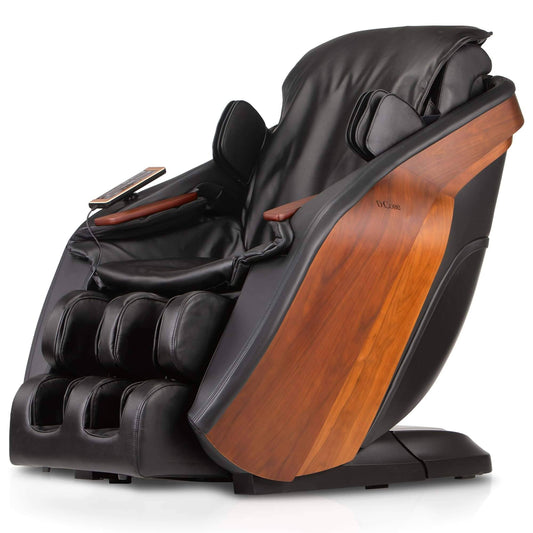

Fujiiryoki Cyber Relax AI: Massage Techniques for Ankle-to-Wrist Wellness
As of 2026, the Fujiiryoki Cyber Relax AI stands as a sophisticated fusion of massage science and AI-driven personalization. This extended, presentation-style guide explores how a single advanced massage chair can orchestrate Swedish, Deep Tissue, Trigger Point, Acupressure, Shiatsu, Reflexology, and Kneading techniques to support ankle-to-wrist health, optimize blood flow, and relieve fatigue. Whether you are planning a daily self-care ritual, preparing a demonstration for clients, or creating SEO-focused content, this guide offers a clear, repeatable framework for maximizing comfort, recovery, and resilience.
Why This Guide Matters in 2026
The Cyber Relax AI integrates sensor data, user input, and intelligent sequencing to tailor massage sessions in real time. The result is a personalized routine that adapts to your goals—improved circulation, reduced muscular tension, better posture, and lowered fatigue. In an era where wellness technology blends with data-informed practice, a presentation-style approach helps you communicate benefits, set expectations, and design sessions that are both effective and accessible.
The Fujiiryoki Cyber Relax AI: Core Capabilities
- AI-driven personalization: Real-time adjustments to pressure, tempo, and technique intensity based on sensor feedback, user preferences, and session goals.
- Comprehensive technique library: A spectrum of modalities that can be blended and sequenced for relaxation, recovery, and daily relief.
- Full-body coverage with distal-to-proximal focus: Target areas from ankles and feet up through wrists and hands, extending to the neck and back as needed.
- Safety and control: Intuitive manual overrides, pause functionality, and clear feedback cues to ensure a comfortable experience.
The Cyber Relax AI delivers seven core modalities, each with distinct benefits. Below are in-depth presentations of how each technique is implemented and what to expect during a session.
Swedish Massage on the Cyber Relax AI
Swedish massage on this platform uses long strokes, effleurage, and light to moderate petrissage to promote relaxation and improve superficial circulation. The AI modulates stroke length, speed, and pressure to transition smoothly from warm-up to deeper tissue work as tolerated.
- Key actions: long gliding strokes, gentle kneading, rhythmic tapping.
- Expected sensations: warmth, release of surface tension, and a sense of calm that enhances subsequent work.
- Best for: easing stress, preparing soft tissues for deeper techniques, and improving overall mobility.
Deep Tissue Massage on the Cyber Relax AI
Deep tissue sessions target deeper muscle layers and fascia. The chair applies slower, firmer pressure with strategic repeats to help release persistent knots and adhesions, while the AI respects comfort thresholds and adjusts in real time.
- Key actions: slow strokes with localized pressure, cross-fiber triggering patterns.
- Expected sensations: deeper muscular warmth, targeted pressure in tense regions.
- Best for: chronic stiffness, post-exercise recovery, and tension in the calves, hamstrings, and back.
Trigger Point Massage on the Cyber Relax AI
Trigger Point work focuses on hyperirritable points to relieve referred pain. The AI identifies hotspots through sensor feedback and user cues, applying concentrated pressure and precise holds to release knots and reduce radiating discomfort.
- Key actions: localized pressure, slow-release holds, strategic sequencing.
- Expected sensations: a brief intensity spike followed by relief as the point unlocks.
- Best for: acute muscle tension, recurring pain patterns, and postural imbalances affecting the ankles, calves, and shoulders.
Acupressure on the Cyber Relax AI
Acupressure targets energy channels to rebalance flow and ease discomfort. The chair applies focused pressure at meridian points along the feet, ankles, hands, and wrists, integrated with supportive massage sequences to sustain relief.
- Key actions: precise finger-like pressure, steady tempo shifts, and coordinated hand-foot work.
- Expected sensations: localized warmth, relaxed joints, and improved sensation of vitality in distal limbs.
- Best for: stress relief, circulatory enhancement, and tension around the ankles and wrists.
Shiatsu Massage on the Cyber Relax AI
Shiatsu sequences use finger and palm pressure along meridian pathways to promote balance and overall equilibrium. The AI can emulate traditional shiatsu rhythms with dynamic, tissue-informed pressure changes that respond to user feedback.
- Key actions: rhythmic pressure, pacing patterns that mirror traditional shiatsu flows.
- Expected sensations: synchronized relaxation across the spine, neck, and shoulders with distal calming effects on hands and feet.
- Best for: holistic tension release, posture support, and improved sleep readiness.
Reflexology on the Cyber Relax AI
Reflexology stimulates specific zones on the feet or hands to influence distant organs and systems. The AI maps zones related to ankles, calves, wrists, and hands, coordinating reflex work with overall tissue relaxation to optimize circulation and energy flow.
- Key actions: targeted pressure on reflex zones, periodized intensity, and harmonized sequences with other modalities.
- Expected sensations: enhanced sensation of lightness in the feet and hands, with a sense of renewed energy in the corresponding regions.
- Best for: systemic fatigue relief, improved peripheral circulation, and sensory balance in distal extremities.
Kneading on the Cyber Relax AI
Kneading delivers rhythmic compression and lifting that fosters tissue pliability and muscle relaxation. This technique complements the other modalities by smoothing fascia and improving venous return through coordinated tempo and pressure changes.
- Key actions: rhythmic, circular compression across muscle groups; emphasis on tissue elasticity.
- Expected sensations: deep, satisfying relaxation of muscle fibers with enhanced flexibility.
- Best for: general muscle health, post-activity recovery, and preparing tissues for longer sessions.
Targeted Body Parts and Benefits
The following map aligns body regions with matched massage benefits, helping you design distal-to-proximal sessions that optimize blood flow, reduce fatigue, and support tissue health.
- Ankle — enhanced circulation, improved joint mobility, and reduced swelling with controlled kneading and release work.
- Calf — relief from tightness and improved venous return through targeted pressure patterns.
- Foot — comprehensive care for arches and plantar fascia, supporting overall balance and comfort.
- Heel — reduced tension and improved cushioning response through focused kneading and soft tissue work.
- Achilles region — tension relief that supports ankle flexibility and stride comfort.
- Knee — muscular relief around the joint and improved circulation to surrounding tissues.
- Thighs and Back of Legs — muscle relaxation and improved tissue health along the posterior chain.
- Back — spine-friendly work that reduces stiffness and promotes better posture alignment.
- Shoulders and Neck — tension release that can lower headache frequency and neck strain.
- Arms and Wrists — reduction of upper-limb fatigue and improved vascular flow to the hands.
- Head and Face — gentle relaxation patterns to ease mental fatigue and overall tension.
- Whole Body — integrated sequences that coordinate sessions for systemic fatigue relief and flexibility.
Massage Benefits At a Glance
- Blood Flow Control — optimized circulatory efficiency through coordinated pressure and massage tempo.
- Fatigue Relief — energy restoration through rhythmic stimulation and muscle recovery sequences.
- Flexibility Improvement — increased tissue pliability and range of motion across major joints.
- Injury Recovery — supportive modalities that can aid healing when used with professional guidance.
- Muscle Therapy — targeted release of adhesions, knots, and tight musculature.
- Pain Relief — mitigation of acute and chronic discomfort through precise technique application.
- Spine Alignment — posture-friendly sequences designed to ease tension along the spine and surrounding muscles.
- Stress Relief — lifestyle-friendly relaxation with sympathetic nervous system calming effects.
- Tissue Therapy — comprehensive care for superficial and deeper tissue layers through varied pressure profiles.
Ankle-to-Wrist Health Protocol: A Presentation-Style Playbook
- Preparation — ensure a comfortable environment, proper seating, and a cleared workspace for safe operation; set clear goals for the session such as improving ankle mobility or boosting wrist circulation.
- Baseline Assessment — note comfort levels, pain points, and any contraindications before starting; define target zones for the session.
- Session Design — plan a balanced sequence blending three to five techniques in a distal-to-proximal progression (feet and ankles first, then calves, legs, hips, back, neck, and hands).
- Warm-Up — begin with light Swedish patterns to awaken soft tissues and gradually increase pressure as tolerated.
- Targeted Work — integrate Deep Tissue and Trigger Point work on problem areas (calves, ankles, and shoulders); apply Reflexology points on feet and hands where appropriate.
- Circulation Maximization — weave Acupressure and Kneading to boost blood flow and tissue oxygenation, especially around the ankles and wrists.
- Movement Integration — introduce gentle range-of-motion cues and light stretches to support tissue adaptation.
- Cool-Down — finish with gentle Swedish strokes and relaxed breathing cues to support recovery.
- Post-Session Guidance — hydrate, perform light mobility work, and note any areas needing future attention for ongoing improvement.
- Progress Tracking — log changes in mobility, fatigue levels, and sleep quality to refine future sessions.
- Safety Check — confirm no adverse responses; adjust for comfort and plan follow-up sessions if needed.
- Session Scheduling — establish a realistic cadence (weekly, biweekly) to sustain improvements.
Practical Tips for Maximizing Results
- Consistency is key — regular sessions yield better long-term benefits for circulation and fatigue management.
- Communication — provide real-time feedback on pressure, pace, and target zones to tailor future sessions.
- Combine with movement — complementary stretching and light cardio can amplify the benefits of in-chair therapy.
- Hydration and nutrition — stay hydrated and consider light post-session protein to support tissue repair.
- Balance and posture — incorporate ergonomic adjustments in daily life to sustain gains from chair work.
- Safety first — avoid overpressure on vulnerable joints; consult a professional for existing injuries or medical conditions.
Session Design Templates
- 15-Minute Quick Reset — 5 minutes Swedish warm-up, 5 minutes Kneading with light Acupressure, 5 minutes circulation-focused Reflexology and Kneading.
- 30-Minute Focus — 8 minutes Swedish, 8 minutes Deep Tissue on calves and ankles, 7 minutes Trigger Point on shoulders, 7 minutes Reflexology and cool-down.
- 45-Minute Balanced Full-Body — 10 minutes warm-up, 15 minutes Deep Tissue and Trigger Point on lower legs, 10 minutes Acupressure and Shiatsu on back and neck, 10 minutes Reflexology and Kneading on hands and wrists.
- 60-Minute Comprehensive Wellness — 12 minutes warm-up, 18 minutes distal-to-proximal Deep Tissue and Trigger Point work, 14 minutes Acupressure, Shiatsu, and Reflexology, 6 minutes cool-down and gentle stretching cues.
Safety, Contraindications, and Maintenance
- Consult a healthcare professional if you have recent surgery, acute injury, pregnancy, herniated discs, or cardiovascular concerns before using automated massage chairs.
- Avoid applying excessive pressure on inflamed joints or open wounds; use the chair’s safety settings to reduce intensity as needed.
- Regular maintenance is essential — keep cushions clean, check sensor alignment, and follow the manufacturer’s guidelines for cleaning and calibration.
- Allergies or skin sensitivities — test pressure on a small area and adjust if redness or irritation occurs.
SEO and Content Strategy Notes
This guide is structured to maximize discoverability by aligning with common search intents around adaptive massage chairs, multi-technique routines, and ankle-to-wrist wellness. Core keywords integrated throughout include Fujiiryoki Cyber Relax AI, Swedish Massage, Deep Tissue, Trigger Point, Acupressure, Shiatsu, Reflexology, Kneading, ankle-to-wrist health, blood flow, and fatigue relief. A clear, logical progression from distal to proximal work supports both reader comprehension and indexing by search engines.
Case Scenarios and Real-World Use
Imagine a desk worker seeking relief from chronic ankle swelling and wrist fatigue after a long day. A 30-minute session focusing on the calves, ankles, hands, and wrists, with short Reflexology and gentle Acupressure, can produce noticeable improvements in circulation and comfort. For a weekend athlete recovering from a run, a 45-minute full-body sequence that blends Deep Tissue, Trigger Point, and Kneading can accelerate recovery, reduce soreness, and promote sleep-friendly relaxation.
Maintenance and Longevity of the Experience
To maintain optimal performance, combine regular Cyber Relax AI sessions with a simple home mobility routine. Periodically review session goals, update preferences in the chair’s profile, and adjust sequences to reflect changes in activity level, age, or fitness goals. This habit ensures the system remains aligned with your evolving wellness journey.
Conclusion
The Fujiiryoki Cyber Relax AI embodies a forward-looking approach to wellness that blends seven massage modalities into a cohesive, AI-guided experience. By adopting a presentation-style workflow, you can educate clients, content readers, or personal users about how this multi-technique platform supports ankle-to-wrist health, enhances blood flow, and relieves fatigue. Use this extended guide as a blueprint for planning sessions, creating engaging demonstrations, and optimizing SEO outcomes in 2026 and beyond.
Tags:
Previous
Zero Gravity Chair Guide for Better Recovery
Next
Cyber Relax AI: Full-Body Massage Techniques and Wellness Benefits