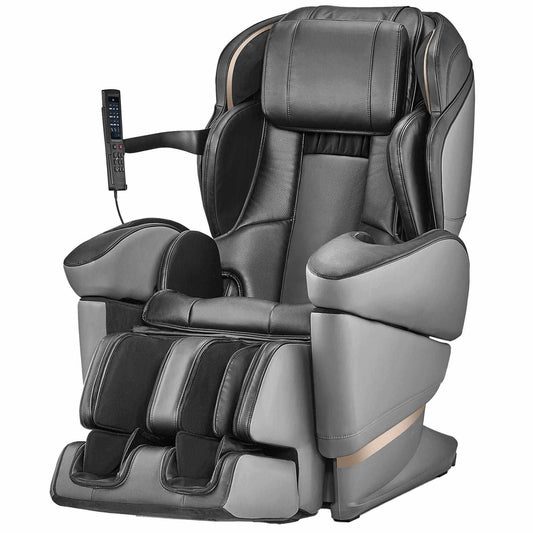
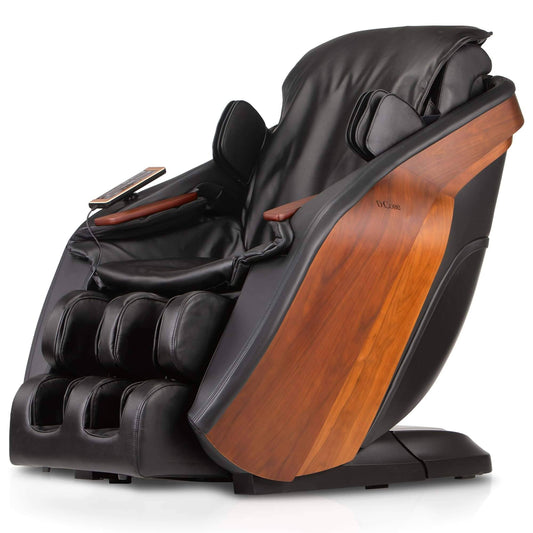

Why Choose a Made in Japan Massage Chair
A made in Japan massage chair is not simply a luxury chair with a Japanese-inspired design. It represents a particular standard of manufacturing discipline: precise mechanical assembly, refined massage programming, rigorous quality control, and an ergonomic approach developed over decades of wellness innovation. For buyers who expect lasting performance from a premium home wellness investment, those details can matter far more than a long feature list.
The distinction is especially relevant when comparing ultra-premium models with mass-market chairs. Both may offer zero gravity recline, heat, body scanning, and multiple automatic programs. The difference often emerges in the feel of the massage, the calibration of the mechanisms, the fit and finish of the upholstery, and how confidently the chair performs years after the initial purchase.
What Made in Japan Actually Means
“Made in Japan” should refer to the chair’s country of manufacture, not merely the location of a brand’s headquarters or product design team. That matters because many massage chair brands have Japanese roots while producing some models in other regions. Japanese engineering can influence either type of product, but a chair manufactured in Japan carries a more specific production claim.
For discerning shoppers, the value is not national origin as a label alone. It is the manufacturing culture behind it. Japanese-built massage chairs are commonly associated with tighter assembly tolerances, detailed component testing, and a long-standing focus on massage mechanism development. These qualities support a more composed, deliberate experience rather than a chair that feels overly aggressive, mechanical, or inconsistent from one session to the next.
A premium chair should also be evaluated model by model. Confirm the stated country of origin, then look beyond it to the features, warranty support, body fit range, and massage style that suit your needs. A Made in Japan designation is meaningful, but it is not a substitute for choosing the right chair.
The Engineering You Can Feel
The best massage chairs do not feel as though they are moving around your body. They feel as though they are working with it. This is where Japanese engineering has earned its reputation.
A sophisticated roller system follows the body with controlled pressure and carefully timed transitions. During a kneading sequence, the rollers should engage the muscle without pinching or abruptly changing intensity. During tapping or percussion, the motion should feel measured rather than harsh. These subtleties depend on motor control, roller construction, track geometry, software programming, and the physical stability of the chair frame.
Body scanning is another area where execution matters. The chair uses sensors and software to estimate shoulder placement, spine length, and body contours before beginning a program. No scan is perfect for every person, but a well-calibrated system creates a better starting point for massage coverage. Manual shoulder-position adjustments remain valuable, particularly for taller users, shorter users, or anyone who prefers a very specific roller placement.
Japanese-made models often place equal emphasis on the chair’s non-massage systems. The recline should move quietly and smoothly. The legrest extension should accommodate the user without feeling loose or imprecise. Controls should be intuitive enough to adjust intensity, speed, width, heat, and target areas without interrupting the moment of recovery.
Why Massage Technique Matters More Than Program Count
A chair with 40 automatic programs is not necessarily more capable than one with 12. Program count can be useful, but the quality of each massage technique is the real measure of performance.
Advanced Japanese massage chairs tend to focus on reproducing recognizable manual techniques: kneading across the upper back, rolling along the spine, targeted pressure around the shoulders, rhythmic tapping, and stretch-focused sequences that pair recline with air compression. The goal is variation with purpose. A recovery program after a demanding workweek should feel different from a gentle evening relaxation program, not merely run the same motions at a different speed.
Look for adjustability that supports repeat use. At a minimum, a premium chair should allow you to change roller intensity and aircell pressure. More advanced designs may offer localized massage, memory settings, automatic body detection, multiple stretch modes, and AI-guided programs that adapt a session based on detected tension or user input.
There is also a trade-off. Deep-tissue performance is desirable for many buyers, but maximum intensity is not automatically better. If several household members will use the chair, a broad range of intensity settings can be more valuable than a single, forceful massage profile. The right chair should have enough depth for demanding users while remaining comfortable for someone seeking a lighter daily session.
Made in Japan Massage Chair Features Worth Prioritizing
When comparing a made in Japan massage chair, focus first on the systems that shape every session. Luxury finishes, touchscreen remotes, and integrated speakers can improve ownership, but they should not overshadow massage fundamentals.
An SL track is a strong consideration for shoppers who want roller coverage from the neck and shoulders through the lower back and into the glutes. The extended track supports a more complete session, especially for those who spend long hours seated. A traditional S-track can still be highly effective when the priority is focused back massage and a precise spinal contour.
Zero gravity positioning is equally practical. By elevating the legs and distributing weight more evenly, the reclined position can reduce pressure through the lower back and help the user settle into the massage. It is not a medical treatment, but it can make a meaningful difference in comfort and perceived roller pressure.
Aircell massage deserves careful attention as well. High-quality air compression around the shoulders, arms, hips, calves, and feet can create a satisfying stretch and a more complete full-body experience. Poorly tuned airbags can feel abrupt or restrictive. As with rollers, controlled inflation and release make the difference.
Heat should be viewed as a complement rather than the main event. Localized warmth in the lumbar area, seat, calves, or feet can make a massage feel more relaxing, particularly before or after long periods of sitting. The most refined systems use heat thoughtfully, with placement and temperature that support comfort without overwhelming the session.
Craftsmanship Is a Long-Term Ownership Feature
Massage chairs are complex mechanical products. They contain motors, rollers, airbags, valves, sensors, electronics, upholstery, and a reclining frame that must function together under repeated use. Build quality is not an abstract luxury claim. It directly affects how the chair sounds, feels, ages, and performs.
A Japanese-built chair often appeals to buyers who prefer to purchase once and purchase well. The premium is easier to justify when the chair becomes part of a daily or near-daily wellness routine instead of an occasional novelty. Quiet operation matters in a bedroom, executive office, or shared living space. Durable upholstery matters when the chair is used by a family. A stable frame matters every time the chair reclines into zero gravity.
That said, premium ownership should include practical planning. Measure the intended room, doorway, and delivery path before choosing a chair. Consider wall clearance, whether the chair has a space-saving slide-forward recline system, and the available electrical outlet. A flagship chair can be an exceptional addition to a home, but only if it fits the space and the people who will use it.
Who Benefits Most From This Level of Chair?
A Made in Japan model is especially compelling for buyers who are sensitive to massage quality and plan to use their chair consistently. Executives and professionals may value a quiet evening program that helps them transition out of a demanding day. Active adults may prefer concentrated calf, foot, glute, and lower-back work after training or travel. Older adults may prioritize easy controls, gentle programs, and a stable, supportive recline.
It can also be the right choice for a design-conscious home or office where the chair must look as considered as it feels. Ultra-premium massage chairs are substantial furnishings, not disposable gadgets. Material quality, silhouette, color, and control integration deserve attention alongside technical specifications.
Buyers on a more defined budget should not assume that Japanese manufacturing is the only route to an excellent experience. High-value chairs manufactured elsewhere can provide strong zero gravity positioning, capable SL tracks, and satisfying everyday massage. The decision comes down to priorities. If your focus is the highest level of refinement, proven craftsmanship, and nuanced massage technique, the Japanese-made category warrants serious consideration. If you want core features at a lower investment, a carefully selected premium alternative may be the more sensible fit.
Choosing With Confidence
Start with how you want to feel after a session. For deeper muscle work, prioritize roller intensity control, targeted programs, and an extended track. For daily decompression, emphasize quiet operation, zero gravity, heat, and a comfortable body fit. For a shared household, look for flexible adjustment ranges and simple controls that make the chair inviting for more than one user.
Fujiiryoki USA presents premium massage chair options for shoppers who value Japanese engineering, advanced technology, and elevated at-home recovery. The most rewarding choice is the one that delivers the massage you will genuinely look forward to using, day after day.
Tags:
Previous
Best Premium Massage Chair 2026 Buying Guide
Next
Zero Gravity Massage Chair Benefits Explained