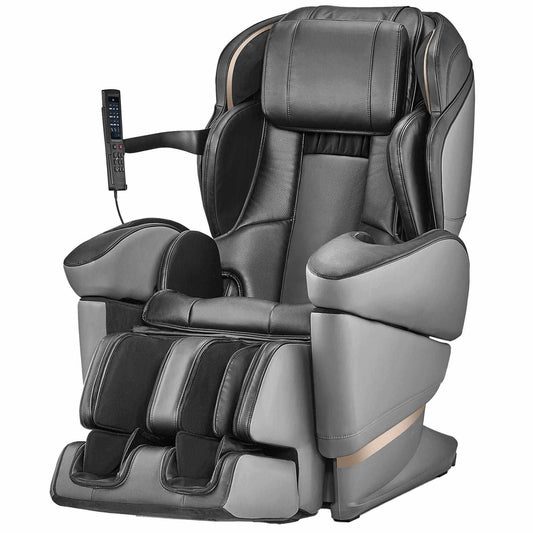
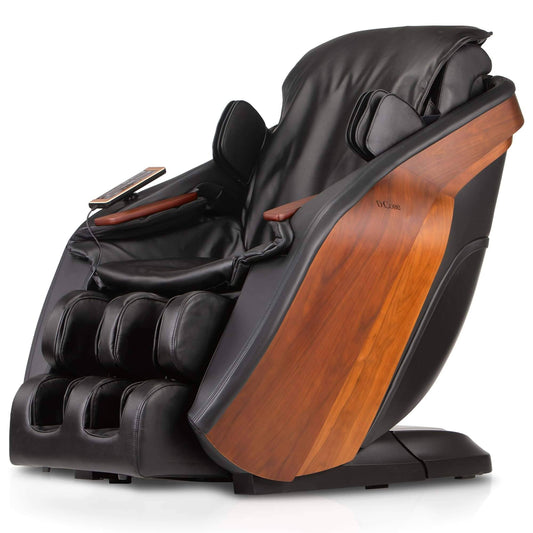

Zero Gravity Massage Chair Benefits Explained
After a long day at a desk, on the road, or managing a demanding household, the difference between simply reclining and being properly supported is immediate. Zero gravity massage chair benefits center on that distinction: a carefully engineered position that distributes body weight more evenly, reduces strain through the lower back, and allows the chair’s massage system to work with more consistent contact.
For buyers considering a premium massage chair, zero gravity is not a decorative feature or a marketing label to skim past. It is a foundational seating position that can change how the chair feels during every session, from a gentle evening recovery routine to a deeper, more focused massage program.
What Is the Zero Gravity Position?
The zero gravity position was inspired by the neutral posture used in spaceflight, where the body is supported with the knees elevated and the torso reclined. In a massage chair, the goal is not to recreate weightlessness. It is to place the body in a balanced, low-pressure position that helps reduce the load typically placed on the spine and hips while sitting upright.
Most advanced chairs raise the legs while reclining the backrest, creating a gentle cradled posture. Depending on the model, this may be a single zero gravity setting or multiple stages of recline. Higher-end designs often pair the position with an SL-track, body scanning, heat therapy, air compression, and 4D or 5D massage technology.
The exact angle matters less than the result: your back, shoulders, and legs should feel supported rather than suspended. A well-designed chair uses a coordinated recline mechanism, footrest extension, and ergonomic frame to maintain that feeling across different body types.
Zero Gravity Massage Chair Benefits for Everyday Recovery
Reduced pressure through the lower back
When sitting upright, much of the upper body’s weight is transmitted through the lower back and pelvis. Reclining with the legs elevated can spread that load over a broader portion of the chair, helping the lumbar area feel less compressed. For professionals who spend hours in office chairs, this can make a zero gravity session feel markedly more restorative than a conventional recliner.
That does not make a massage chair a treatment for a spinal condition. Anyone with persistent pain, a recent injury, or post-surgical restrictions should consult a qualified clinician before using one. For everyday stiffness and fatigue, however, reduced pressure is one of the clearest reasons buyers seek the zero gravity position.
More consistent massage contact
A premium massage mechanism performs best when the body is held securely against the chair’s backrest. In zero gravity, gravity helps maintain contact between the user and the massage rollers, especially around the upper back, shoulders, and lumbar region. This can make kneading, tapping, shiatsu, rolling, and deep tissue programs feel more precise.
The advantage becomes even more noticeable in chairs with 4D or 5D systems. These mechanisms can adjust speed, depth, rhythm, and sometimes adaptive response. Zero gravity gives that technology a stable, supported body position from which to work, rather than asking the rollers to compensate for shifting posture.
A more relaxed nervous system response
Comfort is not only mechanical. A reclined, supported posture can help signal that the body has permission to slow down. Paired with measured massage rhythms, gentle heat, or calming ambient settings, zero gravity can become a reliable transition between work mode and rest.
Many owners use this position for 15 to 30 minutes in the evening, particularly after travel, demanding workouts, or prolonged screen time. The best routine is the one you will actually maintain. A short program used consistently may be more valuable than an intense setting used only occasionally.
Support for circulation and leg fatigue
Elevating the legs can feel especially welcome after standing for long periods or after a day of travel. The position may support a sense of relief from tired, heavy legs, while calf and foot massage features add targeted stimulation. Air compression systems can further enhance the experience by rhythmically inflating around the arms, legs, or feet.
There are limits. Zero gravity should not be treated as a medical solution for circulation disorders, swelling, blood clots, or vascular disease. Buyers with these concerns should seek medical guidance first. For general day-to-day leg fatigue, the combination of elevation and massage is a meaningful comfort feature.
Why Chair Engineering Matters as Much as Recline
Not every chair labeled zero gravity delivers the same experience. A basic model may recline effectively but offer limited shoulder coverage, shallow rollers, or a short track. An ultra-premium chair is designed as an integrated system, where the frame, track, rollers, airbags, footrest, and programming work together.
An SL-track is particularly valuable for shoppers who want massage coverage to extend from the upper back through the lumbar area and into the glutes. A longer track alone is not enough, though. Look for body scanning that maps shoulder height and back contours, then adjusts the starting point of the massage accordingly. This matters for households where more than one person will use the chair.
Deep tissue buyers should also evaluate roller depth controls, not just the number attached to a massage category. A sophisticated 4D or 5D chair can provide a broader range of massage intensity and rhythm, but the right setting should still feel controlled. More force is not automatically better. The ideal program reaches tense areas without creating guarding or discomfort.
Heat can complement zero gravity by encouraging a warmer, more relaxed feeling through the lumbar region, calves, or legs, depending on the chair. Full-body air massage adds a cocooning quality, while calf kneading, foot rollers, and stretch programs can make the position feel complete rather than back-focused.
Choosing the Right Zero Gravity Massage Chair
Start with the outcome you want most. If lower-back comfort after desk work is the priority, prioritize zero gravity, lumbar heat, accurate body scanning, and a strong roller system. If athletic recovery is central, assess calf massage, foot rollers, stretch programming, and the chair’s ability to deliver adjustable deep tissue work. If the chair will be part of an executive office or refined living space, upholstery, silhouette, remote design, and wall-clearance requirements deserve equal attention.
Measure before you buy. Confirm the chair’s upright footprint, fully reclined footprint, doorway clearance, and electrical access. Wall-hugging designs can be useful where space is limited, but every model has its own clearance specification. A large chair may offer exceptional coverage and a commanding presence, yet it can be the wrong choice for a room that cannot accommodate its recline path.
Consider who will use it as well. Taller users should review track length and footrest extension. Smaller users may prefer more flexible body scanning and gentler intensity options. For shared households, memory settings and easy-to-navigate remotes improve the day-to-day ownership experience.
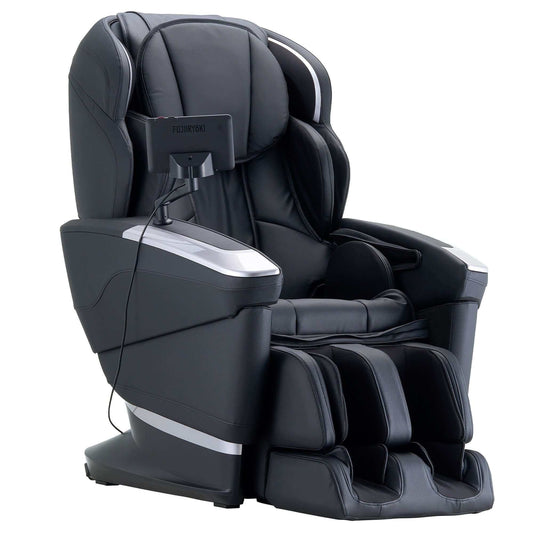
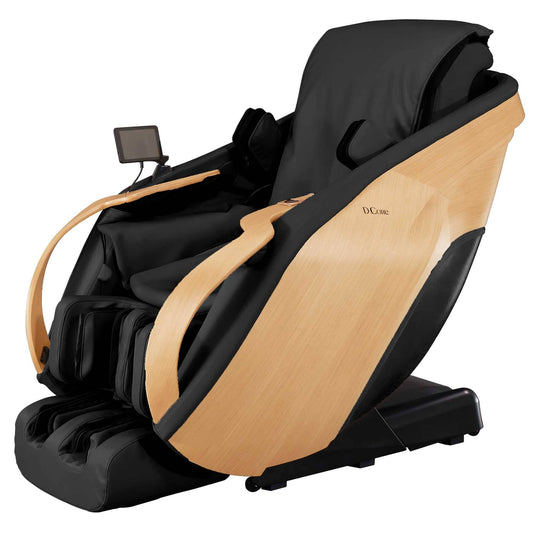
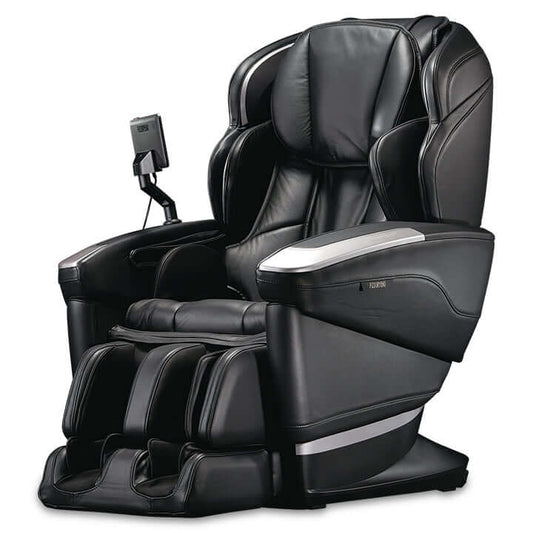
Fujiiryoki USA’s premium selection reflects this difference in design philosophy, with options ranging from accessible advanced seating to Made in Japan and executive-level massage chairs built for more demanding recovery and comfort expectations.
How to Get More From Each Session
Begin with a moderate program and allow your body to adapt, especially if you are new to deep tissue massage. Use the body scan when available, select zero gravity, and start around 15 minutes. If a targeted area feels tender, reduce intensity rather than assuming a stronger setting will resolve it faster.
Zero gravity is also an excellent setting for quieter programs. A gentle rolling massage with heat may be better before bed than an aggressive percussion routine. Conversely, a more focused back and calf session may suit the end of a strenuous workday or workout. The chair should adapt to your recovery needs, not force every session into the same experience.
A zero gravity massage chair earns its place when it becomes part of the way you recover at home: a considered space to release the day’s accumulated tension, settle into better posture, and give your body a level of support that ordinary seating rarely provides.
Tags:
Previous
Why Choose a Made in Japan Massage Chair
Next
How to Choose the Best Massage Chair at Fujiiryoki