
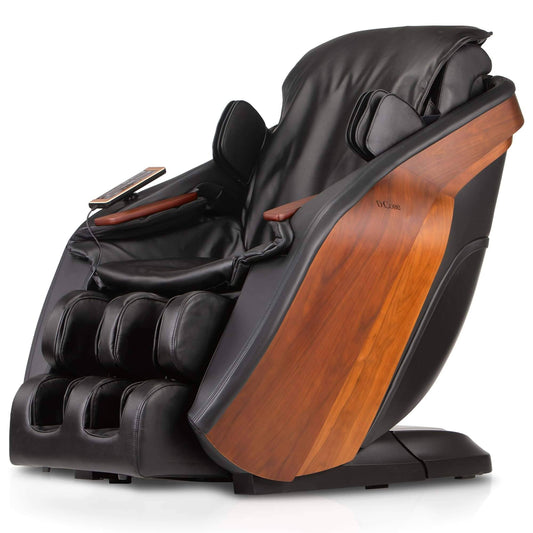

Japanese Versus Imported Massage Chairs Compared
A massage chair can look exceptional in a showroom photo and still feel disappointing after a few weeks of use. For buyers comparing Japanese versus imported massage chairs, the real distinction is rarely a single feature such as zero gravity or heat. It is the way engineering, massage technique, materials, controls, and long-term ownership come together in daily use.
The right choice depends on what you value most. A Made in Japan chair may appeal to the buyer who prioritizes refined mechanics, calibrated massage performance, and enduring construction. An imported model can be an excellent fit when advanced features, a broader range of designs, or a more accessible investment matter more. The key is to compare the chair itself, not simply the country printed on the carton.
What “Japanese” and “Imported” Actually Mean
This comparison can become confusing because “Japanese massage chair” is often used in several ways. It may refer to a chair manufactured in Japan, a Japanese-designed chair assembled elsewhere, or a model from a Japanese brand sold in North America. Those are not interchangeable descriptions.
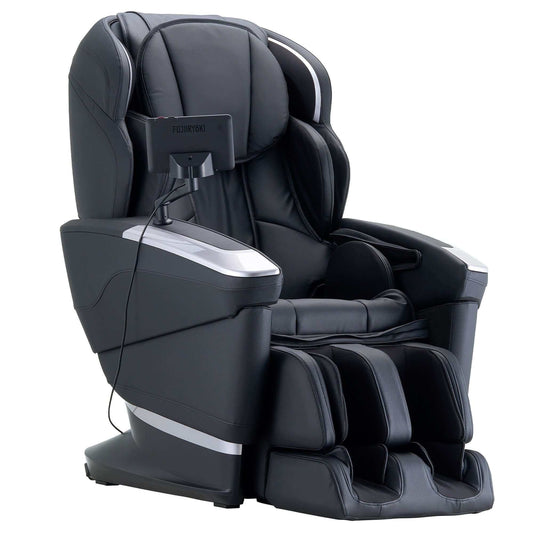
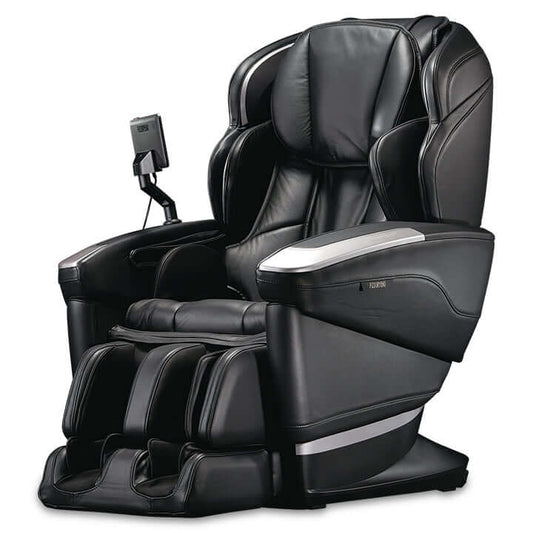
A genuinely Made in Japan massage chair is typically defined by its manufacturing origin and the production standards behind it. Japan has a long heritage in precision wellness equipment, and premium manufacturers have refined the relationship between mechanical movement and human ergonomics over decades. The appeal is not novelty. It is consistency: carefully tuned rollers, deliberate body positioning, durable internal components, and massage programs designed to feel composed rather than overly aggressive.
“Imported” simply means the chair was manufactured outside the United States and brought into the market. That category includes a vast range of products, from entry-level chairs built for occasional relaxation to sophisticated 4D and 5D AI models with premium upholstery, SL tracks, touchscreen controls, and heated therapy functions. Import status alone does not indicate quality. Manufacturing standards, component selection, brand support, and the chair’s intended performance level matter far more.
Japanese Versus Imported Massage Chairs: Core Differences
The most meaningful differences tend to appear after the first few sessions, when the initial excitement of a long feature list has worn off. A premium chair should deliver repeatable comfort, intuitive adjustment, and massage that feels appropriately targeted for your body.
Massage feel and movement quality
Japanese engineering often emphasizes finesse. Rather than relying only on stronger pressure or more dramatic motion, many Japanese chairs focus on the rhythm, transitions, and precision of techniques such as kneading, tapping, shiatsu, and rolling. The result can feel more measured and intentional, especially around the neck, shoulders, lower back, and calves.
This does not mean imported chairs cannot provide powerful or nuanced massage. Many advanced imported models offer outstanding deep-tissue performance, extended SL tracks, body scanning, and adjustable 4D roller speed and depth. Some buyers prefer that more assertive, highly configurable experience. The trade-off is that a feature-rich system needs thoughtful programming. More movement settings do not automatically produce a better massage if the roller path, pressure calibration, or body detection is poorly executed.
Construction and long-term refinement
In the ultra-premium category, build quality is felt in details that are easy to overlook at first: the smoothness of a recline mechanism, the quiet operation of rollers, the stability of the frame, the response of the remote, and the way upholstery holds up over time. Made in Japan chairs have earned their reputation through disciplined production processes and a strong focus on mechanical reliability.
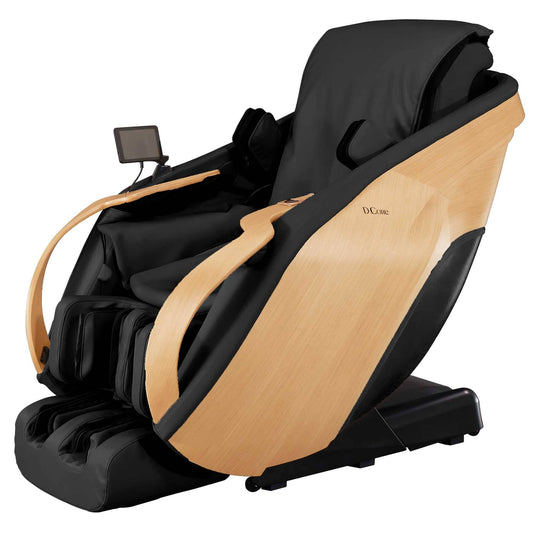
Imported chairs vary more widely. High-end imported models can feature excellent steel frames, refined synthetic leather, sophisticated air-cell systems, and elegant space-saving designs. At lower price points, however, it is more common to see compromises in motor noise, padding density, remote quality, or the precision of body scanning. That does not make an imported chair a poor purchase. It means the buyer should evaluate the specific model and warranty rather than assuming all chairs within the category are comparable.
Technology and feature depth
Imported massage chairs often compete aggressively on visible technology. Depending on the model, that can include full-body air massage, Bluetooth speakers, chromotherapy lighting, voice control, wireless charging, touchscreens, stretch programs, and AI-driven massage customization. For shoppers who want a highly interactive wellness experience, these features can add real enjoyment and convenience.
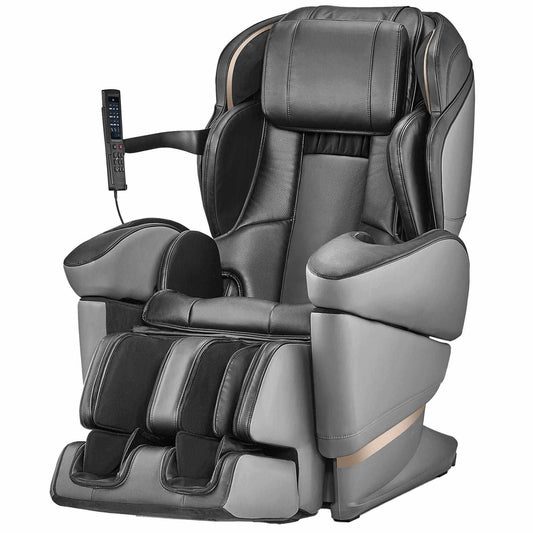
Japanese chairs may take a more restrained approach. Their value is frequently centered on massage execution, ergonomics, and a polished ownership experience rather than adding every available convenience feature. Some premium Japanese models do include advanced scanning, zero gravity positioning, heat, and modern controls, but the design philosophy is often more purposeful than maximalist.
Consider which features you will use after the first month. A well-designed shoulder program, adjustable calf massage, and a comfortable zero gravity position will usually matter more than a novelty feature that never becomes part of your routine.
Price Is About More Than the Initial Investment
Massage chair pricing can range from a few thousand dollars to well beyond $10,000 for executive-level models. Made in Japan chairs often command a higher investment because of their manufacturing origin, precision components, and premium positioning. For a buyer who expects frequent use over many years, that higher entry cost may represent strong long-term value.
Imported chairs offer a broader pricing spectrum. They can be particularly compelling for buyers seeking an advanced feature set at a more approachable level, or for households that want a luxury chair without stepping into the highest tier of Japanese manufacturing. A well-chosen imported 4D or 5D chair can be an exceptional addition to a home wellness space.
The better question is not, “Which category is cheaper?” It is, “What am I receiving for the investment?” Compare roller technology, track length, adjustment range, upholstery, warranty coverage, delivery experience, and the availability of service support. A lower-priced chair that does not suit your body or becomes difficult to maintain is rarely the better value.
Fit, Body Type, and Daily Use Matter Most
A technically impressive chair can still be the wrong chair if it does not fit the people using it. Before choosing between Japanese and imported options, look closely at the recommended user height range, maximum weight capacity, shoulder width adjustment, ottoman extension, and footwell design.
Taller users often benefit from an extended SL track and a leg rest that accommodates longer calves. Users who carry tension in the upper back may prioritize precise shoulder positioning and adjustable roller width. Those seeking deeper relief through the glutes and lower back may prefer a chair with strong 4D or 5D depth control, a flex-frame design, or a focused deep-tissue program.
Think about where the chair will live as well. A space-saving recline system can be valuable in a refined living room, while a larger executive chair may be ideal for a dedicated wellness suite, office, or recovery space. Measure the room, doorways, and intended clearance before selecting a model. Premium ownership should feel effortless from delivery onward.
How to Shop With Confidence
Start by choosing the performance category that matches your priorities. A buyer focused on traditional massage sophistication and exceptional finish may gravitate toward Made in Japan models. Someone who wants an immersive technology package, strong air massage, and extensive customization may find the best fit among advanced imported chairs. Many luxury shoppers will find compelling options in both categories.
Then evaluate the chair through the lens of daily use. Ask whether its massage style fits your preferences, whether its controls feel approachable, and whether the warranty and customer support reflect a serious long-term purchase. Product specifications are useful, but they should support the experience, not replace it.
Fujiiryoki USA curates premium massage chair options across Japanese craftsmanship and advanced global technology, allowing buyers to compare by massage performance, design, and investment level rather than relying on a single label.
The best chair is the one that makes recovery feel like a ritual you look forward to - quiet, comfortable, expertly engineered, and ready when your day finally slows down.
Tags:
Previous
Fujiiryoki Cyber Relax Pro: Full-Body Massage Techniques Guide
Next
Cyber Relax AI: Your Full-Body Massage Technique Guide