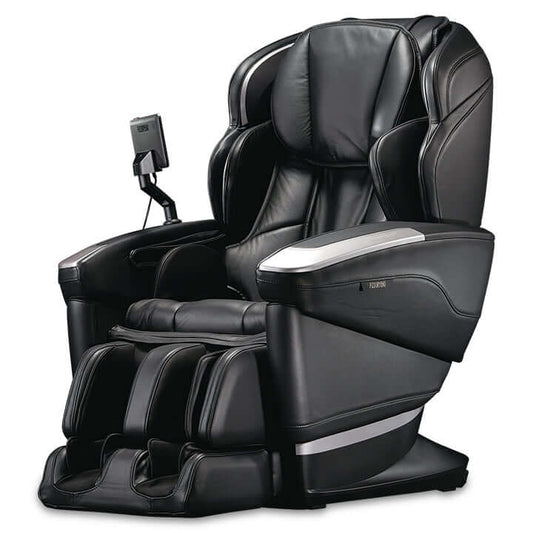
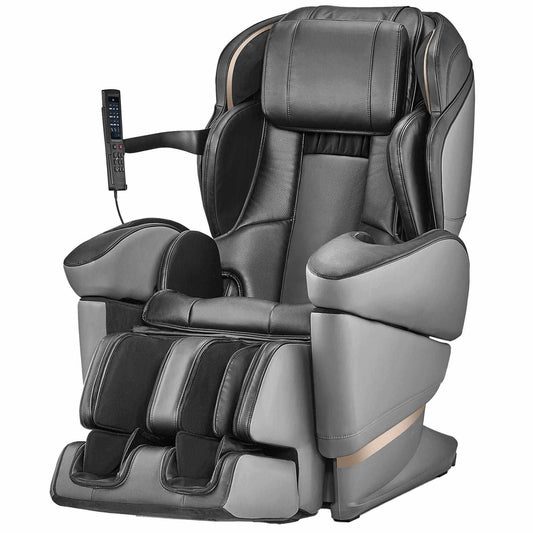
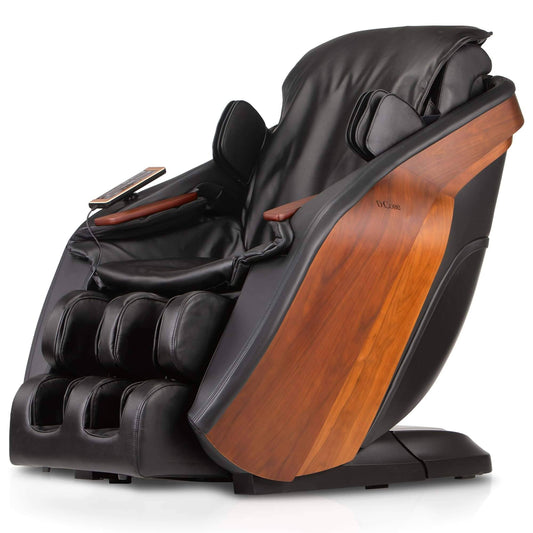

Cyber Relax AI: Your Full-Body Massage Technique Guide
Introduction
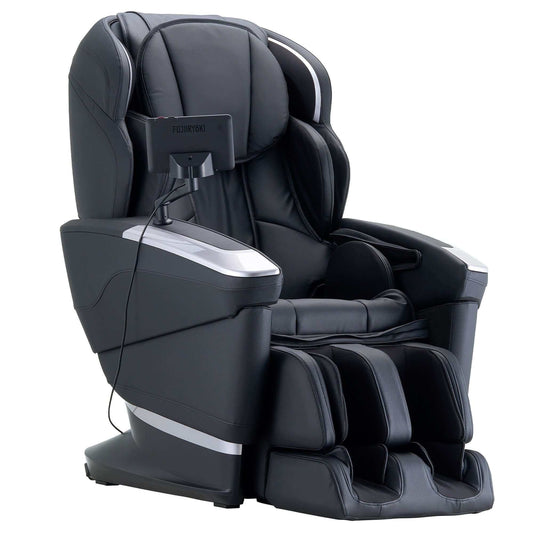
Welcome to an in-depth, presentation-style guide that unpacks the full potential of Fujiiryoki's Cyber Relax AI. This article is crafted to educate, inspire, and empower readers to leverage advanced massage technology for pain relief, fatigue reduction, and improved circulation. Structured like a slide deck, it blends practical how-tos with technical insights so clinicians, therapists, and wellness enthusiasts can follow along, replicate the flow, and customize sessions to fit diverse needs.
Slide 1 — Model Overview
Cyber Relax AI represents a pinnacle in automated, adaptive massage. Key attributes include real-time body mapping, dynamic pressure adjustment, multi-modality integration, and a focus on full-body coverage. The system synthesizes several massage paradigms to tailor sequences to each user’s unique physiology, goals, and tolerance. This section outlines the core capabilities you will rely on during demonstrations and daily use.
- Adaptive pressure and tempo based on feedback
- Coordinated, multi-zone massage across the back, legs, arms, and neck
- Presets and custom programs for pain relief, fatigue reduction, and circulation enhancement
- Safety features including monitoring of tension thresholds and auto-stop if discomfort is detected
- Intelligent scheduling and session tracking for ongoing progress
Slide 2 — Massage Techniques in the Cyber Relax AI Toolkit
The toolkit blends classic modalities to address diverse relief goals. Core techniques include:
- Swedish Massage — long strokes and broad effleurage to warm up tissues and promote circulation
- Deep Tissue Massage — targeted pressure to release chronic knots in deep muscle layers
- Trigger Point Massage — precise work on active trigger points to alleviate referred pain
- Acupressure — pressure on traditional points to balance energy flow and relieve tension
- Shiatsu Massage — rhythmic kneading and kneading pulses to energize the spine and major joints
- Reflexology — targeted work on hands and feet to support systemic balance
- Kneading — generic, versatile technique for general muscle refurbishment
In Cyber Relax AI, these modalities are choreographed to honor tissue mechanics, minimize cross-tissue interference, and maximize relaxation without over-stimulation.
Slide 3 — Targeted Body Parts for a Full-Body Session
The system can address a comprehensive map of regions to ensure no area is neglected. Common targets include:
- Ankle
- Back
- Calf
- Feet
- Hands
- Head
- Heel
- Knee
- Legs
- Neck
- Shoulder
- Thigh
- Whole Body
- Wrist
Each zone receives a tailored sequence that respects anatomical structures, fascia lines, and vascular pathways to improve blood flow and reduce fatigue without overstressing tissues.
Slide 4 — Techniques Matched to Body Areas
Effective pairings help maximize relief while preserving comfort. Examples include:
- Back and Shoulders: Swedish for broad relaxation, followed by Deep Tissue/Trigger Point on tight knots
- Neck and Head: Gentle Shiatsu and Acupressure to release cervical tension
- Calves and Ankles: Kneading combined with Reflexology to boost venous return
- Feet and Hands: Reflexology and targeted kneading for systemic balance
- Thighs and Hamstrings: Deep Tissue to address stiffness and improve flexibility
Slide 5 — Benefits of a Fujiiryoki Full-Body Massage
Engaging with Cyber Relax AI yields a broad spectrum of benefits, making it suitable for daily use as well as targeted therapies. Core benefits include:
- Blood Flow Control — enhanced circulation supports nutrient delivery and waste removal
- Fatigue Relief — renewed energy through improved tissue oxygenation and relaxation
- Flexibility Improvement — reduced muscle stiffness and improved range of motion
- Injury Recovery — supported tissue repair through balanced loading and mobility
- Muscle Therapy — comprehensive work on superficial and deep muscle layers
- Pain Relief — mitigation of acute and chronic pain patterns
- Spine Alignment — postural support through gentle alignment cues
- Stress Relief — autonomic balance and mood elevation via parasympathetic activation
- Tissue Therapy — improved tissue health through systematic, progressive stimulation
Slide 6 — How to Use for Pain Relief, Fatigue Reduction, and Circulation Enhancement
To maximize outcomes, follow these guidelines for session design and execution:
- Begin with a light option to warm up tissues and reduce guarding
- Progressively increase pressure as comfort allows, staying within tolerance
- Start with 15–20 minutes for focused areas or a full-body session and gradually extend to 40–60 minutes
- Schedule regular sessions (e.g., 3–4 times per week) for sustained benefits
- Pair sessions with gentle stretching, hydration, and proper sleep hygiene
Slide 7 — Safety and Customization
Safety is foundational. Always consult a clinician if you have medical conditions or injuries before starting new massage therapies. Customization options include:
- Pressure ramps and tempo adjustments to suit sensitivity
- Target zones prioritization for pain or stiffness hot spots
- Program scheduling and memory for personal preferences
- Tempo and stroke patterns that align with user goals
For sensitive populations (elderly, pregnant, or post-surgical individuals), use cautious presets and shorter durations, with professional guidance when needed.
Slide 8 — Technology in the Cyber Relax AI Engine
This section delves into the tech backbone that makes the AI responsive and safe. The system relies on:
- Advanced sensors to map contours, pressure tolerance, and muscle response
- Real-time feedback loops to adjust technique and intensity
- Machine learning models that refine sequences based on user history and goals
- Safety interlocks and fail-safes to prevent excessive force or unwanted motion
- Connectivity with companion apps for monitoring and program sharing
Slide 9 — Personalization and Profiles
Personalization makes the experience meaningful over time. Features include:
- User profiles storing preferences for pressure, tempo, and technique emphasis
- Presets for different goals: pain relief, fatigue reduction, circulation enhancement
- Adaptive learning that adjusts based on feedback signals like comfort and perceived effort
- Voice-guided prompts and visual cues to guide sessions
Slide 10 — Session Structures and Rhythm
A well-structured session balances stimulation with rest. Suggested rhythms:
- Warm-up: 3–5 minutes of light strokes and gentle kneading
- Core phase: 20–30 minutes of targeted modality work on priority zones
- Cool-down: 5–10 minutes of light effleurage and slow stretching guidance
- Breathing cues: diaphragmatic breathing to aid relaxation and circulation
Slide 11 — Maintenance and Durability
Maintaining performance is key for longevity. Best practices include:
- Regular cleaning of upholstery and air filters
- Inspecting moving parts for wear and lubricating as recommended by the manufacturer
- Periodic professional service and firmware updates
- Using the system within recommended environmental conditions to preserve mechanisms
Slide 12 — Use Cases and Real-World Scenarios
Different audiences can benefit from tailored programming. Examples include:
- Office workers: short, frequent sessions focusing on neck, shoulders, and lower back to counteract deskbound fatigue
- Athletes: sport-specific sequences targeting calves, thighs, and hips to support recovery
- Caregivers and shift workers: longer, restorative sessions for full-body balance
- Older adults: gentler presets emphasizing joint comfort and circulation
Slide 13 — Troubleshooting and Common Issues
Most concerns can be resolved with adjustments and basic checks:
- Discomfort or pinching: reduce pressure, adjust depth, or switch to a gentler modality
- Uneven coverage: re-scan body mapping or reposition seating to align contact blocks
- Overheating or unusual noises: pause, check for obstructions, and consult maintenance guides
- Inconsistent response: ensure software is up to date and calibration performed
Slide 14 — FAQ: Quick Answers for Practitioners and Enthusiasts
Answers to common questions for immediate reference:
- What is the recommended duration for beginners? 15–20 minutes, gradually increasing
- Is this suitable for people with sensitive skin or allergies? Opt for hypoallergenic covers and test patches
- Can I use this while recovering from an injury? Always consult a clinician first; follow manufacturer guidelines
- How often should I schedule sessions for optimal results? 3–4 times per week for most users
Slide 15 — Case Studies and User Feedback
Illustrative scenarios demonstrate outcomes and practical gains:
- Case A: Chronic lower back pain reduced after 6 weeks of targeted sessions
- Case B: Post-exercise fatigue relieved through calf and thigh-focused routines
- Case C: Improved sleep quality linked to evening relaxation programs
Slide 16 — Safety Considerations for Special Populations
Special populations require careful handling. Guidelines include:
- Pregnancy: avoid abdominal and certain pressure zones unless cleared by a clinician
- Post-surgical recovery: lower intensity and shorter durations with medical approval
- Cardiovascular concerns: consult healthcare providers before beginning intense routines
Slide 17 — SEO and Content Strategy for Wellness Tech Posts
To help content reach a broader audience, integrate evergreen keywords naturally. Focus on topics like full-body massage, Fujiiryoki massage chairs, pain relief, circulation, fatigue reduction, and relaxation techniques. Use structured headings, bullets, and scannable summaries to improve readability and search engine indexing.
Slide 18 — How to Integrate with a Wellness Routine
Maximize impact by pairing sessions with lifestyle habits:
- Hydration and nutrition that support tissue health
- Regular movement breaks during sedentary workdays
- Sleep hygiene practices to consolidate recovery
- Mindfulness or breathing exercises to amplify relaxation
Slide 19 — Compliance, Certifications, and Best Practices
Adherence to safety and ethical guidelines is essential. This section covers:
- Reading manufacturer manuals and following warranty terms
- Documenting sessions for progress tracking while respecting privacy
- Adhering to medical advisories where relevant
Conclusion
This extensive, slide-based guide provides a roadmap for leveraging Cyber Relax AI to achieve pain relief, fatigue reduction, and enhanced circulation. By understanding the modality toolkit, body-part targeting, and session design, readers can confidently demonstrate, customize, and optimize full-body massage experiences with Fujiiryoki technology. Use this as a blueprint for training, presentations, or personal practice to unlock the full wellness potential of your massager.
Tags:
Previous
Japanese Versus Imported Massage Chairs Compared
Next
Fujiiryoki Cyber Relax AI: Massage Techniques for Circulation and Fatigue Relief