
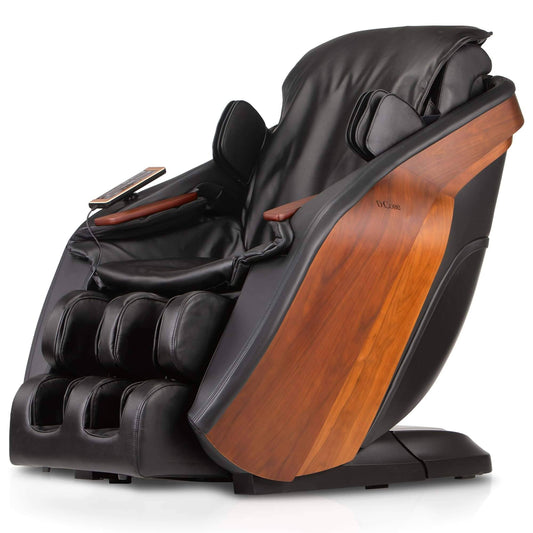

Choosing a Heated Deep Tissue Massage Chair
A heated deep tissue massage chair earns its place in a home when it does more than feel pleasant for 15 minutes. The right model should deliver targeted pressure to the areas that hold tension most persistently - the neck, shoulders, mid-back, lower back, glutes, and calves - while controlled heat helps the body settle into the massage. For professionals, active households, and anyone building a more intentional recovery routine, that combination can turn an evening chair into a serious wellness investment.
The key is understanding that heat and deep tissue performance are not interchangeable features. A chair can offer warming pads without delivering meaningful massage depth. It can also provide strong roller pressure without the ergonomic support, adjustment range, or heat placement that makes a session comfortable enough to use regularly. Premium models are designed to bring these elements together with greater precision.
What a Heated Deep Tissue Massage Chair Should Deliver
Deep tissue massage is not simply the strongest setting on a remote. In an advanced massage chair, it is the ability to apply focused, deliberate pressure along major muscle groups with enough control to feel restorative rather than punishing. That depends on roller construction, massage mechanisms, track design, body scanning, and the chair's ability to adapt to the person sitting in it.
Heat supports this experience by gently warming specific areas, most commonly the lumbar region, seat, calves, or feet. Warmth can make a massage feel more comfortable, particularly after long periods of sitting, travel, exercise, or repetitive movement. It may also help users relax before a more intensive program begins. The sensation should be even and regulated, not overly hot or limited to a small, poorly placed panel.
A premium chair treats these functions as part of one coordinated system. The rollers identify the body, the recline position reduces strain, the air cells stabilize and compress surrounding muscle groups, and heat complements the program rather than operating as a separate novelty feature.
Massage Depth Starts With the Mechanism
The quality of a chair's deep tissue performance begins with its massage mechanism. Basic chairs may use fixed rollers with limited travel and a narrow range of intensity. Higher-end systems use advanced roller assemblies that can vary speed, width, rhythm, protrusion, and pressure across the back.
4D and 5D systems offer more control
A 4D massage chair typically adds adjustable roller depth to the familiar up-and-down, side-to-side, and speed variations. This allows the rollers to move farther forward when more direct pressure is wanted and retract when a gentler treatment is preferred. For buyers seeking a deep tissue experience, that depth adjustment is often more useful than a long list of automatic programs.
5D AI massage systems take personalization further by using sensors and programmed logic to respond to body shape, tension patterns, and user preferences. The exact experience varies by model, but the goal is consistent: a massage that feels less generic and more closely calibrated to the person in the chair. This is especially valuable in shared households, where one user may want firm shoulder work while another needs a moderate lower-back program.
More intensity is not automatically better. An executive-grade chair should let users fine-tune the experience by zone, technique, and session length. If the rollers feel too aggressive at the shoulder blades or too light through the lower back, a capable system gives the user a practical way to correct it.
Track length changes where the massage can work
An SL track is a defining feature for many deep tissue buyers. It guides the rollers from the upper back down through the lumbar area and along the curve toward the glutes or upper hamstrings. That extended coverage matters because tension rarely ends at the waistline.
An S track can still be an excellent choice for shoppers who prioritize focused back massage and a more compact chair profile. However, an SL track generally provides a more complete lower-body experience. Buyers who spend long days at a desk, drive frequently, or train regularly often appreciate the additional glute coverage.
Why Heat Placement Matters More Than a Heat Icon
Not every heated massage chair uses heat in the same way. Lumbar heat is the most common configuration and can be highly effective for many users. Yet a chair with added heat in the calves, feet, or seat can create a more complete post-workday or post-workout routine.
Consider where your fatigue accumulates. If lower-back stiffness is the central concern, focused lumbar heat paired with deep roller work may be the right priority. If standing, walking, or athletic training leaves the legs feeling heavy, look for calf and foot warming features alongside air compression and reflexology-style foot rollers.
Heat should also be adjustable when possible. A lower setting can add a quiet sense of comfort during an evening program, while a higher setting may suit someone who prefers more pronounced warmth before or during massage. The best setting is personal, and premium equipment should respect that.
Zero Gravity Makes Firm Massage Easier to Enjoy
Zero gravity positioning is not merely a luxury visual. By elevating the legs and reclining the body into a more balanced position, it can reduce the load placed on the spine and help the user settle more fully into the chair. It also creates better contact between the body and the massage mechanism.
For a heated deep tissue massage chair, this matters because strong roller work can feel more controlled when the body is properly supported. Instead of bracing against the chair, the user can let the shoulders, hips, and legs relax into the session. Many shoppers find that a medium intensity setting in zero gravity feels more effective than a higher setting upright.
Look for multiple recline stages if more than one person will use the chair. A quick relaxation recline may be ideal between meetings, while a deeper zero gravity position can suit a longer recovery session at the end of the day.
Air Massage and Footwork Complete the Treatment
Deep tissue rollers address the spine and back muscles, but an elevated chair experience should not stop there. Air cells in the shoulders, arms, hips, calves, and feet use rhythmic compression to create a surrounding sensation that rollers alone cannot replicate. In the legs, air massage can be especially valuable for users whose daily routines involve standing, travel, or high activity.
Foot massage deserves equal consideration. Strong foot rollers may be deeply satisfying for some users but too intense for others. Adjustable intensity, removable foot pads, and calf extension features make a difference, particularly for households with users of different heights and sensitivity levels.
A chair that combines rollers, air compression, footwork, and heat can feel more balanced than a chair that concentrates all of its force in one area. It is not about having every feature available. It is about selecting functions that support the way your body actually carries stress.
How to Choose the Right Chair for Your Space and Routine
Before comparing massage programs, measure the room. Premium massage chairs need adequate clearance for recline, and some models use space-saving forward-slide designs that reduce the wall clearance required. Account for the chair's full footprint, delivery path, floor protection, and proximity to an outlet.
Then think about how often the chair will be used. A buyer seeking occasional relaxation may value a compact silhouette, curated automatic programs, and reliable lumbar heat. Someone who plans to use the chair after demanding workdays or training sessions may benefit from a more advanced 4D or 5D mechanism, an extended SL track, calf and foot treatment, and greater manual control.
Build quality should remain central to the decision. Made in Japan massage chairs and ultra-premium models often justify their position through engineering precision, refined materials, thoughtful ergonomics, and a more nuanced massage feel. They are durable wellness furnishings, not disposable gadgets. For value-focused buyers, a carefully selected refurbished premium chair can also provide access to higher-level performance at a more attainable investment.
Use Deep Tissue Features With Good Judgment
A massage chair can support relaxation and everyday comfort, but it is not a replacement for medical assessment or treatment. Anyone with a recent injury, acute pain, circulation concerns, neuropathy, implanted medical devices, or a condition affected by heat should consult a qualified healthcare professional before using intensive massage or heated functions.
Even healthy users benefit from moderation. Begin with a shorter program and lower roller depth, then adjust as your body responds. Deep tissue massage should feel purposeful, not sharply painful or numbing. The ability to tailor the session is one of the strongest reasons to choose a higher-quality chair.
A well-chosen heated deep tissue massage chair becomes most valuable when it fits naturally into the rhythm of your life: a focused shoulder session after a long presentation, leg recovery after a weekend on your feet, or a quiet zero gravity reset before bed. Choose the engineering and features that make you want to use it consistently, because that is where premium wellness seating proves its value.
Tags:
Previous
5D AI Massage Chair Features Worth Buying
Next
Fujiiryoki Cyber Relax AI Massage Masterclass: Complete Technique Guide