
Cyber Relax AI Massage Techniques for Better Blood Flow
Introduction
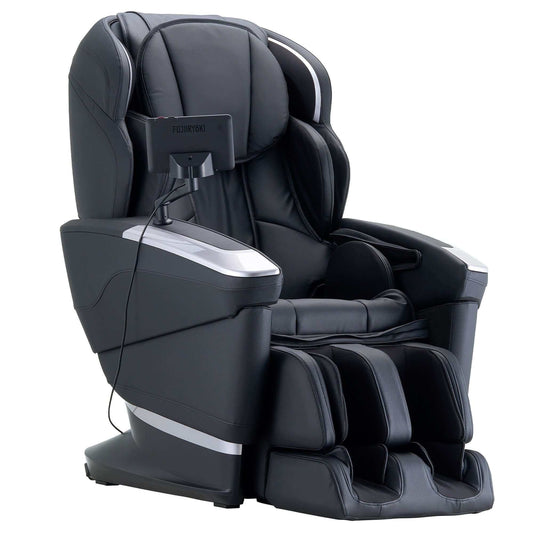
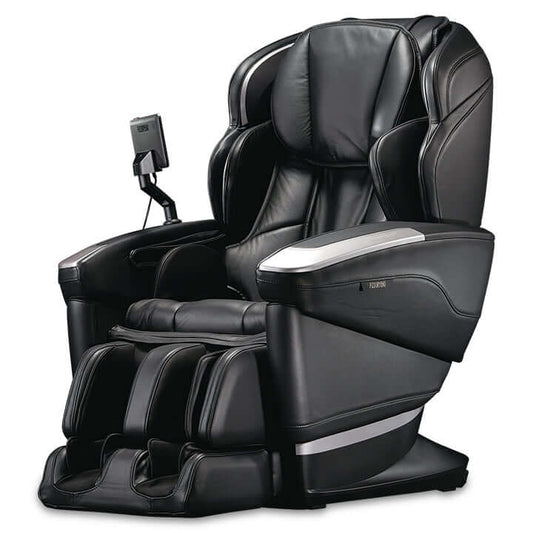
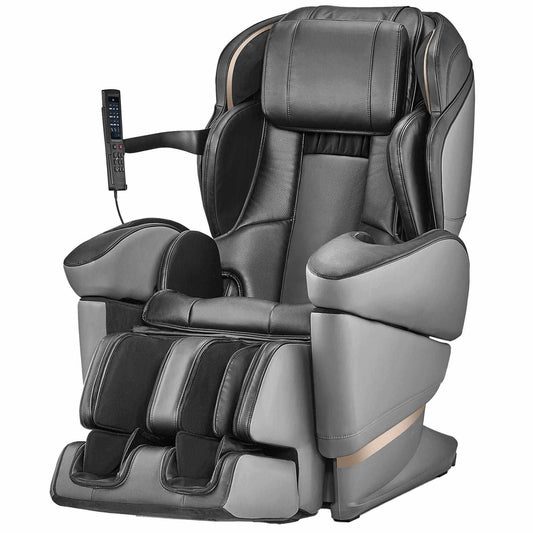
Welcome to an expansive, presentation-style exploration of the Fujiiryoki Cyber Relax AI system. This guide delves into the core techniques of Swedish massage, Deep Tissue massage, and Kneading, and explains how their coordinated application supports whole-body blood flow, fatigue recovery, and long-term wellness. Framed as a daily model spotlight with practical takeaways, this article is engineered to be both informative for readers and optimized for search visibility around high-intent terms in the wellness and massage chair space.
Why a Presentation-Style Breakdown Works for SEO and Usability
Structured, slide-like storytelling helps readers rapidly grasp complex technique combinations while enabling search engines to index key phrases such as session design, body part targeting, and benefit sets. This format makes it easy to skim for essentials and dive deeper into areas of interest, all while reinforcing the relevance of the Cyber Relax AI platform in modern home wellness routines.
Slide 1: Swedish Massage — The Gentle Warm-Up for Circulation
Swedish massage emphasizes long, gliding strokes, light kneading, and rhythmic strokes to awaken superficial muscle layers and prime the vascular system for deeper work. The technique improves venous return, relaxes the nervous system, and enhances overall flexibility, making it an ideal opening sequence for a full-body session. This foundation supports fatigue relief by reducing first-stage muscle tension and increasing tissue pliability.
- Targeted body parts: Ankle, Back, Calf, Feet, Hands, Head, Heel, Knee, Legs, Neck, Shoulder, Thigh, Whole Body, and Wrist
Slide 2: Deep Tissue Massage — Targeting Deeper Tascue and Fascia
Deep tissue work reaches beyond the superficial layers to address chronic tension, adhesions, and tight fascia. Slow, controlled pressure with deliberate strokes helps release stubborn knots, improve local blood flow, and support postural alignment. Regular deep tissue sessions can expedite fatigue relief, ease muscle soreness, and aid in injury prevention for active individuals.
- Targeted body parts: Ankle, Back, Calf, Feet, Hands, Head, Heel, Knee, Legs, Neck, Shoulder, Thigh, Whole Body, and Wrist
Slide 3: Kneading — Rhythmic Tissue Mobilization
Kneading imitates a skilled hand massage by lifting, compressing, and releasing muscle tissue in a rhythmic pattern. This technique enhances tissue elasticity, promotes lymphatic drainage, and sustains circulation after deeper work. Kneading complements Swedish and Deep Tissue by keeping metabolic byproducts moving toward the lymphatic system for more efficient clearance.
- Targeted body parts: Ankle, Back, Calf, Feet, Hands, Head, Heel, Knee, Legs, Neck, Shoulder, Thigh, Whole Body, and Wrist
Slide 4: Trigger Point Massage — Precision for Local Pain and Tight Bands
Trigger Point Massage locates specific hyper-irritable spots within muscle tissue and applies focused pressure to release localized tension. When used in combination with broader techniques, trigger points can dramatically reduce referred pain patterns and improve functional range of motion. This approach is particularly effective for stubborn knots in the back, neck, hips, and shoulders.
- Targeted body parts: Back, Neck, Shoulders, Hip/Thigh regions, and Legs
Slide 5: Acupressure — Pressure Points for Systemic Balance
Rooted in traditional modalities, acupressure uses strategic pressure along meridians to influence energy flow and autonomic function. In a cyber-assisted session, acupressure zones are integrated with dynamic massage to promote relaxation, reduce perceived fatigue, and enhance systemic blood flow.
- Targeted body parts: Entire Body, with emphasis on Neck, Shoulders, Back, and Hands
Slide 6: Shiatsu Massage — Deep, Holistic Alignment
Shiatsu applies finger and palm pressure along symmetry lines to restore balance in the muscular and connective tissue networks. This technique complements the other modalities by supporting spine alignment, joint mobility, and stress relief, creating a cohesive, whole-body recovery experience.
- Targeted body parts: Spine, Neck, Shoulders, Back, Hips, and Legs
Slide 7: Reflexology — Foot-Centered Relaxation with Systemic Effects
Reflexology focuses on reflex points in the feet that correspond to major organs and bodily systems. When integrated with upper body work, reflexology can enhance circulation, reduce fatigue, and provide a sense of overall wellbeing that extends beyond the feet.
- Targeted body parts: Feet, Ankles, and associated energy pathways throughout the body
Slide 8: The Science of Blood Flow and Fatigue Recovery
Massage therapy influences microcirculation, lymphatic drainage, and autonomic balance. The Cyber Relax AI orchestrates rhythm, pressure, and zone sequencing to stimulate venous return and capillary perfusion, supporting tissue oxygenation and metabolic waste removal. Consistent sessions are associated with improved tissue perfusion, faster recovery after exertion, and reduced muscle soreness.
- Key mechanisms: vasodilation, lymphatic pumping, and neuromuscular relaxation
Slide 9: Benefits in Focus — A Comprehensive List
- Blood Flow Control
- Fatigue Relief
- Flexibility Improvement
- Injury Recovery
- Muscle Therapy
- Pain Relief
- Spine Alignment
- Stress Relief
- Tissue Therapy
Targeted Body Parts and How Each Modality Helps
The following map helps you tailor sessions to the most common tension zones. Use the Cyber Relax AI to assign the right combination of Swedish, Deep Tissue, Kneading, and optional modalities for each area:
- Ankle
- Back
- Calf
- Feet
- Hands
- Head
- Heel
- Knee
- Legs
- Neck
- Shoulder
- Thigh
- Whole Body
- Wrist
Session Design: A Practical How-To for Daily Use
To maximize fatigue recovery and blood flow, follow these guidelines in a typical Cyber Relax AI session. The sequence is designed for consistency and adaptability across body types and activity levels.
- Warm-up with Swedish massage to prepare the muscles and gradually raise tissue temperature.
- Introduce deeper work with Deep Tissue on chronic tension or post-exercise soreness.
- Incorporate Kneading to sustain circulation and promote lymphatic drainage after deeper work.
- Fit in Trigger Point, Acupressure, or Shiatsu for focal relief as needed.
- Structure sessions with breathing cues and ankle-to-head or head-to-toe sequencing for systemic balance.
Design Variants for Different Goals
Whether you are recovering from a workout, managing daily fatigue, or seeking relaxation, you can adjust intensity, duration, and modality emphasis. For example, a Recovery Day plan prioritizes Deep Tissue and Kneading with longer hold times, while a Stress-Relief plan leans into Swedish and Shiatsu with lighter touch and mindfulness cues.
- Recovery and Performance: emphasis on Deep Tissue + Kneading
- Fatigue Management: Swedish warm-up + Kneading + Trigger Point
- Relaxation and Stress Relief: Swedish + Shiatsu + Acupressure
Personalization for Daily Use
Every body is different. Use these tips to tailor a daily routine that fits your physiology and schedule:
- Start with a conservative intensity and gradually increase as comfort allows.
- Prioritize areas of persistent tension but rotate focus to prevent overworking a single region.
- Pair sessions with mindful breathing to amplify relaxation and circulation benefits.
- Document responses to adjust modality mix over time for ongoing improvement.
Safety, Contraindications, and Best Practices
Always follow manufacturer guidelines and consult with a healthcare provider if you have medical conditions. General precautions include avoiding prolonged high-pressure application on vulnerable joints, reducing or avoiding work over fractures, fractures, open wounds, or inflammatory conditions unless cleared by a clinician. If you experience sharp pain, numbness, or dizziness, stop the session and seek professional advice.
Care and Maintenance for Long-Term Performance
To ensure optimal results from the chair, perform regular maintenance routines: clean surfaces with manufacturer-approved products, inspect cushions and straps for wear, check foot rollers and massage nodes, and schedule periodic professional servicing as recommended. Proper placement and posture during use also help maximize benefits for blood flow and fatigue recovery.
Frequently Asked Questions
Q: Can I use these techniques with a medical device or after injury? A: Always consult your clinician before combining chair-based therapy with other medical devices or post-injury rehabilitation.
Q: How long should a typical session last? A: Most users find 20–40 minutes provides meaningful benefits without overuse. Adjust based on comfort and goals.
Q: Are there body parts to avoid? A: Avoid prolonged pressure on joints with known instability, recent surgery areas, or acute inflammatory conditions unless advised by a clinician.
Conclusion
The Fujiiryoki Cyber Relax AI platform presents a compelling, presentation-style approach to exploring Swedish, Deep Tissue, and Kneading techniques for whole-body blood flow and fatigue recovery. By combining these core modalities with Trigger Point, Acupressure, Shiatsu, and Reflexology options, you gain a holistic, adaptable system for daily self-care. Use the structured slides as a blueprint for personalized routines, track your responses over time, and consider periodic refreshers to maintain momentum on your wellness journey.
Tags:
Previous
Fujiiryoki Cyber Relax AI: Full-Body Massage Techniques Explained
Next
Can Massage Chairs Relieve Stress at Home?