
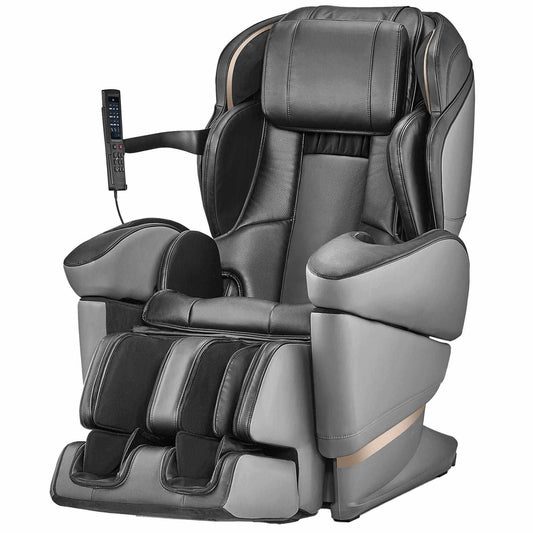

Can Massage Chairs Relieve Stress at Home?
A demanding presentation, a long commute, or hours at a desk can leave the body in a familiar state: shoulders elevated, jaw tight, lower back guarded, and thoughts still moving long after the workday ends. Can massage chairs relieve stress in that moment? For many people, they can become a highly effective part of a personal wind-down routine, especially when the chair combines precise massage technology, supportive positioning, and a setting that makes relaxation easy to repeat.
A premium massage chair is not a substitute for medical or mental health care. It also cannot remove the source of a difficult workload, caregiving responsibility, or major life event. What it can do is give the body a consistent opportunity to shift out of physical tension and into a calmer, more restorative state. That distinction matters when evaluating an at-home wellness investment.
Can Massage Chairs Relieve Stress? The Practical Answer
Stress is both mental and physical. A busy mind may show up as clenched muscles, shallow breathing, restlessness, headaches, or interrupted sleep. When the body remains tense for hours, it can be difficult to feel relaxed simply by deciding to rest.
Massage chairs address the physical side of that cycle through rhythmic pressure, kneading, tapping, rolling, stretching, and, on advanced models, controlled 4D or 5D movement. The sensation can ease muscle tightness in common stress-holding areas such as the neck, shoulders, back, hips, calves, and feet. As the body feels less guarded, many users find it easier to slow down mentally as well.
The result is not identical for everyone. Someone who enjoys firm deep-tissue work may feel restored by a focused 15-minute program, while another person may respond better to gentler rolling, warmth, and a reclined position. The best chair is not necessarily the one with the most features. It is the one whose massage style, fit, and programs invite regular use.
Why the Body Often Feels Calmer After Massage
The immediate benefit of massage is straightforward: it feels good to release tight, overworked tissue. Yet the value of a well-designed chair goes beyond simple comfort. It creates a dedicated period in which you are not standing, typing, driving, or reacting to another demand.
A massage session can help interrupt habitual muscle bracing. For professionals who spend the day looking at screens or making rapid decisions, that pause may be as valuable as the massage itself. The chair becomes a transition point between work mode and personal time, rather than another piece of furniture that goes unused.
There is also a practical advantage to having massage available at home. Booking an appointment can be worthwhile, but it requires planning and travel. A massage chair makes a short session possible before bed, after exercise, or between meetings. Frequency and consistency are often more realistic when recovery is within reach.
The role of zero gravity positioning
Zero gravity is one of the most meaningful features for stress relief because it changes how the body is supported. By reclining with the legs elevated, the chair distributes weight more evenly and can reduce the sense of compression through the lower back. Many users find this position encourages deeper relaxation than an upright massage alone.
In a premium zero gravity chair, the recline works with the massage mechanism rather than functioning as a separate convenience feature. The result is a more enveloping session, particularly when paired with shoulder, lumbar, or calf support. For someone whose stress is closely tied to sitting fatigue, this can make a noticeable difference.
Heat, air compression, and foot massage add comfort
Heated massage functions can make tight muscles feel more receptive to massage, particularly around the lumbar area and legs. Air compression can create a slower, surrounding sensation through the arms, calves, feet, and shoulders. Foot rollers and airbags can be especially welcome after travel, standing, or long days in dress shoes.
These features are not essential for every buyer, but they can turn a basic session into a more complete recovery ritual. The trade-off is preference. Some people love strong foot rollers or compression; others prefer them set to a lower intensity. Look for chairs that allow detailed adjustments instead of forcing a single experience.
Advanced Technology Makes Relaxation More Personal
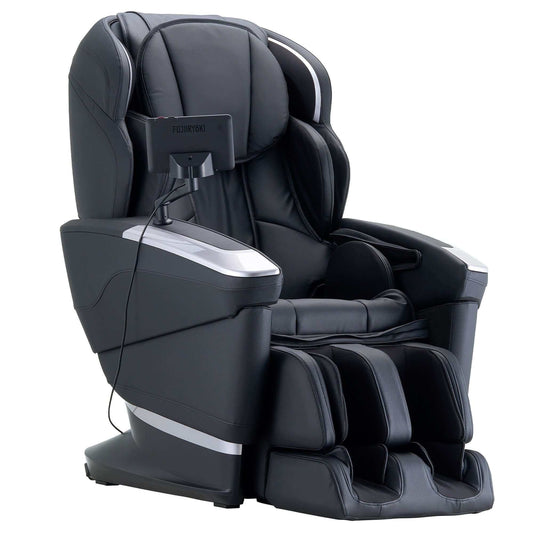
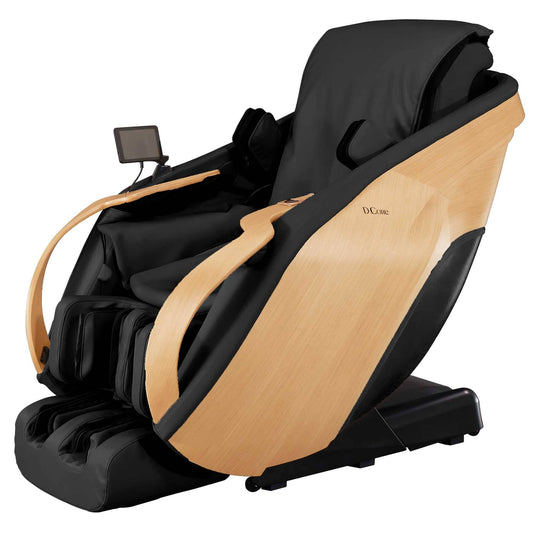
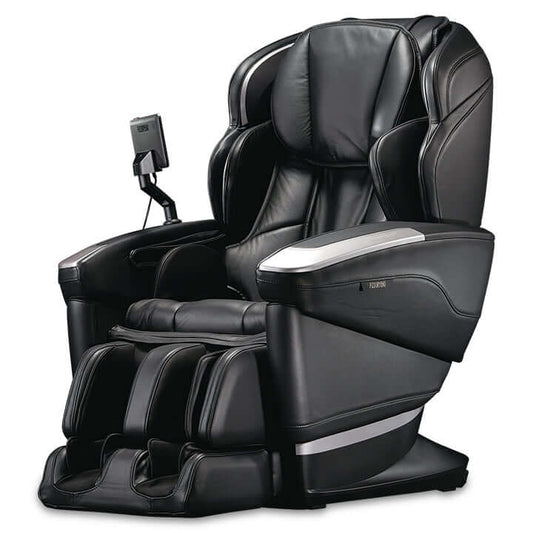
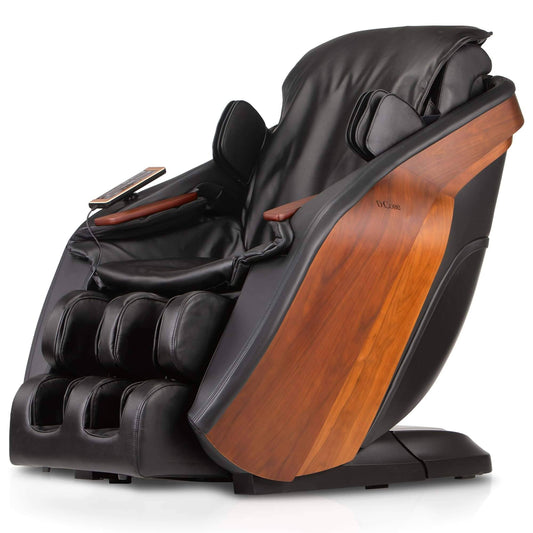
Luxury massage chairs have evolved well beyond a simple vibrating recliner. SL-track and extended-track designs allow massage coverage to travel from the upper back down toward the glutes, supporting a broader portion of the body. Body scanning helps the chair locate the shoulders and adapt the massage path to the user’s frame.
For buyers seeking more targeted performance, 4D massage adds control over roller speed, depth, rhythm, and movement. This creates a more nuanced treatment that can feel closer to varied human hand techniques. Select 5D AI massage systems go further by using sensors and intelligent programs to tailor the session around body condition and preference.
That level of technology is especially useful in a shared household. One person may want a vigorous executive-level deep tissue program after strength training, while another may prefer a quiet evening routine centered on gentle kneading and heat. Adjustable intensity, saved settings, touchscreen controls, and automated wellness programs make the chair more adaptable to both needs.
Made in Japan massage chairs are often a compelling choice for buyers who prioritize refined mechanics, durable construction, and a precise massage feel. Japanese engineering has long set a high standard in this category, particularly for roller movement, ergonomic fit, and the balance between powerful performance and controlled comfort.
Choosing a Massage Chair for Stress Relief
Start with the kind of tension you experience most often. If your upper back and shoulders carry the load of your workday, prioritize accurate body scanning, neck-to-glute coverage, and adjustable upper-body techniques. If lower-back fatigue is the issue, zero gravity, lumbar heat, and a supportive frame should lead the evaluation.
For full-body decompression, consider a chair with comprehensive air-cell compression, calf massage, foot rollers, and stretching programs. An SL track is valuable for buyers who want extended back coverage, while 4D or 5D technology is worth considering when depth and variety are a high priority. Higher-end chairs often provide the finer adjustments that make daily use more comfortable over time.
Size and placement deserve equal attention. A chair may deliver exceptional massage performance but feel inconvenient if it dominates the only quiet room in the house. Measure the space in both upright and reclined positions, and consider whether you want a wall-hugging design. The ideal location is somewhere you will naturally use it: a bedroom, home office, private lounge, or executive workspace.
Budget is also a question of intended use. An entry-level chair can provide welcome relaxation, while an ultra-premium model may justify its investment through deeper customization, superior materials, longer coverage, and a more sophisticated daily experience. Refurbished luxury models can offer a thoughtful path for buyers seeking advanced performance at a more accessible price point.
Build a Routine, Not Just an Occasion
A massage chair is most effective for stress relief when it becomes part of a repeatable routine. A 10- to 20-minute program after work can create a clear boundary between professional obligations and the evening. A gentler session before bed may help signal that it is time to slow down. After travel or exercise, a focused calf, foot, and back program can help restore a sense of physical ease.
Avoid treating intensity as a measure of quality. Deep tissue massage can feel excellent when muscles are particularly tight, but a strong session is not always the right answer. On high-stress days, a slower program with heat, air compression, and zero gravity may be more restorative. Let comfort, breathing, and how you feel afterward guide the settings.
If you have an injury, unexplained pain, circulation concerns, are pregnant, use implanted medical devices, or have a health condition that may be affected by massage or heat, consult a qualified healthcare professional before use. Stop a session if it causes pain, numbness, dizziness, or discomfort.
The most valuable massage chair is one that makes restoration feel accessible rather than aspirational. A thoughtfully engineered chair cannot solve every source of stress, but it can give your body a dependable place to release tension, reset, and make more room for the life waiting outside the workday.
Tags:
Previous
Cyber Relax AI Massage Techniques for Better Blood Flow
Next
Cyber Relax AI: Full-Body Massage Techniques and Recovery Benefits