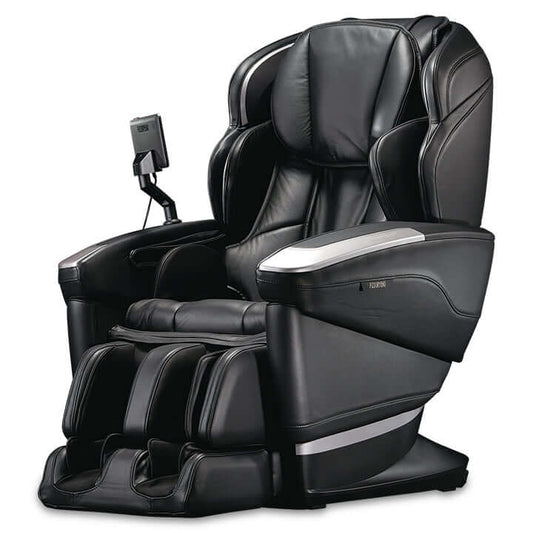
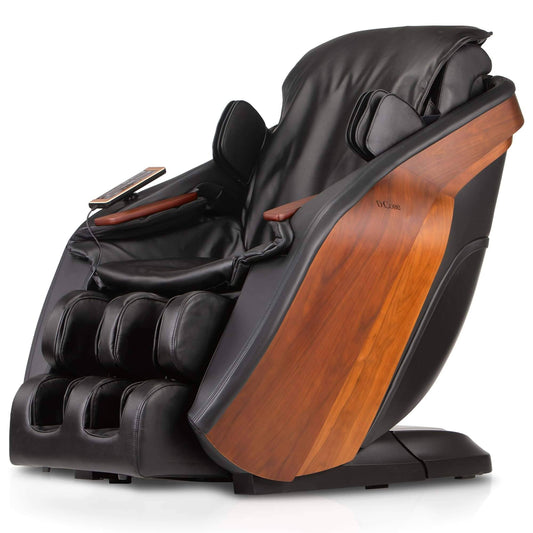
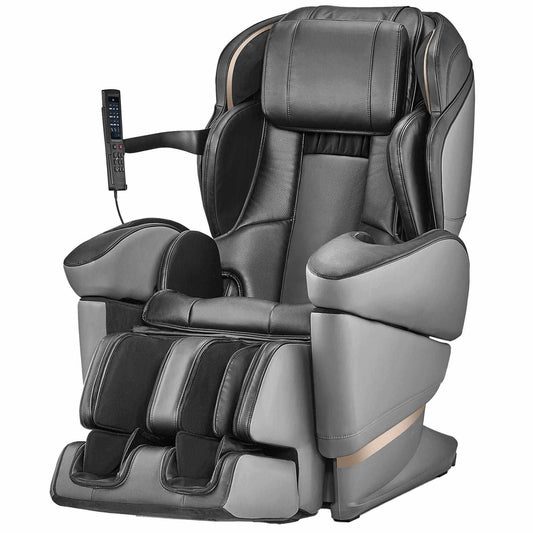

Cyber Relax AI: Full-Body Massage from Ankle to Wrist
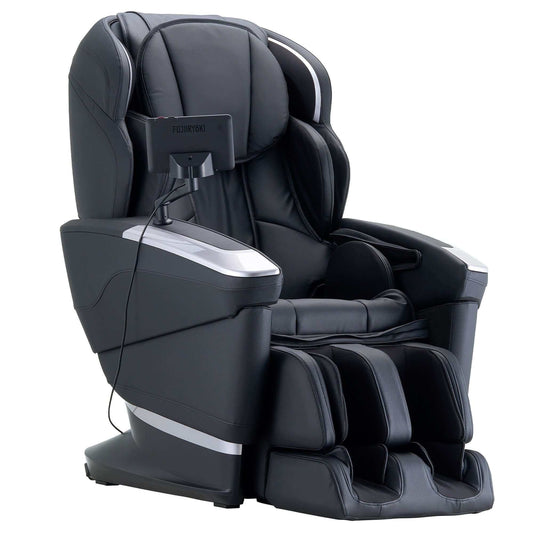
Welcome to an in-depth, presentation-style visual guide that walks you through ankle-to-wrist full-body massage using the Fujiiryoki Cyber Relax AI chair. This expanded guide blends multiple massage modalities into a cohesive, AI-assisted session designed to optimize blood flow, reduce fatigue, and improve mobility across the entire kinetic chain—from the ankles to the wrists.
Slide 1: Model Overview
The Cyber Relax AI chair delivers a comprehensive, adaptive massage experience tailored to individual needs. Core capabilities include sensor-driven customization, adaptive pressure, programmable zones, heat therapy, air-cell massage, and whisper-quiet operation suitable for home, studio, or corporate environments.
- AI-driven personalization with real-time feedback
- Full ankle-to-wrist coverage spanning legs, back, arms, and more
- Customizable intensity, speed, heat, and contouring
- Coordinated, multi-zone massage for a seamless flow
- Compact footprint with intuitive, mode-based controls
Slide 2: Anatomy of the Ankle-to-Wrist Full-Body Massage
Visualize how a single, well-orchestrated session influences mobility and circulation. Coverage begins at the feet and progresses upward through calves, thighs, back, shoulders, neck, and ultimately the arms and wrists in a synchronized pattern.
- Ankle and Heel: ankle joint, heel, lower leg
- Calf and Knee: gastrocnemius/soleus, knee vicinity
- Thigh and Leg Regions: quadriceps, hamstrings, proximal hip
- Back and Shoulders: erectors, scapulae, deltoids
- Neck and Head: upper neck, base of skull, scalp regions
- Arms and Hands: forearms, wrists, palms, fingers
- Whole-Body Synchronization: cross-channel sequencing for balanced relief
Slide 3: Massage Techniques and Their Applications
A careful blend of classic modalities targets soft tissue, fascia, and joints. Each technique is mapped to tissue type and comfort level to maximize effectiveness while reducing strain.
- Swedish Massage: long, gliding strokes to promote superficial circulation and relaxation
- Deep Tissue Massage: slower, deeper pressure to address muscle knots and connective tissue adhesions
- Trigger Point Massage: focused pressure on hyperirritable points to relieve referred pain
- Acupressure: precise pressure along meridians to ease tension and restore energy flow
- Shiatsu Massage: finger and palm work along major muscle groups and spinal pathways
- Reflexology: targeted stimulation of feet and hands to influence systemic balance
- Kneading: repetitive lifting and squeezing to release resistance within muscle tissue
Slide 4: Targeted Body Parts Coverage
The following mapping demonstrates how the cycle can be tuned to address specific regions from ankle to wrist. Each part benefits from a mix of techniques to maximize comfort and effectiveness.
- Ankle — Swedish, Kneading, Reflexology
- Heel — Reflexology, Swedish
- Calf — Kneading, Deep Tissue, Swedish
- Knee — Deep Tissue, Trigger Point, Acupressure
- Thigh — Swedish, Kneading, Deep Tissue
- Legs — Integrated combination for balance and stability
- Back — Deep Tissue, Shiatsu, Trigger Point
- Shoulder — Shiatsu, Kneading, Trigger Point
- Neck — Acupressure, Shiatsu, Gentle Swedish
- Head — Light Swedish, gentle cranial relaxation
- Arms and Hands — Kneading, Reflexology, Acupressure
- Wrist — Gentle Kneading, Reflexology, Acupressure
- Whole Body — Coordinated sequence across all regions
Slide 5: Core Benefits of Ankle-to-Wrist Full-Body Massage
These benefits explain why a presentation-style session can be transformative for daily performance and long-term wellness.
- Blood Flow Control: enhanced circulation supports tissue nourishment and recovery
- Fatigue Relief: reduces perceived exertion and accelerates restorative processes
- Flexibility Improvement: expands range of motion across major joints
- Injury Recovery: supports healing with controlled, progressive therapy
- Muscle Therapy: targets tight tissues and improves pliability
- Pain Relief: alleviates soreness from overuse and strain
- Spine Alignment: distributes tension to support posture
- Stress Relief: lowers sympathetic arousal and promotes calm
- Tissue Therapy: promotes connective tissue health and resilience
Slide 6: Step-by-Step Visual Guide to an Effective Session
- Preparation: Ensure correct chair setup, power is connected, and zone calibration is completed.
- Program Selection: Choose Auto or Custom modes; set ankle-to-wrist path, intensity, and heat level.
- Positioning: Sit comfortably with arms at sides and legs supported to enable smooth transitions.
- Zone Activation: Begin at the ankles and progress upward through calves, knees, thighs, back, shoulders, neck, and arms to the wrists.
- Technique Mix: Allow a blended sequence of Swedish, Deep Tissue, Trigger Point, Acupressure, Shiatsu, Reflexology, and Kneading.
- Adjustment: Tweak pressure, speed, heat, and pacing based on comfort and feedback.
- Cooldown: Gradually taper intensity with a gentle finish to wind down.
Slide 7: Why the Cyber Relax AI Stands Out
Compared with non-AI massage chairs, this model emphasizes adaptive personalization and safety-aware operation, delivering a tailored experience at home or in a studio setting.
- AI-driven customization of zone sequences and pressure profiles
- Real-time biofeedback to adjust intensity and coverage
- Intuitive presets for fatigue relief, mobility work, and recovery
- Sensor-based safeguards to protect sensitive areas and optimize posture
Slide 8: Safety, Maintenance, and Practical Tips
Maximize safety and longevity with these guidelines. If you have medical concerns, consult a clinician before using the chair.
- People with acute injuries, recent surgeries, or circulatory disorders should seek medical advice before use
- Keep upholstery clean; wipe down after use and follow replacement schedules for worn components
- Regularly inspect zippers, seams, and air cells for signs of wear
- Hydrate before and after sessions to support tissue recovery
- Avoid use if you experience dizziness, numbness, or sharp pain during a session
Slide 9: Real-World Setup and Optimization
Practical adjustments in home or studio settings enhance outcomes. Consider room lighting, ambient temperature, and a supportive chair mat to reduce floor resonance and improve ergonomics during longer sessions.
- Choose a quiet, distraction-free space to maximize relaxation
- Maintain a balanced room temperature to support heat therapy benefits
- Use a breathable, comfortable attire to enhance sensation and airflow
- Schedule regular sessions for consistent progression in mobility and circulation
Slide 10: Visual Language and Presentation Techniques
Effective visualization helps users understand the sequence, timing, and zones involved. This section explains how color-coding, pacing, and cueing work in a high-quality, presentation-style session.
- Color-Coding: assign colors to zones to indicate active vs resting phases
- Pacing: maintain a steady rhythm that aligns with breathing and relaxation cues
- Cueing: use on-screen prompts or spoken cues to guide transitions between regions
- Storyboarding: map the leg-to-arm journey as a cohesive flow rather than isolated patches
Slide 11: AI Personalization in Practice
Adaptive technology tailors the experience by monitoring user physiology and preferences. This includes real-time pressure adjustments, zone boundary refinements, and safe-guard mechanisms to protect sensitive areas.
- Baseline profiling based on height, weight, and target zones
- Dynamic adjustments for fatigue level, flexibility goals, and recovery needs
- Privacy and data handling considerations, with option to opt out of data collection
- Smart recovery playlists, timed heat cycles, and zone-specific intensities
Slide 12: Zone Mapping Deep Dive
Delve deeper into how ankle-to-wrist coverage maps to anatomy and function. This section expands on cross-zone synergy and why coordinated movements matter for whole-body health.
- Ankle-to-knee: lower-leg dynamics, venous return, and gait support
- Thigh-to-back: hip hinge, lumbar stability, and fascial release
- Back-to-shoulders: scapular mobility and thoracic extension
- Neck-to-head and arms-to-wrists: posture alignment and neuromuscular refresh
- Cross-zone synergy: how releasing one region enhances another
Slide 13: Real-World Scenarios: Home, Studio, Office
Different environments benefit from different programming. The Cyber Relax AI adapts to space, noise constraints, and session goals across settings.
- Home: relaxed routine, post-work de-stress, gentle mobility
- Studio: collaborative sessions, guided demonstrations, group wellness
- Office: proactive recovery, chair-based mobility breaks, fatigue management
Slide 14: Case Studies and Anecdotal Insights
These anonymized examples illustrate potential outcomes and usage patterns. Individual results vary based on baseline fitness, consistency, and medical history.
- Case A: a desk-based professional reports reduced leg swelling and improved morning mobility after 4 weeks of 20-minute ankle-to-wrist sessions
- Case B: an athlete uses targeted back and shoulder sequences to support post-workout recovery and reduced muscle soreness
- Case C: a retiree experiences enhanced circulation and comfort during longer seated activities
Slide 15: Alternative Techniques and Regional Focus
While the core modalities are foundational, the system can emphasize particular techniques to suit preferences or therapeutic goals.
- Swedish emphasis for overall relaxation and circulation
- Deep Tissue focus for stubborn knots in the calves, back, or shoulders
- Trigger Point sessions for regional pain relief, such as knee or neck
- Acupressure and Shiatsu to support energy balance and postural alignment
- Reflexology patterns tailored to feet and hands for systemic balance
Slide 16: Sensor Technology and Safety Features
Advanced sensors guide the massage to be effective yet safe. These features help protect sensitive areas while optimizing posture and flow.
- Body-mapping sensors determine zone boundaries and contour fit
- Pressure and motion sensors adapt in real time to feedback
- Automatic shutoff if improper alignment is detected
- Absolute-position safeguards to prevent excess compression on joints
Slide 17: Maintenance Schedule and Care
Proper upkeep extends the chair’s life and preserves performance. Establish a routine that covers cleaning, inspection, and component checks.
- Weekly: wipe surfaces; inspect upholstery for wear
- Monthly: test all modes, cushions, and air cells for leaks or misalignment
- Quarterly: calibrate zone mappings and update firmware if available
- Annual: professional servicing for deeper checks and part replacement as needed
Slide 18: SEO-Focused Keywords and Content Strategy
For readers and aspiring practitioners, this guide emphasizes clear, keyword-rich sections that support discoverability while maintaining informative, practical value.
- Keywords: Fujiiryoki, Cyber Relax AI, massage chair, ankle-to-wrist massage, full-body massage, blood flow, fatigue relief, mobility
- Content strategy: descriptive headings, topic clustering around massage modalities, region-specific guidance
- On-page signals: structured data-friendly headings, accessible language, and user-centric benefits
Slide 19: Frequently Asked Questions
Common questions help readers quickly assess suitability and understand how to maximize results.
- Q: Can I use it every day?
- A: Yes, with appropriate session length and listening to your body; start with shorter sessions and increase gradually.
- Q: Is it safe for pregnant users?
- A: Consult a clinician; many programs can be adapted, but medical clearance is advised.
- Q: How does AI personalization work?
- A: It adjusts zone sequences and pressure based on real-time feedback and preset goals.
- Q: What maintenance is required?
- A: Regular cleaning, upholstery care, and periodic professional servicing as recommended by the manufacturer.
Slide 20: Closing Thoughts and Next Steps
Exploring the ankle-to-wrist full-body approach with a Cyber Relax AI chair offers a visually engaging, multi-technique path to better blood flow, reduced fatigue, and improved mobility. Consider scheduling a demonstration or trial session to experience the cohesive interplay of techniques firsthand. For ongoing updates, case studies, and tips, follow this space and integrate the model into a balanced wellness routine.
Slide 21: Expert Tips for Maximizing Benefits
- Consistency beats intensity: shorter, regular sessions often yield better long-term results.
- Pair with light stretching or mobility work between sessions for lasting gains.
- Hydration and nutrition support tissue recovery and performance.
- Use heat therapy selectively to promote relaxation and tissue pliability.
Slide 22: Glossary of Terms
Key terms to know when exploring ankle-to-wrist full-body massage and AI-enhanced chairs.
- AI: Artificial Intelligence that personalizes sequences and pressure profiles
- Zone Mapping: dividing the body into reachable segments for precise control
- Deep Tissue: deeper pressure targeting muscle layers and fascia
- Reflexology: stimulation of feet and hands to influence overall balance
- Shiatsu: finger and palm pressure along meridians and major muscle groups
Slide 23: Quick Start Checklist
- Place the chair on a stable surface with proper clearance
- Calibrate height and zone alignment for ankle-to-wrist path
- Choose a mode, set intensity and heat, and begin with a short session
- Monitor body response and adjust as needed for comfort and effectiveness
Slide 24: Reference Gallery and Future Updates
Stay tuned for visual galleries, comparative analyses with other Fujiiryoki models, and augmented reality previews that demonstrate zone transitions and technique blending in real time.
Tags:
Previous
Executive Massage Chair for Office Buyers
Next
Unlock Full-Body Wellness: Master Ankle-to-Wrist Massage Techniques