
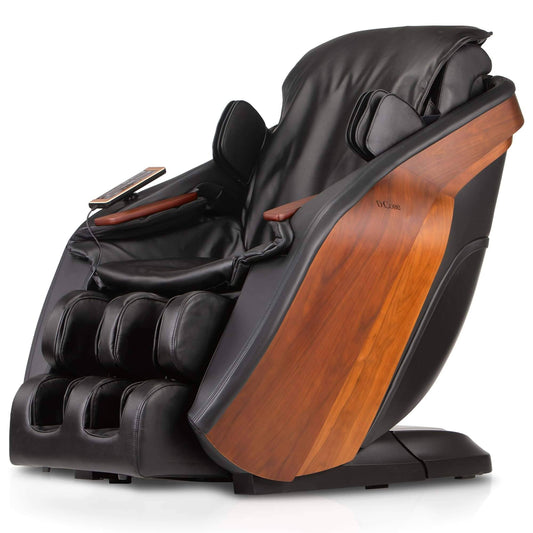

Best Massage Chairs for Back Pain at Home
A sore lower back after a long day at a desk is not always solved by a softer sofa. The best massage chairs for back pain are engineered to do something more deliberate: follow the body’s contours, apply controlled pressure where tension collects, and position the spine for more complete relaxation. For buyers making a premium wellness investment, the question is not simply which chair has the most programs. It is which technology aligns with the way your back actually feels.
A massage chair is not a substitute for medical diagnosis or treatment. Persistent, severe, or radiating pain deserves guidance from a qualified healthcare professional. But for everyday muscular tightness, postural fatigue, and recovery after demanding work or training, a well-chosen chair can become an exceptional part of an at-home wellness routine.
What Makes a Massage Chair Effective for Back Pain?
Back discomfort rarely stays in one tidy location. Tight shoulders can pull on the upper back, hip tension can influence the lumbar area, and long periods of sitting can leave the entire posterior chain feeling compressed. That is why premium massage chair design begins with coverage, adjustability, and body-aware mechanics rather than a single high-intensity roller setting.
The most capable chairs scan the user before a session, locating the shoulders and adapting roller placement to the individual. This matters because a massage that lands too high, too low, or too broadly can feel imprecise rather than restorative. Automatic body scanning, combined with manual adjustments, gives the user more control over where the chair works.
Intensity matters just as much. Deep tissue performance can be highly satisfying for dense muscle tension, but more force is not automatically better. A chair with several intensity levels, variable roller speed, and selective massage zones lets different members of a household find a setting they will use consistently. The right chair should feel substantial and targeted, not punishing.
Best Massage Chairs for Back Pain: Features to Prioritize
A long SL track for full-back coverage
An SL track combines the extended reach of an S-track through the natural curve of the spine with an L-track that continues beneath the seat toward the glutes and upper hamstrings. For many people with lower-back fatigue, this extended pathway is one of the most meaningful upgrades available.
The lower back does not work in isolation. When the hips and glutes are tight, a massage limited to the upper spine may leave part of the problem untouched. An advanced SL track can create a more connected session, moving from the neck and shoulders through the lumbar region and into the lower body.
Not every buyer needs the longest possible track. Someone primarily managing upper-back tension from computer work may place more value on precise shoulder positioning and neck techniques. Still, for broad, everyday back relief, SL track coverage is an excellent benchmark.
Zero gravity positioning for reduced spinal load
Zero gravity recline elevates the legs and distributes body weight more evenly across the chair. In practical terms, it can take pressure off the lower back while helping the rollers maintain more consistent contact with the body.
This feature is especially valuable for people who feel relief when reclining but do not want to lose the therapeutic focus of a massage. In a premium chair, zero gravity is not merely a luxury recline function. It is a foundational ergonomic position that supports a more comfortable and immersive session.
If space is a concern, look for a wall-hugging design. These chairs are engineered to recline with less clearance behind them, making executive-level comfort more realistic in a living room, bedroom, or dedicated wellness space.
4D or 5D massage for a more nuanced session
Traditional massage rollers move up and down and side to side. Advanced 4D systems also control roller depth and speed, allowing the chair to vary pressure and rhythm more like a skilled massage practitioner. This can be particularly useful for the upper and mid-back, where a steady, unchanging motion often feels mechanical.
5D AI massage systems add another layer of responsiveness, using advanced sensing and programming to tailor the massage experience. For buyers who want a chair to feel less generic across repeated sessions, this category is worth serious consideration. It can adjust the pace, depth, and focus of the massage with greater sophistication.
There is a trade-off. Advanced roller systems command a premium price, and their benefits are most apparent to users who value detailed customization. If your goal is gentle daily relaxation, an expertly built 3D or 4D chair may offer all the performance you need. If you want deeper, more adaptive work without constantly changing settings, a 5D AI model is a compelling ultra-premium choice.
Heat where the body needs it
Heated massage functions can make a meaningful difference when muscles feel stiff, especially after sitting, driving, or repetitive activity. Heat encourages the body to settle into the session, which can make rollers and airbags feel more comfortable at moderate intensity.
Look beyond a basic heated lumbar pad. Higher-end chairs may offer heating across the back, seat, calves, or feet. For back-focused use, targeted lumbar warmth remains a priority, but broader heating can make the overall recovery experience feel more complete.
Air compression and stretch programs
Rollers address muscle tissue directly. Airbags work differently, gently stabilizing, compressing, and stretching areas around the shoulders, arms, hips, legs, and feet. For back pain related to prolonged sitting or general stiffness, a well-designed stretch program can be one of the chair’s most valuable features.
These programs use the leg rest and air cells to create measured traction and movement through the hips and torso. The sensation should be supportive, not aggressive. Buyers with limited mobility, recent injuries, or specific spinal conditions should consult a healthcare professional before using intensive stretch modes.
Match the Chair to Your Type of Back Discomfort
For upper-back and shoulder tension, prioritize precise body scanning, adjustable shoulder width, neck coverage, and 4D roller control. Professionals who spend hours at a workstation often benefit most from chairs that can concentrate on the trapezius, shoulder blades, and upper spine without overwhelming the lower back.
For lumbar fatigue, an SL track, zero gravity recline, lumbar heat, and glute coverage should lead the decision. This combination supports a relaxed posture while extending the massage below the waistline, where much of the tension associated with sitting can accumulate.
For full-body stiffness, choose a chair that balances back performance with air compression, foot massage, and guided stretch programs. The goal is not to chase every feature. It is to create a recovery ritual that addresses the interconnected areas affecting how your back feels.
For users who prefer firm massage, look for adjustable roller protrusion and dedicated deep tissue programs. Start conservatively. A chair that can become more intense as your tolerance changes is more versatile than one that feels too forceful from the first session.
Premium Details That Change Daily Use
The best technical specification does little good if the chair is difficult to operate. Touchscreen remotes, clear auto-program labels, quick-access intensity controls, and personalized memory settings make it easier to use the chair often. That convenience matters because consistent, comfortable sessions are generally more valuable than occasional marathon massages.
Build quality also deserves attention. A premium massage chair is a complex piece of wellness equipment with rollers, motors, airbags, upholstery, and electronics working in concert. Made in Japan models are especially respected for meticulous engineering and refined massage mechanics, while executive and ultra-premium designs may add more advanced materials, AI controls, and elevated finishing details.
Consider practical fit before selecting a model. Review the chair’s user-height range, weight capacity, reclining footprint, doorway access, and intended placement. Taller users should pay close attention to shoulder position and leg extension, while petite users may need a chair with more precise body detection. A chair that fits the room but not the person is not a premium experience.
Choosing the Right Investment Level
Entry-level chairs can deliver pleasant heat, recline, and basic rolling massage. They may be appropriate for buyers focused on light relaxation or occasional use. However, shoppers seeking consistent relief from muscular back tension will typically appreciate the stronger ergonomics, broader track coverage, and finer adjustment available in higher-performance models.
The mid-premium category often offers the strongest balance of value and capability, including zero gravity, SL tracks, body scanning, and multiple automatic programs. Ultra-premium chairs justify their position with more advanced 4D or 5D technology, exceptional construction, deeper customization, and a more natural-feeling massage sequence.
Fujiiryoki USA curates advanced massage chairs across these performance levels, including Made in Japan, 4D, 5D, zero gravity, and SL track options. For value-conscious premium buyers, refurbished luxury models can also be a practical route to elevated engineering without starting at flagship pricing.
A massage chair should earn its place in the home through repeated use. Choose the model whose fit, track design, pressure control, and recline position make you want to sit down after the day is done. That is where a sophisticated wellness chair becomes more than a statement piece - it becomes a reliable place to reset.
Tags:
Previous
Fujiiryoki Cyber Relax Performance vs. Human Touch Novo XT Pro Plus
Next
Fujiiryoki Cyber Relax Elite: Full-Body Massage Techniques and Wellness Benefits