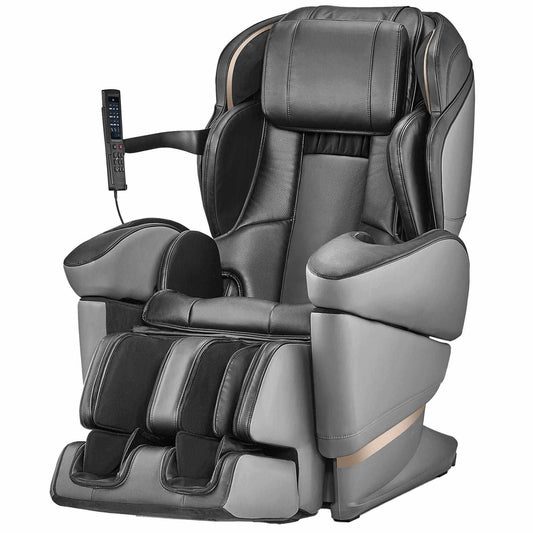
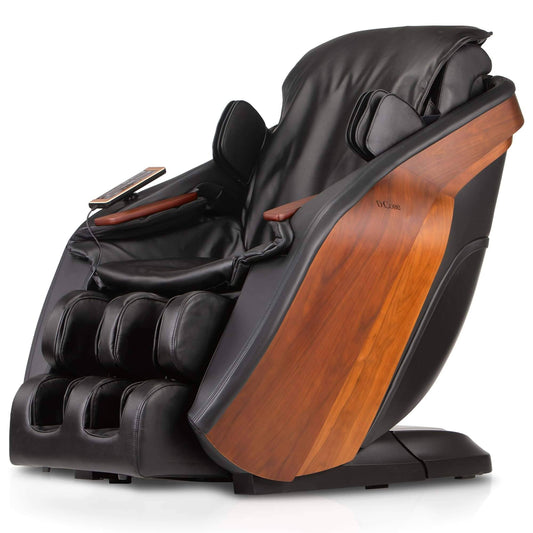

Best Massage Chairs for Athletes at Home
A hard training session rarely ends when the workout does. Tight hip flexors can change the way you move through the rest of the day, while lingering calf, shoulder, and lower-back tension can make tomorrow's session feel heavier than it should. The best massage chairs for athletes bring targeted, repeatable recovery into the home, with far more control than a basic vibration recliner.
For serious runners, golfers, strength athletes, cyclists, and active professionals, the right chair is not simply a luxury seat. It is a recovery station designed to address the muscle groups that absorb daily training volume. The difference comes down to massage depth, track coverage, body-positioning technology, and the ability to tailor each session to how your body feels that day.
What Athletes Need From a Massage Chair
Athletic recovery is highly individual. A marathon runner may prioritize calf and foot compression after long mileage, while a lifter may want focused work through the glutes, thoracic spine, and shoulders. The most capable chairs do not treat the entire body with one generic routine. They use scanning technology and adjustable intensity to create a more personal experience.
Deep-tissue capability should be high on the list. Look for precision rollers that can apply meaningful pressure across the upper and lower back, rather than relying mainly on air cells or surface vibration. Advanced 4D and 5D AI massage systems add another layer of refinement by varying roller speed, depth, rhythm, and pressure. This matters when you want a measured warm-down after a demanding session rather than a one-note massage.
An extended SL-track design is equally valuable. It gives the rollers a longer path from the neck and shoulders through the lumbar area and into the glutes, areas that frequently hold tension after cycling, lifting, court sports, and long periods of sitting. A shorter track can still be comfortable, but it may not provide the lower-body coverage an active buyer expects from a premium chair.
Zero Gravity Is More Than a Comfort Feature
Zero gravity positioning elevates the legs and reclines the body to distribute weight more evenly. For athletes, this can reduce the feeling of compression through the lower back and encourage a more relaxed position for a massage session. It also allows the rollers to maintain steady contact with the back without asking the body to brace against the chair.
This feature is especially useful after leg-intensive workouts or a long day on your feet. Pair it with calf compression, foot rollers, and heat, and the chair becomes a practical evening recovery ritual. Zero gravity is not a substitute for mobility work, hydration, sleep, or medical care, but it can make consistent recovery easier to maintain.
Best Massage Chairs for Athletes: Features That Matter
The best choice depends on your training style, body type, sensitivity to pressure, and available space. Still, certain features consistently separate entry-level massage seating from an athlete-ready investment.
Advanced Roller Technology
A premium 3D, 4D, or 5D chair can move its rollers outward from the track to better reach the musculature of the back. This is the performance feature to prioritize if you prefer a firmer massage or routinely experience dense tension between the shoulder blades, along the lumbar region, or around the glutes.
A 4D chair typically offers more control over speed and roller depth than a traditional 2D system. A 5D AI chair may use body sensing and automated adjustments to make the session feel more responsive. Neither designation automatically guarantees that a chair will feel right for every athlete. People with lean builds may need lower intensity settings, while larger users may value a chair with greater roller projection and a wider shoulder range.
Body Scanning and Personalized Programs
Automatic body scanning measures key points such as shoulder height and body contours before the massage begins. It helps align the rollers to your frame and reduces the chance of a program working too high or too low on the back. For a household with multiple users, this is a meaningful convenience feature.
Look for programs built around recovery, stretching, deep tissue, lower back, or whole-body relaxation. The strongest systems also allow manual adjustment of roller location, width, speed, air intensity, and massage technique. That control gives you a gentler session on a rest day and more focused work when your back or legs feel especially fatigued.
Calf, Foot, and Arm Compression
Athletes should not overlook the lower body. Air compression around the calves and feet can provide a soothing, rhythmic sensation after running, hiking, tennis, or a lower-body strength session. Foot rollers add more direct stimulation, although their intensity varies widely between models. If you are highly sensitive through the arches or have foot discomfort, select a chair with adjustable foot-roller intensity or the option to turn that function off.
Arm airbags are less essential for every buyer, but they can be worthwhile for golfers, climbers, racquet-sport players, and strength athletes who carry tension through the forearms and hands. These systems are most effective as part of a full-body routine rather than as a replacement for condition-specific treatment.
Heat and Stretch Functions
Heated massage functions can make a chair feel considerably more restorative, particularly through the lumbar area, calves, or feet. Heat may help muscles feel more relaxed before the rollers begin their work. It is best viewed as a comfort and recovery-enhancing feature, not a cure for an injury.
Automatic stretch programs use airbags, recline positioning, and roller movement to create gentle traction through the back, hips, and legs. For desk-bound athletes or anyone who feels compressed after travel, a well-designed stretch program can be one of the chair's most valuable daily functions. The experience should feel controlled, never aggressive. If you have acute pain, recent surgery, a disc condition, circulation concerns, or a diagnosed injury, consult a qualified clinician before using intense massage or stretch settings.
Match the Chair to Your Training and Space
A chair with every available feature is not always the right purchase. A compact 3D model with excellent lower-back work may serve a dedicated runner better than a large flagship chair with programs they will rarely use. Start with the recovery gaps you want to solve.
Endurance athletes often benefit from calf and foot coverage, zero gravity, and customizable recovery programs. Strength athletes usually place more value on deep roller extension, an extended SL track, glute coverage, and strong shoulder adjustment. Golfers and tennis players may appreciate shoulder, arm, and torso-focused programs with precise manual controls. For active professionals managing both training and demanding work schedules, a quiet chair with quick-start routines can make regular use more realistic.
Room planning deserves the same attention. Measure the installation area, including the space needed behind and in front of the chair when fully reclined. Space-saving wall-hugging designs are useful in bedrooms, home offices, and refined wellness rooms where a full-size executive chair must fit without overwhelming the layout. Also consider doorways, stair access, user height range, weight capacity, and whether the footrest accommodates longer legs comfortably.
Premium Design Is a Long-Term Recovery Decision
A high-end massage chair is used repeatedly, often for years. That makes build quality, upholstery, motor performance, and user interface more significant than a long feature list alone. Made in Japan craftsmanship, refined roller engineering, durable air systems, and intuitive touchscreen or remote controls contribute to an experience you will actually use after training.
Fujiiryoki USA curates massage chairs across luxury, zero gravity, SL-track, 4D, and advanced AI categories, making it easier to compare performance tiers without treating recovery as an afterthought. An ultra-premium model can be an excellent fit for a committed athlete, but a carefully selected deluxe chair with the right fundamentals can deliver more value than a flagship packed with features you do not need.
The right massage chair should fit into your routine as naturally as a post-workout meal or a well-planned rest day. Choose the model that delivers the pressure, coverage, and positioning your body responds to, then give yourself enough time to use it consistently. Recovery is rarely one dramatic intervention. It is the quality of the small habits you can repeat.
Tags:
Previous
Fujiiryoki Cyber Relax AI: Circulation and Fatigue Relief
Next
Cyber Relax AI: Seven Massage Techniques for Full-Body Wellness