
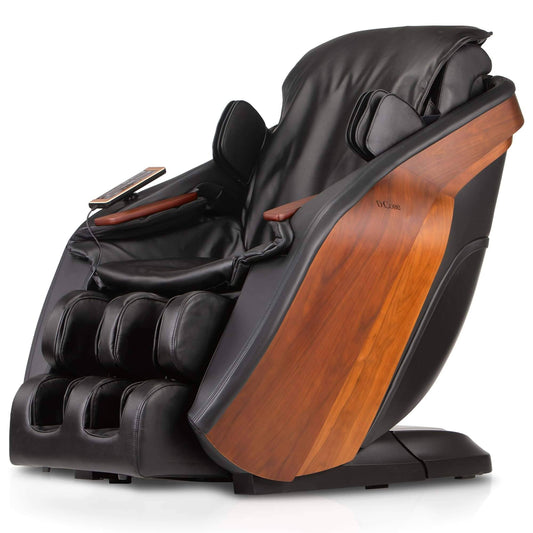

Are Massage Chairs Safe? A Premium Buyer’s Guide
A massage chair can turn the transition from a demanding workday to real recovery into a matter of minutes. But are massage chairs safe for regular use? For most healthy adults, a quality chair used as directed can be a comfortable, low-impact tool for relaxation, muscle comfort, and everyday wellness. The more useful answer is that safety depends on the person, the condition being managed, and the chair’s settings.
Premium massage chairs are designed to deliver controlled mechanical pressure through rollers, airbags, heat, reclining systems, and stretch programs. Those features can feel remarkably restorative when they are matched to your comfort level. They should never be treated as a substitute for medical diagnosis, treatment, or physical therapy prescribed for an injury or condition.
Are Massage Chairs Safe for Most Adults?
For an adult without a relevant health concern, a massage chair is generally safe when used according to the manufacturer’s instructions. A session can ease the sense of tightness that builds in the shoulders, lower back, hips, calves, and feet after sitting, traveling, training, or working long hours. It also offers a practical way to create a consistent decompression ritual at home or in a private office.
The key is measured use. Deep tissue rollers, compression airbags, and heated programs are adjustable because one person’s ideal recovery setting can be another person’s excessive intensity. Start with a short program, choose a lower roller speed and pressure level, and let your body guide the next session.
A well-engineered chair helps make that process easier. Advanced body scanning can map the user’s shoulder position and body profile before the massage begins, while adjustable roller width, intensity controls, and targeted programs allow a more personal fit. Zero gravity reclining can also distribute body weight more evenly, reducing the need to brace against the chair during a session.
When to Speak With a Healthcare Professional First
Massage chairs are not appropriate for every situation. If you have a medical condition, are recovering from a procedure, or have new or unexplained pain, ask your physician or qualified healthcare professional before using one. This is especially worthwhile when considering a chair with deep kneading, strong percussion, vigorous stretching, or heat.
Extra caution is sensible for people with osteoporosis or fragile bones, a history of blood clots, bleeding disorders, severe varicose veins, neuropathy, reduced sensation, uncontrolled high blood pressure, significant heart disease, or a spinal disorder. People taking blood thinners may bruise more easily and should get individualized guidance. Those with diabetes should be particularly attentive to foot and leg sensitivity, since reduced sensation can make excessive pressure or heat harder to notice.
Pregnancy also calls for professional advice before massage chair use, particularly with heat and intensive abdominal, hip, or lower-back programs. The same applies after surgery, during cancer treatment, and when recovering from fractures, acute strains, disc symptoms, or other injuries. A massage chair may be comfortable during recovery only when a clinician says it is appropriate for your specific circumstances.
If you use a pacemaker, implanted device, or other medical equipment, consult both your healthcare provider and the chair manufacturer’s safety guidance. Do not assume that a feature is suitable simply because it is gentle or convenient.
Settings Matter More Than Marketing Terms
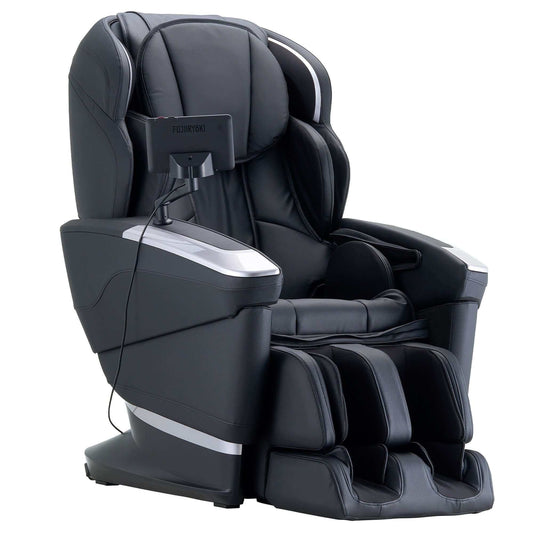
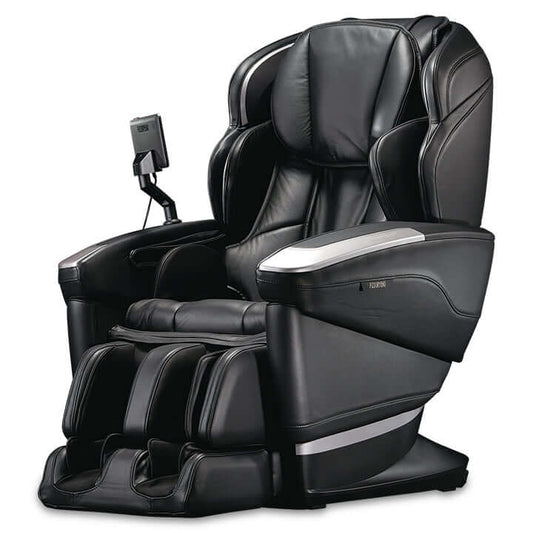
A 4D or 5D AI massage system, an SL track, and a zero gravity position can provide a more refined experience, but advanced technology does not mean every setting is right for every user. In fact, the range of adjustment is one of the strongest safety advantages of an ultra-premium chair.
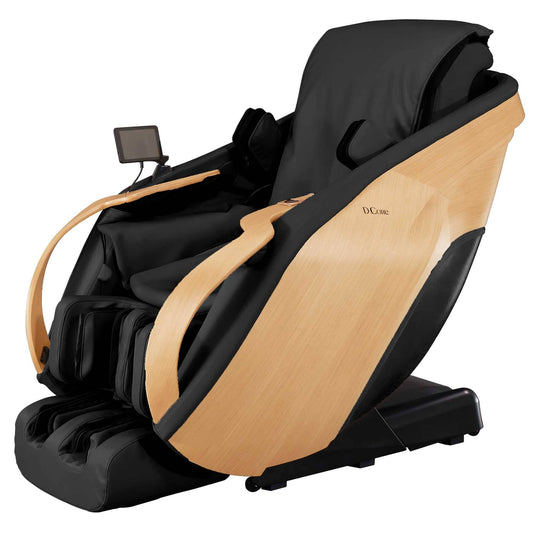
An SL track can support a longer massage path from the neck through the glutes, but a user with lower-back sensitivity may prefer a focused upper-body program or lower intensity through the lumbar area. A flex-frame chair that supports stretch movement may feel excellent after prolonged sitting, yet it may not be suitable for someone with an acute back issue. Heat can be soothing for stiff muscles, but it should be comfortable, never hot enough to cause sweating, skin irritation, or numbness.
Use the chair’s manual adjustment tools. Body scan results should be checked before each session, especially if the rollers feel too high at the neck or too low on the shoulders. Adjust the shoulder position, roller range, width, and intensity rather than trying to tolerate a program that feels misaligned. Precision is part of the premium experience.
How to Use a Massage Chair Safely at Home
The first few sessions should be brief, often 10 to 15 minutes, at a moderate or gentle setting. If your body responds well, you can gradually build toward the session length recommended in the owner’s manual. More intensity is not automatically more effective. A controlled massage that leaves you feeling loose and refreshed is a better outcome than one that leaves your muscles tender the next morning.
Position yourself fully against the backrest and keep hands, loose clothing, hair, jewelry, and blankets clear of moving components. Do not allow children to play on, under, or behind the chair. A massage chair is sophisticated wellness equipment with reclining and mechanical parts, not casual lounge furniture.
Avoid using the chair while impaired by alcohol, sedating medication, or extreme fatigue. You need to be able to recognize discomfort and operate the remote or emergency stop without delay. Hydration can also help after a session, particularly if you have been sitting for long periods or using a vigorous program.
Stop the massage immediately if you feel sharp pain, dizziness, nausea, numbness, tingling, shortness of breath, chest discomfort, or unusual weakness. Mild temporary tenderness can happen after a stronger massage, much as it can after exercise. Persistent pain, bruising, worsening symptoms, or discomfort that returns each time you use the chair is a reason to stop and speak with a healthcare professional.
Choose a Chair That Supports Better Control
Safety begins before delivery. A chair should fit the intended user’s height, weight, mobility, and available space. Review the product specifications, including the maximum user weight, recline clearance, doorway dimensions, and recommended placement. A large executive massage chair needs stable flooring and enough room to recline without contacting walls, furniture, or walkways.
For a household with multiple users, look for clear intensity adjustment, individual user profiles, body scanning, and accessible controls. These features are not merely conveniences. They make it easier for each person to avoid an overly aggressive setting. Older adults or users with limited mobility may also benefit from a chair with straightforward entry, exit, and remote operation rather than a model that requires navigating complex controls.
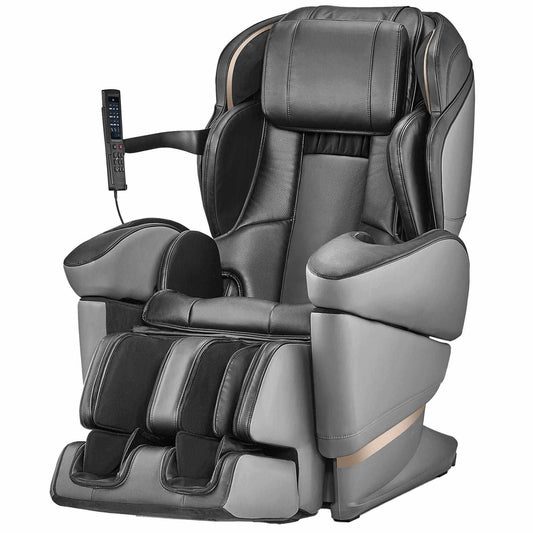
Build quality matters as well. Premium chairs use engineered frames, carefully calibrated roller systems, and controlled airbag sequences that create a more consistent massage. A well-supported chair is less likely to shift during use and more likely to deliver the intended motion without harsh, unpredictable pressure. Regularly inspect the upholstery, power cord, remote, and surrounding area, and arrange service promptly if the chair makes unusual sounds or behaves inconsistently.
The Right Standard Is Comfort, Not Endurance
A massage chair should make recovery feel more accessible, not become another source of strain. The best session is personalized: the right program, the right pressure, the right duration, and a clear awareness of what your body is telling you. For healthy users, that can make a high-performance massage chair a valuable part of an elevated home wellness routine.
If you are unsure, begin conservatively and get medical guidance before testing deep tissue, stretch, or heat programs. A premium chair gives you the technology to tailor the experience. Use that control well, and comfort can remain exactly what it should be: restorative.
Tags:
Previous
Cyber Relax AI Full-Body Massage: Step-by-Step Techniques
Next
Cyber Relax AI: Your Complete Massage Chair Wellness Guide