
How a Massage Chair Can Transform Your Sleep Quality
In our fast-paced modern world, achieving a good night's rest often feels like an impossible luxury. Millions of people struggle with chronic insomnia, restless nights, and waking up feeling completely exhausted despite spending eight hours in bed. While many turn to herbal teas, meditation apps, white noise machines, or expensive mattresses, a surprisingly effective yet often overlooked solution is sitting right in the living room: a therapeutic massage chair. Beyond offering pure relaxation after a long workday, integrating regular massage chair sessions into your daily routine can profoundly impact your sleep architecture, improve your nocturnal breathing, and elevate your overall restfulness. Let us explore the deep connection between mechanical relaxation and restorative sleep.
The Science of Stress, Tension, and Sleep
To understand why massage therapy dramatically improves sleep, we must first look at how stress affects the physiological systems of the body. When you experience chronic daytime stress—whether from demanding jobs, financial worries, or personal pressures—your sympathetic nervous system goes into overdrive, keeping your body in a constant state of "fight or flight." This evolutionary response manifests as persistent muscle tension, elevated heart rates, and chronically high levels of cortisol, the primary stress hormone.
High cortisol levels are notoriously disruptive to sleep architecture because they directly interfere with the production of melatonin, the hormone responsible for regulating your circadian rhythm. When your brain fails to produce adequate melatonin, falling asleep becomes a struggle, and staying asleep is nearly impossible. A high-quality massage chair acts as a physical reset button for this overactive nervous system. By delivering targeted pressure, soothing warmth, and rhythmic motion, it triggers the parasympathetic nervous system, commonly referred to as the "rest and digest" state. As your muscles relax and your heart rate slows down, your body naturally decreases its cortisol production and begins releasing serotonin and dopamine, creating the ideal physiological environment for deep, restorative sleep.
Key Mechanisms: How Massage Chairs Promote Better Sleep
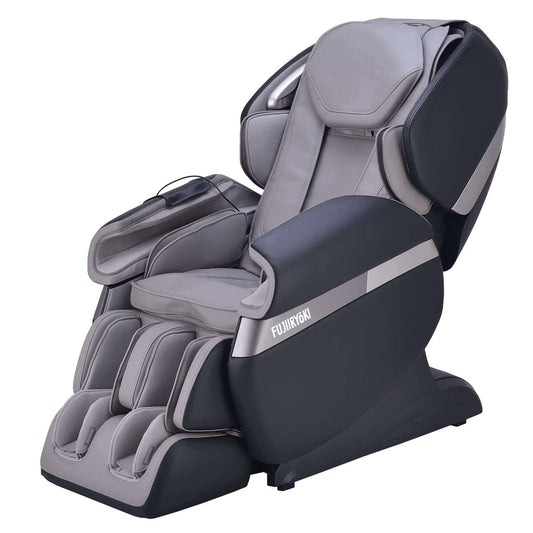
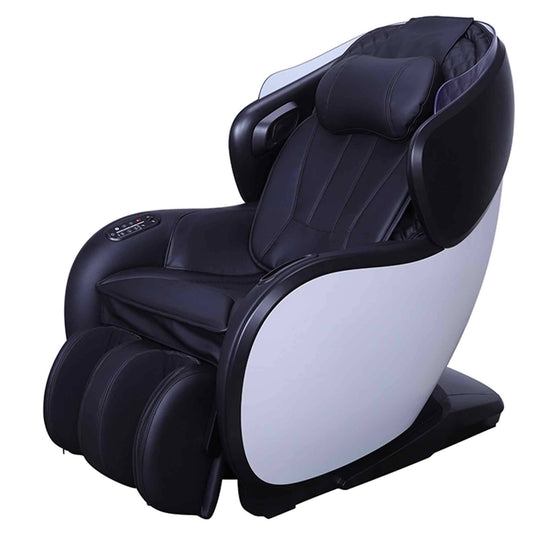
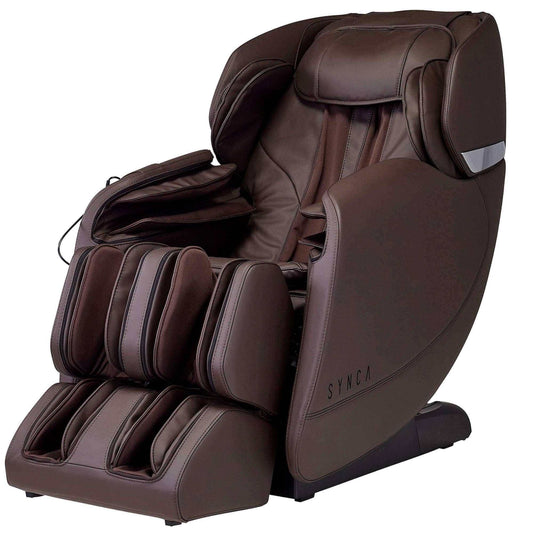
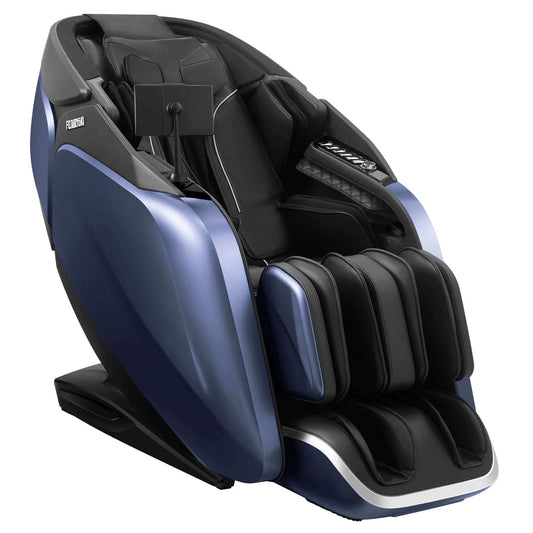
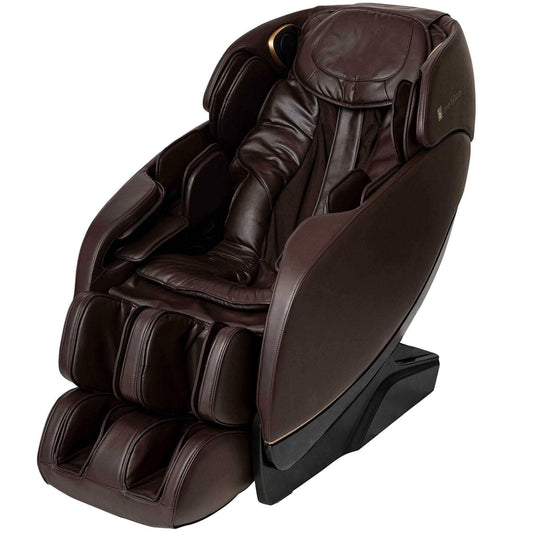
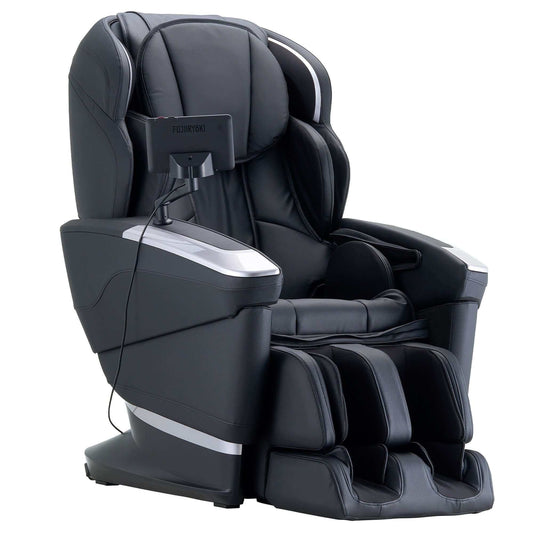
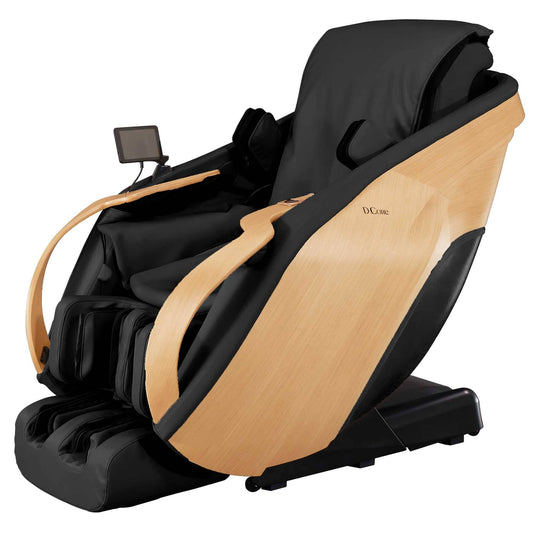
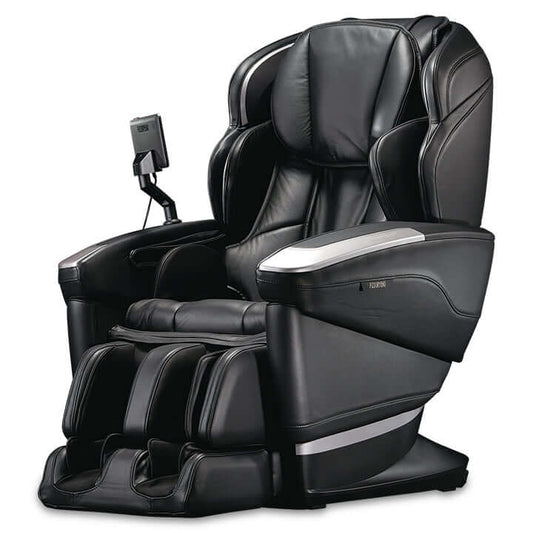
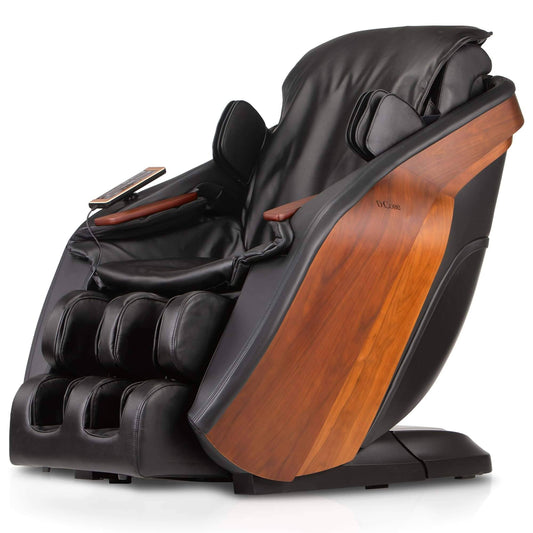
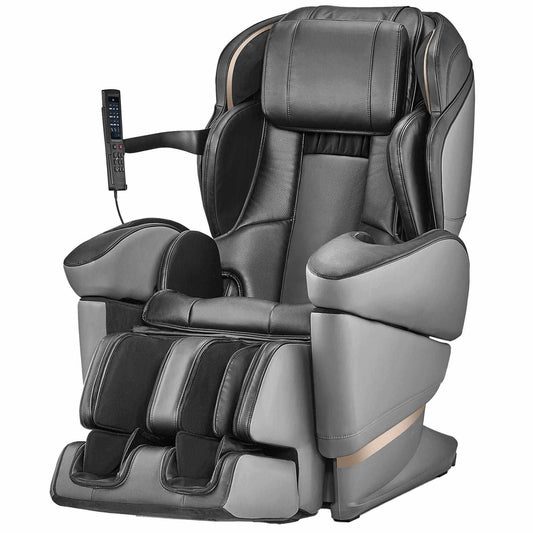
Modern massage chairs utilize advanced technologies designed to mimic human hands, applying specific techniques that directly address sleep disturbances. These sophisticated machines do far more than just vibrate; they utilize intelligent engineering to alter your physical state. Here is how these mechanisms work together to help you sleep better:
- Deep Muscle Relaxation: Chronic back, shoulder, and neck pain are primary culprits behind nocturnal awakenings. Massage chairs knead away deep-seated knots and lactic acid buildup, relieving physical discomfort so you can find a comfortable sleeping position faster and stay in it longer.
- Improved Blood Circulation: Enhanced circulation ensures your muscles receive adequate oxygen and vital nutrients while efficiently flushing out metabolic waste. This reduction in circulatory stagnation helps prevent restless leg syndrome symptoms and nocturnal muscle cramps.
- Endorphin and Oxytocin Release: The stimulation of mechanoreceptors in your skin and muscles during a massage prompts the brain to release endorphins and oxytocin, acting as natural painkillers and mood elevators that ease anxiety before bedtime.
- Thermal Regulation and Heat Therapy: Many massage chairs feature advanced carbon-fiber heating elements. Warming the body causes blood vessels to dilate, which helps dissipate core body temperature—a critical biological trigger that signals to the brain that it is time to transition into sleep.
Establishing the Ultimate Pre-Sleep Routine
Simply owning an advanced massage chair is not enough to cure sleep issues; timing, environment, and consistency matter significantly when using it to improve sleep hygiene. To maximize the sleep-inducing benefits of your chair, consider incorporating the following best practices into your evening schedule:
- Timing is Everything: Schedule a 15-to-20-minute session roughly one to two hours before you plan to go to bed. This allows your core body temperature to rise slightly during the massage and subsequently drop, mimicking the natural circadian dip that induces sleepiness.
- Choose the Right Settings: Avoid intense, high-speed sports recovery programs right before bed, as these can actually energize the body and stimulate the nervous system. Instead, opt for gentle, rhythmic Swedish massage settings, slow rolling motions, and calming air compression programs.
- Practice Zero-Gravity Alignment: Most premium massage chairs feature a zero-gravity mode, which elevates your feet above your heart and evenly distributes your body weight across the backrest. This posture relieves spinal compression, reduces pressure on the heart, and promotes effortless breathing.
- Unplug and Unwind: Pair your massage session with a digital detox. Turn off smartphones, dim the lights in the room, and allow your mind to quiet down while the chair works its magic on your physical body.
The Neurological Impact of Regular Sessions
Beyond immediate muscular relief, consistent use of a massage chair rewires how your body handles nightly sleep transitions. Human sleep is divided into distinct, cyclical stages, including light sleep, deep sleep, and REM (Rapid Eye Movement) sleep. Deep sleep, also known as slow-wave sleep, is essential for physical recovery, cellular repair, cognitive consolidation, and immune system strengthening. Unfortunately, individuals with high physical tension or anxious minds frequently get stuck in light sleep, waking up at the slightest environmental disturbance.
Clinical observations and consumer sleep tracking data suggest that regular tactile stimulation reduces brain wave activity associated with alertness (such as Beta waves) and promotes brain waves associated with deep relaxation and sleep onset (such as Alpha and Theta waves). By gently coaxing your brain waves into a slower frequency before bed, a massage chair helps you transition past light sleep more smoothly and spend more cumulative time in restorative deep-sleep stages.
Addressing Chronic Pain and Sleep Disruption
It is impossible to completely separate chronic pain from sleep deprivation. Conditions such as fibromyalgia, lower back strain, arthritis, sciatica, and general myofascial pain make finding a comfortable sleeping position an agonizing nightly trial. Tossing and turning not only interrupts your own sleep cycles but can also disrupt a partner's rest, compounding household fatigue and irritability.
Massage chairs offer targeted relief through localized air compression, rolling mechanisms, and kneading nodes that can be customized to focus specifically on the lumbar region, shoulders, or legs. By addressing these stubborn pain points right before bedtime, the chair effectively eliminates the physical barriers that prevent you from drifting off. When your muscles are completely loose and free of spasms, your body can finally yield to the exhaustion of the day without the interference of localized aches.
Combining Hydrotherapy, Air Compression, and Heat
Many advanced modern massage chairs integrate complementary therapies that further enhance their sleep-inducing capabilities. Far-infrared heating is a common feature that penetrates deep into muscle tissues, expanding blood vessels and encouraging maximum relaxation much faster than traditional stretching alone.
Furthermore, some state-of-the-art models incorporate air compression airbags that rhythmically inflate and deflate along your arms, calves, hips, and feet. This gentle squeezing action mimics manual lymphatic drainage, reducing fluid retention and swelling in the lower extremities—a common cause of restless leg sensations that keep people awake at night. The rhythmic, predictable nature of air compression also acts as a tactile lullaby, soothing the nervous system into a state of profound tranquility.
Investing in Long-Term Wellness and Sleep Hygiene
Improving sleep quality is not about finding a single quick fix; it is about cultivating sustainable habits and environments that support your body's natural circadian rhythms. Chronic sleep deprivation can lead to severe long-term health complications, including weakened immune function, cardiovascular issues, metabolic disorders, and cognitive decline. By treating a massage chair as a dedicated wellness tool rather than just a luxury living room furniture piece, you are actively investing in your long-term health and daily vitality.
As wellness technology continues to evolve, today's massage chairs offer personalized AI body scanning, targeted lumbar heating, and customizable sleep programs tailored to individual physiological needs. If you find yourself tossing and turning night after night, it might be time to look beyond traditional sleep aids and consider how targeted mechanical relaxation can gently guide you into the deep, uninterrupted slumber you deserve.
Tags:
Previous
How Massage Chairs Lower Stress and Reduce Cortisol Levels
Next
The Science of Relaxation: How Massage Chairs Alleviate Muscle Tension and Pain