
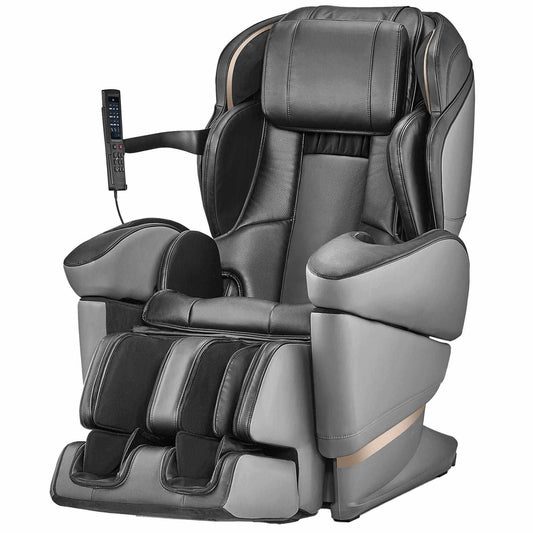
Massage Chairs for Chiropractic Offices: ROI and Patient Retention
A massage chair in a chiropractic office isn't just a comfort amenity — it's a revenue line, a retention tool, and a differentiator in a market where most practices look the same from the parking lot. Here's how to think about the investment, plus which chairs are actually built for commercial use.
Why Chiropractic Offices Specifically
Massage chairs and chiropractic care solve overlapping but distinct problems. Chiropractic adjustments address alignment and joint function; massage addresses the surrounding soft tissue — muscle tension, circulation, and recovery between visits. Patients who get both tend to report better outcomes and stick with treatment plans longer, because the muscle tension that pulls the body back out of alignment gets addressed too, not just the joint itself.
That overlap creates three concrete opportunities for a practice:
- A billable or fee-based add-on before or after adjustments
- A waiting-room amenity that improves the visit experience and differentiates the practice
- A retention mechanism that gives patients a reason to come in more consistently, since a massage chair session before an adjustment often makes the adjustment itself more effective and comfortable
The Revenue Model Options
Fee-per-session add-on. Patients pay a small additional fee (commonly in the $10–$25 range across the industry, though this varies significantly by region and practice positioning) for a pre- or post-adjustment massage chair session. Even modest per-visit revenue compounds quickly across a full patient panel and adds up over a year without requiring additional staff time.
Bundled into treatment packages. Some practices build massage chair sessions into premium care packages, using the chair as a value-add that justifies a higher package price point without requiring a massage therapist on staff.
No-charge patient experience differentiator. Some practices don't charge for chair use at all, treating it purely as a retention and differentiation tool — a reason patients choose this practice over a competing one nearby, and a reason to stay rather than switch.
The right model depends on your patient base and positioning, but the key financial point is this: a massage chair requires zero additional labor cost to operate. Unlike hiring a massage therapist, there's no hourly wage, no scheduling complexity, and no staffing risk — the chair is available every time the practice is open.
The Staffing Math
A massage therapist typically costs a practice a meaningful hourly rate whether booked or not, plus scheduling coordination. A commercial-grade massage chair is a one-time capital investment (plus a service/warranty consideration) that runs sessions back-to-back all day, every day the office is open, without a wage attached. For practices that want to offer massage as part of the patient experience without taking on payroll, staffing, or scheduling complexity, this is the more capital-efficient way to do it.
Patient Retention: The Less Obvious ROI
Revenue from chair fees is the visible return. The less visible but arguably more important return is retention:
- Patients associate the practice with a complete experience, not just a quick adjustment and out the door.
- A relaxed patient before an adjustment tends to have a smoother session, which improves the perceived value of the visit itself.
- The chair becomes a small reason to keep the appointment even on weeks when motivation to show up is lower — patients look forward to the chair, not just the adjustment.
- Word-of-mouth and reviews often mention the chair specifically, since it's a memorable, differentiated part of the visit that's easy to describe to a friend.
Which Chairs Are Built for Commercial Use
Not every massage chair is designed for the volume and durability demands of a clinical setting — multiple patients, multiple sessions per day, and continuous daily use rather than occasional home use. Two models are purpose-built for this:
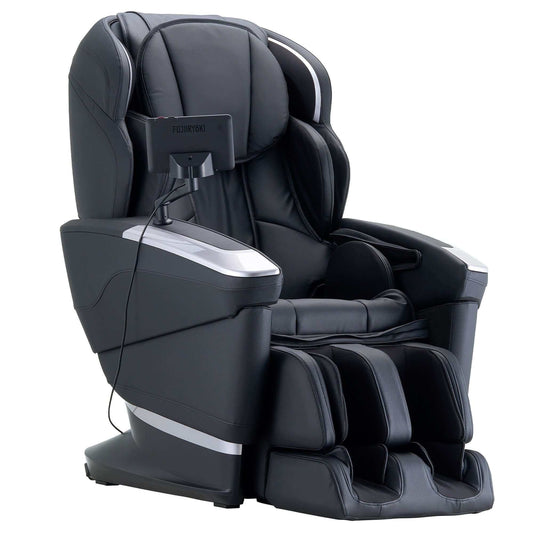
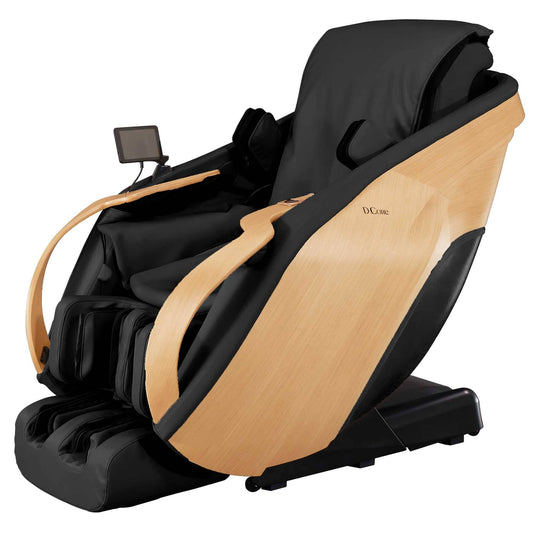
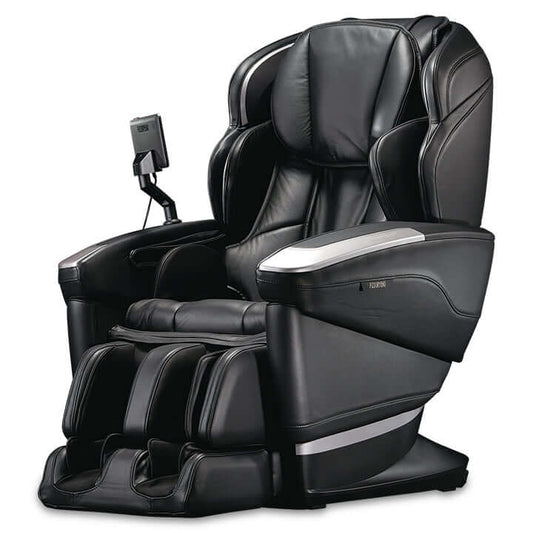
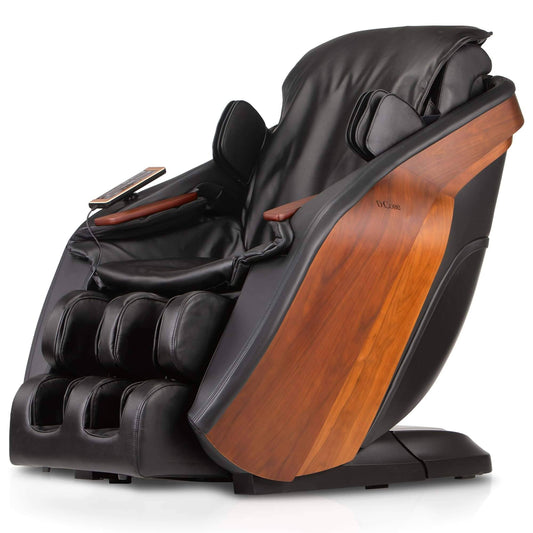
Cyber Relax Performance OH-8000 — $9,999.99. A commercial-grade full body massage chair built specifically for higher-volume, continuous-use environments like clinics and wellness practices, rather than home use patterns.
Kurodo E — $5,999.99. A premium commercial massage chair offering a lower entry price point into commercial-grade equipment, suited to practices getting started with an in-office massage program without the top-tier investment.
Both are meaningfully different from home-use chairs in build quality and expected duty cycle — worth prioritizing over a residential chair even if the price gap seems steep upfront, since a home chair pushed into all-day clinical use will wear out faster and cost more in service and replacement over time.
Questions to Ask Before Buying for Your Practice
- What's the expected duty cycle and warranty terms for commercial use specifically? Home-use warranties often don't cover clinical-volume use.
- How much daily use will this realistically see? A single-chair waiting room setup has very different wear patterns than a multi-chair recovery room.
- What's the delivery and setup process for a commercial space? Confirm timing that won't disrupt patient flow.
- Does the fee model you're considering require any licensing or disclosure requirements in your state? Regulations around charging separately for chair-based massage vary — worth a quick check with your practice's compliance resource.
The Bottom Line
A massage chair pays for itself in a chiropractic practice two ways: directly, through per-session fees or package pricing, and indirectly, through better patient retention and a more memorable visit experience — all without adding payroll. The math works best with commercial-grade equipment built for daily, multi-patient use rather than a residential chair pressed into service it wasn't designed for.