
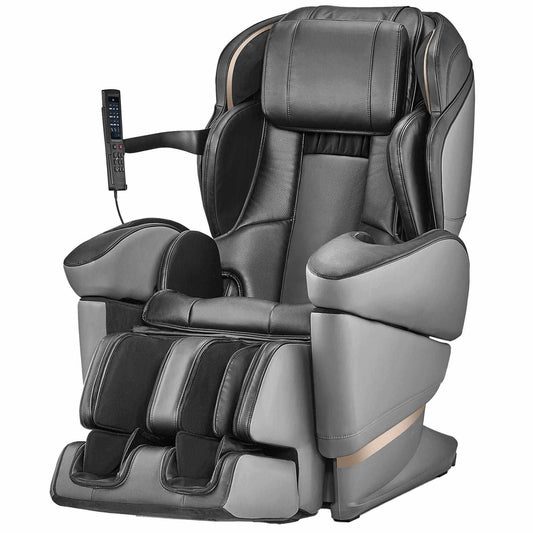
Massage Chair for Seniors: Safety Features to Look For
Massage Chair for Seniors: Safety Features to Look For
A massage chair can be one of the best in-home comfort investments for an older adult — but the features that matter most for seniors are different from what a general buying guide covers. Here's what actually matters for safety, ease of use, and long-term comfort, not just relaxation.
Why Standard Buying Advice Falls Short for Seniors
Most massage chair guides focus on roller technology, track length, and massage intensity. Those still matter, but for an older adult, the more important questions are: Can they get in and out of the chair safely? Can they operate it without help? Will it accommodate mobility limitations, joint sensitivity, or balance concerns? A chair that's technically "top of the line" can be a poor fit if it's difficult to use independently.
Ease of Entry and Exit
This is the single most overlooked factor. A massage chair that reclines beautifully but is difficult to get out of creates a real safety risk.
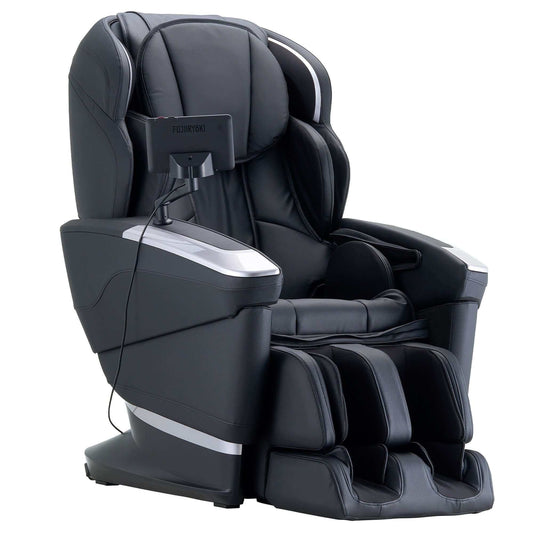
- Look for a powered return-to-upright function, not just a manual push-back. The chair should bring the user back to a seated, feet-flat position at the press of a button, rather than requiring them to physically push against the recline.
- Check seat height. A seat that's too low makes standing up harder on the knees and hips. Some chairs offer a slight seat-lift assist on return to upright, which meaningfully helps.
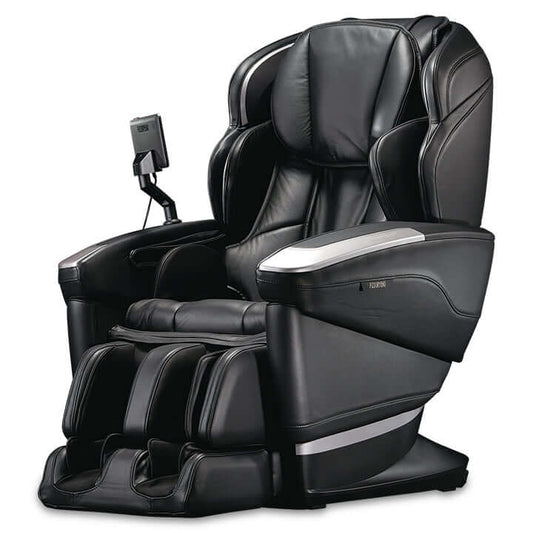
- Confirm armrest height and grip. Sturdy, well-positioned armrests that a person can push down on while standing make a bigger practical difference than most massage features.
Simple, Intuitive Controls
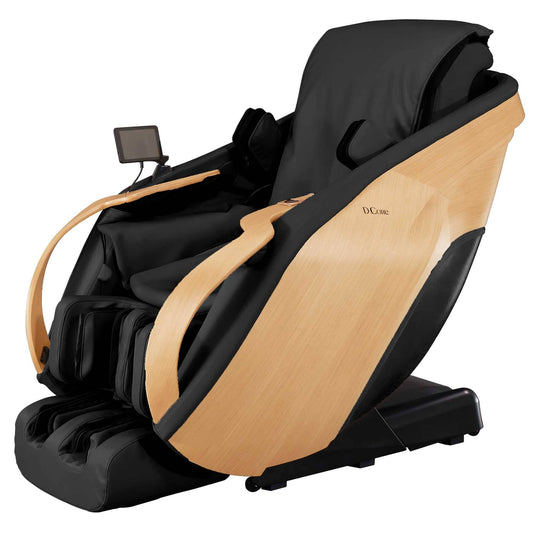
Complex chairs with dozens of programs, sub-menus, and small touchscreen remotes can be frustrating or unusable for someone less comfortable with technology, or for anyone with vision or dexterity limitations.
- Prioritize large, physical buttons over small touchscreen-only remotes.
- Look for clearly labeled presets ("Shoulder," "Lower Back," "Full Body") rather than numbered programs that require a manual to interpret.
- A simple on/off and intensity dial matters more than a chair with the most customization options — the best chair is the one that actually gets used, not the one with the most settings.
Gentle, Adjustable Intensity
Deep tissue-style 4D/8D rollers can be excellent for general use, but for seniors — especially those with thinner skin, osteoporosis, arthritis, or fragile circulation — intensity needs to be easy to dial down, not just up.
- Confirm the chair has a genuinely light setting, not just "low" on a scale still designed around a younger, more robust user.
- Air compression massage (airbags around arms, calves, and hips) is often gentler and safer than heavy mechanical rollers for arthritic joints, and worth prioritizing over aggressive roller depth.
- Heat therapy is generally a safe, well-tolerated feature for seniors and can help with joint stiffness — but check for adjustable heat levels, since sensitivity to heat can change with age and certain medications.
Stability and Footprint
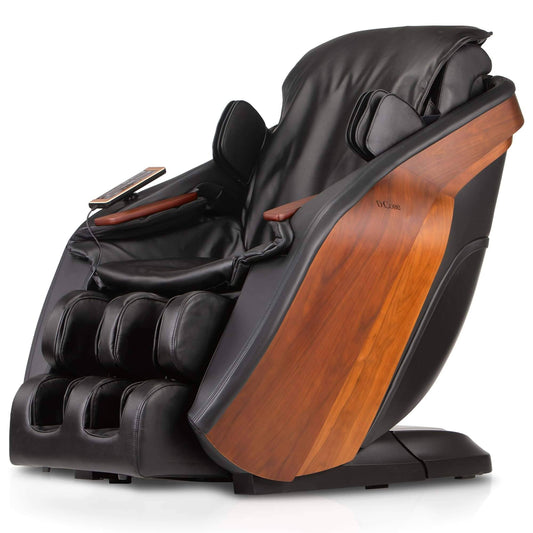
- A wide, stable base matters more for seniors who may use the armrests for balance while sitting or standing.
- Space-saving/zero-wall-clearance recline is worth prioritizing if the chair will go in a smaller room, since it reduces the need to navigate around a large reclined chair.
- Avoid chairs with a narrow or high-set base that could feel unstable when a person leans on the armrest for support.
Medical Considerations to Discuss With a Doctor First
Massage chairs are generally safe for most older adults, but certain conditions warrant a conversation with a physician before regular use, including:
- Blood clotting disorders or recent blood clots (DVT)
- Severe osteoporosis
- Pacemakers or other implanted medical devices
- Recent surgery, particularly spinal or joint surgery
- Uncontrolled high blood pressure
This isn't meant to discourage use — massage chairs are a common and welcome purchase for aging parents — but a quick check with a doctor is worth it when any of these apply, since intensity and heat settings that are fine for most people may need adjustment.
Questions to Ask Before Buying for a Senior
- Can they operate it entirely on their own, or will they need help every time? If the answer is "they'll need help," that changes whether this is really the right product.
- Is there a genuinely gentle intensity setting, not just "low" on a scale built for general users?
- How does the chair handle getting up? Ask specifically about the powered return-to-upright feature — don't assume it exists.
- What's the warranty and service situation? Chairs used daily by someone at home tend to get more consistent use than chairs bought on impulse, so a solid warranty matters more here, not less.
- Is delivery and setup included? A 250+ lb chair delivered to a doorstep isn't practical for many senior households — full-service delivery that places the chair in the right room is worth prioritizing over saving a small delivery fee.
The Bottom Line
For a senior, the best massage chair isn't necessarily the one with the most advanced roller technology — it's the one that's easiest to get into and out of, simplest to operate independently, and gentle enough to adjust to changing comfort needs. Prioritize ease of entry/exit, simple controls, and adjustable-gentle intensity over aggressive massage depth, and check with a doctor first if any relevant medical conditions apply.