
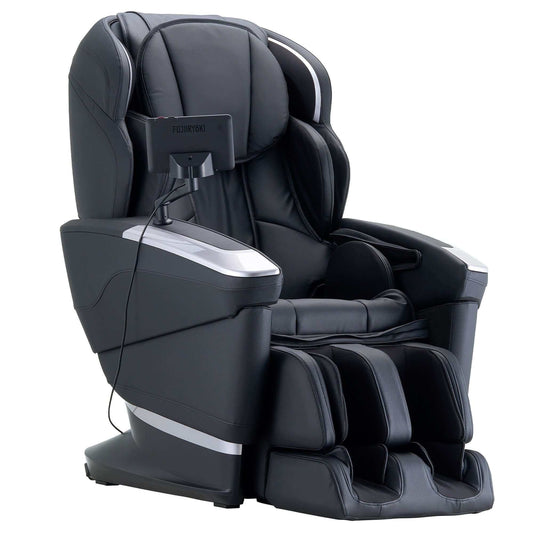
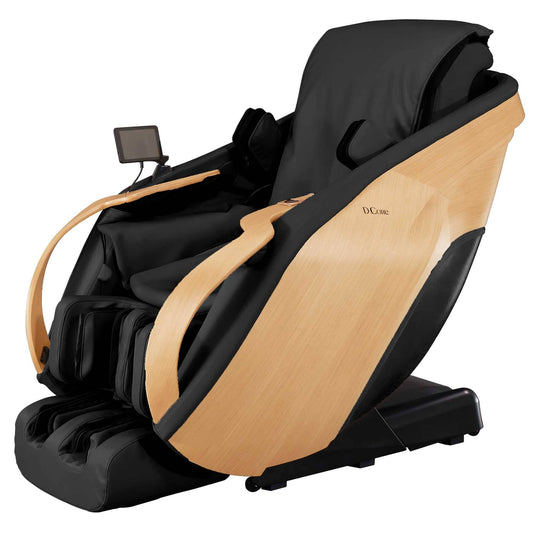
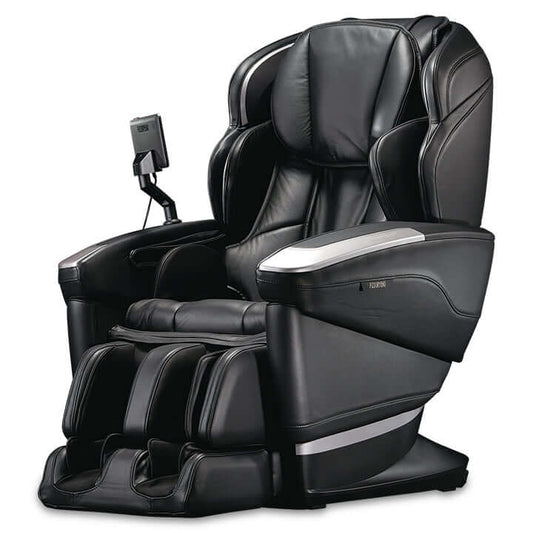
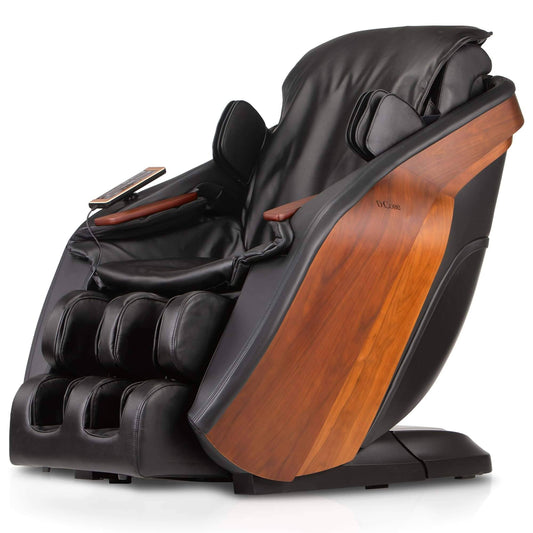
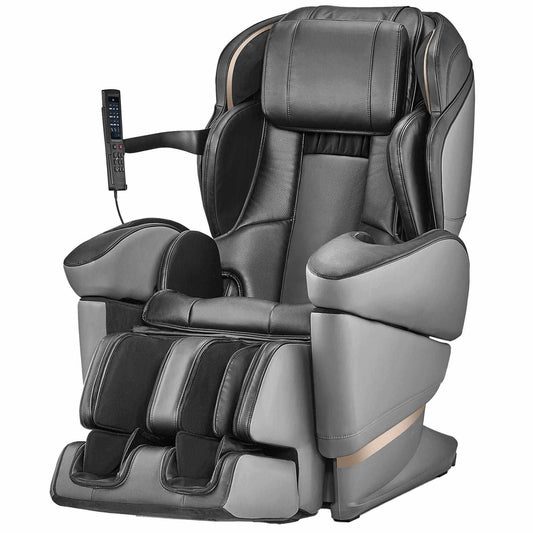
How Chiropractors Are Using Massage Chairs as a Revenue Add-On
The ROI case for a massage chair is straightforward. The harder part is implementation — how do you actually structure it, price it, and fit it into patient flow without creating friction? Here's how practices are approaching it in practice, not just in theory.
The Three Common Implementation Models
Model 1: Pre-Adjustment Warm-Up Session
Patients use the massage chair for 10–15 minutes before their adjustment, either included in the visit or as a small add-on fee. The rationale: relaxed muscle tissue makes adjustments more comfortable and, in many practitioners' experience, more effective, since tense muscles can resist the correction the adjustment is trying to make. This model positions the chair as part of the clinical process, not just a comfort perk — which matters for how patients perceive its value.
Model 2: Post-Adjustment Recovery Session
Patients use the chair after their adjustment, framed as helping the body settle into the new alignment and reducing next-day soreness. This model works well for practices that want the chair to reinforce the outcome of the visit rather than prep for it, and it's an easy upsell moment since the patient has just experienced the value of the visit firsthand.
Model 3: Waiting Room / Open Access
The chair sits in the waiting area, available to any patient before their appointment slot, sometimes free and sometimes for a nominal fee. This model captures value from patients who arrive early anyway and turns dead waiting time into a billable or retention-building moment instead of wasted time.
Many practices land on a hybrid: complimentary access for a few minutes to build habit and goodwill, with a paid option for longer or more frequent sessions.
Pricing Approaches That Work
- Flat per-session fee, charged at checkout alongside the adjustment. Simple to communicate, simple to bill.
- Bundled into a monthly or package plan, where massage chair access is one of several included services — this works particularly well for practices already selling wellness memberships or care plans, since it adds perceived value without adding a new line-item decision for the patient.
- Tiered by time, e.g., a shorter complimentary session standard for all patients, with a longer paid session available on request. This lets the practice offer the perk broadly while still monetizing patients who want more.
Whatever the structure, the messaging matters: framing the chair as part of the treatment, rather than a separate spa-style add-on, tends to land better with a chiropractic patient base that came in for a clinical reason, not a relaxation reason.
How to Introduce It Without Feeling Like an Upsell
Patients are generally receptive to genuine care recommendations and more skeptical of anything that feels like a sales pitch bolted onto a clinical visit. A few approaches that keep the framing clinical rather than transactional:
- Have the practitioner mention it as part of the treatment plan discussion — "I'd recommend some pre-adjustment muscle relaxation before we start" lands very differently than a front-desk upsell script.
- Offer a no-cost first session so patients experience the value before being asked to pay for it.
- Use before/after language tied to the adjustment itself ("this helps your body hold the adjustment better") rather than general relaxation language, since it reinforces the clinical framing.
Building It Into Patient Communication
This is where your existing outreach and retention tools do real work:
- New patient intake materials can mention chair availability as part of what makes the practice's approach different, without over-promising results.
- Post-visit follow-up messages (email or text) can note availability for next time, especially for patients who haven't tried it yet.
- Recall/reactivation campaigns for patients who've gone quiet can specifically mention it as something new since their last visit — a genuine reason to come back beyond "you're due for an adjustment."
Tracking Whether It's Working
A few simple metrics tell you if the program is earning its keep:
- Attach rate: what percentage of visits include a chair session, and is that number growing month over month
- Retention comparison: do patients who use the chair regularly show better visit-frequency consistency than those who don't
- Direct revenue: session fees or package upgrades attributable to the chair, measured against the cost of the equipment and any service/maintenance costs
If attach rate is low after a few months, the issue is usually awareness or framing, not patient interest — most patients who try it once tend to want it again, so the bottleneck is almost always getting them to that first session.
The Bottom Line
The chiropractic practices getting the most value from an in-office massage chair aren't treating it as a standalone amenity — they're weaving it into the clinical narrative of the visit itself, tracking a couple of simple numbers, and using existing patient communication touchpoints to build awareness rather than relying on it to sell itself from the waiting room.