

Massage Chair vs Massage Therapist: Which Fits?
A demanding workweek has a way of announcing itself in the shoulders, lower back, and legs. When relief becomes part of your regular wellness routine, the question is not whether massage feels good. It is whether a massage chair vs massage therapist is the more intelligent investment for your body, schedule, and home.
The answer depends on what you need from massage. A skilled therapist brings human observation, clinical judgment, and hands-on adaptability. An advanced massage chair brings immediate access, repeatable programs, and refined technology available whenever you need it. For many households, the strongest approach is not choosing one as a replacement for the other, but understanding where each delivers its greatest value.
Massage Chair vs Massage Therapist: The Core Difference
A massage therapist responds to what they feel. They can identify a tight area, change pressure mid-session, work around an injury, and tailor techniques to your feedback. This makes professional massage especially valuable for a new concern, a complex pain pattern, athletic recovery, or a body that benefits from individualized attention.
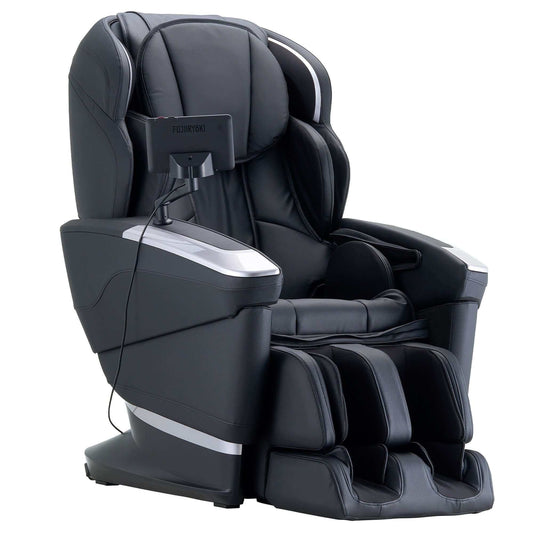
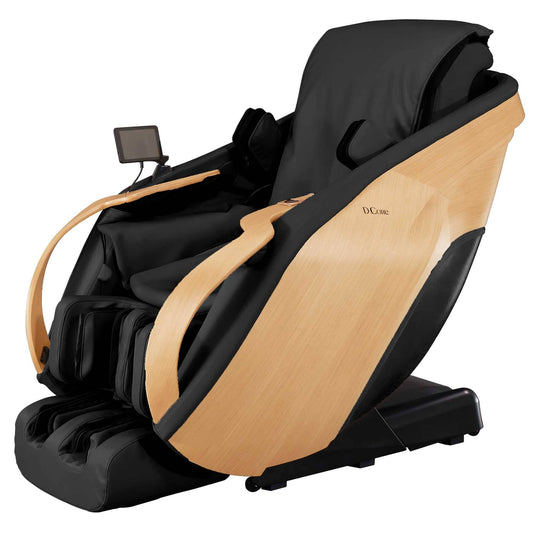
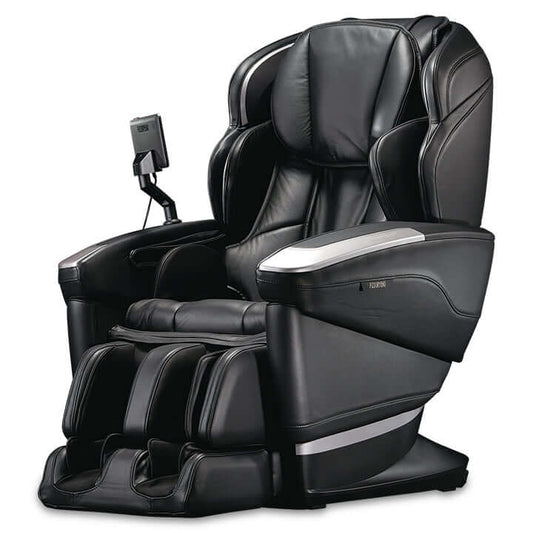
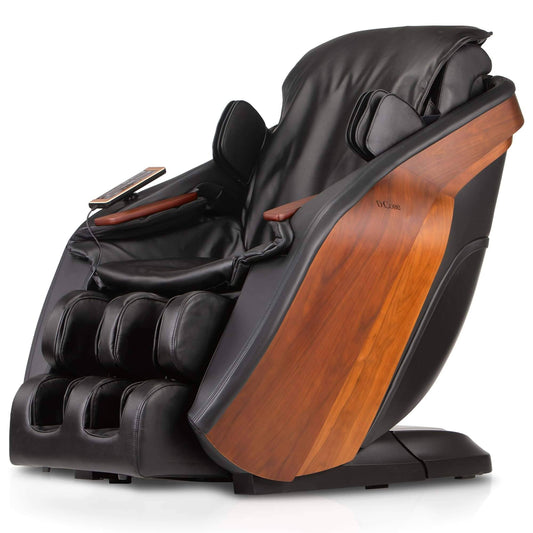
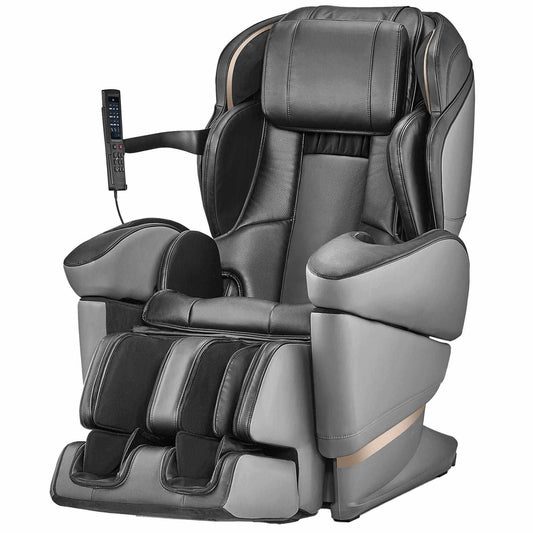
A premium massage chair works differently. It uses programmed massage systems, body scanning, airbags, heat, recline angles, and adjustable intensity to deliver a consistent experience. Advanced models may include 4D or 5D massage, which adds variation in speed, rhythm, depth, and timing to create a more natural, less mechanical treatment. The chair cannot diagnose a condition, but it can provide an exceptionally capable daily session without an appointment.
The distinction is simple: a therapist offers responsive expertise; a chair offers on-demand performance. The right choice often comes down to frequency.
When a Massage Therapist Is the Better Choice
Professional massage has a clear advantage when the body needs interpretation, not just relaxation. A licensed massage therapist can ask about your health history, observe movement limitations, and adjust their work for sensitive areas. They can also use specialized approaches that a chair cannot reproduce with the same precision, including manual stretching, focused work on a small muscle group, and careful modifications around an injury.
This matters if you are managing recent surgery, unexplained pain, nerve symptoms, swelling, osteoporosis, pregnancy, or a diagnosed medical condition. In those situations, start with appropriate guidance from a qualified healthcare professional and choose massage services that fit your care plan.
There is also an experiential quality to a professional appointment. The focused setting, personal interaction, and full attention of a practitioner can be restorative in ways technology does not attempt to duplicate. For someone who values a monthly reset or needs targeted bodywork, therapist visits remain an excellent wellness investment.
The trade-off is access. Appointments require planning, travel, availability, and recurring spend. Even a high-quality massage that happens once every few weeks may not address the everyday tension created by long hours at a desk, frequent travel, demanding training, or poor sleep.
Where an Advanced Massage Chair Excels
A luxury massage chair is built for the moments between appointments: the stiff morning before a presentation, the late evening after a flight, or the 20 minutes of recovery you can take before dinner. It is ready without coordinating calendars or leaving home.
That availability changes how many people use massage. Instead of treating it as an occasional indulgence, they make it a regular part of their recovery routine. A short session several times a week can be more practical than waiting until tension becomes disruptive.
Premium chairs also provide capabilities that extend beyond rolling massage alone. Depending on the model, features may include:
- Zero gravity positioning to distribute body weight and support a deeply relaxed posture
- SL-track massage systems that travel from the upper back through the glutes
- Heated massage functions for added comfort through the back, calves, or feet
- Air compression massage for shoulders, arms, hips, legs, and feet
- Calf and foot massage systems designed for people who spend long hours standing or walking
- AI body scanning and automatic programs that adapt to body size and preferred intensity
Cost: Upfront Investment vs Ongoing Appointments
Cost is one of the most practical parts of the decision. Massage therapy is usually purchased session by session, often with an added gratuity. The exact rate varies by market, therapist expertise, and session length, but the lifetime total can become significant for people who schedule frequent appointments.
A massage chair requires a larger upfront investment. Entry-level seating may suit occasional relaxation, while executive and luxury models command higher prices because of their engineering, track design, massage mechanisms, materials, and advanced programming. The most sophisticated chairs can exceed $10,000, which makes them a considered durable-goods purchase rather than an impulse buy.
The value calculation changes when the chair is used consistently and shared within a household. A chair that serves two adults over several years may deliver hundreds of sessions without per-visit charges. It also retains utility during busy seasons when scheduling professional care is difficult.
That does not mean a chair is automatically less expensive. A person who only receives two massages a year may be better served by booking those appointments. But for a household that already spends regularly on massage, or for someone who wants near-daily access, a high-end chair can become a compelling long-term wellness asset.
Personalization: Human Hands vs Intelligent Programs
No machine fully replicates the perception of trained hands. A therapist can notice that one shoulder is guarded, change direction, lighten pressure, or spend extra time on a specific muscle. That is the highest form of personalization.
Yet modern massage chairs have moved far beyond one-size-fits-all vibration. Body scanning maps shoulder position and back length. Adjustable width, intensity, speed, and massage styles let users tune the session. 4D systems introduce more nuanced changes in roller movement, while select 5D AI systems use intelligent programming to vary the massage experience according to the user and selected course.
For most daily stress relief, this level of control is more than sufficient. The best chair programs are not meant to imitate every therapist technique. They are designed to deliver repeatable, satisfying relief across the places where everyday tension accumulates.
Choosing the Right Chair for Your Routine
The ideal chair should match your priorities rather than simply offering the longest feature list. If lower-back and glute tension are a regular concern, an SL-track design is worth prioritizing. If you want a deeply reclined, weightless-feeling session, zero gravity positioning should be central to your search. If intensity and a more dynamic massage feel matter most, explore 4D or 5D technology.
Space matters, too. Measure the chair's footprint in both upright and reclined positions, along with the route from your entryway to the intended room. A premium chair deserves a setting where it can be used easily, not a location that turns each session into a furniture-moving exercise.
Consider who will use it. Taller users may need extended leg support and a longer track. Couples may value memory settings or a broad range of intensity controls. A commercial environment, executive office, or shared wellness room may call for a durable model designed for more frequent use.
Fujiiryoki USA curates massage chairs across luxury, zero gravity, SL-track, 4D, 5D, and commercial categories, making it easier to compare technology based on how you actually intend to recover at home.
A Better Question Than Which One Is Best
Rather than asking whether a massage chair can replace a massage therapist, ask what role massage should play in your life. If you need targeted assessment or specialized hands-on care, book the professional session. If you want consistent relief from ordinary tension, fatigue, and the physical cost of a demanding schedule, bring advanced massage technology into your daily environment.
For many people, the most elevated wellness routine leaves room for both: expert human care when it is needed, and a premium chair ready whenever the day asks more of your body than it should.
Etiquetas:
Anterior
Fujiiryoki Calm Plus Massage Chair: Back Pain Relief and Enhanced Blood Flow with Swedish, Deep Tissue, Trigger Point, Acupressure, Shiatsu, and Reflexology.
Próximo
Airbags Versus Rollers: Which Massage Feels Better?