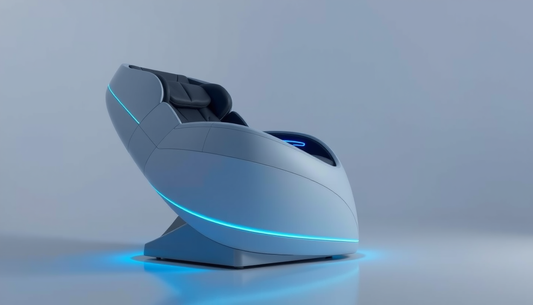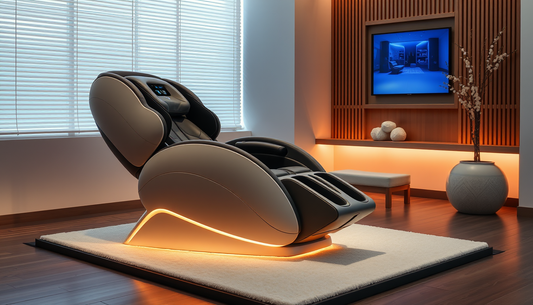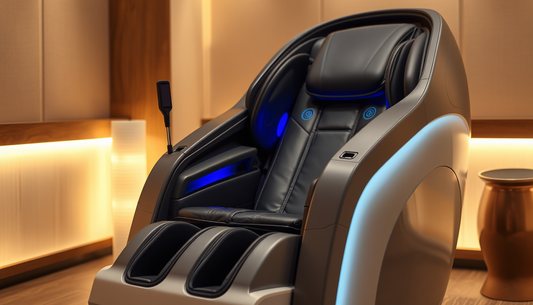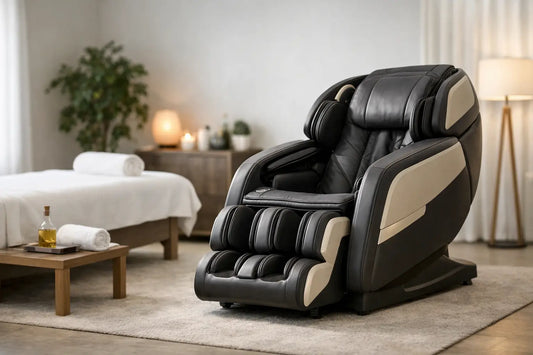
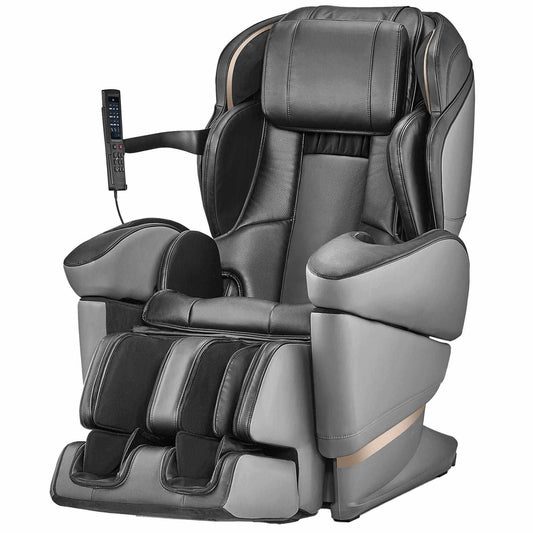

Deep Tissue Massage Chair for Seniors That Fits
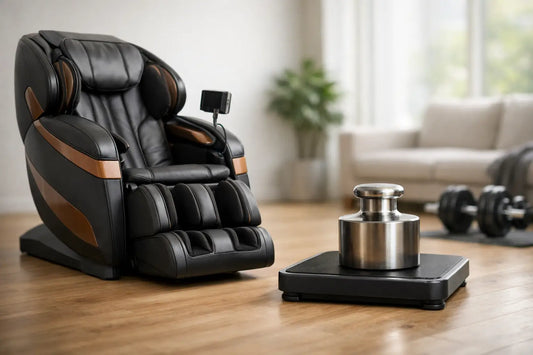
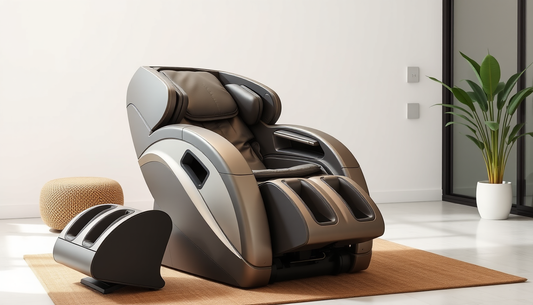
A massage chair that feels wonderfully powerful to one person can feel far too aggressive to another. That distinction matters when selecting a deep tissue massage chair for seniors. The best choice is not simply the model with the strongest rollers. It is a refined, highly adjustable wellness seat that can deliver targeted work when wanted, then return to gentle, restorative comfort without complicated setup.
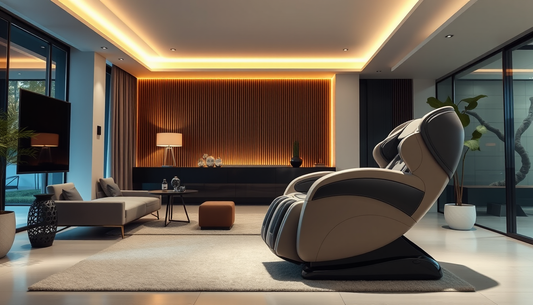
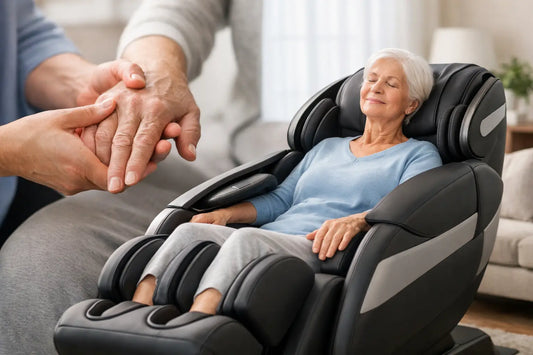
For older adults who value independence, consistent recovery, and a more comfortable daily routine, an executive-level massage chair can become a meaningful part of the home. The right model supports the body getting into and out of the chair, accommodates changing comfort needs, and makes advanced massage technology easy to use.
What Deep Tissue Should Mean for Seniors
Deep tissue massage is often associated with intense pressure. In a premium massage chair, however, depth is only one part of the experience. Effective deep-tissue performance comes from controlled roller movement, accurate body scanning, adjustable intensity, and programs that work deliberately through areas prone to everyday tension, including the shoulders, lower back, hips, calves, and feet.
For seniors, control is more valuable than maximum force. A chair should allow the user to begin at a low setting, adjust roller depth and airbag pressure, and save a preferred program. This makes the chair useful on different days: perhaps a gentle full-body session after a poor night of sleep, or a more focused back program after gardening, golf, travel, or a long afternoon at a desk.
Look for models with a broad range of intensity settings rather than a single “deep” mode. The distinction is substantial. A sophisticated 4D or 5D system can vary speed, rhythm, and roller projection to create a more tailored massage. That versatility can feel more natural than a chair engineered only to press hard.
The Features That Make a Chair Easier to Live With
A high-end chair should feel considered before the massage even starts. Seniors and their families should evaluate daily usability alongside massage performance.
Zero Gravity Positioning
Zero gravity recline elevates the legs and distributes body weight more evenly across the chair. This can reduce the feeling of compression through the back and make a massage session feel more relaxed. It also helps the rollers maintain more consistent contact along the spine.
The practical detail is the recline angle. Some users prefer a modest recline rather than a fully reclined position, especially when reading, watching television, or becoming accustomed to the chair. A model with multiple positions offers more freedom than one with a fixed dramatic recline.
An SL Track With Full-Body Coverage
An SL track follows the natural curve of the back and continues beneath the seat toward the glutes and upper hamstrings. For seniors with recurring lower-back or hip-area tightness, that extended coverage is often more valuable than a chair that stops at the waist.
Track length alone does not guarantee a superior fit. Roller accuracy, body scanning, and the ability to fine-tune shoulder position matter just as much. A chair should recognize the user’s frame and place its massage techniques where they belong, not repeatedly work an area that feels too high or too low.
Simple, Visible Controls
A beautiful chair is not truly luxurious if its controls are frustrating. Prioritize a clear remote with large, readable labels, intuitive one-touch programs, and an accessible pause button. A touchscreen remote can be excellent when its display is bright and menus are straightforward, but a tactile handheld controller may be easier for someone who does not want to navigate multiple screens.
Voice control can be a useful convenience, though it should not be the only way to operate essential functions. The core experience should remain easy with the remote in hand.
Heat, Airbags, and Foot Massage
Heated lumbar or back therapy can add welcome comfort, particularly during cooler months. The heat should be adjustable and should never feel like an obligation to use with every session. Similarly, airbags at the shoulders, arms, hips, calves, and feet can provide a gentle compression sensation, but their pressure needs to be independently adjustable.
Foot massage deserves special attention. Some people love firm rollers beneath the soles; others find them sensitive, especially if they have circulation concerns, neuropathy, or tender feet. Choose a model with removable foot pads, adjustable intensity, or the ability to turn foot rollers off while retaining calf compression.
Choosing the Right Deep Tissue Massage Chair for Seniors
Start with the person, not the specification sheet. Consider their height, weight, mobility, typical areas of discomfort, and experience with massage. A petite user may need a chair with a narrower shoulder setting and a shorter leg extension range. A taller user may benefit from more generous calf support and a long track. If more than one person will use the chair, memory settings or efficient body scanning can make shared ownership much more practical.
Also consider how the chair fits into the room. Measure the intended location, including the clearance behind and in front of the chair. Space-saving wall-hugger designs can be a strong choice when a living room or bedroom does not have room for a full recline footprint. Confirm the doorway, hallway, and stair dimensions before delivery as well. Premium massage chairs are substantial pieces of wellness equipment, and smooth placement begins with realistic measurements.
Entry and exit deserve equal attention. Armrests that offer stable support, a seat height that does not feel excessively low, and a chair that returns to an upright position predictably can improve confidence during everyday use. If a user relies on a walker, cane, or assistance standing, the chair should be evaluated with those needs in mind.
When Deep Tissue Is Not the Best Setting
A chair with deep-tissue capability does not require deep-tissue sessions. In fact, many older adults will receive the most consistent enjoyment from gentler programs featuring kneading, rolling, light compression, and heat. Strong massage may be appropriate occasionally, but comfort is the signal that matters.
Anyone with osteoporosis, a recent surgery or injury, blood clotting concerns, a pacemaker or other implanted device, significant circulation issues, or unexplained pain should speak with a qualified clinician before using a massage chair. The same applies to users taking blood-thinning medication. A premium chair offers sophisticated adjustment, but it is not a substitute for medical assessment or treatment.
When beginning, keep sessions short, use low intensity, and avoid treating soreness as proof that a session was effective. A comfortable 10- to 15-minute routine is generally a more sensible starting point than a long, high-pressure program. The chair’s purpose is to support relaxation and everyday comfort, not to push the body past its limits.
Premium Engineering Is a Long-Term Consideration
A massage chair for a senior household is often a long-term purchase, which makes build quality and service support part of the decision. Look beyond program counts. Assess the quality of the upholstery, roller system, recline mechanism, calf extension, remote, and frame. These are the components that shape the experience years after the initial delivery.
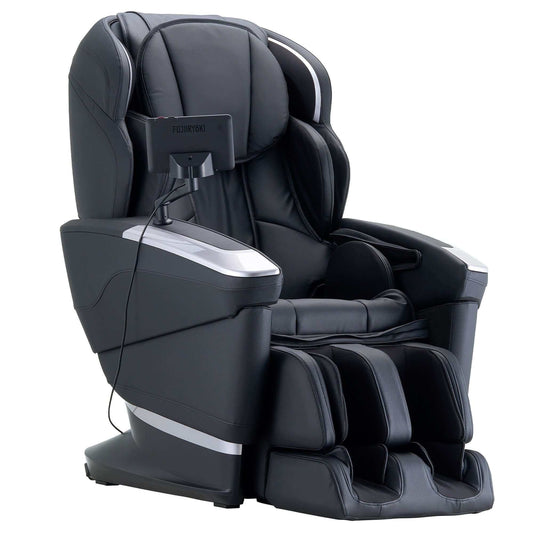
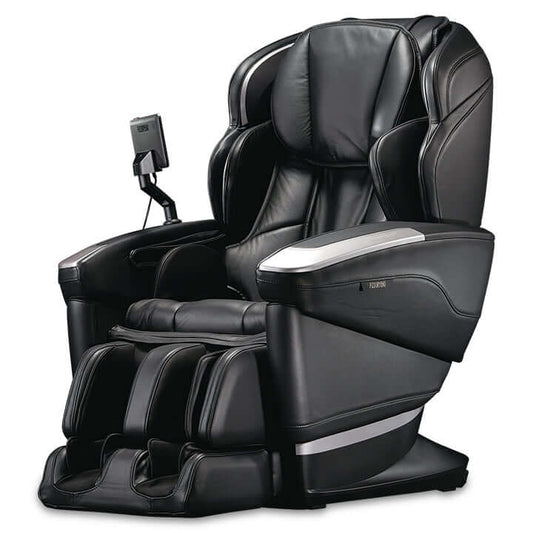
Made in Japan engineering is especially compelling for buyers who place a premium on precision, durability, and thoughtful ergonomics. At Fujiiryoki USA, the ultra-premium category is designed for shoppers who want advanced massage technology without compromising on finish, refinement, or everyday ease of use.
There is also a sensible budget conversation. A flagship chair may offer the deepest personalization, advanced AI body detection, and more specialized massage techniques. Yet a well-selected midrange model with a reliable SL track, zero gravity, heat, and adjustable intensity may be the better fit for a user who wants simple, repeatable comfort. The best value is the chair that will be used regularly and confidently.
A Better Standard for At-Home Comfort
The right massage chair should never make a senior feel like they need to “keep up” with technology or tolerate discomfort to justify the purchase. It should meet them where they are: supportive on a quiet morning, restorative after activity, and simple enough to enjoy without help. Choose depth with discretion, controls with clarity, and engineering built to make comfort an easy daily choice.
Etiquetas:
Anterior
Fujiiryoki Cyber Relax AI: A Presenter-Style Guide to Ankle-to-Wrist Full-Body Massage Techniques for Enhanced Blood Flow, Fatigue Relief, and Mobility
Próximo
Fujiiryoki Cyber Relax AI: A Presenter-Style Guide to Targeted Full-Body Massage (Ankles to Wrists) — Swedish, Deep Tissue, Trigger Point, Acupressure, and Kneading for Blood Flow, Fatigue Relief, and Mobility