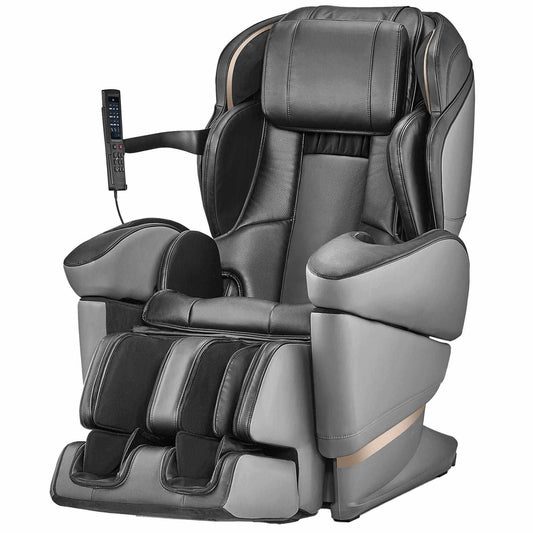

Can Massage Chairs Improve Sleep? What Helps
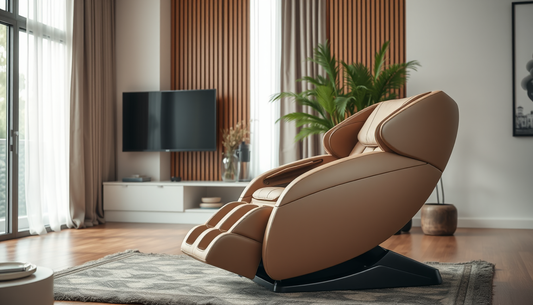
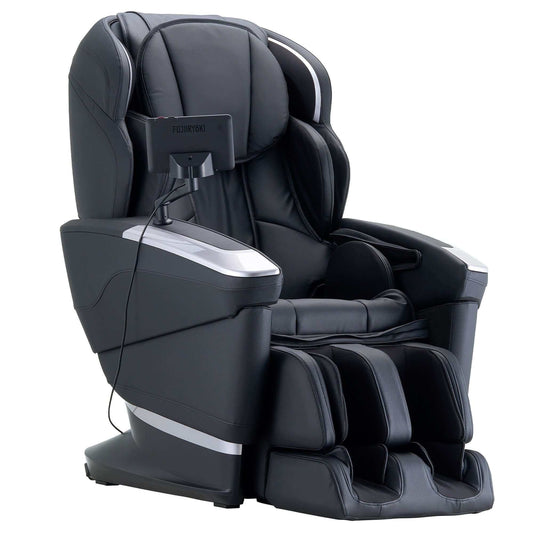
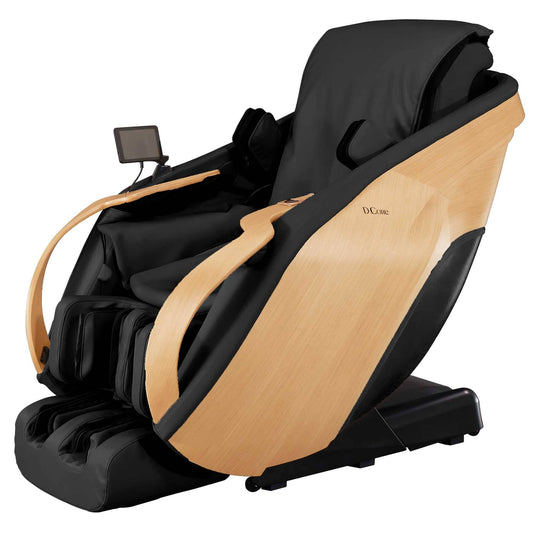
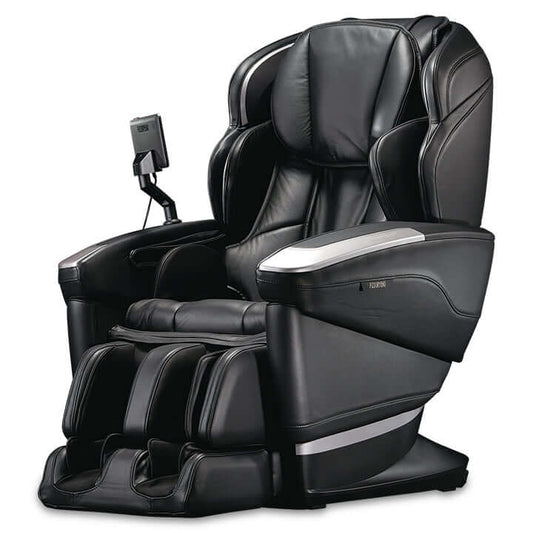
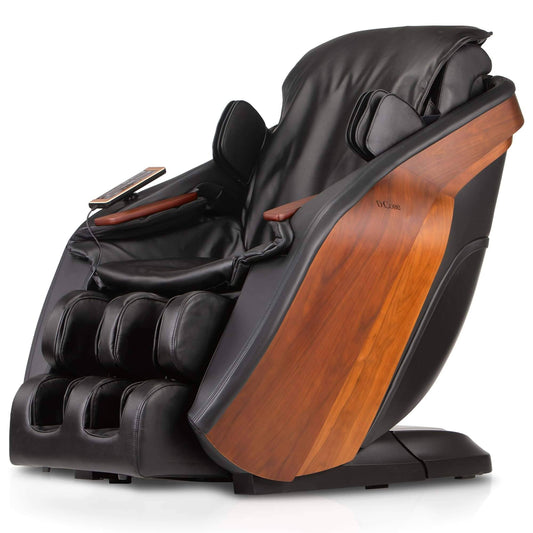
A racing mind is not always the reason sleep feels out of reach. For many professionals, homeowners, and active adults, the more immediate problem is physical: tight shoulders that will not settle, a lower back that aches in bed, or legs that still feel heavy after a long day. So, can massage chairs improve sleep? For some people, an evening session can make the transition into rest more comfortable by easing muscle tension, encouraging relaxation, and creating a reliable wind-down ritual.
A massage chair is not a treatment for insomnia, sleep apnea, chronic pain, or another medical condition. It can, however, be a high-performance comfort tool within a broader sleep routine. The difference comes down to the chair's capabilities, how you use it, and the source of your sleep disruption.
Can Massage Chairs Improve Sleep Through Relaxation?
The body does not shift from a demanding workday to deep rest on command. When muscles remain guarded after hours at a desk, travel, training, or household activity, lying down may simply make that discomfort more noticeable. A well-calibrated massage can reduce the sensation of tightness and give the nervous system a clear cue that the active part of the day is over.
Massage is often associated with lower perceived stress and improved relaxation. That matters for sleep because physical comfort and mental settling are closely connected. When the neck, shoulders, glutes, calves, or lumbar area feel less strained, there may be fewer reasons to change position, brace against discomfort, or stay alert to it.
The effect is personal rather than guaranteed. Someone whose sleep is affected mainly by an irregular schedule, late caffeine, a bright bedroom, or untreated sleep apnea will not solve that issue with a massage program. But for people whose evenings are defined by everyday tension and fatigue, a chair may make a meaningful contribution to a more restful bedtime experience.
Why the ritual matters as much as the massage
Consistency is valuable. A 15- to 20-minute session at a similar time each evening can become a boundary between work, screens, and sleep. Pair it with lower lighting, a quieter room, and a device-free final stretch of the night, and the chair becomes more than a place to sit. It becomes part of an intentional recovery environment.
There is a trade-off: overly intense massage immediately before bed can feel stimulating for some users, especially if they prefer vigorous percussion or deep-tissue techniques. Start with a gentler program. If you feel energized rather than calm afterward, schedule your session 60 to 90 minutes before bedtime instead of using it as the final step before getting into bed.
Features That Can Support an Evening Routine
Premium massage chairs vary widely in how precisely they address the body. For sleep-focused use, feature quality matters more than an inflated list of massage styles. The goal is not to choose the most aggressive chair or run every function at full intensity. It is to create comfortable, repeatable relief where your body holds tension.
Zero gravity positioning
Zero gravity recline elevates the legs while reclining the torso, distributing body weight more evenly across the chair. Many users find this position particularly comfortable after prolonged sitting or standing because it reduces pressure points and supports a sense of weightlessness.
For an evening session, zero gravity can be useful when lower-back fatigue or heavy legs make it hard to fully relax. Look for a chair with smooth, stable recline and enough adjustability to find a position that feels supported rather than overly compressed at the hips or knees.
SL track coverage and body scanning
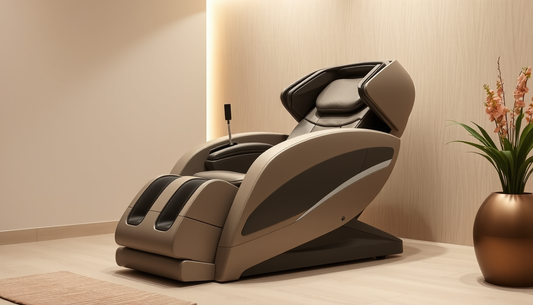
An SL track allows rollers to travel from the upper back through the lumbar region and into the glutes. That extended coverage can be valuable for users whose tension does not stop at the shoulders. A well-designed body scan also helps the chair locate shoulder height and adapt the massage to the user's frame.
Precision is especially relevant in a shared household. A chair that fits one person perfectly may feel misplaced to another without accurate scanning and manual adjustment options. Before an evening massage, take a moment to confirm shoulder position, roller width, and intensity. Small adjustments can make the experience quieter, more comfortable, and more effective.
Heat, air compression, and footwork
Gentle heat can add a comforting element to a session, particularly around the lumbar area. Air compression for the arms, hips, calves, and feet offers a different sensation from rollers, using gradual pressure and release to address areas that often feel fatigued at the end of the day.
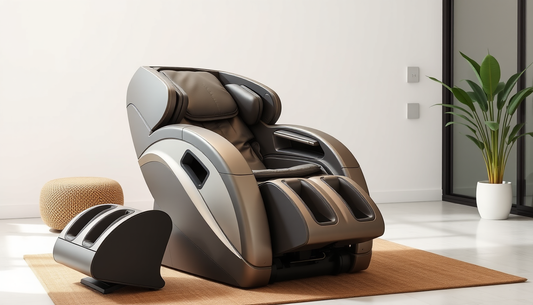
Foot rollers and calf massage can be excellent for people who spend much of the day walking or standing. Yet sensitivity varies. A strong foot program may be deeply satisfying for one user and too intense for another. Premium chairs should offer independent controls, allowing you to reduce foot roller intensity, turn off an area, or choose a quieter whole-body program without sacrificing the rest of the experience.
4D and 5D massage control
Advanced 4D and 5D AI massage systems can adjust roller speed, depth, rhythm, and movement to create a more nuanced session. For recovery-minded buyers, this is less about novelty and more about control. The ability to select a slow, broad, moderate-pressure massage is often more useful before bed than a fixed, forceful routine.
An executive-level chair with refined depth adjustment can better accommodate changing needs: a lighter session after a stressful day, more focused lower-back work after travel, or a calming stretch routine when the body feels stiff. Technology should make the massage feel more personal, not more complicated.
How to Use a Massage Chair Before Bed
Begin conservatively. Choose a relaxation, recovery, or gentle whole-body program for 10 to 15 minutes, then assess how you feel. If the session leaves you loose and sleepy, extend gradually to 20 minutes. If you experience soreness, tingling, or increased discomfort, reduce intensity and duration or discontinue use.
Avoid treating a massage chair like a late-night workout. High intensity, strong stretching, and prolonged sessions can occasionally leave muscles feeling tender, particularly if you are new to massage or have had an unusually demanding day. The most sleep-friendly program is usually the one that feels reassuringly comfortable, not the one that pushes the deepest.
Your environment also deserves attention. Use the chair before brushing your teeth and changing for bed, not after getting into sleepwear if the session tends to make you warm. Keep the room dim, mute chair sounds if that setting is available, and resist the temptation to scroll through email during the program. The purpose is to reduce stimulation, not add another screen-based task to the evening.
When a Massage Chair May Not Be the Right Answer
Sleep trouble that persists for weeks, loud snoring, gasping at night, severe daytime sleepiness, restless legs, or pain that disrupts normal activity merits a conversation with a qualified healthcare professional. A massage chair can complement comfort and recovery, but it should not delay evaluation of a potentially significant health concern.
People who are pregnant, have circulatory concerns, neuropathy, recent surgery, implanted medical devices, fractures, blood-clot risk, or a condition affecting sensation should seek medical guidance before using massage or heat functions. The same applies if a chair's pressure causes numbness, sharp pain, dizziness, or symptoms that do not resolve promptly.
For everyone else, realistic expectations are the best starting point. A luxury massage chair cannot manufacture perfect sleep. What it can provide is a private, on-demand space for decompression - one designed to support the body with advanced ergonomics, controlled massage, and restorative comfort after the demands of the day.
Set your preferred evening program, keep the intensity modest, and give the routine time to become familiar. When the chair becomes a consistent signal that the day is finished, better sleep may feel less like something to chase and more like a natural next step.
Etiquetas:
Anterior
Fujiiryoki Cyber Relax AI: An Ankle-to-Wrist Presentation-Style Guide to Swedish, Deep Tissue, Trigger Point, Acupressure, Shiatsu, Reflexology, and Kneading for Circulation, Fatigue Relief, and Mobility
Próximo
Fujiiryoki Cyber Relax AI: A Presenter-Led Tour of Full-Body Massage Techniques from Ankle to Wrist for Enhanced Circulation and Fatigue Relief