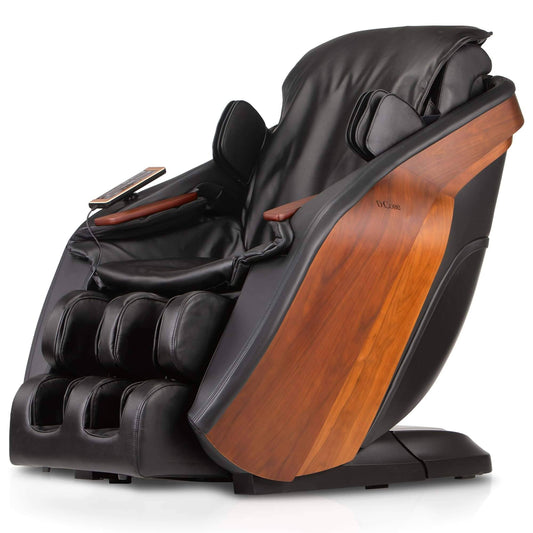
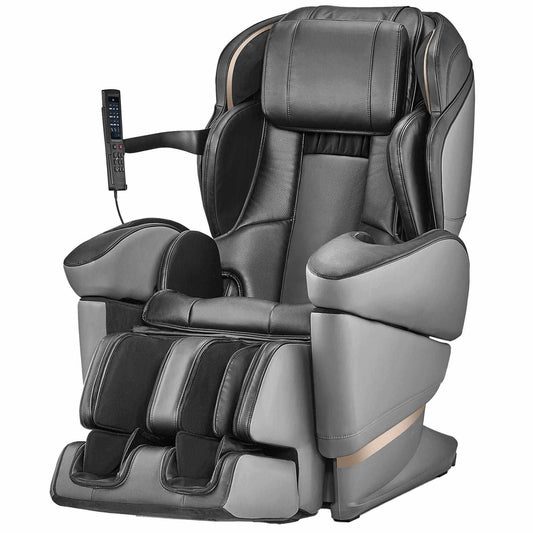

Zero Gravity Massage Chair Benefits and Features
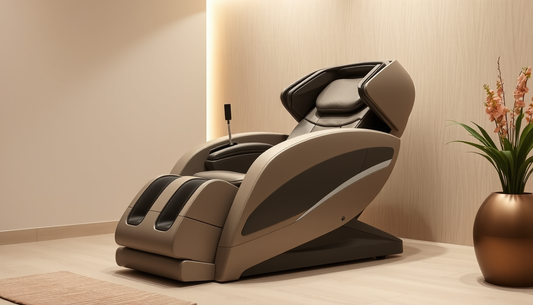
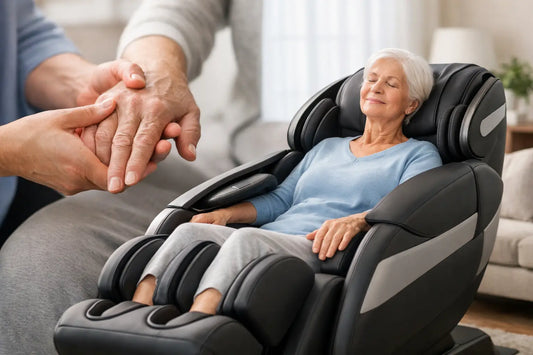
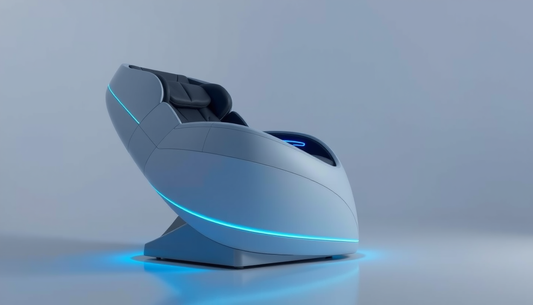
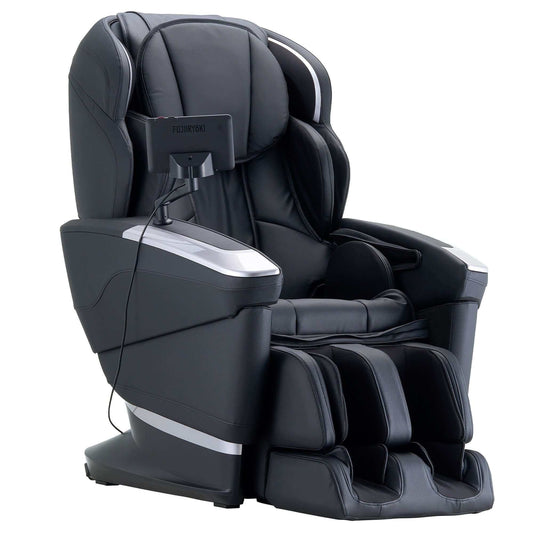
The difference is immediate: as a zero gravity massage chair reclines, your legs rise above your heart and your body’s weight is distributed more evenly across the backrest and seat. It is a position inspired by the neutral-body posture used in aerospace research, but its value at home is far more practical. Less pressure through the lower back, a more supported feeling through the legs, and a massage that can work without asking tense muscles to fight gravity.
For buyers considering a premium massage chair, zero gravity is not simply a checkbox on a feature list. It changes how the chair feels, how effectively the rollers reach the body, and how restorative a daily session can become after a demanding workday, travel, training, or prolonged time at a desk.
What zero gravity positioning actually does
In a conventional recliner, the body is tilted back, but much of its weight can remain concentrated around the hips and lower spine. A true zero gravity position pairs a deep recline with a raised leg rest, bringing the thighs and torso into a more balanced alignment. The exact angle differs by chair, body type, and manufacturer, but the goal is consistent: reduce localized pressure and create a more naturally supported posture.
This matters because massage is more comfortable when the body is allowed to settle. When the shoulders, hips, and legs are supported, many users find it easier to relax into kneading, tapping, rolling, and deeper massage programs. The position can also make lumbar heat, calf compression, and full-body air massage feel more integrated rather than separate features operating at once.
The experience should not be confused with medical treatment. A massage chair may help support relaxation, temporary relief from everyday muscle tightness, and recovery routines, but it does not diagnose or treat a medical condition. Anyone managing circulatory concerns, recent surgery, pregnancy, severe pain, or a health condition should consult a qualified clinician before using a massage chair.
Why a zero gravity massage chair feels more effective
The strongest premium chairs are designed as coordinated systems. Zero gravity positioning creates the foundation, while the massage mechanism, track design, airbags, heat, and controls determine what happens next.
Better body contact along the massage track
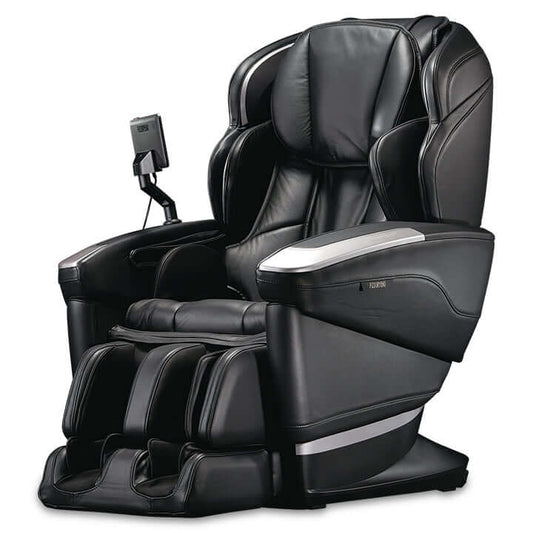
When the body is reclined and supported, the back often rests more consistently against the chair. This can help rollers maintain contact from the upper back through the lumbar region, particularly in chairs with an extended SL track. An SL track follows the natural curve of the spine and continues beneath the seat toward the glutes, offering a broader coverage area than a shorter, more conventional track.
Fit still matters. A chair with advanced scanning technology can detect shoulder position and adjust the massage range, but the chair must suit the user’s height and frame. A model that feels precise for one person may feel too high, too low, or too narrow for another. Premium engineering is most valuable when it is paired with the right physical fit.
A more composed deep-tissue experience
Deep-tissue massage can be exceptionally satisfying, yet it is not always comfortable at maximum intensity. In zero gravity, the supported position can make firmer roller work feel more controlled, especially through the lower back and hips. That said, zero gravity does not automatically make every massage gentler. Roller depth, 3D or 4D adjustment, body scanning, and program selection remain the primary controls for intensity.
For first-time owners, the best approach is to begin with a moderate automatic program, then refine the experience. Reduce roller depth if the massage feels too aggressive, use airbags at a lower setting if compression feels restrictive, and increase intensity gradually over several sessions. The right setting is the one that leaves the body feeling refreshed, not overworked.
A quieter transition from work mode to recovery mode
There is also a lifestyle benefit that technical specifications do not fully capture. A deeply reclined massage session creates a defined pause in the day. For executives and professionals who carry tension from long meetings, screen time, commuting, or frequent travel, the chair becomes a dedicated recovery space rather than another piece of furniture competing for attention.
That distinction is one reason zero gravity has become a defining feature in luxury home wellness. It supports a more immersive experience without requiring an appointment, travel time, or a separate recovery routine.
Zero gravity is only as good as the chair around it
A basic chair may offer a zero gravity button, but a premium result depends on the quality of the surrounding design. Buyers should evaluate the recline function in context rather than making it the sole deciding factor.
A well-engineered massage mechanism is central. Two-dimensional rollers move up and down the back, while 3D systems add forward and backward movement to vary pressure. 4D massage adds control over rhythm and speed, creating a more nuanced, hand-like sequence. AI-driven systems can further tailor programs using body scanning and user feedback. These technologies do not replace good ergonomics, but they can make zero gravity positioning substantially more personalized.
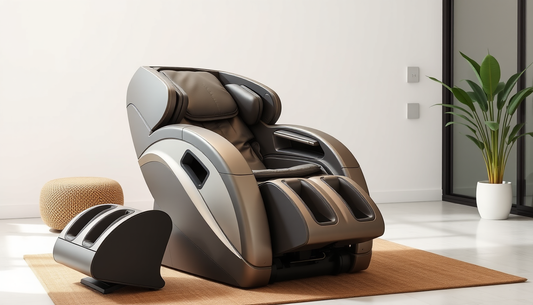
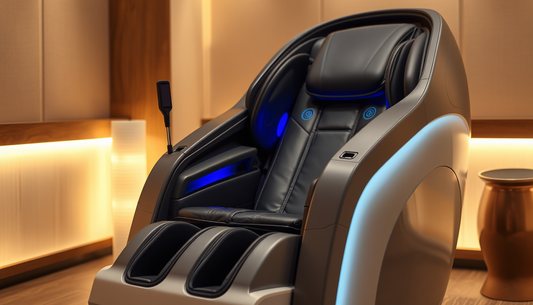
Leg massage deserves equal attention. In a reclined position, calf and foot components become especially noticeable. Some chairs use airbags for rhythmic compression, while others combine airbags with rollers, scraping nodes, or reflexology-inspired foot massage. Consider whether the leg unit extends for taller users and whether the footwell accommodates your preferred pressure level. A powerful foot program is a benefit for some buyers and a reason to choose adjustable intensity for others.
Heat is another feature that can elevate the session. Focused lumbar heat may complement a gentle evening massage, while more advanced systems may bring warmth to the calves, feet, or broader areas of the body. It is a comfort feature, not a substitute for clinical care, but it can make a chair feel notably more inviting during colder months or after strenuous activity.
Choosing the right zero gravity massage chair
The best chair is not necessarily the one with the longest feature list. It is the one whose capabilities match how, where, and by whom it will be used.
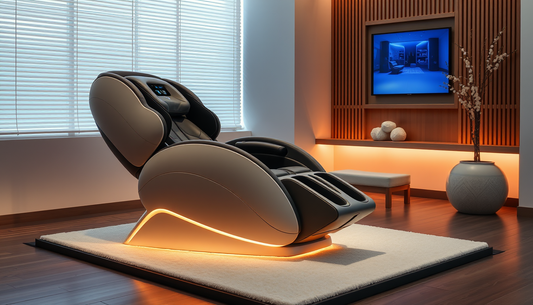
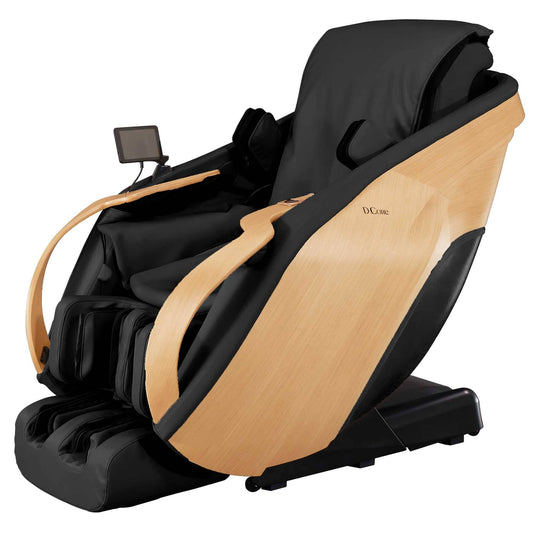
Start with space. Measure the room, the intended placement, nearby walkways, and the wall clearance needed for recline. Wall-hugging or space-saving designs slide forward as they recline, making them particularly useful in executive offices, bedrooms, and refined living spaces where every inch matters. Do not assume a compact exterior means a compact experience, however. Review the chair’s fully reclined dimensions before committing.
Next, consider your primary goal. If you want reliable end-of-day decompression, prioritize comfortable zero gravity, intuitive automatic programs, heat, and a quiet operation. If your focus is athletic recovery or persistent daily tightness, look more closely at adjustable roller depth, extended track coverage, calf and foot massage, and targeted manual controls. For a shared household, memory settings, body scanning, broad height accommodation, and easy remote controls can be more valuable than an extra novelty program.
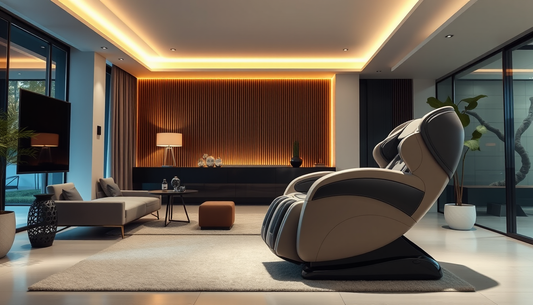
Material and finish matter in a premium purchase as well. Upholstery should complement the room while remaining durable enough for frequent use. Refined colorways, carefully stitched surfaces, and a well-integrated control system help a chair earn its place in a high-design home instead of feeling like oversized exercise equipment.
Finally, think beyond the initial session. A high-end massage chair is durable wellness hardware. Look for thoughtful assembly support, dependable warranty coverage, service accessibility, and a retailer that understands the technology well enough to guide a meaningful comparison. Made in Japan craftsmanship, advanced mechanics, and luxury materials carry greater value when they are supported by knowledgeable product selection and long-term ownership confidence.
How to get more from zero gravity at home
A zero gravity session works best when it becomes a consistent ritual rather than an occasional experiment. Fifteen to twenty minutes after work may be enough to create a transition before dinner or family time. A shorter, lighter program in the morning can be preferable to an intense session when the body is not yet warmed up. After exercise, use a program that feels restorative instead of assuming maximum pressure will deliver the best result.
Pay attention to your response over time. If a shoulder area remains sensitive, adjust the shoulder position or roller width. If lower-back work feels too pronounced, reduce depth, select a gentler technique, or use a less aggressive recline angle. Sophisticated chairs offer customization because an excellent massage is personal.
The right zero gravity massage chair should feel less like a feature-packed appliance and more like a deliberate investment in how you recover at home. Choose the position, massage technology, and fit that make you want to return to it regularly. That is where advanced engineering becomes part of an elevated daily routine.
Tags:
Previous
Cyber Relax AI: A Presentation-Style Rundown of Fujiiryoki Full-Body Massage Techniques for Blood Flow, Fatigue Relief, and Flexibility (Ankle to Wrist)
Next
Fujiiryoki Cyber Relax Elite: A Practical Presentation on Full-Body Massage Techniques from Ankle to Wrist for Optimal Circulation, Fatigue Relief, and Flexible Mobility