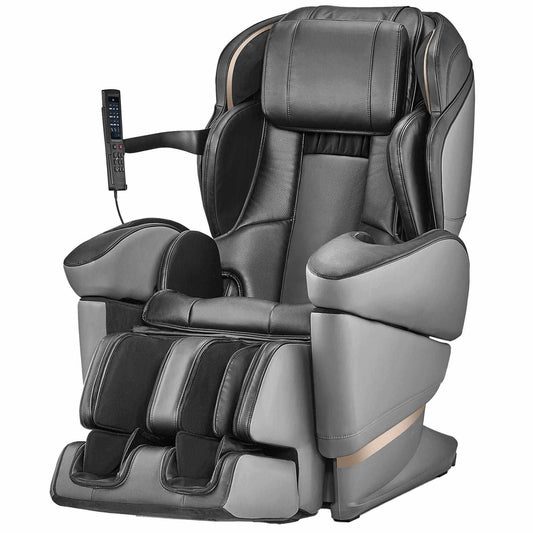

Top Massage Chair Safety Features to Look For
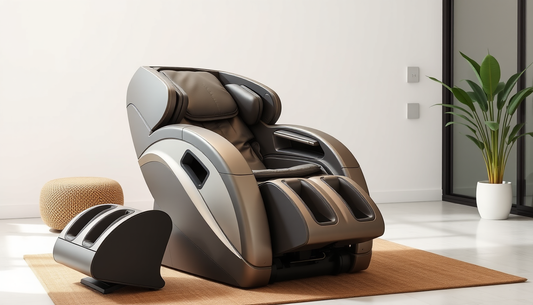
A premium massage chair can become one of the most used pieces of wellness equipment in your home. It also moves, reclines, heats, compresses, and applies targeted pressure, which makes the top massage chair safety features as meaningful as the chair’s 4D rollers or zero gravity performance. The best models are designed to make advanced massage feel controlled and considered, whether the chair is used after a demanding workday, as part of a recovery routine, or by several members of a household.
Safety should not be treated as a single specification. It is a system of engineering decisions: how the chair senses the body, how it responds when its moving sections meet resistance, how stable it remains in a deep recline, and how easily the user can stop a program. For an ultra-premium purchase, these details deserve the same scrutiny as massage track length, heat zones, and upholstery.
Top Massage Chair Safety Features Worth Prioritizing
Obstruction detection around the footrest and recline path
The footrest is one of the most active components on a modern massage chair. It extends to accommodate different heights, may contain calf and foot massage mechanisms, and retracts as the chair returns upright. Advanced obstruction detection helps the chair recognize resistance in its path and stop or reverse movement before an object becomes trapped.
This matters in active homes, especially where children, pets, or occasional clutter may be near the chair. Look beyond the phrase “safety sensor” and consider where protection is applied. A thoughtfully engineered chair may monitor areas near the footrest, backrest, and rear recline zone rather than relying on a single point of detection.
No sensor replaces good placement. Keep the chair’s movement path clear, and maintain the manufacturer’s recommended clearance from walls and furniture. Wall-hugging designs can reduce the space required behind the chair, but they still need a clear, level operating area.
Automatic body scanning and intelligent pressure control
A chair that scans the user before beginning a program does more than personalize the massage. It can support safer roller placement by identifying shoulder height, body contours, and key massage areas. When rollers start in the correct position, they are less likely to work too high on the neck or miss the intended muscle groups.
High-end models may pair body scanning with AI-driven program adjustments, variable roller speed, or intensity modulation. These technologies can make a session feel more responsive, particularly for households where users differ in height and build. Still, automatic adjustment is not a substitute for personal judgment. If a massage feels sharp, numb, overly intense, or uncomfortable, reduce the setting or stop the program.
For deep tissue and 4D or 5D-style massage systems, intensity control is especially valuable. Greater roller range and more deliberate pressure can produce an exceptional recovery-focused session, but only when the user can tailor it to their comfort level.
Accessible pause, stop, and recline controls
The ability to interrupt a massage immediately is fundamental. A well-designed remote should make pause and stop functions easy to locate without navigating several touchscreen menus. In a reclined position, a user should also be able to return the chair upright without needing assistance.
Consider who will use the chair most often. A large touchscreen can provide a polished, executive-level interface and detailed program selection, while physical shortcut buttons may be easier for users who prefer simple, tactile controls. The strongest user experience often combines both: an advanced display for customization and direct controls for essential actions.
Remote storage also has a practical safety role. A remote that docks securely is less likely to be misplaced when a user needs it. If the chair supports voice control or app-based operation, treat those functions as conveniences, not as the only means of stopping a session.
Stable zero gravity construction and secure positioning
Zero gravity positioning distributes body weight across the chair while elevating the legs, helping reduce the sense of compression through the lower back. It is a signature feature in luxury massage seating, but its comfort depends on a stable frame, reliable recline mechanism, and secure base.
Evaluate the chair’s overall footprint and intended location before delivery. A substantial chair with a quality internal frame may offer a more planted feel during recline and massage, though it can be heavier and more demanding to move. That is a worthwhile trade-off for a permanent wellness space, but it may be less convenient in a room that is frequently rearranged.
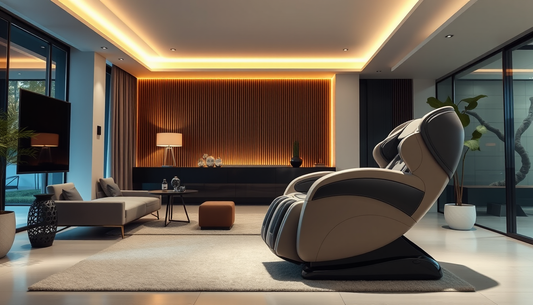
The floor beneath the chair matters, too. Place the unit on a flat, supportive surface. Thick rugs, uneven flooring, and improvised risers can affect stability. If you are protecting hardwood or delicate flooring, use a suitable floor protector that does not compromise the chair’s level position.
Thermal management for heated massage functions
Heat can elevate a massage experience by helping the body relax before rollers and airbags begin their work. It also requires careful design. Quality chairs use controlled heating elements and timed programs to avoid extended unattended operation. Automatic shutoff is a particularly useful feature for users who may fall asleep during a session.
Review how heat is delivered. Some chairs offer focused lumbar warmth, while others extend heating to the back, seat, calves, or feet. More zones can create a more enveloping experience, but they also make it more important to select a chair with clear heat settings and dependable controls.
People with reduced heat sensitivity, circulation concerns, neuropathy, or conditions that affect sensation should speak with a qualified clinician before using heated functions. The same applies to anyone using a massage chair following surgery, injury, or significant medical treatment.
Electrical protection and responsible power design
A massage chair is sophisticated powered equipment, not ordinary occasional-use furniture. Its electrical system should be treated accordingly. Use a properly grounded outlet, follow the manufacturer’s instructions, and avoid extension cords unless the manual specifically permits them. Do not run the power cable beneath rugs or place it where the reclining mechanism can contact it.
Automatic shutoff helps manage both comfort and power use by ending a session after its programmed duration. It also encourages a more measured wellness routine. Longer is not always better with massage, particularly when using high-intensity roller settings, stretching programs, or concentrated calf and foot compression.
Before each use, a quick visual check is worthwhile. Confirm that the cord is intact, the area around the chair is dry, and nothing has fallen beneath the moving sections. If you notice unusual sounds, inconsistent movement, a damaged cable, or overheating, discontinue use and arrange professional service rather than attempting a repair yourself.
Airbag controls that prevent excessive compression
Air compression massage is often one of the most satisfying features in a premium chair. It can create rhythmic support around the shoulders, arms, hips, calves, and feet, while stretching programs use airbags to help stabilize the body. Yet compression should feel secure, never painful or restrictive.
Look for chairs with adjustable airbag intensity and programs that allow you to select or deselect body zones. This is more than a comfort preference. It lets users avoid areas that are tender, recently strained, or simply too sensitive for a particular day. An advanced chair should accommodate a light decompression session as confidently as it delivers a vigorous full-body program.
Users with a history of blood clots, severe vascular conditions, uncontrolled blood pressure, or other circulatory concerns should seek medical guidance before using compression massage. Premium technology is most effective when used with appropriate care.
Safety Starts With the Right Fit
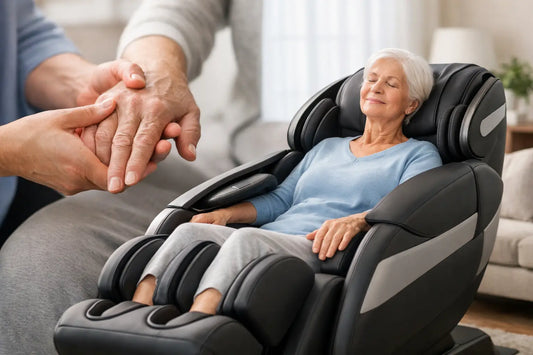
Even exceptional engineering cannot make one chair ideal for every user. Weight capacity, height range, shoulder width, footwell size, and ease of entry all affect both comfort and safe operation. A tall user may need an extendable ottoman and a longer SL-track design; an older adult may place greater value on accessible controls, a gradual recline, and a seat height that makes standing easier.
When comparing models, inspect the product specifications and operating requirements with the same attention you would give massage technology. Consider delivery access, the chair’s assembled dimensions, required wall clearance, and where it will be plugged in. For a shared household, choose a model with enough adjustment range that every regular user can achieve a natural, supported position.
A massage chair should complement professional medical care, not replace it. Consult a healthcare professional before use if you are pregnant, have an implanted medical device, have osteoporosis, are recovering from an injury, or manage a condition that could be affected by pressure, heat, or reclining positions.
The most rewarding massage chair is not merely powerful. It is engineered to give you confident control over that power. Choose the features that protect your space, respect your body’s feedback, and make every restorative session feel as refined as the chair itself.
Tags:
Previous
Fujiiryoki Cyber Relax AI: A Presenter-Style Deep Dive into Full-Body Massage Techniques and Their Benefits for Circulation, Fatigue Relief, and Mobility
Next
Cyber Relax AI: A Presentation-Style Rundown of Fujiiryoki Full-Body Massage Techniques for Blood Flow, Fatigue Relief, and Flexibility (Ankle to Wrist)