
Choosing a Massage Chair for Shoulder Tension
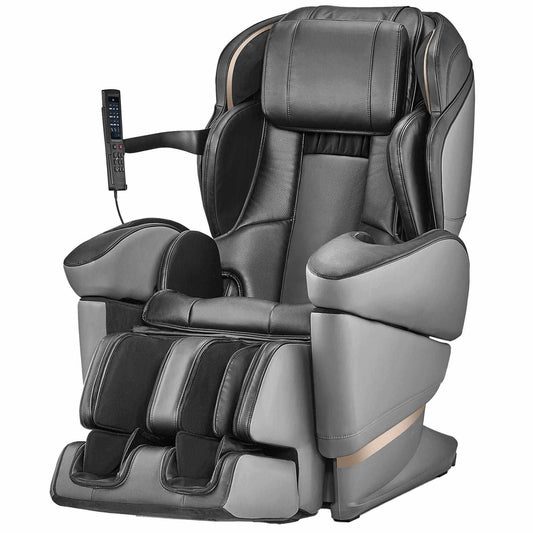
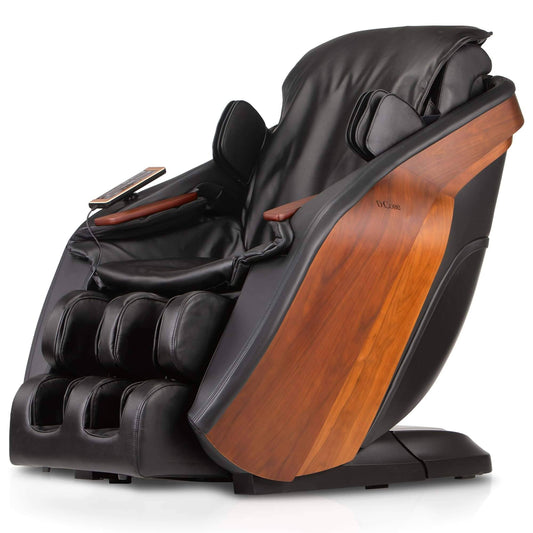
The familiar rise of the shoulders toward the ears is rarely caused by one long day alone. Hours at a desk, driving, travel, training, and stress can leave the upper trapezius, shoulder blades, and neck feeling guarded long after work ends. A massage chair for shoulder tension brings targeted, repeatable recovery into the home, but the right result depends less on a long feature list than on how well the chair fits your body and reaches the areas that actually feel tight.
For buyers investing in premium wellness equipment, shoulder relief deserves a more precise standard. The goal is not simply strong massage. It is controlled pressure across the upper back, thoughtful positioning, and programs you will use often enough to make a difference in your routine.
What Causes Shoulder Tension to Linger
Shoulder tension commonly begins above the shoulder blades, where the upper trapezius and levator scapulae work continuously to stabilize the head and arms. A forward-leaning work posture can load these muscles for hours. So can frequent phone use, a poorly adjusted car seat, carrying a bag on one side, or a demanding strength-training schedule.
Stress changes the equation. When the nervous system is in a heightened state, many people unconsciously elevate their shoulders and shorten their breathing. The resulting discomfort may feel like a knot beside the neck, a dense band across the upper back, or fatigue around the shoulder blades.
Massage can support relaxation and temporary relief from everyday muscular tightness, especially when paired with posture changes, regular movement, and adequate recovery. It is not a substitute for medical evaluation. New weakness, numbness, arm pain that travels, a sudden loss of range of motion, chest symptoms, or pain following an injury calls for prompt guidance from a qualified clinician.
What a Massage Chair for Shoulder Tension Should Do
A premium chair should begin with accurate body scanning. Before a program starts, the chair maps the user’s height, shoulder position, and back contours so the massage heads can work near the shoulder line rather than pressing too low into the upper back. Manual adjustment remains valuable because even excellent scanning cannot fully account for individual posture or a preference for a more focused session.
The most useful shoulder program usually combines several techniques. Kneading can soften the broad, dense feeling across the trapezius. Rolling and stretching can encourage a sense of length through the upper back. Tapping or percussion may feel invigorating around the shoulder blades, though it can be too intense for users who are already sensitive. A well-designed chair lets you adjust intensity, width, speed, and roller position instead of locking you into one automated routine.
Do not judge shoulder performance solely by the number of massage techniques. A chair that reaches the right location with adjustable pressure is more valuable than one that advertises an extensive menu but misses the upper trapezius by an inch.
4D and 5D Control Matter More Than Marketing Labels
Traditional rollers move up and down the back and side to side. Advanced 4D systems add variable depth, allowing the massage heads to extend outward for more pronounced pressure and retract for gentler work. This is especially relevant for shoulder tension because the upper back has prominent contours, and a fixed-depth massage can feel either ineffective or overly sharp depending on the user.
Some ultra-premium 5D AI systems add more responsive control, using body data and session feedback to vary rhythm, depth, and technique. The benefit is not that a chair can diagnose a problem. It cannot. The benefit is a more adaptive massage experience that can feel less mechanical across a complex area such as the neck-to-shoulder transition.
For people who prefer deep tissue pressure, 4D or 5D capability is worth prioritizing. For those who primarily want gentle relaxation after work, a refined 3D or 4D chair with strong body scanning and manual controls may be the better value.
Neck and Shoulder Airbags Complete the Experience
Rollers do much of the work along the spine and upper back, but airbags can add a different kind of support. Shoulder airbags may gently compress and stabilize the outer shoulders while the rollers work the trapezius. Arm and hand airbags can be useful for people whose desk work creates tension throughout the forearms and upper body.
Airbags should feel secure, not restrictive. If you have broad shoulders, pay close attention to the chair’s interior width and shoulder airbag design. An executive-grade chair with a narrow shell can feel confining, while an overly wide fit may reduce the sense of targeted contact. Dimensions are not a minor shopping detail. They determine whether the chair can deliver consistent pressure session after session.
The Features That Improve Upper-Body Recovery
Zero gravity positioning is often associated with lower-back comfort, yet it can be equally valuable for the shoulders. By reclining the body and elevating the legs, it helps distribute weight more evenly and reduces the demand to brace through the back. For many users, this position makes upper-back roller work feel more comfortable and less forceful.
Heat is another meaningful feature when used thoughtfully. Gentle warmth across the back can create a more relaxed starting point before a massage program begins. It tends to pair well with kneading and slower rolling, particularly at the end of the day. More heat is not automatically better, however. Users who are heat-sensitive or prone to inflammation may prefer shorter sessions or an option to disable it.
An SL-track design can extend massage from the upper back through the lower back and hips. That broader coverage matters because shoulder tension is not always isolated. When the mid-back and hips are stiff from prolonged sitting, the upper body often compensates. Still, an SL track alone does not guarantee superior shoulder work. Confirm that the chair’s roller range reaches your preferred upper-back location and that the neck and shoulder settings are independently adjustable.
Look for these practical details when comparing advanced models:
- A precise body scan with manual shoulder-position adjustment
- Variable roller depth and intensity, ideally with 4D or AI-responsive control
- Dedicated neck, shoulder, and upper-back programs
- Zero gravity recline and adjustable heat
- Shoulder, arm, and hand airbags sized for your build
- Easy-to-reach controls that let you change pressure without ending the session
Choosing the Right Pressure Level
A common mistake is assuming that deep tissue massage must be uncomfortable to be effective. With shoulder tension, excessive pressure can cause you to guard against the rollers, particularly near the top of the shoulders. Start at a moderate setting and assess how your body feels later that day and the following morning.
The ideal session leaves the area feeling warmer, looser, and easier to move, not bruised or more reactive. If one side is noticeably tighter, use a manual mode that allows localized work, but avoid repeatedly driving maximum intensity into a single spot. Short, regular sessions are often more sustainable than occasional aggressive ones.
A practical schedule may be 10 to 20 minutes after work, after travel, or following exercise, adjusted to your comfort level. Use the chair as part of a recovery ritual: step away from screens, settle into a neutral posture, breathe slowly, and let the program run without multitasking. The consistency of that pause can be as beneficial as the technology itself.
Fit, Space, and Build Quality Are Part of Performance
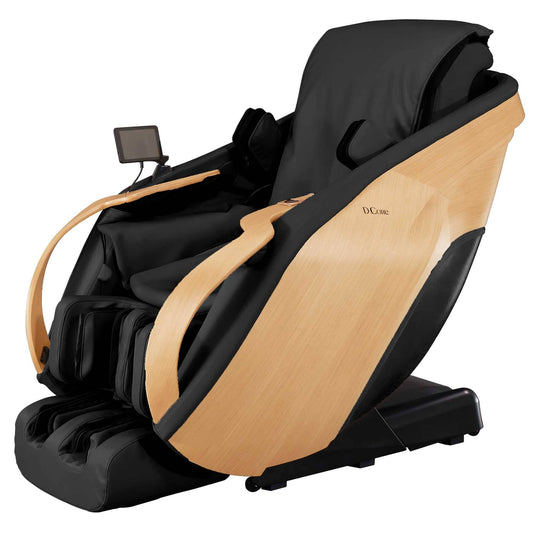
A massage chair is only effective when it becomes part of daily life. Before selecting a model, measure the room, the route through doorways, and the available clearance behind the chair. Space-saving wall-hugging designs are particularly useful in refined home offices, bedrooms, and living spaces where a full recline should not dominate the room.
Body fit deserves the same attention. Check the recommended user height range, maximum user weight, seat width, calf length adjustment, and shoulder width. Taller users need enough roller travel and leg extension. Petite users need a scan that can place the rollers high enough to address the upper back without reaching too aggressively into the neck.
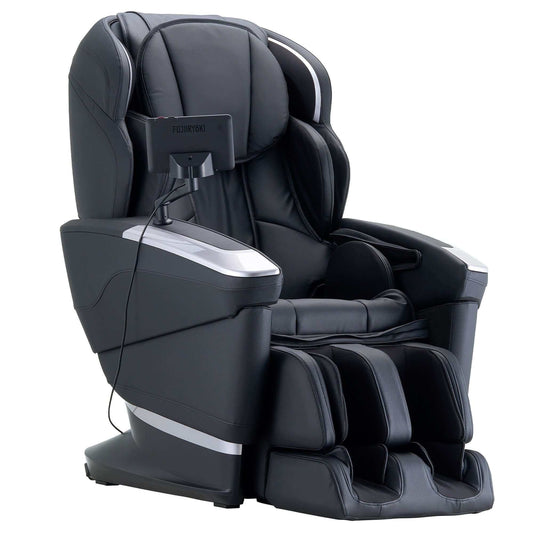
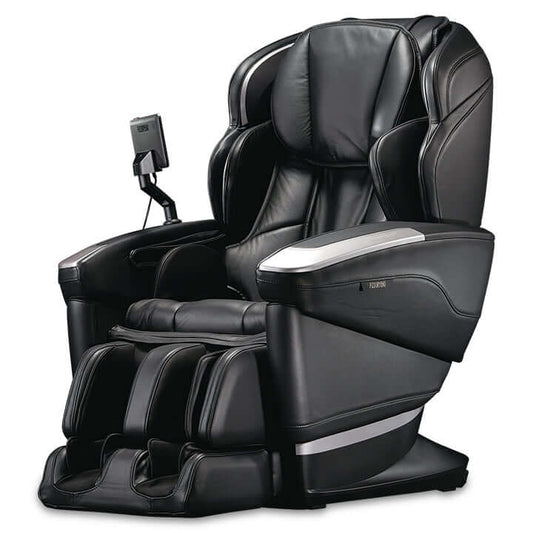
At the premium end of the category, engineering quality also changes the daily experience. Quiet motors, refined upholstery, durable frame construction, intuitive remotes, and controlled transitions into zero gravity make a chair easier to enjoy regularly. Made in Japan models and ultra-premium designs often distinguish themselves through this calibration: the rollers move with purpose, and the chair feels composed rather than noisy or abrupt.
Make the Purchase Around Your Actual Routine
A chair for evening stress relief may prioritize gentle programs, heat, and a quiet recline. A chair for post-training recovery may call for deeper 4D roller travel, stretching programs, and stronger airbag compression. An executive home office may benefit from a compact, design-conscious model that provides an effective 15-minute reset between meetings.
Fujiiryoki USA curates advanced options across luxury, zero gravity, SL-track, 4D, and 5D AI categories, allowing buyers to compare the technology that matches their preferred level of intensity and recovery style. A higher price should correspond to features you will genuinely use, not simply the most elaborate specification sheet.
The best chair will make shoulder care feel less like another obligation. Choose one that fits your frame, gives you meaningful control over pressure, and invites you to sit down before tension becomes the default setting for your day.
Tags:
Previous
How Massage Chairs Relieve Muscle Tension and Chronic Pain
Next
Cyber Relax AI: Seven Techniques for Full-Body Wellness