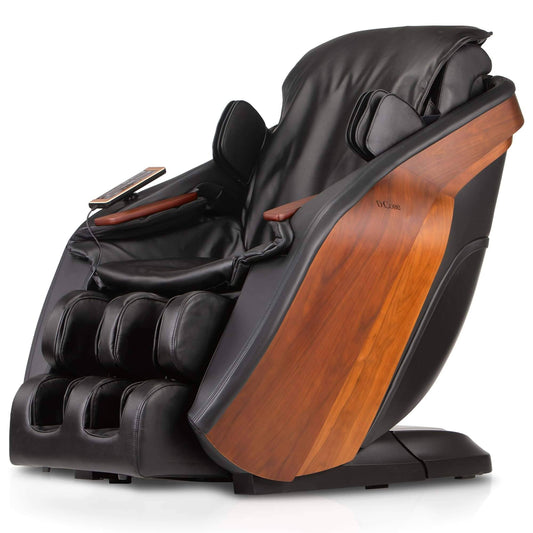
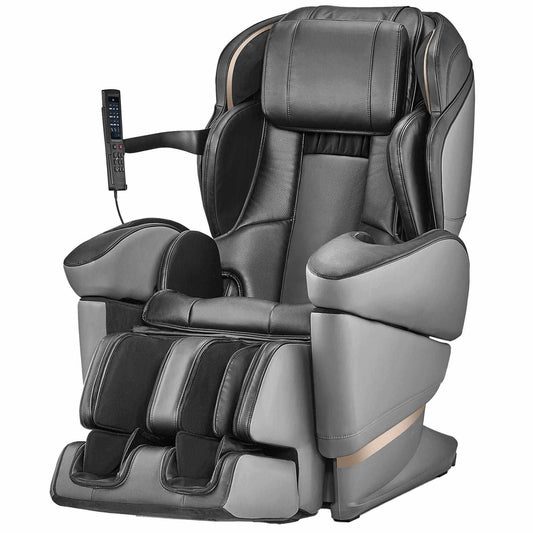

Massage Chair for Neck and Shoulder Pain
A stiff neck after video calls, shoulders that stay elevated long after a demanding workday, and the familiar tight band between the shoulder blades are not minor inconveniences. They change how you rest, focus, and move through the evening. A massage chair for neck and shoulder pain can make at-home recovery more consistent by delivering targeted, repeatable massage without requiring an appointment or asking someone else to reach the exact spot.
The right chair is not simply one with more programs. For this area of the body, roller accuracy, adjustability, posture support, and the ability to control intensity matter far more than a long feature list. Premium massage technology is designed to turn a chair from an occasional luxury into a practical part of a daily wellness routine.
Why Neck and Shoulder Tension Needs a More Precise Approach
Neck and shoulder discomfort often begins below the neck itself. Hours of desk work, driving, travel, stress, and poor sleep can leave the trapezius, upper back, shoulder blades, and surrounding muscles feeling overworked. A massage that only reaches the middle of the back may feel pleasant, but it may not address the areas carrying the most tension.
This is where body scanning becomes valuable. Advanced chairs use a scan to identify the user’s shoulder position and back contours before the program begins. The goal is better roller placement along the upper back and across the shoulders, rather than a one-size-fits-all massage path. A good scan should also be easy to adjust manually, since height and preferred treatment areas vary.
For many users, the most effective experience is not maximum intensity. Neck and shoulder muscles can be sensitive, especially when they are already tight. A chair that lets you reduce roller depth, narrow or widen the rollers, and focus a program on a specific region provides far more control than an aggressive fixed routine.
Features to Look for in a Massage Chair for Neck and Shoulder Pain
Shoulder-Focused Roller Coverage
Look closely at where the rollers travel. An extended SL-track can support massage from the upper back through the lower body, but the upper portion of the track deserves special attention for neck and shoulder concerns. The rollers should reach high enough to work around the upper trapezius and shoulder blade region without pressing uncomfortably into the neck.
Some ultra-premium models use advanced mechanisms that mimic the movement of professional hands, combining kneading, tapping, rolling, and variable-depth techniques. 4D and 5D AI massage systems can adjust speed, rhythm, and roller projection during a session. That variability is especially useful when shoulders need deeper kneading while the neck and upper spine require a gentler touch.
Adjustable Intensity and Targeted Programs
Preset programs provide convenience, but manual control is what gives a chair long-term value. Seek models with dedicated neck, shoulder, upper-back, recovery, or stress-relief programs, along with the ability to create a focused massage zone.
You should be able to change intensity without ending the session. Roller depth, speed, width, and aircell pressure all influence how the massage feels. For first-time users, begin at a lower setting for 10 to 15 minutes, then increase gradually over several sessions. A stronger massage is not automatically a better one if it leaves the area tender the next day.
Heat That Complements the Massage
Heated massage functions can add welcome comfort around the back and lumbar area, helping the body settle before deeper roller work begins. Heat is not a cure for persistent pain, but it can make a recovery session feel more restorative, particularly after long periods of sitting or cold-weather stiffness.
Placement matters. Some chairs offer warmth primarily in the lumbar region, while others extend it through the back or use heated pads in additional areas. For neck and shoulder relief, back heat can still be beneficial because it encourages overall relaxation and reduces the tendency to brace against the rollers.
Zero Gravity Positioning
Zero gravity positioning reclines the body so weight is distributed more evenly across the chair. This can reduce the pressure of sitting upright and help the shoulders relax into the massage. It also allows the rollers to maintain more consistent contact along the back.
For professionals who spend most of the day at a desk, zero gravity may be one of the most meaningful features. It shifts the experience from a quick seated rubdown to a dedicated decompression period. The best position is personal: some users prefer a mild recline for reading or watching television, while others favor a deeper zero gravity setting for a focused session.
Air Massage and Stretch Functions
Rollers do the detail work, but airbags can improve the overall effect. Shoulder airbags may gently hold or compress the upper arms and sides of the body, while arm and hip airbags help stabilize the user during stretching programs. This can create a broader sense of release through the upper body rather than concentrating every sensation in one spot.
Stretch programs deserve thoughtful use. They can feel excellent for someone whose shoulders are rounded from prolonged sitting, but they may be unsuitable when a person has an acute injury, recent surgery, severe joint limitations, or a condition that makes traction uncomfortable. When in doubt, choose a gentler program or ask a qualified healthcare professional for guidance.
Matching Chair Technology to Your Routine
A high-performance chair should fit the way you intend to use it. If the main goal is a short evening reset after computer work, prioritize accurate body scanning, adjustable upper-back rollers, moderate heat, and easy-access controls. A chair that takes several menus to adjust may discourage regular use, no matter how advanced it is.
For active adults managing post-workout tightness along with desk-related shoulder tension, a 4D or 5D AI model may justify the investment. These systems can vary the massage pattern and intensity more naturally than basic fixed-roller designs, creating a more customized feel across the upper back, glutes, and legs.
For a shared household, look for multiple user profiles or memory settings. A chair calibrated for a taller user’s shoulders may not feel correct for a shorter partner. Executive-level models often offer more refined customization, touchscreen remotes, and automatic programs that simplify this handoff.
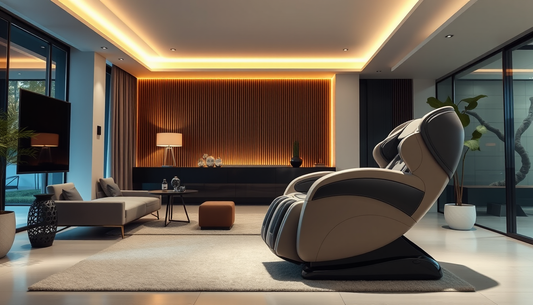
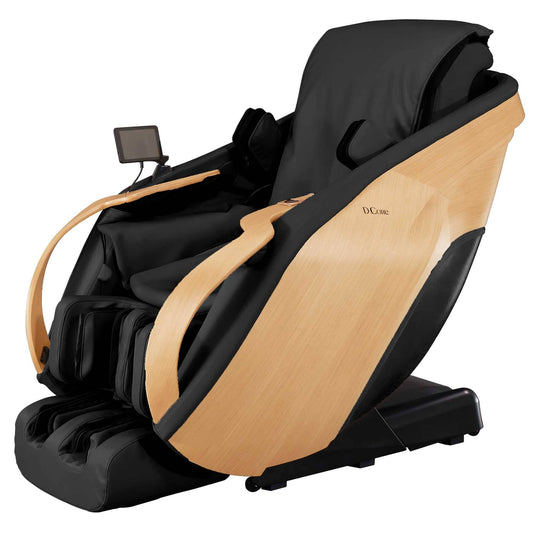
The physical footprint also matters. Measure the room, doorway, and intended placement before choosing. Wall-hugging recline designs can be valuable in a bedroom, office, or media room where a full-recline chair would otherwise require excessive clearance. A massage chair should look intentional in the space, not become an obstacle to using it.
What a Massage Chair Can and Cannot Do
A premium massage chair can help support comfort, relaxation, and muscle recovery from everyday tension. It can also encourage a healthier ritual: stepping away from screens, reclining properly, breathing more slowly, and giving tight muscles regular attention. Consistency is often more useful than waiting until discomfort becomes overwhelming.
It is not a replacement for medical evaluation. Seek professional care for pain that follows an accident, includes numbness or weakness, travels down the arm, comes with severe headaches or dizziness, or does not improve with reasonable self-care. People with certain medical conditions, implanted devices, circulation concerns, or recent procedures should consult their clinician before using a massage chair.
The practical standard is simple: the session should leave you feeling looser and more comfortable, not bruised, dizzy, or aggravated. If a program repeatedly causes discomfort, reduce the intensity, reposition the shoulder setting, shorten the session, or choose a different technique.
Build a Better At-Home Recovery Ritual
The chair works best when it supports habits beyond the chair itself. A 15-minute upper-body program after work can pair well with a short walk, gentle shoulder mobility, hydration, and a workstation setup that does not force the head forward all day. Those small choices help prevent the same tension pattern from rebuilding overnight.
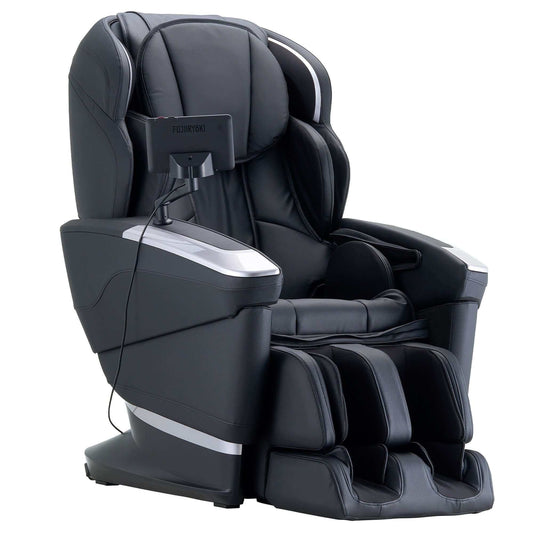
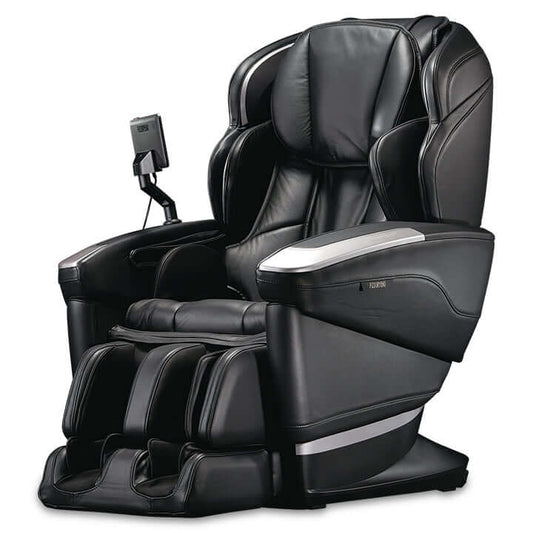
Fujiiryoki USA’s premium selection makes it possible to compare Made in Japan craftsmanship, advanced AI massage systems, zero gravity designs, and executive-grade comfort according to the level of performance you expect at home. Whether you choose a refined entry point or an ultra-premium flagship, prioritize precise shoulder coverage and controls you will actually use.
Choose the chair that makes relief easy to repeat. When a few minutes of targeted comfort becomes part of the evening rather than an occasional treat, your neck and shoulders have a better chance to finally let go.
Tags:
Previous
Fujiiryoki Cyber Relax AI: A Presentation-Style Masterclass on Full-Body Massage Techniques (Swedish, Deep Tissue, Trigger Point, Acupressure, Shiatsu, Reflexology, Kneading) for Enhanced Blood Flow, Fatigue Relief, and Mobility, from Ankle to Wrist
Next
Fujiiryoki Cyber Relax AI: A Presenter-Style Deep Dive into Full-Body Massage Techniques and Their Benefits for Circulation, Fatigue Relief, and Mobility