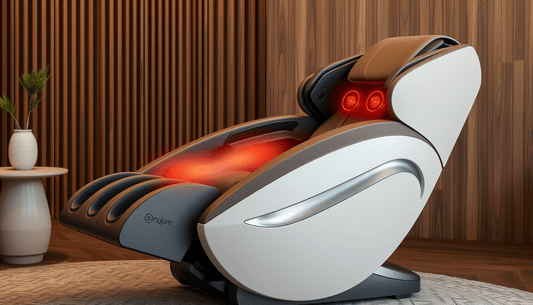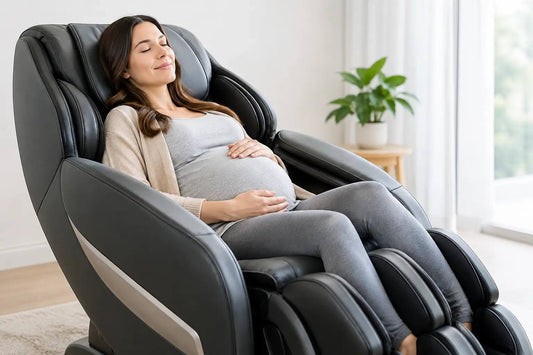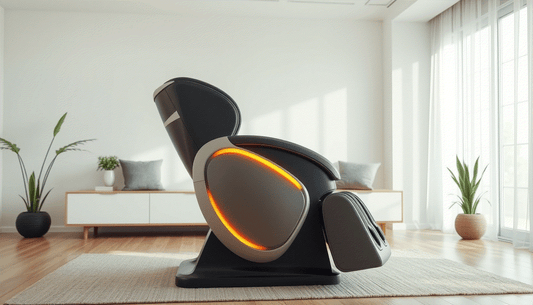
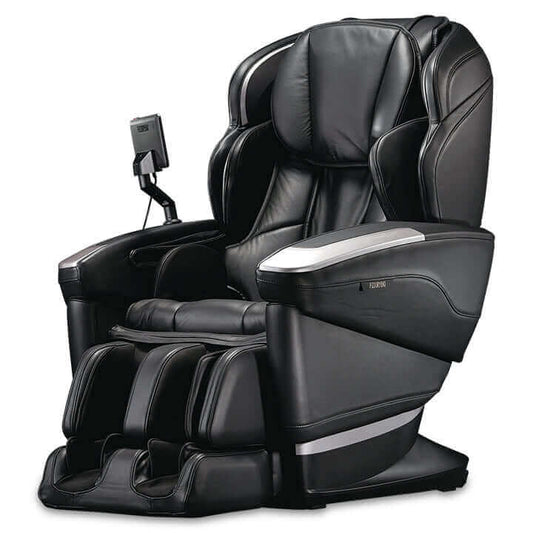
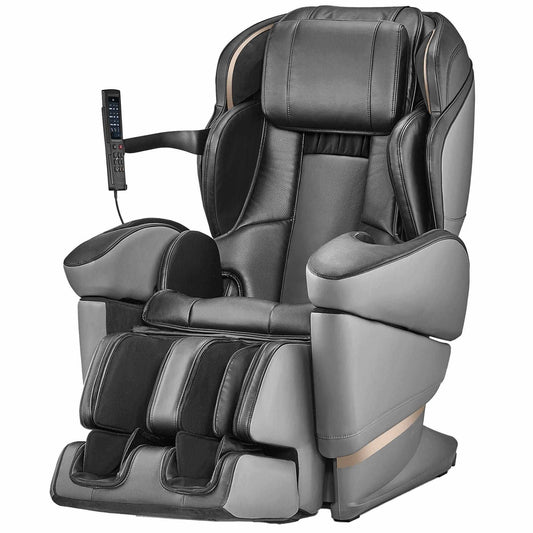
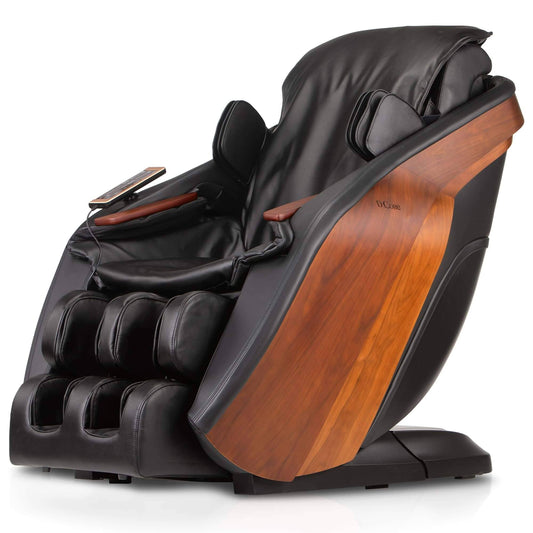

Massage Chair for Lower Back Pain: A Practical Buyer’s Guide
Searching for a massage chair for lower back pain can quickly lead to a long list of features and big promises. The key is to approach the purchase as a comfort and usability decision—not as a guaranteed solution for pain. A chair’s fit, massage style, controls, and return policy all matter, and the right choice will depend on your preferences and circumstances.
This guide walks you through what to compare, how to try a chair thoughtfully, and what to keep in mind before buying.
Start with realistic expectations
Massage chairs provide a seated massage experience. People may choose one because they enjoy the sensation or want a convenient way to relax at home. However, a chair should not be presented as a treatment for lower back pain, and its features cannot tell you what is causing discomfort.
If your pain is persistent, worsening, follows an injury, or concerns you, consider contacting a qualified healthcare professional for personalized guidance. A chair purchase is a comfort choice, not a substitute for an evaluation or care plan.
How to choose a massage chair for lower back pain
There is no single best model for everyone. Use the following criteria to narrow the options and judge whether a chair feels comfortable for you.
1. Check the chair’s fit
Massage mechanisms and seating dimensions vary. A chair that feels well-positioned for one person may feel awkward for another. Check the manufacturer’s sizing guidance, including any stated height or weight range, and compare it with your own measurements.
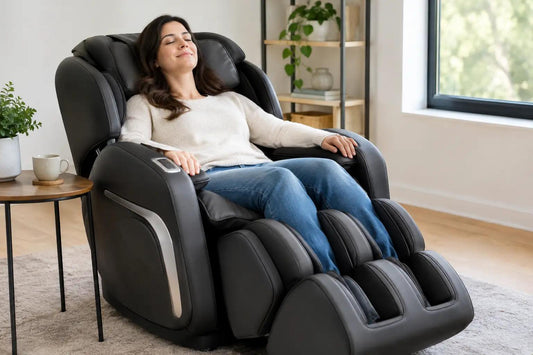
When possible, try the chair before buying. Sit with your feet supported and your back resting naturally against the chair. Notice whether the massage area reaches the part of your lower back you want to experience. If the rollers sit too high or low, or the seat feels cramped, that mismatch may matter more than an extra feature.
2. Compare massage styles and settings
Chairs may offer different sensations, such as rolling, kneading, tapping, or air compression. Names and programs vary by brand, so look for a plain-language description rather than assuming a label means the same thing across models.
Useful controls can include adjustable intensity, speed, massage area, and session length. If a chair has several programs, check whether you can change settings easily while seated. More options are only valuable if you can understand and use them.
3. Look for adjustable positioning
Reclining options can change how a chair feels and how much room it needs. Test the recline range, footrest, and head support if available. Make sure you can get in and out comfortably and that the chair does not force you into a position that feels unpleasant.
Also measure the room before ordering. Account for the chair’s footprint, its movement when reclining, and a clear path around it. Confirm delivery and assembly details instead of assuming the chair will fit through a doorway or stairwell.
4. Make sure the controls work for you
A complicated remote can turn a relaxing purchase into a frustrating one. Review the control layout, display, and instructions. If you can, test the buttons and menus in person. Consider whether you prefer a handheld remote, a control panel, or an app, and check what the product listing actually includes.
Try starting and stopping a program, changing intensity, and selecting a specific area. These simple tasks reveal whether the chair is intuitive enough for regular use.
5. Compare price, warranty, and returns
Set a budget before browsing. Compare chairs at similar price points and identify which features you will genuinely use. Pay attention to the full purchase terms: delivery charges, assembly, warranty coverage, return window, return shipping, and any restocking fees. Policies differ, so read the current terms for the exact seller and model.
A return option can be especially useful when you cannot test the chair first. Keep packaging and receipts until you are confident about your decision, and follow the seller’s instructions for any trial or return period.
A simple chair-testing checklist
Use this quick routine when visiting a showroom or testing a chair at home:
- Read the instructions: Learn how the chair starts, stops, and changes settings.
- Begin with a gentle setting: Choose a low intensity, if adjustable, and a short program to see how the sensation feels.
- Check the fit: Notice where the rollers or other mechanisms make contact and whether the seat supports you comfortably.
- Try the controls: Change the area or intensity and make sure you can stop the program promptly.
- Take your time: Don’t feel pressured to buy based on a brief demonstration or a salesperson’s claims.
Stop using the chair if the experience feels uncomfortable. If you have a health condition, an injury, or uncertainty about whether massage is appropriate for you, ask a qualified professional for individual advice before using one.
Common buying mistakes to avoid
Choosing by feature count alone
A long feature list does not guarantee a good fit. Prioritize the basics—comfortable positioning, clear controls, suitable adjustment, and transparent purchase terms—before paying more for extras.
Assuming marketing promises are evidence
Be cautious with wording that suggests a chair will fix, cure, or prevent lower back pain. A product description is not a personal assessment. Focus on what you can verify, such as dimensions, available settings, and written warranty terms.
Skipping the logistics
Massage chairs can be substantial pieces of furniture. Confirm the delivery route, placement, power requirements, and space needed for reclining. A great chair that cannot be installed where you want it is not a practical choice.
Final thoughts
The best massage chair for lower back pain is not necessarily the most expensive or the one with the most programs. It is the chair that fits your body and home, offers settings you can control, and comes with purchase terms you understand. Compare models carefully, test the sensation gently if possible, and keep expectations grounded: choose a chair for comfort and personal preference, not as a promised treatment for pain.
Tags:
Previous
Massage Chair for Circulation: A Practical Buyer’s and User’s Guide
Next
Massage Chair for Circulation: A Practical Buyer’s and User’s Guide