
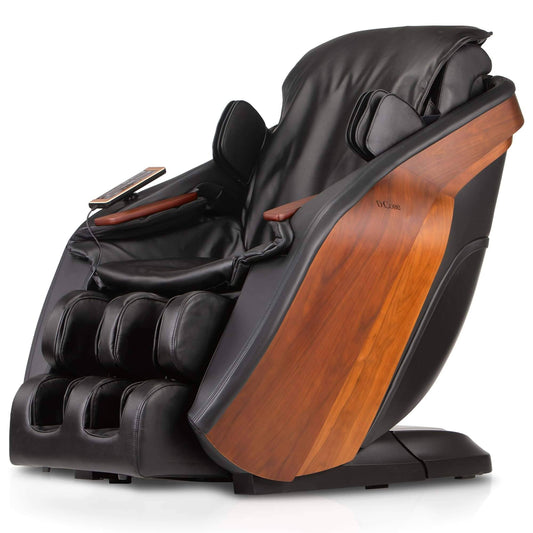

Choosing a Massage Chair for Your Home Office
The meeting ends, but your shoulders are still elevated. Your lower back has been holding the same position since breakfast, and the five-minute break you promised yourself has disappeared into another email. A massage chair for home office use changes that pattern by making meaningful recovery part of the workday rather than another task to schedule after it.
For executives, remote professionals, and homeowners building a more intentional workspace, the right chair is not a novelty purchase. It is premium wellness hardware designed to support the physical demands of concentrated, screen-based work. The key is choosing a model that fits the room, your body, and the kind of relief you will actually use.
Why a massage chair belongs in a home office
A home office often receives the least ergonomic attention in the house. The desk chair may be carefully selected, yet recovery is left to a quick stretch between calls or a rushed evening routine. Hours of seated work can contribute to persistent neck tension, tight shoulders, hip stiffness, and lower-back fatigue. While a massage chair is not a replacement for medical care or regular movement, it can provide a practical, consistent way to decompress.
The greatest advantage is proximity. When a high-performance chair is steps away from the desk, a 10- or 15-minute session becomes realistic before a demanding presentation, after a long video call, or at the end of the day. This is especially valuable for professionals who want recovery without adding another appointment to an already full calendar.
A refined massage chair also creates a clear boundary between work and personal time. Leaving the desk and reclining into a zero gravity position is a small physical change with an outsized effect on routine. It signals that the work block is over, even when the commute is only a few steps down the hall.
Choose the right massage chair for a home office
The most impressive specification sheet is not automatically the best fit. Start with the space and the intended use, then compare massage technology. A chair chosen for daily neck and shoulder relief may look different from one selected for full-body recovery after travel, training, or extended workweeks.
Measure more than floor space
A premium massage chair needs room to operate, not merely room to sit. Measure the available width, depth, and ceiling clearance, then account for the chair's recline path. Wall-hugging or space-saving designs can be particularly effective in a dedicated office, guest room, or executive suite because they reduce the clearance required behind the chair.
Also consider the approach to the chair. You should be able to enter, exit, and use the remote without rearranging office furniture. If the chair will sit near built-in shelving, a credenza, or a desk, allow enough clearance for footrest extension and full recline. A compact room may favor a carefully engineered space-saving model over a larger flagship chair, even if the flagship offers more programs.
Match the massage system to your tension pattern
For desk professionals, the neck, trapezius muscles, shoulders, lumbar region, glutes, and calves are common areas of concern. An SL-track chair is a strong starting point because its extended track follows the natural contour from the upper back through the lower body, delivering more continuous coverage than a shorter back-only track.
Roller technology determines how precisely the chair can work. Advanced 4D systems add control over speed, width, depth, and rhythm, making the massage feel more responsive and less mechanical. They are well suited to buyers who prefer a deliberate deep-tissue experience through the upper back and lumbar area.
Ultra-premium 5D AI massage systems take personalization further by assessing the body and adapting intensity or movement patterns throughout a session. For a shared household office, this can be especially appealing. Different users can receive a more tailored experience without constantly rebuilding settings from the beginning.
Deep tissue performance is valuable, but it is not the right setting for every day or every user. If you are sensitive to pressure, look for adjustable intensity, targeted programs, and the ability to reduce roller depth. A sophisticated chair should give you control, from a gentle recovery session between meetings to a more focused evening program.
Prioritize zero gravity for true decompression
Zero gravity positioning elevates the legs and reclines the body into a more balanced posture. For many office users, this is one of the chair's most valuable features. It helps remove the feeling of compression that can build during prolonged sitting and positions the body for a more immersive massage.
A zero gravity chair can also make shorter sessions more effective. Fifteen focused minutes in a properly reclined position may feel substantially different from sitting upright while trying to relax. If the home office is used for long hours, this feature deserves priority over cosmetic extras.
Consider heat, airbags, and foot massage as a system
Heated massage functions can add welcome comfort around the lumbar region and legs, particularly after long periods in a climate-controlled office. Airbags support a different kind of experience than rollers, using compression to address the shoulders, arms, hips, calves, and feet. Together, these features create the full-body sensation many buyers expect from an executive-level chair.
Foot massage deserves close attention if your workday includes standing, commuting, or frequent travel. Roller and compression systems can provide a restorative finish to an evening session. However, users with sensitive feet may prefer models with adjustable foot intensity, removable pads, or a gentler program selection.
Design details matter in an executive workspace
A home office is a working environment, and the chair should look intentional within it. Premium upholstery, restrained color options, clean exterior lines, and a polished remote or touchscreen interface help the chair complement an elevated interior rather than dominate it.
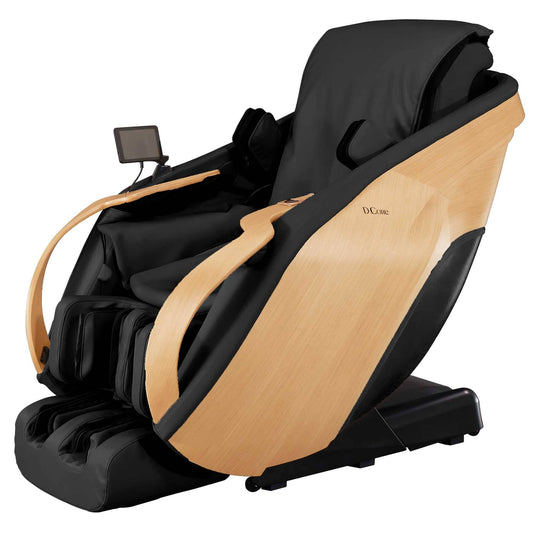
Consider where the chair will be visible during video calls. A sophisticated model in black, espresso, or another neutral finish may integrate naturally beside wood millwork, tailored seating, and modern desk systems. A more sculptural ultra-premium design can become a focal point in a larger office or private wellness room.
Noise is another practical detail. Massage chairs use motors, airbags, rollers, and mechanical adjustment systems, so they are not silent. High-quality engineering generally provides a more refined operating experience, but no full-featured chair is completely inaudible. If the chair will be used while someone else is on a call nearby, place it in an adjacent room or reserve sessions for breaks and after-hours use.
Build a recovery routine you will keep
The best program is the one you use consistently. Rather than saving the chair for severe discomfort, establish a simple rhythm around your work schedule. A short shoulder-and-neck program before the day begins can help you start with less stiffness. A midday session may be useful after extended focused work. In the evening, a longer full-body program with heat and zero gravity can create a calmer transition out of work mode.
Avoid treating a massage chair as permission to remain motionless for longer. Stand up between tasks, adjust your desk ergonomics, and take brief walks when possible. The chair works best as part of a higher-quality routine that includes movement, hydration, and sensible workstation setup.
If you have a medical condition, recent injury, implanted device, pregnancy, or unexplained pain, consult a qualified healthcare professional before using a massage chair. Premium technology offers substantial comfort, but the proper setting and frequency depend on the individual.
When a premium chair is worth the investment
An entry-level chair may offer basic vibration, heat, and a limited reclining function. That can be enough for occasional relaxation. For a home office that supports serious work and daily use, higher-end engineering becomes more meaningful: longer massage tracks, precise rollers, zero gravity positioning, body scanning, advanced air compression, stronger adjustment ranges, and more durable construction.
The decision often comes down to frequency. If the chair will be used once a month, a simpler design may be appropriate. If it will become part of your morning, midday, or evening routine, an ultra-premium model can justify its place through better personalization, more targeted relief, and a more refined ownership experience.
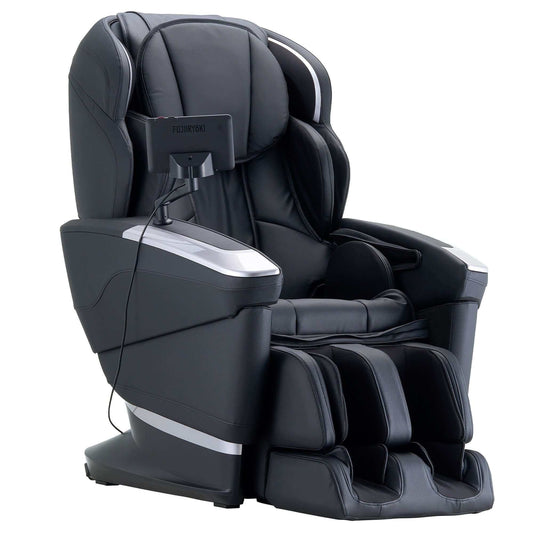
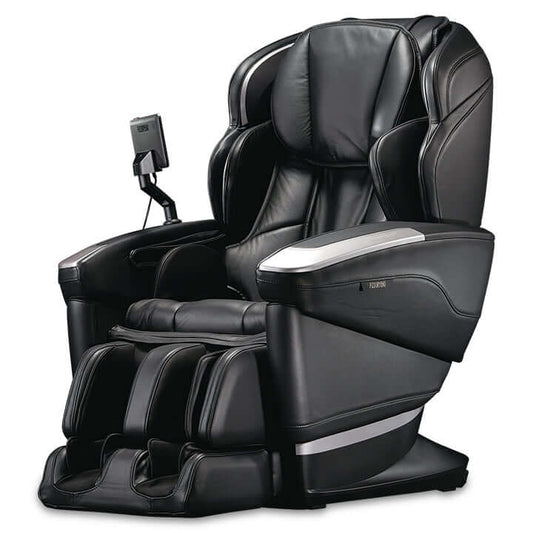
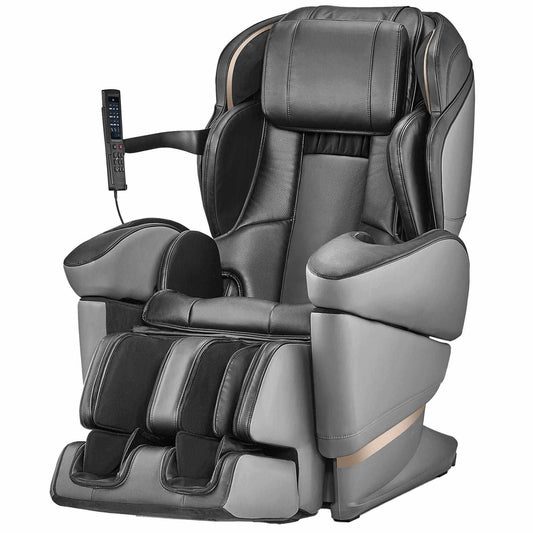
Fujiiryoki USA curates Made in Japan, luxury, 4D, 5D AI, zero gravity, and SL-track options for buyers who want to compare performance at this level. Refurbished executive models can also be a considered path for those seeking advanced features with a more accessible investment.
A well-chosen massage chair does more than fill an empty corner of the office. It gives your workday a dedicated place to release tension, reset your posture, and leave the desk feeling more like yourself.
Tags:
Previous
Fujiiryoki Cyber Relax AI Massage Masterclass: Complete Technique Guide
Next
Fujiiryoki Cyber Relax AI: Seven Massage Techniques for Full-Body Relief