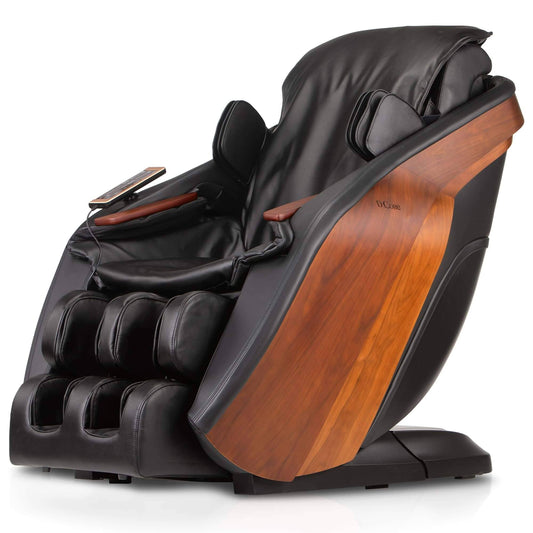

How to Choose a Massage Chair for Back Pain
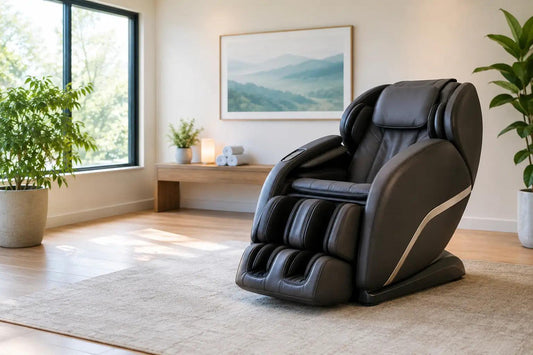
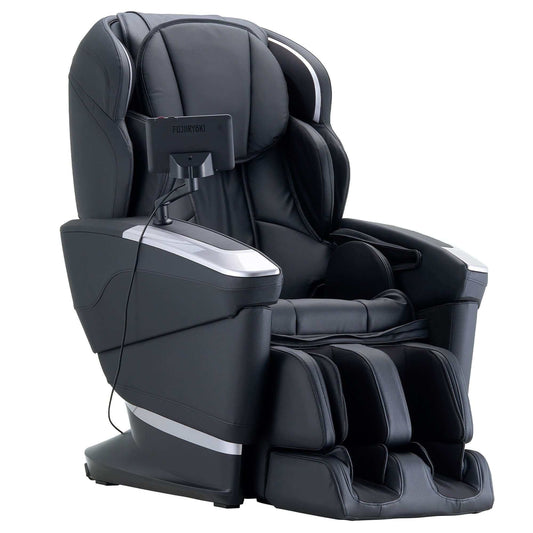
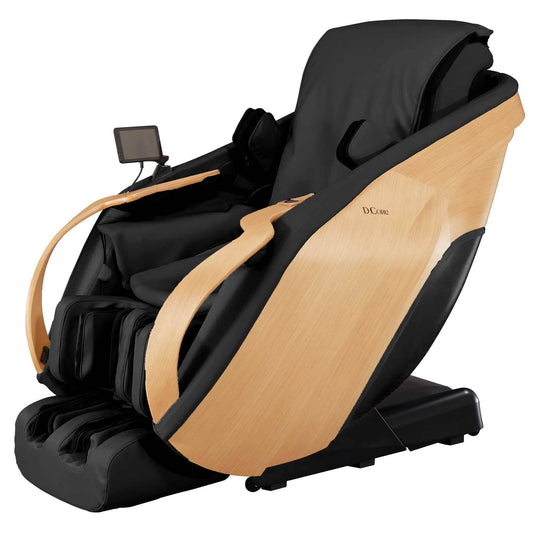
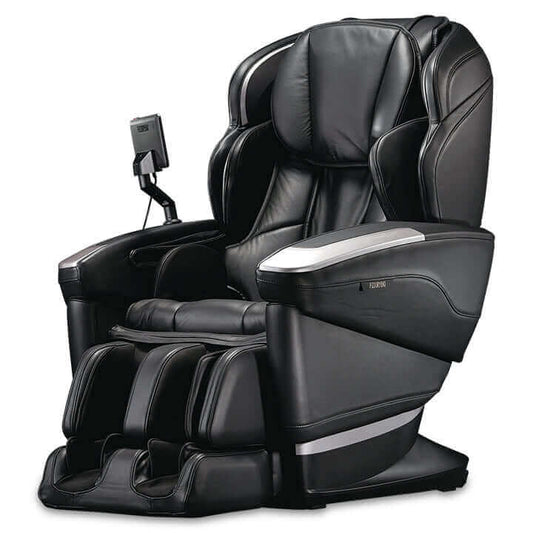
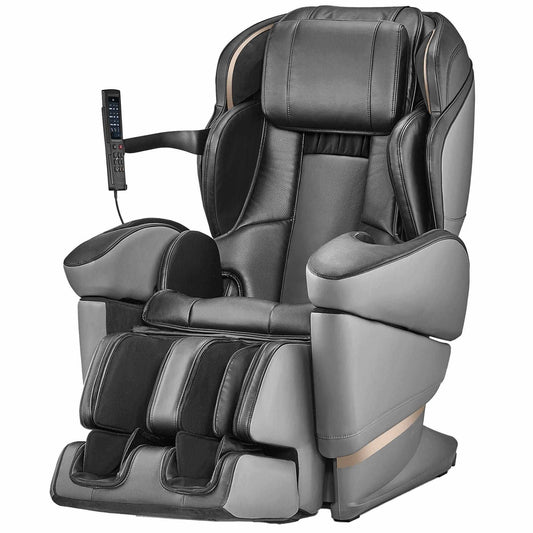
The difference between a chair that feels pleasant for ten minutes and one you use for years often comes down to how precisely it addresses the areas that work hardest: the neck, shoulders, lumbar region, glutes, and hips. A massage chair for back pain should not be chosen solely for its program count or exterior design. The right model delivers adjustable, repeatable comfort that fits your body, daily routine, and tolerance for pressure.
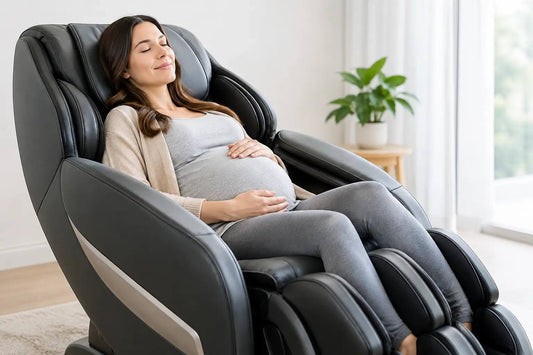
For professionals who spend long hours at a desk, active adults managing post-workout tightness, or homeowners creating a more restorative evening routine, advanced massage technology can be a meaningful investment in everyday comfort. It is not a substitute for medical diagnosis or treatment, particularly for persistent, severe, or radiating pain. It can, however, provide targeted relaxation for common muscle tension and fatigue in the privacy of home.
What a Massage Chair for Back Pain Can Do
Back discomfort is rarely isolated to one small spot. Tight hip muscles can contribute to a strained lower back. Rounded shoulders can leave the upper back feeling overworked. A quality chair approaches this interconnected pattern with rollers, airbags, positioning, and heat that work across a larger portion of the body.
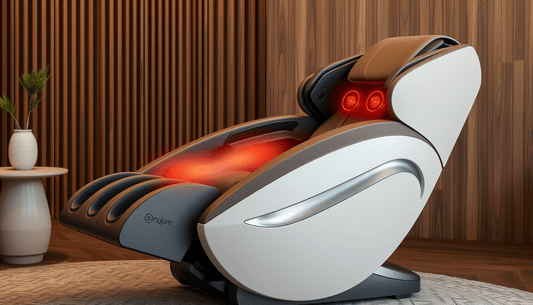
Roller massage can knead, tap, stretch, and apply focused pressure along the back. Depending on the chair's program and intensity settings, this may help ease the feeling of muscular tightness after commuting, sitting, travel, exercise, or a demanding workday. Airbags in the shoulders, arms, calves, feet, and hips add compression and gentle holding pressure, which can make a full-body session feel more balanced than back rollers alone.
The result should be a more comfortable recovery ritual, not an aggressive endurance test. Premium chairs offer multiple intensity levels, body scanning, and manual controls because the correct sensation varies widely. What feels restorative on a Monday evening may be too intense after a long run or a poor night's sleep.
Track Design Determines Coverage
A chair's roller track is one of the most consequential specifications for buyers focused on back comfort. It determines where the massage mechanism can travel and how much of the body it can reach.
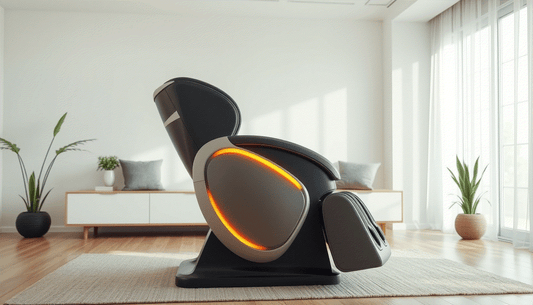
An S-track follows the natural curve of the spine, providing dependable coverage from the neck through the lower back. It is a refined choice for users primarily seeking back and shoulder massage in a more compact chair profile. An SL-track extends farther, continuing beneath the lower back toward the glutes and upper hamstrings. For many people, that additional coverage is valuable because tension often collects around the hips and pelvic area rather than the lumbar region alone.
Longer is not automatically better for every body or every room. A well-engineered S-track chair may be ideal for someone who wants excellent upper- and mid-back performance without the footprint of a larger model. But for a buyer whose discomfort is associated with prolonged sitting, an SL-track can create a more complete session by treating the lower body areas that support the back.
Look for a precise body scan
Advanced body scanning maps shoulder height and body contours before the program begins, then positions rollers accordingly. This is especially important in a multi-user household. A fixed roller path may feel excellent for one person and misaligned for another, while a responsive scan makes each session more tailored.
Manual roller adjustment is equally valuable. The ability to shift the roller position up or down by small increments gives you control when a particular area between the shoulder blades or around the lumbar muscles needs attention.
Intensity Matters More Than Maximum Force
Deep tissue performance is often a priority for shoppers who describe their back as tight, knotted, or fatigued. Yet the most forceful chair is not necessarily the best massage chair for back pain. Effective daily use depends on control.
Look for separate settings for roller width, speed, intensity, airbag pressure, and massage technique. Adjustable intensity lets a household accommodate different preferences without compromising the chair's capability. A gentler rolling program may suit daily decompression, while a firmer kneading or focused point massage can be reserved for areas that feel especially tight.
4D and 5D AI massage systems add another level of refinement. These designs can vary roller speed, depth, rhythm, and pressure to create a more lifelike massage pattern. High-end systems may adapt the session based on body data or perceived muscle condition. The benefit is not novelty. It is a less mechanical experience that can feel more nuanced across sensitive and dense muscle groups.
For those who have not used a powerful chair before, start conservatively. Choose a shorter program, low-to-medium intensity, and a broad technique such as kneading or rolling. Increase depth gradually over several sessions. Discomfort, numbness, bruising, or pain that worsens after use is a sign to stop and seek guidance from a qualified healthcare professional.
Zero Gravity Changes How the Back Feels
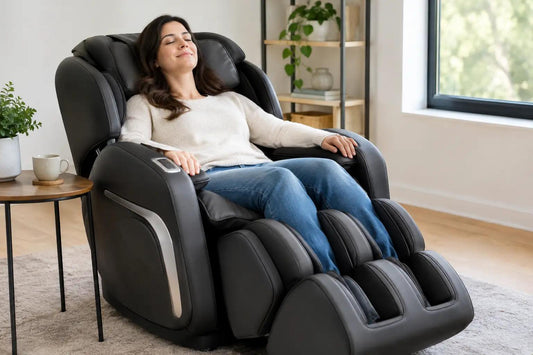
Zero gravity positioning elevates the legs and reclines the body to distribute weight more evenly. In practical terms, it can reduce the compressed, upright feeling many people carry after sitting or standing for hours. It also allows the rollers to maintain more consistent contact with the back.
This feature is particularly compelling for an evening recovery routine. With the body reclined and supported, a lumbar-focused program can feel deeper without requiring maximum roller pressure. Heated lumbar therapy can add another layer of comfort, helping stiff muscles feel more receptive to a slower massage session.
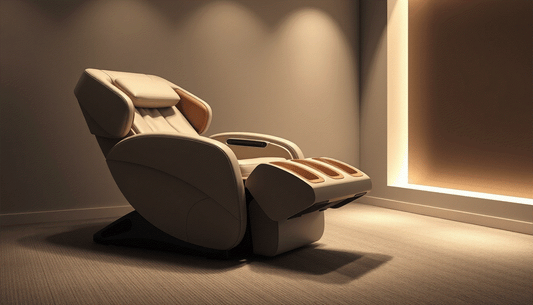
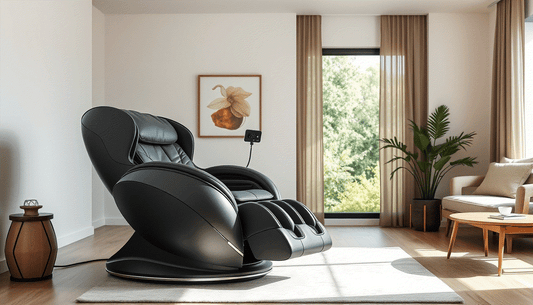
Do not judge zero gravity only by its label. Consider the chair's full recline geometry, footrest extension, wall-clearance design, and overall fit. An executive-grade chair may offer a more enveloping position and broader adjustability, but it also requires thoughtful placement. Measure the available room before purchasing, including the space needed behind and in front of the chair when fully reclined.
Features That Add Real Value
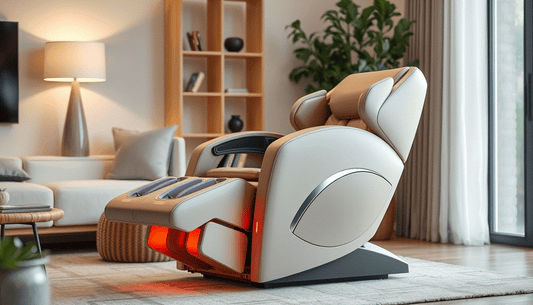
Some features support back-focused comfort directly, while others improve how often the chair will actually be used. Heated therapy is a strong example. Gentle heat through the lumbar area can complement roller massage, especially when your back feels stiff rather than simply fatigued.
Stretch programs are another worthwhile consideration. These typically use airbags to stabilize parts of the body while the chair reclines or the rollers travel along the back. The sensation should be gradual and controlled. People with limited mobility, recent injuries, osteoporosis, spinal conditions, or implanted medical devices should consult their clinician before using stretch-focused programs.
Foot and calf massage may seem secondary to a back-pain purchase, but it can make a chair substantially more useful. Standing all day can leave the lower body tense, and a complete recovery session often feels more satisfying when it addresses the calves and feet alongside the back. For desk-based users, hip, glute, and leg airbags can also help offset the static sensation of prolonged sitting.
Convenience features deserve attention at the premium level. A responsive touchscreen remote, saved user profiles, automatic programs, and easy entry controls remove friction from daily use. A chair that requires a lengthy setup every time is less likely to become part of a consistent wellness routine.
Match the Chair to Your Primary Need
The best choice depends on when and how you expect to use it. If your main concern is neck and upper-back tension after computer work, prioritize shoulder detection, precise roller positioning, and adjustable neck intensity. If lower-back fatigue and hip tightness are more familiar, an SL-track, zero gravity position, lumbar heat, and glute coverage may offer greater value.
Athletic users may favor deeper massage capability, calf recovery, and stretch programs. Buyers furnishing an upscale home office may place greater weight on a compact footprint, quiet operation, refined upholstery, and a polished exterior. For a shared family room or commercial relaxation setting, durable construction, a broad adjustment range, and simple controls become more important.
Made in Japan massage chairs are often sought for their engineering discipline, sophisticated body scanning, and precise massage mechanics. At the ultra-premium end, features such as flex-frame construction and AI-driven programs can offer a more responsive, personalized experience. These benefits carry a higher investment, so it is sensible to focus on the features you will use most rather than pursuing every available specification.
Build a Better Recovery Habit
A massage chair works best as part of a practical routine. A 15- to 20-minute session after work can be more useful than an occasional marathon session at maximum intensity. Pair the chair with brief walking breaks, ergonomic adjustments at your desk, adequate hydration, and movement that is appropriate for your condition.
If back pain follows an accident, wakes you at night, causes weakness or tingling, travels down the leg, or changes bowel or bladder function, seek medical care promptly rather than relying on massage. Those signs call for professional evaluation.
For everyday tightness and muscular fatigue, the right chair can become one of the most dependable places in the home: a quiet, precisely engineered reset between the demands of the day and the rest you want from the evening.
Tags:
Previous
Cyber Relax AI Masterclass: Ankle to Wrist Massage Guide
Next
Cyber Relax AI: Master Massage Modalities Ankle to Wrist