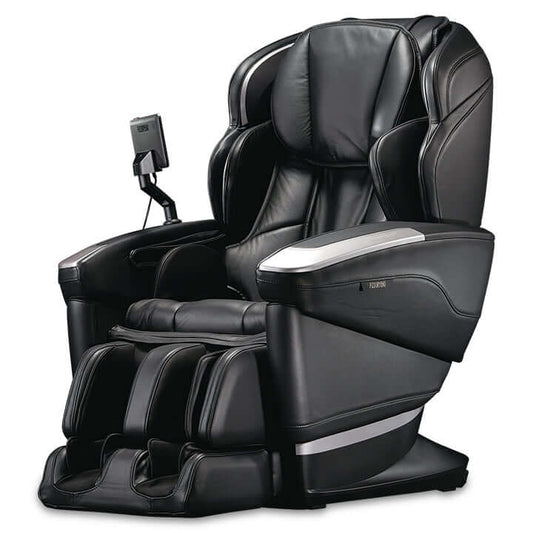
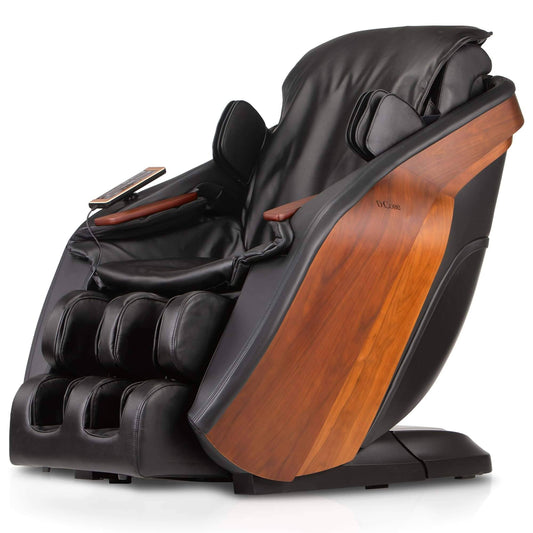
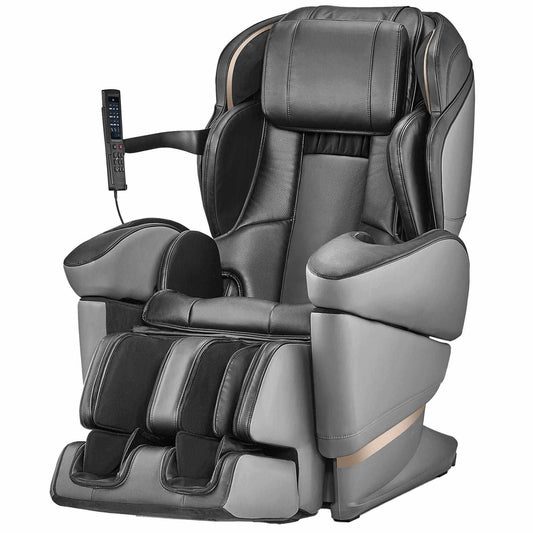

Massage Chair for Arthritis Guide for Better Comfort
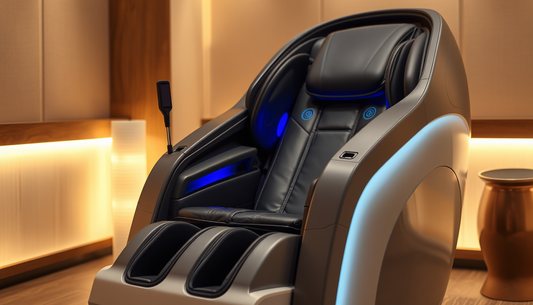
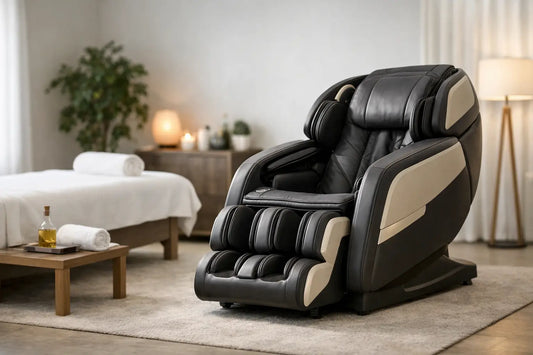
Arthritis discomfort can make the end of a workday feel disproportionately demanding. The right massage chair may help ease the muscle guarding, stiffness, and fatigue that often build around sensitive joints, but it should not feel like an aggressive treatment session. This massage chair for arthritis guide focuses on the features that make at-home massage more comfortable, adjustable, and practical for long-term use.
A premium chair is not a replacement for medical care, physical therapy, medication, or an arthritis management plan. Its role is more refined: creating a convenient setting for gentle relaxation, circulation-focused comfort, and relief of the surrounding soft-tissue tension that can make everyday movement feel harder.
Massage Chair for Arthritis Guide: Start With Comfort
Arthritis is not one uniform experience. Osteoarthritis, inflammatory arthritis, prior joint injuries, and chronic stiffness can affect different areas and respond differently from one day to the next. A chair that feels restorative after gardening may feel too forceful during a flare.
That is why adjustability matters more than a single headline feature. Look for a chair that lets you reduce roller intensity, select partial-body programs, control airbag pressure, and turn heat on or off independently. These controls make it easier to build a session around how you feel that day instead of forcing your body into a fixed routine.
For many buyers, the best first session is short and gentle. Ten to fifteen minutes at low intensity can reveal far more than a 30-minute deep-tissue program. Pay attention to how your body responds later that day and the following morning. If you feel looser and more comfortable, you can gradually refine settings. If a program increases pain, bruising, swelling, numbness, or lingering soreness, stop using that setting and speak with your clinician.
Focus on muscles around the joint
Massage rollers are designed to work primarily across the back and surrounding muscles, not to manipulate arthritic joints. This distinction is useful. When knees, hips, hands, or shoulders are sore, nearby muscles often tighten protectively. Gentle compression, reclining support, and a calming back massage may help you unwind without directly loading the painful area.
Airbag massage can be especially valuable when it is adjustable. Mild compression around the calves, feet, arms, or shoulders may feel soothing for some users, while stronger pressure can be uncomfortable for others. Choose a chair that allows fine control rather than one that delivers a single, fixed-pressure experience.
Features That Matter Most
Luxury massage chairs often include an extensive feature list. For arthritis-conscious buyers, a handful of technologies tend to have the greatest day-to-day value.
Zero gravity and easy reclining
Zero gravity positioning elevates the legs and reclines the body to distribute weight more evenly. For people who notice lower-back fatigue, hip discomfort, or leg heaviness, this supported position can reduce the sense of compression that comes with sitting upright. It also allows the rollers to maintain more consistent contact along the back.
The trade-off is entry and exit. A deeply reclined chair can be difficult to leave if you have limited knee, hip, or hand strength. Prioritize models with a simple remote, a responsive return-to-upright function, and a seat height that feels manageable. If possible, measure the clearance around the chair and consider how you will approach it with a cane, walker, or support person if needed.
Heat with independent controls
Gentle warmth can be deeply comforting for stiffness and muscle tension. Heated back pads, lumbar heat, and calf or foot warmth can make a low-intensity session feel more restorative without increasing roller pressure.
Heat is not always appropriate, however. If a joint is visibly swollen, hot, acutely inflamed, or recently injured, added heat may not be the right choice. The ability to use massage without heat, or heat without a vigorous massage program, is a meaningful advantage. People with reduced sensation, circulation concerns, neuropathy, or diabetes should ask a healthcare professional about heated features before using them.
Adjustable roller technology
An SL-track chair extends massage coverage from the neck and shoulders through the lower back and toward the glutes. This can be useful when back, hip, and postural tension contribute to discomfort. A longer track is not automatically better if you prefer a lighter touch, but it gives the chair more coverage options.
Advanced 4D and 5D AI systems add variation in roller speed, depth, rhythm, and body detection. In a well-engineered chair, that can create a more natural massage with less need to endure a uniformly intense program. The key is not simply buying the most advanced mechanism. It is choosing a system with precise intensity adjustment, body scanning, and manual controls that let you keep the massage within your comfort range.
Foot and calf massage that can be moderated
Foot rollers and calf airbags can be appealing for tired legs, but they deserve careful testing for anyone with foot, ankle, knee, or circulation concerns. Strong rollers may feel excellent to one user and intolerable to another. Seek adjustable speed, pressure, and roller settings, plus the option to skip lower-body massage entirely.
Open-toe footwells and extendable ottomans can also improve fit. If the chair forces the knees into an awkward bend or the feet into a cramped position, it will not become more comfortable with time.
Fit Is a Wellness Feature, Not a Detail
A massage chair should accommodate your body before it impresses you with its program count. Seat width, shoulder position, leg extension, and ottoman length influence whether a chair feels supportive or restrictive. This is particularly relevant for arthritis in the hips, knees, shoulders, and hands.
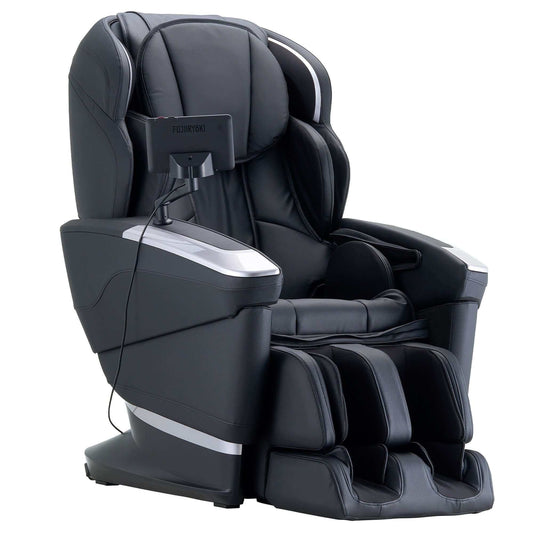
Consider how much assistance your hands need to use the controls. A large touchscreen remote may be easy to read, while tactile buttons can be preferable for users with finger stiffness or reduced grip. Voice control can be convenient, but it should complement straightforward manual controls rather than replace them.
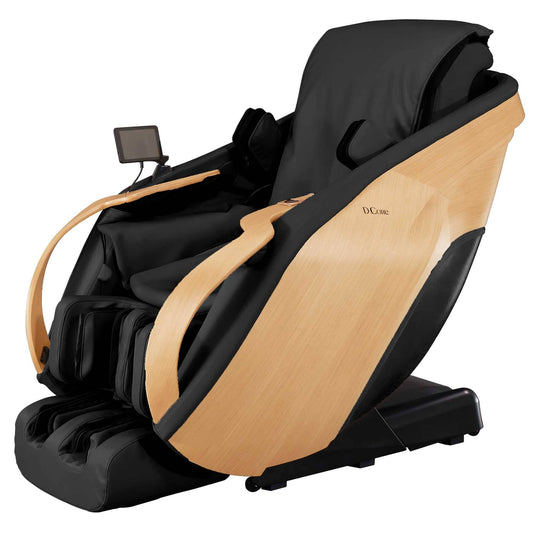
Also consider the chair's physical footprint. Wall-hugging designs need less rear clearance when reclining, making them a more practical choice for a bedroom, executive office, or carefully planned living area. A chair that fits elegantly into the room is more likely to become part of a consistent wellness routine.
When Deep Tissue Is Not the Right Choice
Premium chairs are often marketed around deep-tissue performance, and that capability can be valuable for chronic muscular tightness. Yet arthritis comfort is frequently about restraint. An ultra-premium chair should give you access to powerful massage when you want it, while also offering quiet, low-intensity programs for recovery days.
Avoid assuming that more pressure means better results. During a flare, after an injection or procedure, with active swelling, or when pain is unexplained, forceful rollers and compression may be counterproductive. Those with osteoporosis, blood clotting concerns, implanted medical devices, recent surgery, severe spinal conditions, or circulation disorders should get individualized guidance from a physician before using a massage chair.
A useful approach is to save two or three favorites: a gentle heated recline, a light full-back massage, and a moderate recovery program for days when your muscles feel tight rather than inflamed. This is where advanced memory settings earn their place. They remove the need to rebuild your preferred experience each time you sit down.
Choosing the Right Premium Chair
The best massage chair for arthritis is rarely defined by one feature or price point. It is defined by how well the chair supports your mobility, sensitivity, body size, and preferred recovery routine. A Made in Japan model may appeal to buyers seeking meticulous engineering and refined roller control. A feature-rich 4D or 5D AI chair may suit someone who wants detailed customization and automatic body scanning. A premium refurbished option can be a sensible route for buyers who want elevated performance at a more accessible investment.
Before purchasing, think beyond the massage itself. Who will use the chair most often? Can they get in and out comfortably? Do they need light touch, targeted shoulder work, lumbar warmth, or adjustable calf compression? Is quiet operation important for evening use? These practical answers narrow the field more effectively than comparing specifications in isolation.
Fujiiryoki USA curates advanced massage chairs across luxury, zero gravity, SL-track, 4D, and 5D categories, making it easier to compare chairs by the experience they deliver rather than by a generic feature checklist.
The most rewarding chair is the one you can use comfortably on ordinary days, not just the one with the strongest program. Choose thoughtful adjustability, supportive positioning, and a level of massage that leaves you feeling cared for enough to move into the rest of your evening with greater ease.
Tags:
Previous
Fujiiryoki Cyber Relax AI: A Presentation-Style Masterclass on Full-Body Massage Techniques (Swedish, Deep Tissue, Trigger Point, Acupressure, Shiatsu, Reflexology, and Kneading) for Enhanced Blood Flow, Fatigue Relief, and Mobility.
Next
Fujiiryoki Cyber Relax AI: A Presentation-Style Ankle-to-Wrist Full-Body Massage Techniques Tour for Circulation, Fatigue Relief, and Mobility (Swedish, Deep Tissue, Trigger Point, Acupressure, Shiatsu, Reflexology, Kneading)