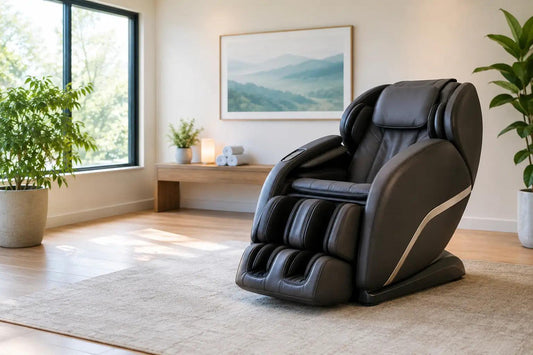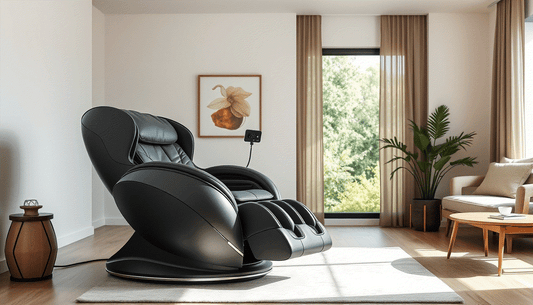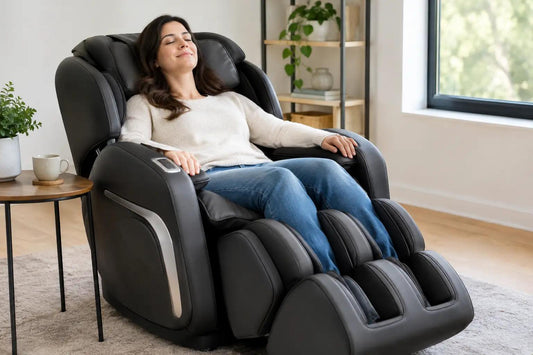
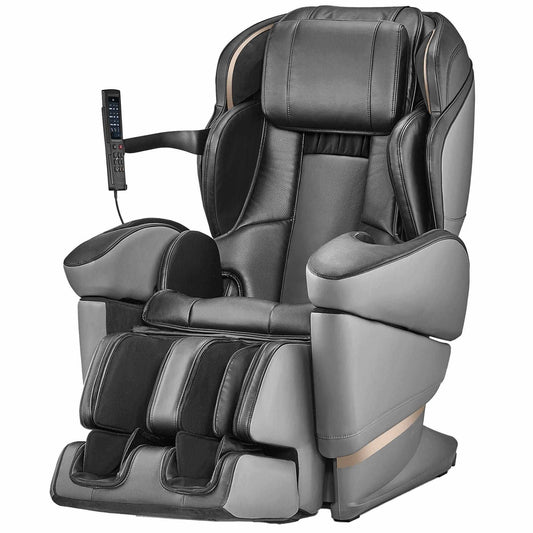
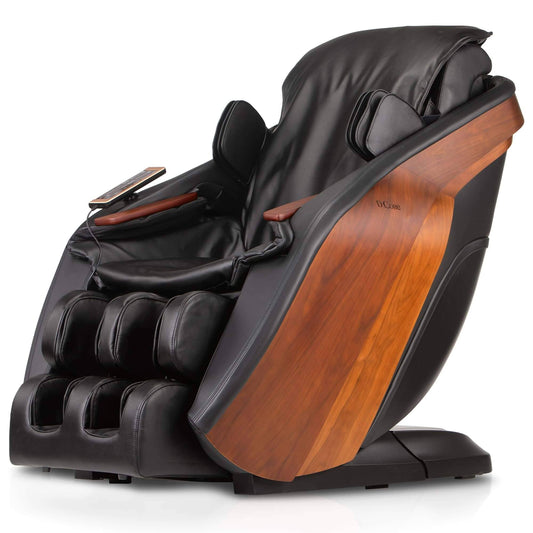

Massage Chair Comparison: Choose the Right System
A premium massage chair is not simply a comfortable seat with moving rollers. It is a personal recovery system, and the differences between models directly affect how well it serves your body, routine, and home. This massage chair comparison focuses on the details that separate a pleasant occasional massage from a tailored, high-performance wellness experience.
A chair with impressive specifications may still be the wrong choice if its shoulder width, massage intensity, or footprint does not suit the person using it most. Start with performance, then confirm fit, design, and long-term value.
Massage Chair Comparison: Start With the Massage System
The roller system is the core of every massage chair. Entry-level 2D systems travel up and down the back while moving side to side. They can provide a relaxing kneading or tapping session, particularly for light daily stress, but their depth is fixed. For buyers who want focused work through the shoulders, mid-back, and lumbar area, fixed-depth rollers can feel limited.
3D massage adds adjustable roller projection. The rollers extend farther away from the track, allowing the chair to apply more pressure where tension tends to collect. This is a meaningful upgrade for users who prefer a more substantial massage but still want control over intensity.
A 4D system adds variation in roller speed and rhythm as well as depth. Instead of moving with a uniform, mechanical cadence, the chair can slow down, press, release, and vary its technique more like experienced hands. It is an excellent category for professionals, active households, and anyone who wants deep tissue performance without a one-note massage.
Advanced 5D AI massage systems take personalization further. These chairs may use body scanning, pressure sensing, and adaptive programming to adjust the massage to the user’s body shape and condition. The value is not a larger number on a feature list. It is the ability to create a more responsive session when different users have different needs, or when your shoulders feel tight one day and your lower back needs attention the next.
Track Design Determines Coverage
Track length is often confused with massage quality, but it answers a different question: where can the rollers reach? An S-track follows the natural curve of the spine and is well suited to users who primarily want neck-to-lumbar massage. It remains a refined choice in many premium chairs because proper spinal contour matters.
An L-track extends from the upper back through the lower back and beneath the seat, typically reaching the glutes and upper hamstrings. This design is ideal for people who sit for long periods, drive frequently, train regularly, or carry tension through the hips.
SL-track chairs combine the spinal contour of an S-track with the extended lower-body coverage of an L-track. For many households, this is the most versatile configuration. It supports a complete back-to-glute massage without forcing buyers to choose between ergonomic contouring and broader coverage.
Do not choose a longer track automatically. A user with a shorter frame should verify that the shoulder detection range and roller path align comfortably. Precision matters more than maximum travel.
Zero Gravity Is More Than a Recline Feature
Zero gravity positioning raises the legs and reclines the body to distribute weight more evenly. In this position, the chair can reduce pressure through the spine while helping the rollers maintain consistent contact across the back. It also creates a more enveloping, weightless feel during an extended session.
Premium models may offer multiple zero gravity positions, letting users choose between a moderate recline for a quick reset and a deeper recline for an immersive recovery session. If space is limited, look at wall-hugging or space-saving recline engineering. These chairs move forward as they recline, preserving valuable clearance behind the chair.
The trade-off is practical: a fully featured zero gravity chair is usually larger and heavier than a compact model. Measure the intended room, doorway width, hallways, and the chair’s reclined footprint before ordering. A luxury chair should feel integrated into the room, not squeezed into it.
Compare Air Massage, Heat, and Stretching With Purpose
Rollers handle much of the back massage, while airbags serve the arms, calves, feet, shoulders, hips, and sometimes the hands. More airbags do not always mean better performance. Their placement, inflation control, and sequencing determine whether compression feels precise or merely intense.
For users with tired legs, calf compression and foot massage deserve close attention. Some chairs use reflexology-inspired foot rollers, while others emphasize air compression, heat, or a combination of techniques. Strong foot rollers can be exceptionally satisfying after long days on your feet, though sensitive users should confirm that intensity adjustment is available.
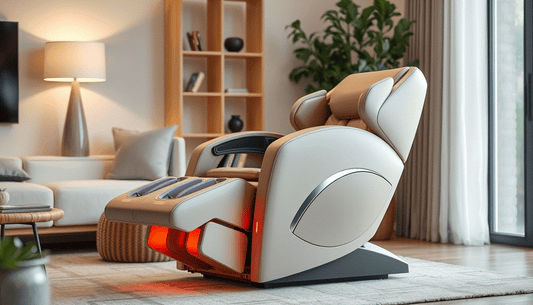
Heat is another feature that benefits from closer comparison. Basic heat may warm a single lumbar zone. Deluxe systems can add broader back warmth, heated calves, heated footwells, or warming elements designed to complement deeper roller work. Heat does not replace massage technique, but it can make a program feel more restorative and help muscles settle into the session.
Stretch programs use airbags and recline movement to gently stabilize and lengthen areas such as the shoulders, hips, spine, and legs. They are especially worthwhile for users who spend hours at a desk. Anyone with an injury, recent surgery, circulation concerns, or a health condition should consult a qualified medical professional before using strong massage or stretching functions.
Fit and Daily Use Matter as Much as Specifications
Body scanning helps a chair identify shoulder position and adjust the massage path, but every chair also has a practical user-height and weight range. Review it carefully, especially in a shared household. Taller users should check neck and shoulder coverage as well as calf extension. Shorter users should make sure the rollers do not sit too high and that the feet rest naturally in the ottoman.
Controls change the ownership experience. A touchscreen remote can make it easier to select targeted programs and fine-tune roller position, air intensity, speed, and heat. Shortcut controls on the armrest are useful when you want a quick program without navigating menus. Voice control can be convenient, but it should be treated as an enhancement rather than a substitute for clear physical controls.
Also consider noise, upholstery, and visual presence. A premium chair should be quiet enough for a bedroom, executive office, or media room. High-quality upholstery and a carefully finished shell contribute to the chair’s longevity and appearance, while a refined silhouette helps it belong in an upscale interior.
Choose by Investment Level, Not Just Price
An accessible chair can be the right choice for a buyer seeking light relaxation, basic zero gravity, and occasional use. Mid-range chairs often introduce longer tracks, stronger roller systems, improved body scanning, and more complete air massage. This is where many buyers find the best balance of advanced technology and value.
Ultra-premium and Made in Japan models are designed for buyers who prioritize massage realism, engineering refinement, exceptional materials, and long-term daily use. Features such as precision 4D or 5D AI systems, flex-frame construction, sophisticated stretch programs, and elevated finishing justify the investment when performance is the priority.
Refurbished premium inventory can also be a compelling path. It allows value-focused buyers to access a higher class of engineering and features than their budget might otherwise permit. The key is to compare condition, included warranty coverage, delivery requirements, and the exact feature set rather than assuming every refurbished chair offers the same value.
Fujiiryoki USA organizes advanced massage chairs across luxury, zero gravity, SL-track, 4D, 5D, and commercial categories because shopping is clearer when technology is connected to the way you intend to use it. A commercial-grade chair may make sense for an executive office or shared relaxation space, while a deeply personalized home chair is usually the better investment for one or two daily users.
Before making a final selection, picture a typical week rather than an idealized one. Will the chair be used for a 15-minute reset between meetings, post-workout leg recovery, nightly back relief, or a full family wellness ritual? The right chair is the one whose engineering, fit, and comfort invite you to use it often enough to make that investment feel genuinely personal.
Tags:
Previous
Fujiiryoki Calm Plus: Alleviate Back Pain While Revitalizing Ankle-to-Knee Circulation with Targeted Kneading, Shiatsu, and Reflexology
Next
Fujiiryoki Calm Plus: Neck, Back & Posture Relief with Deep Tissue, Shiatsu, and Reflexology to Boost Blood Flow and Flexibility