
Japanese Chair Brands Worth Knowing for Wellness
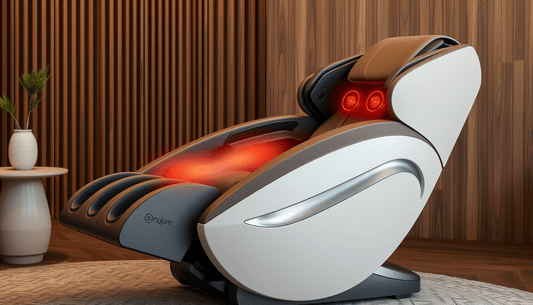
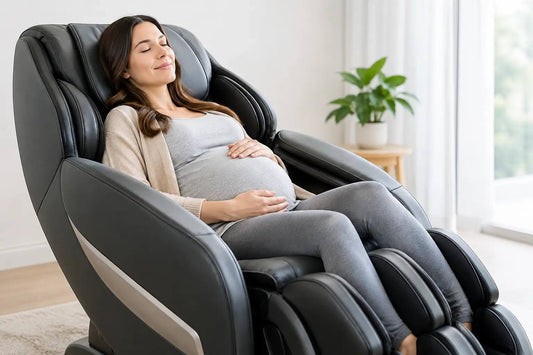
Japanese chair brands occupy a distinctive position in premium wellness. Rather than treating a massage chair as oversized living-room furniture, leading Japanese manufacturers approach it as a precision recovery system: a carefully engineered combination of body scanning, mechanical massage, recline geometry, heat, and refined ergonomics. For buyers building a more intentional home wellness routine, that distinction can be felt long after the first session.
Why Japanese Chair Brands Command Attention
Japan has a long-standing reputation for exacting manufacturing, compact mechanical design, and thoughtful attention to the user experience. In massage seating, these values translate into chairs designed to make sophisticated technology feel controlled rather than complicated. The objective is not simply more features. It is a massage experience that responds intelligently to different body types, areas of tension, and preferred intensity levels.
A premium Japanese massage chair often begins with body scanning. Sensors assess shoulder placement, spinal contours, and user proportions so the rollers can work in a more accurate range. This matters because a roller mechanism positioned too high, too low, or too broadly can turn an otherwise powerful chair into an imprecise experience.
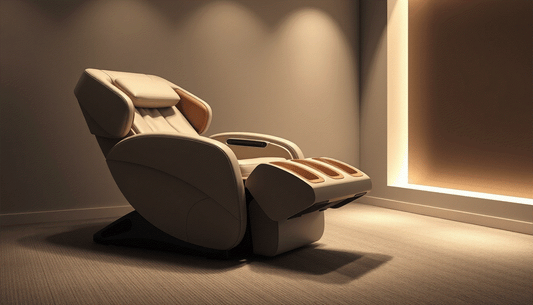
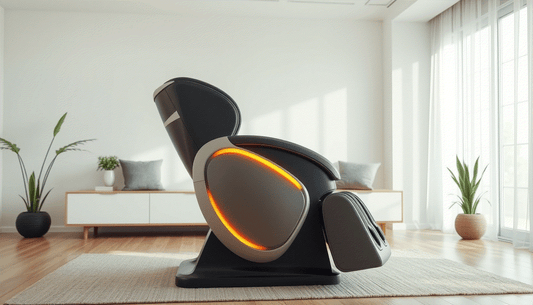
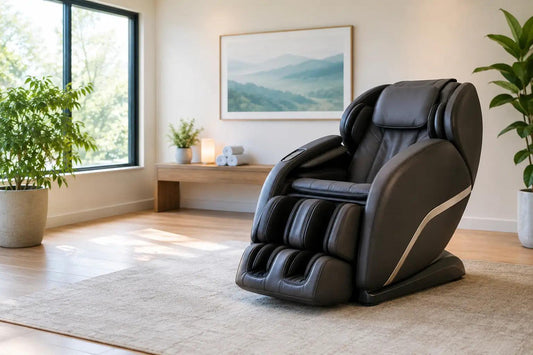
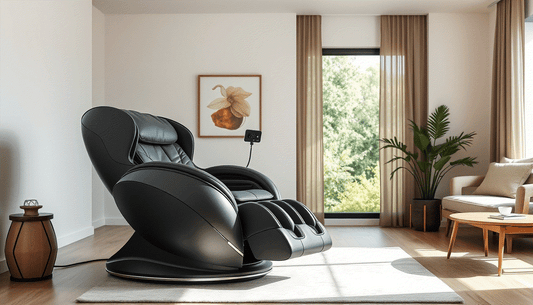
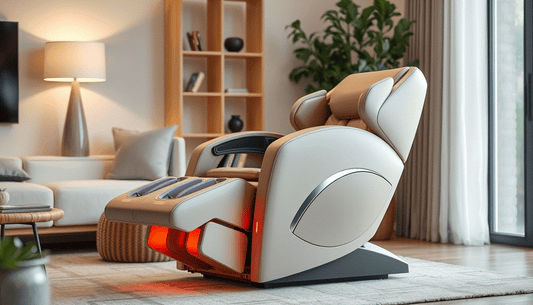
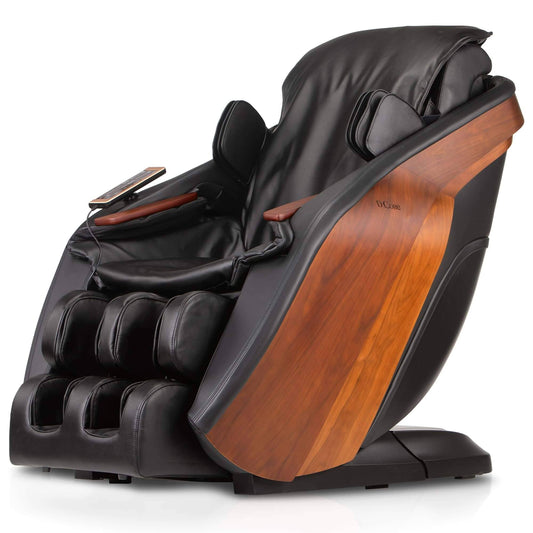
The best models also pair mechanical performance with a composed visual presence. Their forms are substantial, but they are engineered for a home, executive office, or dedicated recovery space rather than a clinical setting. Upholstery, controls, stitching, lighting, and the movement of the chair all contribute to the sense that you are investing in a durable wellness appliance, not a novelty purchase.
What Defines a Premium Japanese Massage Chair?
Made in Japan carries real weight for shoppers who prioritize craftsmanship, but country of origin should be considered alongside the chair's actual engineering, specifications, and support. Some brands manufacture in Japan, while others apply Japanese design principles and massage technology across international product lines. The right choice depends on whether your priority is provenance, feature depth, budget, or a specific massage style.
Advanced Roller Systems
The roller mechanism is the core of the experience. A 2D system moves along the back and adjusts in width, while a 3D system adds forward projection to reach deeper into tight muscles. Advanced 4D chairs build on that movement with changes in speed and rhythm, creating a more nuanced sequence that can feel less mechanical during kneading, tapping, and deep-tissue work.
For buyers who prefer a strong massage, roller depth and adjustability deserve more attention than the number of automatic programs. A chair with excellent depth control can serve both a firm recovery session after training and a gentler evening routine. The trade-off is simple: powerful rollers may be too intense for a highly sensitive user unless the chair offers reliable intensity settings and body-part adjustments.
Track Length and Whole-Body Coverage
An SL track extends from the upper back through the lower back and into the glutes, following the natural curve of the spine. It is a defining feature in many luxury massage chairs because tension does not stop at the lumbar region. Long workdays, travel, and exercise often leave the hips and gluteal muscles just as tight as the shoulders.
A longer track is not automatically better for every household. Buyers focused primarily on neck, shoulder, and mid-back relief may place greater value on roller precision, stretching programs, and a comfortable upright position. Those seeking more complete posterior-chain coverage will generally benefit from an SL track and dedicated glute massage functions.
Zero Gravity and Stretching Programs
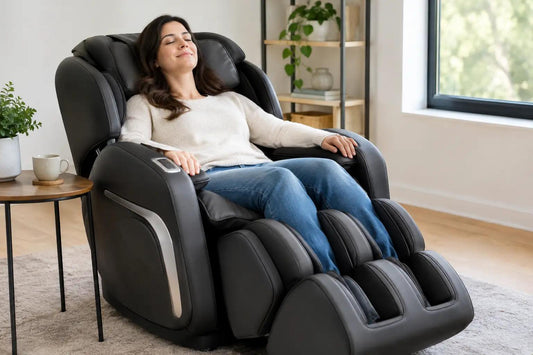
Zero gravity positioning elevates the legs and reclines the torso to distribute body weight more evenly. In practical terms, it can reduce pressure through the back and help the user settle into a more relaxed position while the chair works. It also supports a more immersive session, particularly when paired with calf massage, foot rollers, air compression, and heat.
Stretch programs use airbags and controlled recline to gently mobilize the body. They are particularly appealing to professionals who spend long periods seated, although people with injuries, recent surgery, or medical concerns should speak with a qualified clinician before using forceful stretch modes. Premium equipment should support wellness routines, not replace appropriate medical care.
Japanese Chair Brands and the Value of Specialization
The strongest Japanese chair brands tend to specialize. They do not try to be all things to all furniture shoppers. Their expertise is concentrated in massage mechanics, ergonomics, and automated wellness programs, which is why their flagship chairs can offer details such as intelligent body detection, calf-and-foot systems, heated elements, voice control, touchscreen remotes, and saved user preferences.
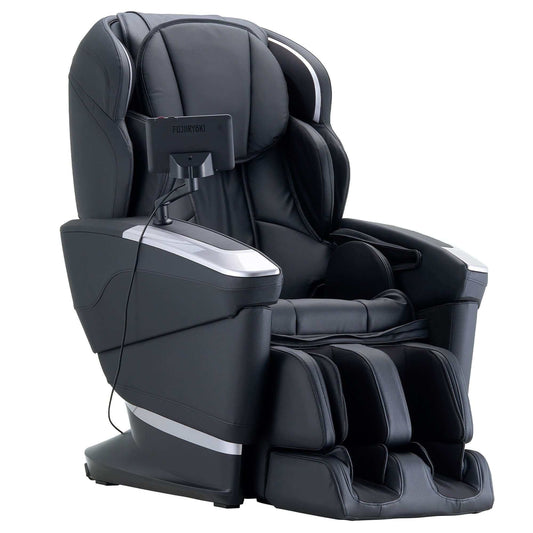
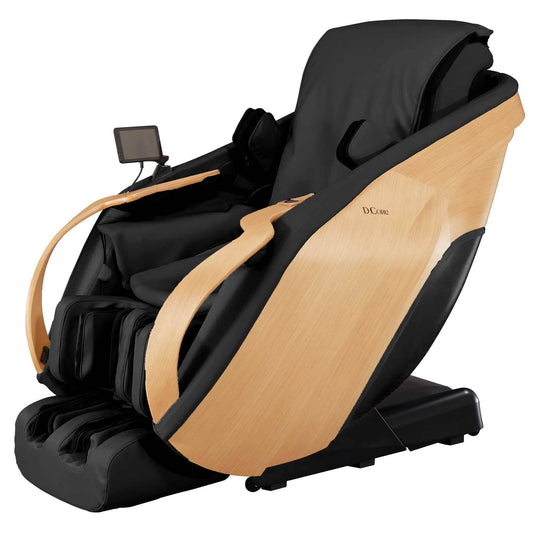
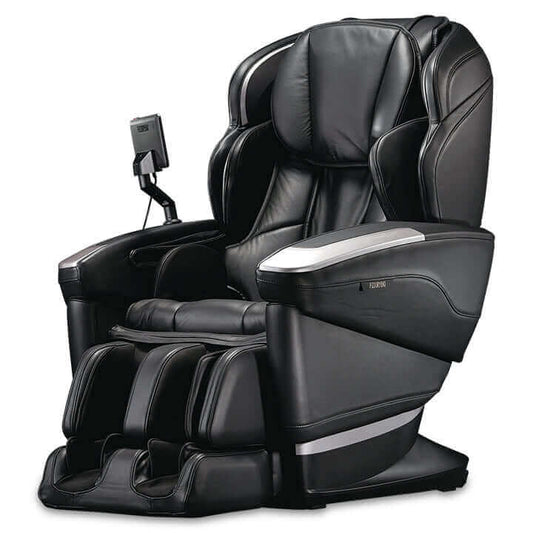
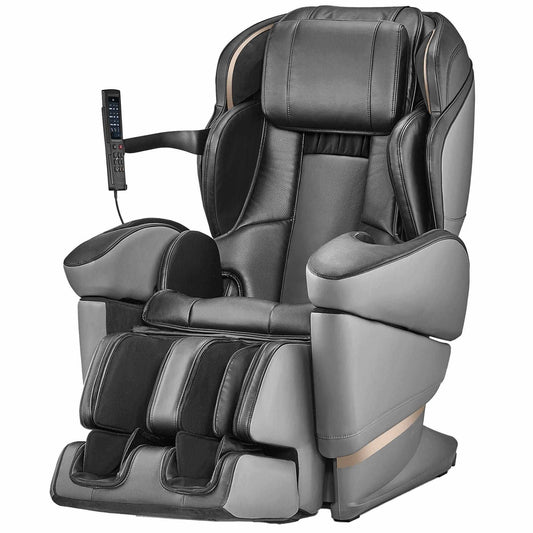
Fujiiryoki is one of the names closely associated with Japanese massage chair innovation, with a heritage centered on sophisticated therapeutic-style seating. The broader premium market also includes brands and collections that interpret Japanese engineering through different priorities: deep-tissue intensity, flexible frame construction, contemporary design, compact footprints, or high-level AI-driven customization.
That specialization is valuable when comparing an ultra-premium massage chair with a low-cost, feature-heavy alternative. A budget model may advertise heat, zero gravity, and multiple programs, yet still fall short in roller accuracy, material quality, motor refinement, or long-term comfort. Specifications matter, but how the parts work together matters more.
How to Compare Japanese Massage Chairs Before You Buy
A smart comparison starts with your daily needs, not a list of headline features. Consider where tension appears most often, who will use the chair, how much room is available, and what type of massage you find restorative. A chair designed for forceful deep-tissue work may not be the best shared household chair if one user wants a gentler, quiet session before bed.
First, evaluate massage performance. Look at roller technology, the length and design of the track, shoulder adjustment, manual controls, and the ability to focus on a targeted area. If your priority is lower-body recovery, assess the calf, ankle, and foot components with equal care. Enclosed calf systems can feel more immersive, while open designs may accommodate a wider range of heights more easily.
Next, consider the physical installation. Measure the chair in its fully reclined position, not only when upright. Wall-hugging designs can be an advantage in a den or bedroom because they need less clearance behind the chair, but front clearance still matters. Weight, doorway dimensions, floor protection, and access to a properly located power outlet should be planned before delivery day.
Then consider how you want to interact with the chair. An executive-level model may provide an extensive menu of automatic programs, but a clear remote and a few well-calibrated favorites can be more useful than a crowded interface. The ideal chair should make an exceptional session easy to start when you are tired, not require a tutorial every time you sit down.
Finally, judge the purchase as a long-term wellness investment. Premium massage chairs cost more because they integrate complex moving systems, electronics, upholstery, and ergonomic structures. Refurbished inventory can offer a more attainable path into luxury performance, provided the condition, coverage, and included features align with your expectations. For some buyers, a refined 4D chair with the essentials is more satisfying than a flagship model whose additional functions will rarely be used.
Matching the Chair to Your Lifestyle
For the executive or remote professional, shoulder, neck, lumbar, and compression programs may be central. A chair with body scanning, zero gravity, heat, and quiet operation can turn the transition from work to personal time into a deliberate recovery ritual.
For active households, look for strong roller depth, an SL track, lower-body massage, and stretch capability. These features can support post-workout relaxation and everyday muscle comfort, particularly when several adults will use the chair at different intensities.
For a luxury media room or dedicated wellness suite, design and immersion may carry more weight. An ultra-premium model with polished controls, refined upholstery, deep recline, and advanced automated programs can become a defining part of the space. In a commercial relaxation environment, durability, intuitive operation, and user versatility deserve priority over highly personalized settings.
A premium chair should feel like an invitation to use it consistently. Choose the Japanese engineering, massage depth, size, and finish that fit your life, and the chair can become one of the most practical luxuries in your home.
Tags:
Previous
Fujiiryoki Calm Plus Massage Chair: Targeted Deep Tissue, Shiatsu, and Reflexology for Back Pain Relief and Posture Alignment
Next
Fujiiryoki Calm Plus Neck & Shoulder Tension Relief: Deep Tissue, Shiatsu & Reflexology for Head-to-Shoulder Comfort