
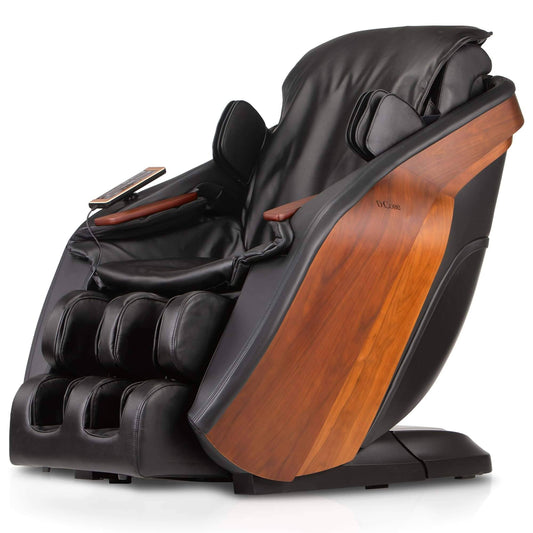

How a Home Gym Massage Chair Supports Recovery
A hard training session does not end when the last weight is racked. Tight hips, fatigued calves, and a stiff upper back can shape how well you move tomorrow. A home gym massage chair gives recovery a permanent place beside strength training, cardio, mobility work, and stretching - without adding another appointment to an already full schedule.
For homeowners building a serious training environment, the right chair is not an afterthought or a decorative recliner. It is advanced wellness equipment designed to support relaxation, circulation, and muscle recovery in the same space where performance is built.
Why a Home Gym Massage Chair Belongs in a Training Space
Home gyms are becoming more complete. Adjustable dumbbells, racks, treadmills, and functional trainers address the work. A premium massage chair addresses what comes after: the transition from exertion to recovery.
That matters for people who train consistently, spend long hours at a desk, or balance workouts with demanding travel and family schedules. A session in a massage chair can create a more intentional cooldown ritual, helping the body shift out of a high-effort state. It is especially appealing when a gym sits near a home office, media room, or primary bedroom, where tension tends to follow people after the workout ends.
The convenience is part of the value. Rather than hoping to schedule bodywork after a difficult week, you can sit down for a focused program after lifting, before bed, or between meetings. For many owners, that accessibility is what turns recovery from a good intention into a dependable habit.
A massage chair does not replace medical care, physical therapy, or qualified coaching. Persistent pain, numbness, acute injuries, and unexplained symptoms deserve professional guidance. But for everyday muscular fatigue and the desire for deeper relaxation, it can be an exceptional addition to an elevated home wellness setup.
The Features That Matter Most After Training
Not every massage chair delivers the same experience. In a home gym, feature selection should reflect the type of training you do, the people using the chair, and the level of recovery performance you expect.
SL Track Coverage for Back and Glute Support
An SL track follows the natural contour of the spine and continues beneath the seat toward the glutes and upper hamstrings. This extended coverage is a meaningful advantage for lifters, runners, cyclists, and anyone who feels lower-body tightness after training.
A shorter track can still provide a satisfying upper-back massage, but it may not reach the areas that work hardest during squats, deadlifts, lunges, or long runs. If your home gym centers on lower-body strength or endurance training, an SL track is often worth prioritizing.
4D and 5D Massage for More Control
Premium 4D massage systems add adjustable speed, rhythm, and depth to the roller movement. The result is a more nuanced session than a fixed, repetitive roller pattern. You can choose a gentler program for daily decompression or increase intensity when your traps, lumbar area, or glutes need more substantial attention.
5D AI massage technology takes personalization further by responding to body position and, in some models, user feedback or body scanning. This is a strong fit for households where more than one person will use the chair. An executive who prefers a refined, calming massage and an athlete seeking deeper tissue engagement may both find settings that suit them.
More technology is not automatically better for every buyer. A high-performance 4D chair may offer all the precision needed, while an advanced 5D AI model can be the right investment for buyers who want the highest level of automated personalization.
Zero Gravity Positioning for Post-Workout Relief
Zero gravity positioning reclines the body with the legs elevated, helping distribute weight more evenly across the chair. It can make a massage feel less compressed through the lower back and more restorative after standing, lifting, or running.
For many users, this position is the defining experience of owning a premium chair. The combination of recline, body-cradling support, and targeted massage creates a clear separation between workout mode and recovery mode. If floor space allows, look for a zero gravity model with a space-saving wall-hugging design, which can deliver deep recline without requiring excessive clearance behind the chair.
Heat, Air Compression, and Foot Massage
Heated massage functions add comfort around commonly tight areas, particularly the lumbar region and calves. Air compression can provide a gentler, enveloping sensation around the shoulders, arms, hips, calves, and feet. Foot rollers can be particularly valuable after long walks, runs, court sports, or sessions spent on your feet.
These features should be viewed as part of the overall program, not as a substitute for quality rollers and track design. A chair with excellent core massage engineering and well-integrated heat will usually feel more satisfying over time than a chair loaded with secondary features but limited in its fundamental performance.
Match the Chair to Your Training Style
A bodybuilder or strength-focused athlete may prioritize deep tissue rollers, calf compression, glute coverage, and adjustable intensity. The ability to save a preferred program is useful when recovery needs are consistent after heavy sessions.
Runners, cyclists, and recreational athletes may place greater value on leg and foot massage, stretching programs, and a smooth recline. Those features can make a chair feel like a true post-training destination rather than occasional seating.
For an executive home gym, the decision may be as much about daily stress management as athletic recovery. A Made in Japan massage chair with refined roller movement, sophisticated upholstery, and a quiet operating profile can complement an office-gym environment beautifully. It provides a place to reset after video calls, travel, or a short lunchtime workout.
If the chair will serve an entire household, consider adjustability before maximum intensity. Body scanning, varied automatic programs, shoulder-width settings, and intuitive controls help ensure the chair feels tailored for different heights and preferences.
Plan the Room Before You Choose a Chair
A premium massage chair deserves the same planning as a treadmill or power rack. Measure the intended location, including doorways, hallways, turns, and elevator access if applicable. Verify both the chair's upright footprint and its fully reclined dimensions, along with the clearance required for the footrest.
Position matters. Placing the chair just outside the immediate lifting zone helps protect it from dropped equipment, chalk dust, and traffic around benches or racks. A nearby outlet is essential, but avoid running cords across the floor where people train. Good lighting and a small surface for water, a towel, or a remote can make the area feel deliberately designed.
Material choice deserves attention, too. In a gym environment, durable upholstery that is easy to wipe down is practical. In a luxury wellness room, color, silhouette, and stitching can be equally important. The best installations feel integrated with the architecture rather than crowded into unused space.
What to Expect From a Premium Investment
A massage chair is a durable wellness purchase, and price reflects far more than appearance. Advanced rollers, body scanning, premium motors, engineered frames, sophisticated programming, and long-term reliability all contribute to the ownership experience.
Entry-level chairs can offer welcome relaxation, but buyers seeking serious post-workout performance should evaluate the core mechanics closely. Look at track length, roller technology, intensity control, recline design, leg extension, and warranty support before focusing on novelty functions. The chair you use three or four times a week should feel excellent in month twelve, not merely impressive on its first day.
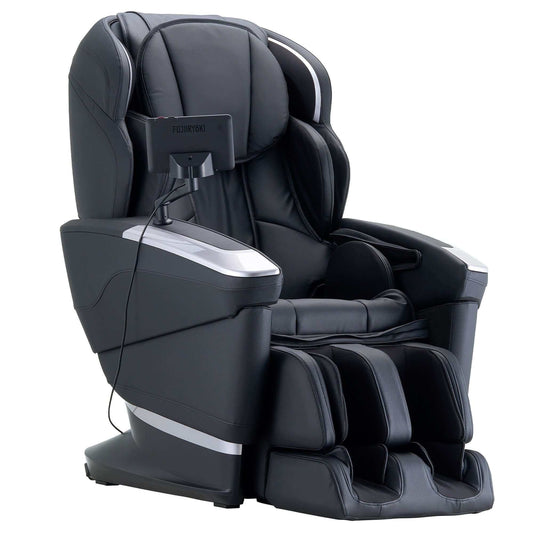
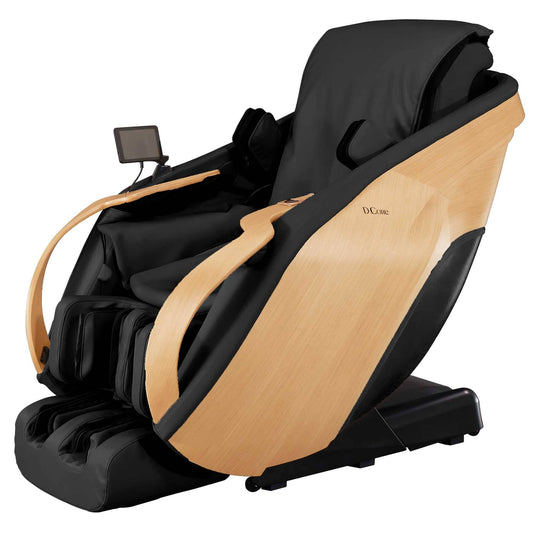
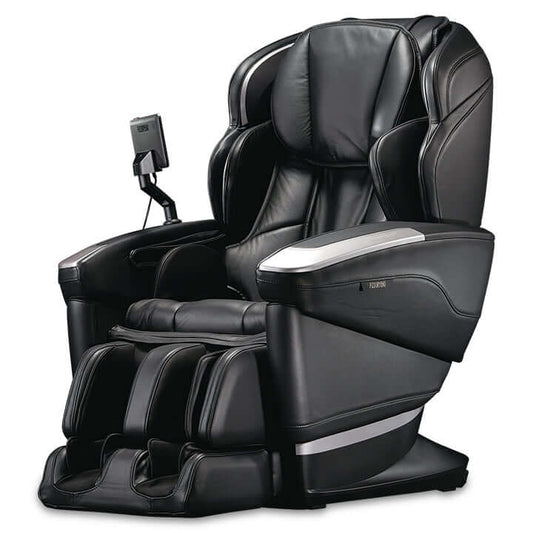
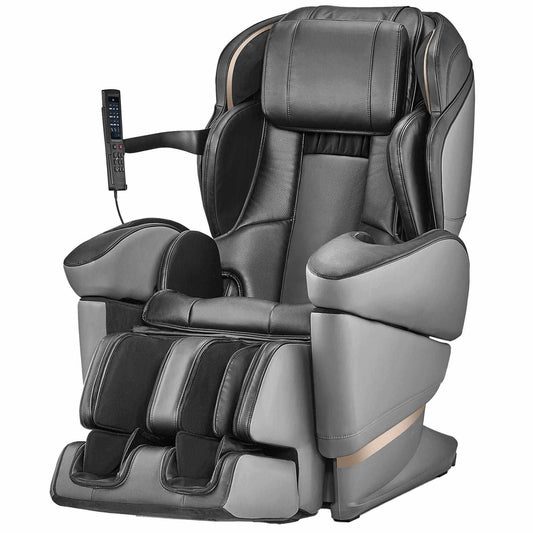
Fujiiryoki USA curates models across luxury, 4D, 5D AI, zero gravity, and Made in Japan categories, making it easier to compare chairs by the recovery experience they are built to provide. For value-focused premium buyers, refurbished options can also be a thoughtful route into higher-tier engineering.
Build a Recovery Ritual You Will Actually Use
The best time to use a chair depends on your routine. A shorter, moderate program after training can complement your cooldown and help you settle into the evening. A more restorative zero gravity session may be better later, when the goal is relaxation rather than preparing for the next task.
Avoid treating intensity as a contest. A deeper program can feel satisfying after a demanding session, but excessive pressure is not always the right answer. Adjust the chair to your comfort, hydrate as you normally would after exercise, and pay attention to how your body responds over several weeks.
A well-chosen chair changes the character of a home gym. It turns the room from a place built only for effort into a complete personal performance space - one that respects recovery as much as training.
Tags:
Previous
Cyber Relax AI: Whole-Body Massage for Better Blood Flow and Mobility
Next
Cyber Relax AI: Full-Body Massage from Ankle to Wrist