
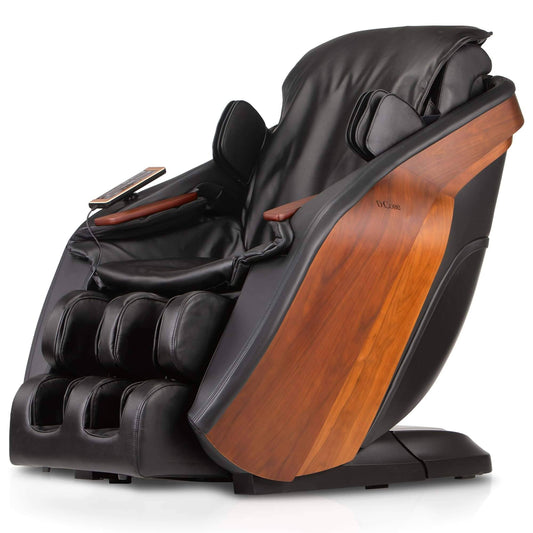

Full Body Massage Chair Guide for Premium Buyers
A full body massage chair guide should do more than list features. It should help you recognize the difference between a chair that feels pleasant for ten minutes and a high-performance wellness system you will use for years. For premium buyers, the decision comes down to body coverage, massage realism, fit, engineering quality, and whether the chair earns a permanent place in your daily routine.
A massage chair is a substantial investment in recovery, comfort, and time reclaimed. The strongest models combine precision roller systems with thoughtful ergonomics, allowing you to move from a demanding workday, a hard training session, or long hours of travel into a more restorative environment without leaving home.
Start With the Massage Experience You Want
The phrase "full body" can mean very different things from one chair to the next. Some chairs provide rollers along the back with air compression at the arms and calves. Ultra premium models coordinate back rollers, shoulder and arm airbags, hip compression, calf massage, foot rollers, heat, and reclining positions into a complete session.
Before comparing specifications, consider what you want the chair to address most often. If upper-back tightness and neck fatigue are your priorities, shoulder coverage, body scanning, and refined roller adjustment deserve attention. If you spend long days standing or exercising, calf compression, foot rollers, and a strong lower-body program may matter more. Buyers seeking a composed end-of-day ritual may place zero gravity positioning, heat, and quieter operation at the top of the list.
The best choice is rarely the model with the longest feature list. It is the chair whose capabilities align with how you actually plan to use it.
Full Body Massage Chair Guide to Track Systems
The track is the pathway that guides the massage rollers along your body. It is one of the clearest indicators of how much of your back and lower body a chair can reach.
S-Track: Contoured Back Coverage
An S-track follows the natural curve of the spine, supporting focused work from the neck through the lower back. It is a proven design for users who want a close, contoured massage along the back. An S-track can be an excellent fit in a more compact chair, particularly when lower-body roller coverage is not your primary requirement.
SL-Track: Extended Coverage Through the Glutes
An SL-track combines spinal contouring with an extended path beneath the lower back and into the gluteal area. This design is especially appealing for people who carry tension around the hips after prolonged sitting, driving, or training. It also creates a more comprehensive sensation when paired with air compression around the hips and thighs.
Track length alone does not determine quality. Roller mechanism, body scanning accuracy, and program design all affect the final result. Still, an SL-track is often the right starting point for buyers who want broad, full-body coverage rather than a back-only massage experience.
Understand 3D, 4D, and 5D Massage Technology
Roller technology describes how a chair moves and controls its massage heads. The terminology can sound technical, but the practical question is simple: how precisely can the chair adapt its massage to your body and preferences?
A 3D system adds depth adjustment, allowing rollers to move outward for a more pronounced massage or retract for a gentler session. This is valuable for households where one person prefers deep tissue intensity while another needs a lighter touch.
A 4D massage chair builds on that movement by varying speed, rhythm, and pacing. The effect can feel less mechanical because kneading, tapping, and rolling patterns change throughout the program. Premium 4D systems are particularly effective when you want detailed control over intensity without losing a natural massage cadence.
5D AI massage systems take personalization further. These advanced chairs can use body detection, posture analysis, and intelligent program adjustments to tailor a session more closely to the user. The experience is not simply stronger. When executed well, it is more responsive, more targeted, and more efficient in directing attention to areas that need it most.
For a buyer who values hands-on control, a refined 4D chair may provide everything needed. For an executive-level wellness space or a household with multiple regular users, 5D AI technology can justify the investment through deeper personalization.
Zero Gravity Is More Than a Recline Feature
Zero gravity positioning elevates the legs and reclines the body to distribute weight more evenly. In this position, the chair can reduce the pressure placed on the lower back while allowing the rollers to maintain more consistent contact. Many users also find that arm, calf, and foot massage feel more immersive when the body is fully supported.
Not all zero gravity positions are identical. Some chairs offer a single recline preset, while more advanced models provide multiple stages and coordinated adjustments for the backrest, seat, and leg ottoman. Look for a position that feels stable rather than overly reclined, especially if you expect to use the chair for reading, listening, or winding down before sleep.
Space-saving design matters here. A wall-hugging or forward-sliding chair can recline deeply while requiring less clearance behind it. Measure your room carefully, including the space needed in front of the chair when the footrest extends.
Evaluate Heat, Air Compression, and Foot Massage as a System
Heat is often treated as a bonus feature, but its placement and intensity make a meaningful difference. Gentle lumbar heat can complement a back massage. More advanced chairs may extend warmth into the calves, feet, or seat to create a more enveloping experience. If heat is a priority, seek adjustable settings rather than a simple on-off function.
Air compression helps complete the full-body effect. Strategically placed airbags can gently hold, stretch, and compress the shoulders, arms, hips, calves, and feet. Too much pressure can feel restrictive, so adjustable intensity is essential. In an executive-grade chair, compression should feel coordinated with the roller program rather than operating as an unrelated feature.
Foot massage deserves close attention for anyone who walks, stands, or trains regularly. Look beyond whether a chair includes foot rollers. Consider calf coverage, sole roller design, adjustable ottoman length, and whether the footwell accommodates your shoe size comfortably. A powerful foot program can be highly satisfying, but it should also offer enough adjustment for sensitive feet.
Fit, Size, and Daily Usability Matter as Much as Technology
A chair may have exceptional specifications and still be wrong for your body or room. Height range is a useful starting point, but shoulder position, leg length, and overall build affect comfort. Automatic body scanning helps the chair locate the shoulders and key massage points, while manual adjustment provides a valuable extra layer of control.
Pay attention to the chair's physical presence. Measure doorways, hallways, elevators, and the intended location before delivery. Consider the chair's upright dimensions, fully reclined footprint, and whether it will visually complement the space. Luxury massage chairs are wellness equipment, but they are also prominent pieces of furniture.
Controls influence how often you will use the chair. A touchscreen remote can make advanced programs and adjustments easy to access, while voice control or quick-start programs may be useful when you want relief without navigating menus. Noise level is another practical detail. A quieter chair is easier to enjoy in a bedroom, home office, or shared living space.
Choose a Tier That Matches Your Expectations
Entry-level and value-focused chairs can offer an enjoyable combination of recline, air compression, and basic roller massage. They make sense for occasional use, smaller rooms, or buyers entering the category for the first time.
Mid-range premium chairs typically introduce stronger body scanning, extended SL-tracks, more complete foot massage, and deeper customization. This category often delivers the best balance for a household seeking frequent, high-quality use.
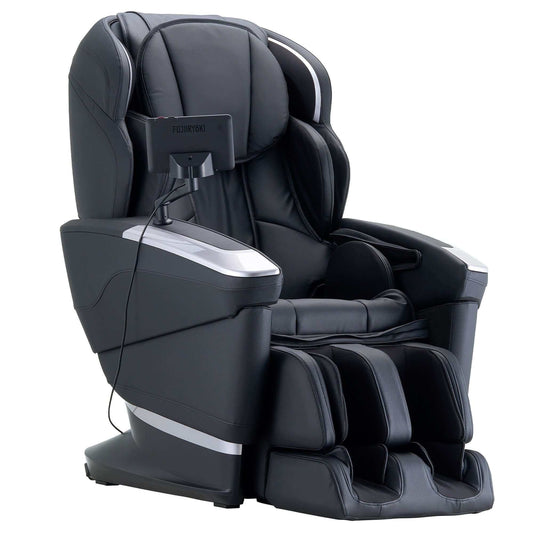
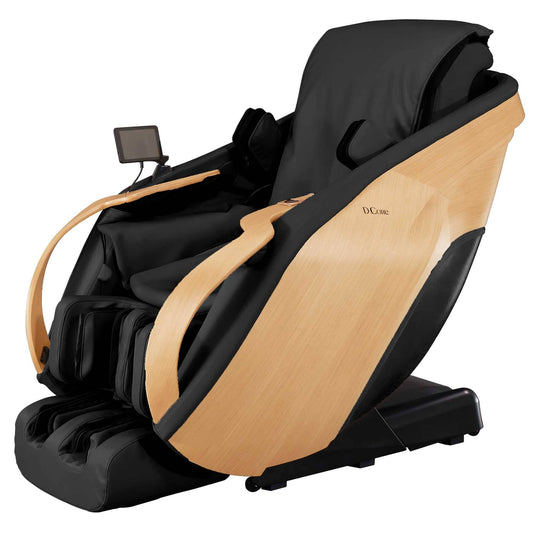
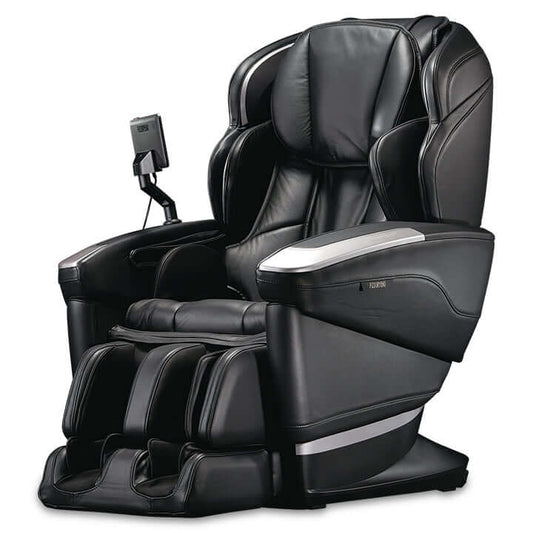
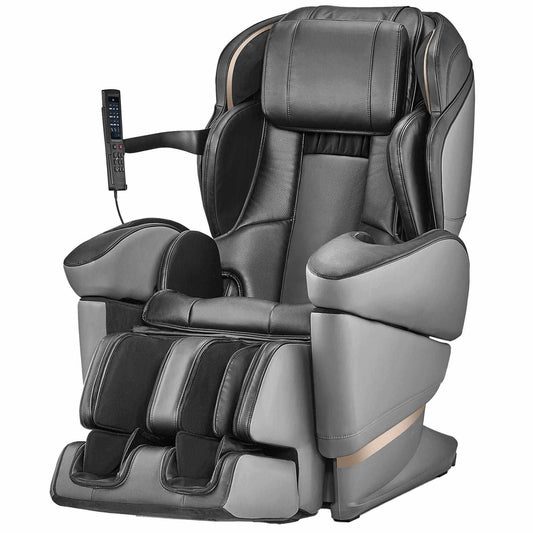
Ultra premium and Made in Japan chairs are designed for buyers who place engineering, massage nuance, materials, and long-term ownership at the center of the decision. Features such as advanced 4D or 5D AI systems, flex-frame construction, sophisticated stretch programs, and executive finishes elevate the experience beyond basic relaxation. Refurbished premium inventory can also be a thoughtful route for buyers who want elevated performance at a more accessible price point.
Fujiiryoki USA curates these categories to make comparison more focused, from refined daily-use models to flagship chairs built for a dedicated home wellness space.
Use Massage Programs Thoughtfully
Automatic programs are designed to remove guesswork, but personal adjustment remains valuable. Begin at a moderate intensity and give your body time to respond, particularly with deep tissue rollers or intensive foot massage. A shorter program after work may be more useful than an occasional marathon session.
Massage chairs are designed for comfort and relaxation, not to diagnose or treat medical conditions. If you have a health concern, recent surgery, pregnancy, implanted medical device, or persistent pain, consult a qualified healthcare professional before use.
The right chair should feel like an invitation, not an appliance you need to remember to use. Choose the model that fits your body, your room, and the way you want to finish an ordinary day. That is where premium massage technology becomes a lasting part of your home.
Tags:
Previous
Is a Refurbished Luxury Massage Chair Worth It?
Next
Fujiiryoki Cyber Relax AI: Master Massage Techniques and Full-Body Benefits