
Cyber Relax AI: Seven Techniques for Neck, Back, and Leg Relief
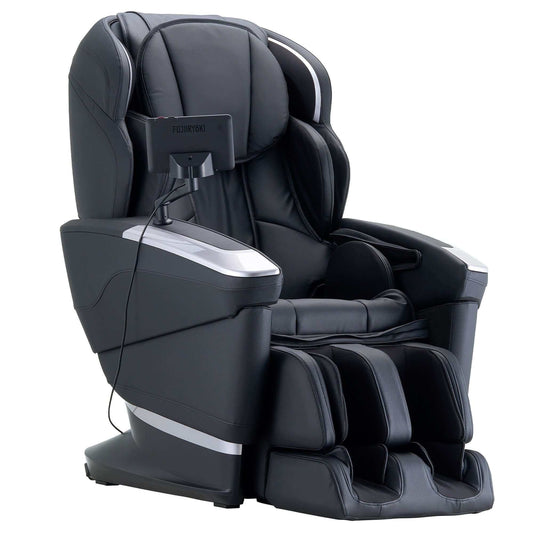
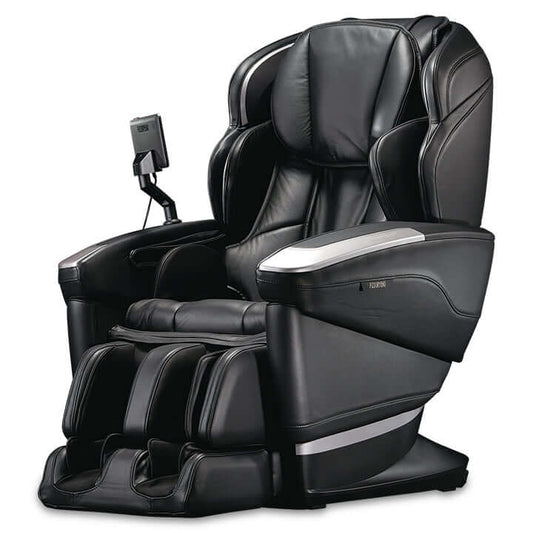
The Fujiiryoki Cyber Relax AI embodies a future-forward approach to at-home wellness, marrying advanced robotics with an evidence-based massage repertoire. Framed as a presentation-format experience, this model guides users through clearly defined stages, mirroring professional sessions while adapting in real time to feedback, biometrics, and habit patterns. The result is a scalable, education-rich therapy that can target the neck, back, and legs with precision—while promoting blood flow, fatigue relief, and long-term mobility.
Overview: What Makes Cyber Relax AI Stand Out
Cyber Relax AI is built to behave like a skilled therapist who can explain each technique as it proceeds. It emphasizes:
- Personalization: AI-adjusted pressure, speed, and technique mix based on user input and sensor data
- Zone-based therapy: Focused work on neck, thoracic spine, lower back, hips, calves, and feet
- Technique fusion: Seamless transitions between Swedish warm-up, deeper work, and release patterns
- Educational pacing: Clear, step-by-step explanations that help users understand what each move accomplishes
- Safety and comfort: Built-in safeguards and adaptive dosing to minimize risk while maximizing relief
How the Presentation Format Drives Outcomes
The presentation cadence is designed to support both familiarization and mastery. By segmenting a session into predictable phases, users learn to anticipate how each technique affects tissue, circulation, and comfort. This structure also helps with SEO-friendly content creation in professional settings, allowing clinics and retailers to describe the chair’s capabilities in a consistent, accessible way.
Therapeutic Techniques and How They Are Applied
The Cyber Relax AI provides seven core techniques. Each technique can be deployed across multiple body regions, and the chair can blend techniques within a single pass to match tissue response and fatigue patterns.
Swedish Massage
- Large, long strokes and light-to-moderate pressure to warm superficial tissues and improve overall circulation
- Ideal as an entry phase for the neck, shoulders, and upper back, reducing surface tension before deeper work
- Supports relaxation and nervous system regulation, creating a foundation for subsequent modalities
Deep Tissue Massage
- Targeted, slower strokes that reach deeper muscle layers to address chronic stiffness
- Focused on the mid-back, lumbar region, and hip extensors to unlock compensation patterns
- Best used judiciously, particularly after a warm-up phase to avoid overstimulation
Trigger Point Massage
- Direct pressure on hyperirritable points to interrupt pain cycles and restore range of motion
- Effective for neck traps, rhomboids, and calves where knots accumulate from posture or overuse
- Quick relief options paired with longer-term stretching and mobility work
Acupressure
- Meridian-focused stimulation to balance energy flow and ease muscular tension
- Can reduce stress indicators while promoting a sense of grounded calm
- Often used before deep work to invite tissue readiness and after deep work to consolidate relaxation
Shiatsu Massage
- Thumb and palm-level compression along major fascia networks to release tightness
- Beneficial for neck and shoulder stiffness, mid-back tension, and hip flexor release
- Enhances flexibility and proprioception through coordinated, directional work
Reflexology
- Distal pressure patterns focused on hands and feet to influence systemic relaxation and energy balance
- Supports leg and foot fatigue relief while promoting improved circulation and downstream tissue benefits
- Often integrated as a concluding phase to refresh limb function
Kneading
- Rhythmic kneading motion that mimics manual loosening of fascia and superficial muscle groups
- Tends to address larger muscle areas in the back, glutes, hamstrings, and calves
- Excellent for overall warmth and tissue pliability, reducing perceived stiffness
Targeted Body Parts: How the Chair Serves Each Region
The Cyber Relax AI maps a broad range of body parts to its seven-technique lexicon. The following regions are commonly prioritized to support holistic relief and functional recovery:
- Ankle
- Back
- Calf
- Feet
- Hands
- Head
- Heel
- Knee
- Legs
- Neck
- Shoulder
- Thigh
- Whole Body
- Wrist
In practice, a session can isolate the neck for postural realignment, work the upper back and trapezius for tension release, and descend to the legs to ease calf fatigue and ankle tightness. The presentation format helps users understand the link between technique, region, and recovery outcomes.
Targeted Therapy Sequencing: A Logical Pathway to Relief
Sequencing is a cornerstone of the Cyber Relax AI experience. A typical session follows a structured arc designed to optimize tissue response, circulation, and relaxation while keeping safety at the center.
- Phase 1: Preparation – Swedish strokes to warm tissues and ease nervous system activity
- Phase 2: Targeted Work – Deep Tissue and Trigger Point to address chronic zones
- Phase 3: Balanced Release – Acupressure and Shiatsu to harmonize energy and fascia
- Phase 4: Circulation and Recovery – Reflexology and Kneading to encourage return flow
Benefits in Focus: Why This Matters
- Blood Flow Control: Enhanced microcirculation supports nutrient delivery and waste removal
- Fatigue Relief: Systematic reduction of muscular tension lowers perceived fatigue
- Flexibility Improvement: Tissue pliability improves through fascia release and joint mobilization
- Injury Recovery: Gentle, progressive loading supports healing and reduces re-injury risk
- Muscle Therapy: Targeted work with gradual depth respects tissue health
- Pain Relief: Localized release often translates to broader pain reduction
- Spine Alignment: Postural-focused work can contribute to realignment cues
- Stress Relief: Mind-body integration enhances relaxation and mental clarity
- Tissue Therapy: Deep and superficial tissues benefit from a coordinated approach
Practical Use Scenarios: Real-World Routines
Below are example daily workflows that leverage the presentation format to maximize outcomes for neck, back, and leg comfort. Adaptations can be made for workdays, post-exercise recovery, and travel scenarios.
- Desk-to-Relax Routine: Swedish warm-up → Trigger Point neck work → Deep Tissue for upper back → Shiatsu shoulder release → Reflexology for feet
- Post-Workout Recovery: Light Swedish on the back and legs → Deep Tissue for tight quads and calves → Kneading to increase tissue pliability → Reflexology to promote circulation
- Morning Mobility Boost: Short Swedish session followed by gentle Acupressure to awaken energy pathways and ease stiffness
- Evening Wind-Down: Comprehensive sequence with alternating techniques to ease the spine, hips, and calves before sleep
Safety, Comfort, and Personalization Considerations
Even with a sophisticated AI, safety and comfort remain non-negotiable. Consider these guidelines when using the Cyber Relax AI model:
- Start with lighter pressure and shorter durations to gauge tissue response
- Avoid aggressive deep work on inflamed or recently injured tissue
- Use the AI’s feedback features to adjust intensity and technique mix in real time
- Pause if pain, numbness, or dizziness occurs and consult a medical professional if symptoms persist
- Regular maintenance checks of cushions and rollers help sustain consistent performance
Customization and Data-Driven Personalization
The AI engine behind Cyber Relax AI learns from session data to tailor future experiences. Personalization facets include:
- Pressure calibration based on feedback signals and user input
- Region emphasis shifts to reflect posture changes and fatigue patterns
- Technique sequencing adjustments to optimize tissue response and comfort
- Automated safety thresholds to prevent tissue overstimulation
Maintenance and Longevity: Keeping the Experience Consistent
To preserve performance and ensure consistent relief, regular maintenance is essential. Consider these practices:
- Clean surfaces and cushions with manufacturer-approved products
- Inspect moving parts and rollers for wear and promptly address issues
- Keep the user manual handy for updates on software and safety features
- Schedule periodic calibrations to maintain accurate pressure and motion profiles
Why This Model is a Valuable Addition for 2026 Wellness Routines
In a landscape crowded with massage chairs, Cyber Relax AI differentiates itself by presenting a structured, educational therapy path. The combination of AI-driven personalization, a robust七-technique repertoire, and a presentation-forward user experience makes it particularly appealing for users who value clarity, measurable relief, and control over their self-care rituals. For buyers and therapists alike, this model offers a compelling platform for consistent neck, back, and leg relief aligned with modern wellness goals in 2026.
Frequently Asked Questions (FAQ)
- Can Cyber Relax AI target specific knots or regions? Yes. The chair uses zone-based therapy to concentrate work on neck, back, hips, and legs, with user input guiding emphasis.
- Is this model suitable for beginners? Absolutely. The presentation format is designed to educate users as they progress, with adjustable intensity and clear technique explanations.
- How does AI personalization work? The system analyzes session data, user feedback, and biometric cues to tailor pressure, technique mix, and sequencing.
- What safety features are included? Safety thresholds, gradual progression, and real-time feedback loops help prevent overstimulation and discomfort.
Conclusion
Fujiiryoki Cyber Relax AI delivers a sophisticated blend of traditional massage modalities with AI-driven personalization, presented in a clear, session-like format. By harmonizing Swedish, Deep Tissue, Trigger Point, Acupressure, Shiatsu, Reflexology, and Kneading, it supports improved blood flow, reduced fatigue, and enhanced mobility across the neck, back, and legs. For anyone seeking a high-quality, anatomy-informed chair experience in 2026, Cyber Relax AI stands out as a compelling option that educates as it treats, helping users achieve lasting comfort and well-being.
Tags:
Previous
Unlock Full-Body Wellness: Master Ankle-to-Wrist Massage Techniques
Next
How to Clean a Massage Chair Without Damage