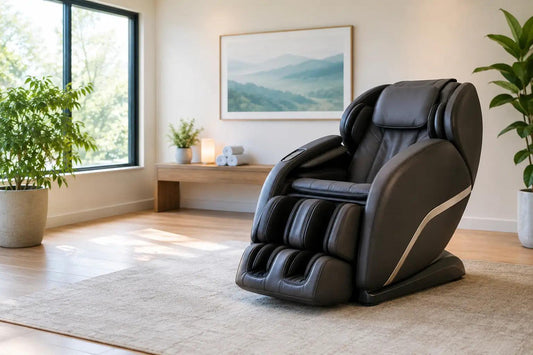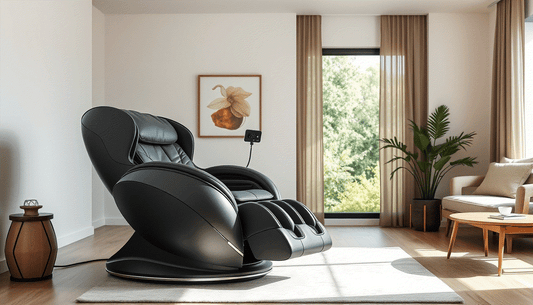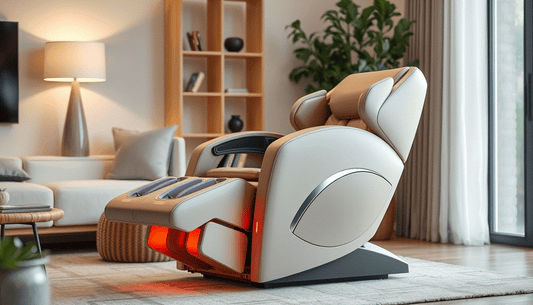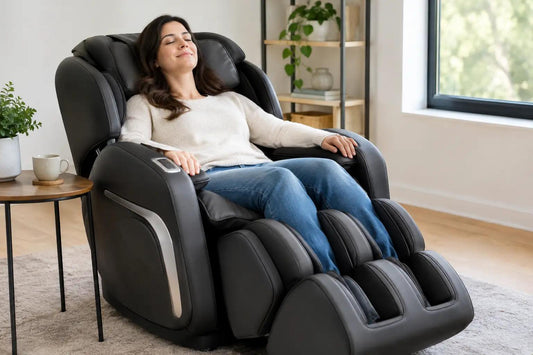
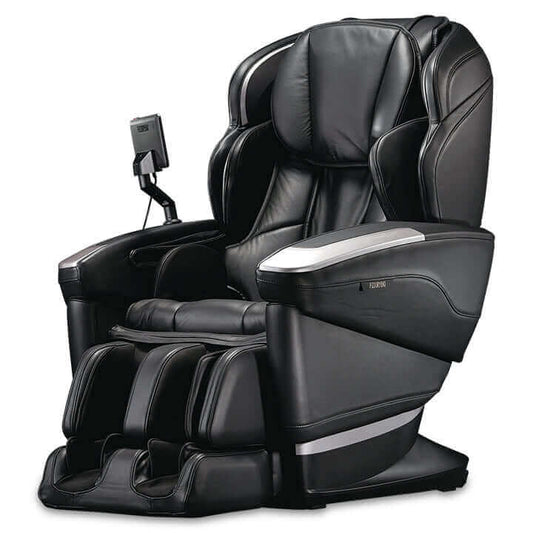
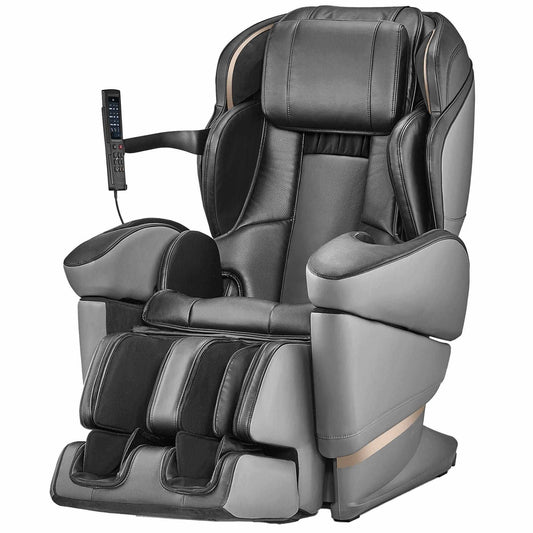
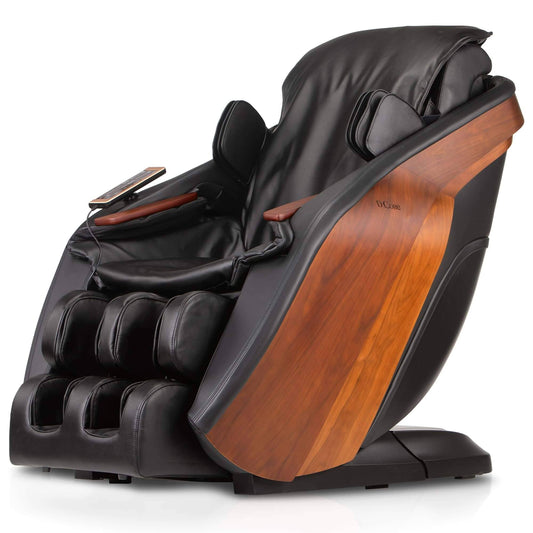

Fujiiryoki Calm Plus for Spine Alignment: Using Deep Tissue, Shiatsu, and Reflexology to Relieve Back Pain
Introduction
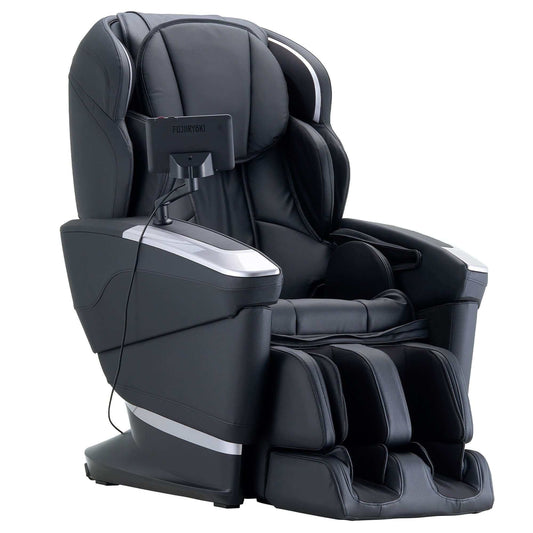
Back pain and spine misalignment are among the most common reasons people seek relief from a massage chair. The Fujiiryoki Calm Plus isn’t just another chair with massage presets; it’s a purpose-built system designed to address spine alignment at its source. By weaving together deep tissue techniques, Shiatsu-inspired kneading, and reflexology-inspired footwork, Calm Plus creates a home-based wellness routine that targets posture, muscle balance, and nervous system regulation. This comprehensive guide explores how Calm Plus can support long-term back pain relief, improved flexibility, and a more aligned spine—without leaving your living room.
Why Calm Plus is a Strong Pick for Spine Alignment
- Targeted spine mapping: The chair uses intelligent body mapping to follow your natural spinal curves, delivering a tailored massage path that aligns with your unique posture.
- Integrated deep tissue and kneading: Focused pressure on the upper, middle, and lower back helps release stubborn knots that pull the spine out of alignment.
- Shiatsu-inspired rotation and acupressure: Circular kneading and targeted pressure stimulate key back and shoulder points to rebalance muscular tension and posture.
- Reflexology-inspired footwork: Foot and ankle routines are synchronized with upper-body massage to promote overall harmony and energy flow.
- Customizable intensity and heat: Gradual heat aids muscle relaxation, enhances tissue pliability, and supports deeper relief.
- Holistic approach: Calm Plus blends multiple modalities to address both the symptoms (pain, stiffness) and the drivers (improper posture, muscle imbalances) of back pain.
Understanding the Spine: Posture, Pain, and the Body's Feedback Loop
The spine is a dynamic structure, built to absorb movement while protecting the nervous system. Poor posture, long sitting hours, repetitive tasks, and stress can create muscle imbalances around the spine, leading to compression, restricted range of motion, and dull or sharp pain. Calm Plus aims to restore balance by:
- Releasing deep adhesions and trigger points that pull the spine out of alignment.
- Rebalancing the muscles around the spine—especially the paraspinals, traps, and glutes—that support upright posture.
- Improving local and systemic circulation to accelerate tissue recovery and reduce lingering stiffness.
- Calibrating nervous system input through soothing pressure patterns that lower muscle guarding and perceived pain.
Deep Tissue, Shiatsu, and Reflexology: How Each Modulates Spine Health
Deep Tissue Massage: Targets deeper muscle layers to loosen knots and release tissue restrictions along the spine. By addressing myofascial tension in the back and hips, it helps restore a more natural spinal curve and reduces repetitive strain injuries.
Shiatsu Massage: Applies precise pressure to meridian-like pathways and muscle groups around the neck, shoulders, and mid-back. The use of kneading and rhythmic rotation supports postural balance and helps release stiff joints that contribute to spinal misalignment.
Reflexology: The feet act as a microcosm of the body. By stimulating specific reflex zones, Calm Plus encourages improved circulation, nerve signaling, and energy balance, which can influence how the brain perceives and tolerates spinal discomfort.
When combined, these modalities create a holistic approach: deep tissue unlocks the knots, Shiatsu rebalances the muscular network, and reflexology harmonizes the body's feedback loops to support better posture between sessions.
Targeted Body Parts and How Calm Plus Supports Them
- Ankle: Enhances distal circulation to support leg alignment, reducing fatigue that can translate into poorer posture at the spine.
- Back: The primary focus for spine alignment; the chair maps the spine and applies stage-appropriate pressure along the entire length.
- Calf: Releases posterior chain tightness that can pull the pelvis out of alignment and indirectly affect the spine.
- Feet: Reflexology-inspired work improves circulation and neural signaling, aiding overall posture control.
- Hands: Provides forearm and wrist relief, supporting ergonomic posture during desk work and typing tasks.
- Head: Tension-relief around the scalp and temples can reduce referred pain and headaches tied to neck stiffness.
- Heel: Supports plantar fascia health and overall gait, influencing spinal load distribution.
- Knee: Loosens surrounding muscles to better align with the hips and spine during movement.
- Legs: Whole-leg relaxation reduces compensatory patterns that stress the lumbar region.
- Neck: Targeted kneading and acupressure ease cervical tension that often radiates to the upper spine.
- Shoulder: Release of trapezius and shoulder blade tension is critical for reducing upper-back stiffness and preserving posture.
- Thigh: Reduces tension near the hip joint, supporting pelvic alignment and spinal posture.
- Whole Body: Integrated programs promote balanced muscle tone and a more stable, aligned spine across daily activities.
- Wrist: Alleviates strain from repetitive tasks, helping maintain a neutral upper body posture while working at a desk.
Massage Techniques Included in Calm Plus
The Calm Plus model integrates several proven techniques to support spine alignment and back relief:
- Deep Tissue Massage
- Shiatsu Massage
- Reflexology
- Kneading
- Acupressure
- Trigger Point Massage
Massage Benefits You’ll Experience
Using Calm Plus for spine alignment can contribute to:
- Blood Flow Control
- Fatigue Relief
- Flexibility Improvement
- Injury Recovery
- Muscle Therapy
- Pain Relief
- Spine Alignment
- Stress Relief
- Tissue Therapy
How to Use Calm Plus for Back Pain Relief: A Practical Routine
- Prepare your space: choose a quiet area, dim lighting, and a comfortable seating position for initial body mapping.
- Start with a 5–10 minute warm-up to primethe back, shoulders, and hips. Light breathing helps relax the muscles.
- Select a spine-alignment program that emphasizes the back, neck, and shoulders. If new to the chair, begin with lower intensity and gradually increase.
- Let the chair map your spine. Trust the intelligent path to apply pressure along your natural curvature, avoiding discomfort.
- Incorporate Shiatsu kneading and acupressure along the mid-back and neck, combined with reflexology footwork to complete a holistic session.
- Finalize with a gentle stretch routine and a brief cooldown to sustain mobility and reduce post-session soreness.
Real-world Scenarios: What People Report with Regular Calm Plus Use
These are typical outcomes reported by users who incorporate Calm Plus into a consistent routine for spine health:
- Better posture awareness and reduced daytime fatigue after stretches and posture checks.
- Decreased neck and upper-back stiffness for those with desk-bound workdays.
- Improved sleep quality when the body feels more relaxed and balanced in the evening.
- Reduced frequency and intensity of lower-back flare-ups due to muscular release and improved hip mobility.
- Perceived improvement in daily activities, from bending to reach to lifting light objects, thanks to greater spinal flexibility.
Safety, Precautions, and When to Seek Medical Advice
While Calm Plus is designed for home use, it’s important to consider safety and individual health conditions:
- Consult a healthcare professional if you have an acute back injury, osteoporosis, spinal stenosis, or a history of surgical procedures affecting the spine.
- Avoid high-intensity deep tissue work over inflammatory or painful areas; taper intensity to comfort levels.
- Discontinue use and seek medical advice if you experience numbness, tingling, or worsening pain after sessions.
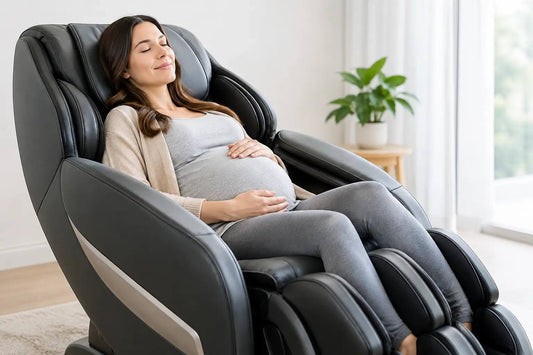
- Pregnant individuals should consult a clinician before using any massage chair with heavy abdominal or pelvic pressure patterns.
Frequently Asked Questions
- Can Calm Plus correct my posture permanently? The chair can improve posture awareness and reduce muscle imbalances, but lasting spinal realignment typically requires ongoing exercise, ergonomic adjustments, and professional guidance when needed.
- How often should I use Calm Plus? For beginners, 15–20 minutes daily in a light-to-moderate program is a good starting point. You can increase duration or intensity as comfort allows.
- Is the reflexology portion safe for everyone? Most users tolerate it well; however, those with foot injuries, neuropathy, or poor circulation should consult a clinician before use.
- Will this replace physical therapy? Calm Plus is a complementary tool. It can support a PT plan by addressing muscle tension and posture, but it should not replace professional rehabilitation when prescribed.
Maximizing Results: Daily Habits that Support Spine Alignment
- Ergonomics: Set up a workstation that promotes neutral spine alignment, with monitor height at or slightly below eye level and feet flat on the floor.
- Movement: Incorporate regular breaks to stand, walk, and stretch during long sitting periods.
- Hydration and nutrition: Maintain hydration to support tissue pliability and consider anti-inflammatory foods to reduce muscle soreness.
- Breathing: Pair sessions with paced breathing to enhance muscle relaxation and parasympathetic activation.
- Consistency: A steady schedule builds muscle memory and improves the chair’s long-term impact on posture and pain.
Conclusion
The Fujiiryoki Calm Plus is more than a luxury wellness device; it’s a targeted ally for spine alignment and back-pain relief that blends deep tissue, Shiatsu, and reflexology into a cohesive home routine. By mapping your spine, addressing both surface tension and deeper adhesions, and harmonizing peripheral reflexes, Calm Plus offers a practical pathway toward better posture, reduced pain, and enhanced daily function. For 2026 and beyond, Calm Plus remains a standout option for anyone seeking a science-backed, at-home approach to spinal health, posture improvement, and overall well-being.
Tags:
Previous
Fujiiryoki Calm Plus: Back Pain Relief and Posture Enhancement with Deep Tissue, Shiatsu, and Reflexology
Next
Fujiiryoki Cyber Relax AI: Visual Guide to Whole-Body Massage Techniques for Enhanced Blood Flow, Fatigue Relief, and Flexibility