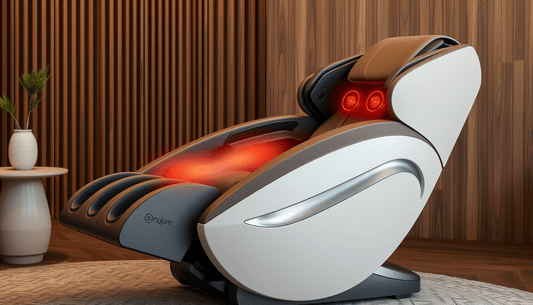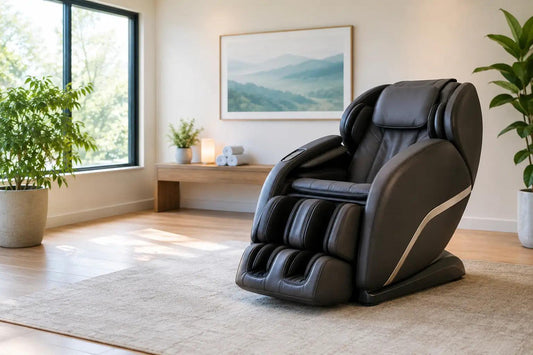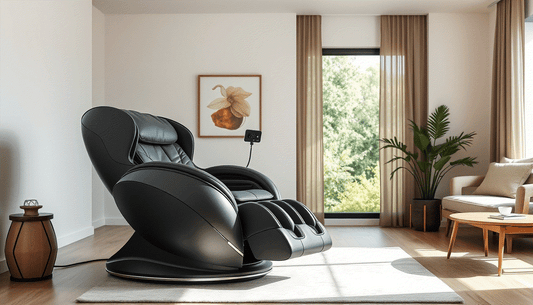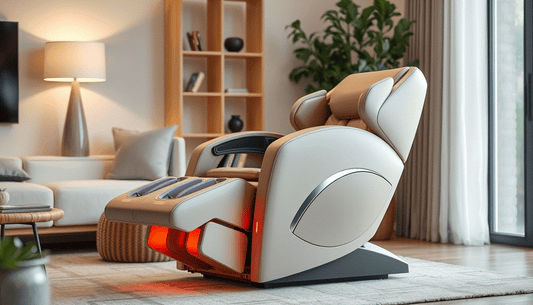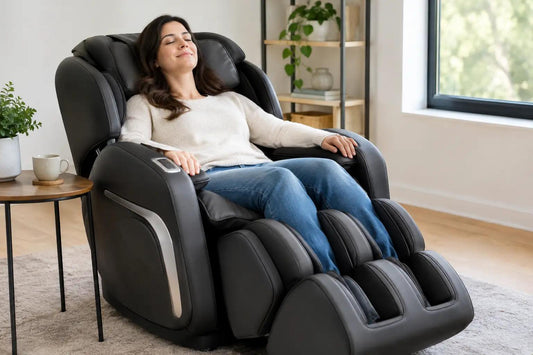
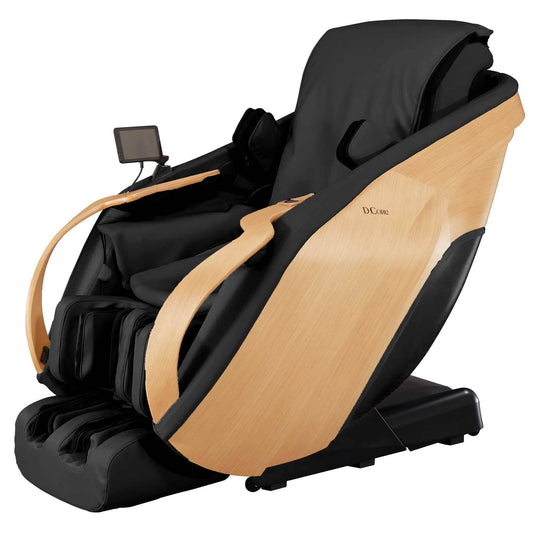
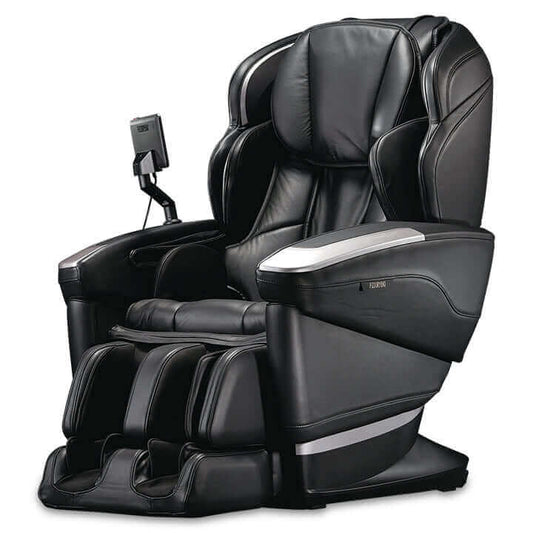
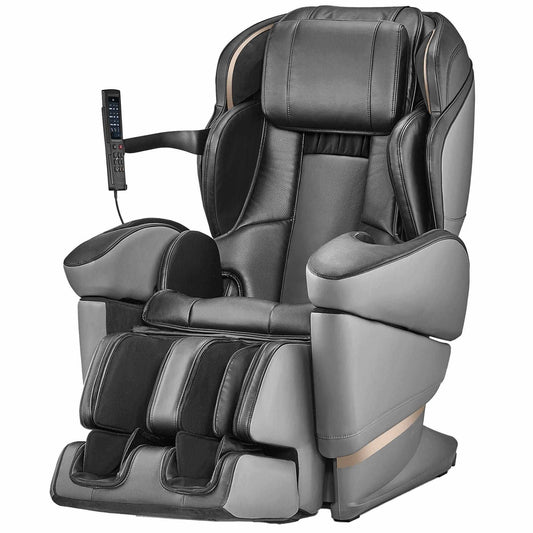
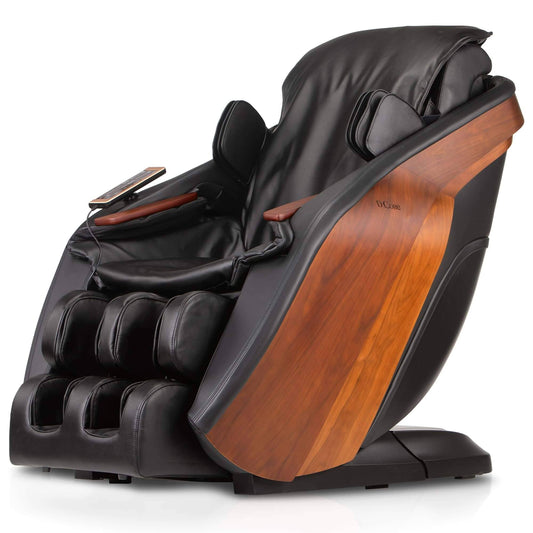

Fujiiryoki Calm Plus: Back Pain Relief and Posture Improvement with Deep Tissue, Shiatsu, and Reflexology
Overview: A Comprehensive Home Solution for Back Pain and Posture
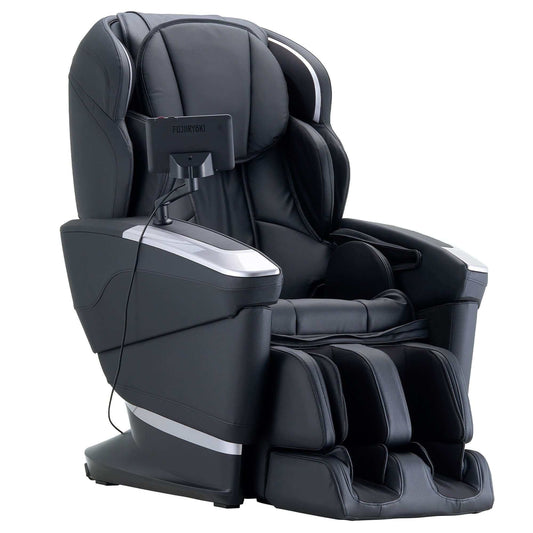
When back pain and suboptimal posture intrude on daily life, a reliable, consistent solution at home can be a game changer. The Fujiiryoki Calm Plus combines three powerful massage traditions—deep tissue work, shiatsu kneading, and reflexology-based foot therapy—into a single chair designed for long-term relief and posture improvement. This comprehensive approach targets the root causes of chronic tension: locked muscle fibers, trigger points, and imbalances that pull the spine out of alignment. For professionals who sit for hours, athletes recovering from training, and anyone seeking a more balanced and pain-free day, Calm Plus offers a practical path to ongoing comfort without frequent trips to a spa. > Note: Consistency is key. Regular sessions, combined with ergonomic habits and light movement, produce more durable improvements in posture and pain levels than sporadic use.
Deep Dive into the Core Massage Techniques
- Deep Tissue Massage: Targeting deeper muscle layers, this technique works to release adhesions (knots) and reduce chronic tension along the lumbar and thoracic spine. It improves tissue mobility, reduces stiffness after long periods of sitting, and supports longer-term pain relief when used regularly.
- Shiatsu Massage: Traditional Japanese kneading and pressure along meridian lines helps release latent trigger points and restore natural alignment. Shiatsu is particularly effective for neck and shoulder stiffness that can radiate into the upper and mid-back.
- Reflexology: Foot-focused therapy stimulates reflex zones that correspond to the spine and postural muscles. Balanced reflexology can enhance circulation, reduce systemic fatigue, and contribute to a steadier gait and standing posture.
- Kneading and Trigger-Point Alignment: The chair’s kneading patterns often include targeted trigger-point work to address specific hotspots in the upper, mid, and lower back, supporting muscle relaxation and posture recalibration.
- Acupressure Foundations: Subtle acupressure-style stimulation along key shoulder and spine zones helps reduce muscular guarding and improves perceived spinal support.
Together, these techniques form a stacked approach: deep tissue loosens the sturdier muscle bands; shiatsu rebalances groups around the spine; reflexology and acupressure support systemic relaxation and circulation that underpin posture improvements.
How Calm Plus Supports Back Pain Relief and Posture
- Spinal Alignment Facilitation: Recurrent sessions reduce muscle guarding around the spine, helping the vertebrae settle into a more natural alignment during daily activities.
- Muscle Relaxation and Increased Flexibility: Systematic kneading and pressure improve tissue elasticity, aiding freer movement and reducing stiffness after exertion.
- Enhanced Circulation and Nutrient Delivery: Improved blood flow delivers oxygen and nutrients to back muscles, accelerating recovery after strain and reducing fatigue from long workdays.
- Stress Reduction and Mental Clarity: A calmer upper body (neck, shoulders, upper back) translates into reduced sympathetic arousal, which can decrease compensatory postural habits.
Targeted Body Parts and Regions Addressed by Calm Plus
While the chair provides full-body coverage, some regions are particularly relevant for back care and posture:
- Back
- Neck
- Shoulders
- Hip and lower back regions
- Legs and calves (supporting posture and circulation)
- Feet and ankles (foundational for balance and blood flow)
- Whole body sessions for systemic relaxation
- Knee and thigh areas contributing to gait and stance
- Wrist and hands may benefit indirectly through upper-body relaxation
- Heel and broader foot structures involved in posture support
Programs, Customization, and Posture-Focused Workflows
Calm Plus offers a range of preset programs and adjustable intensities to align with posture goals. A practical workflow to optimize back relief and posture might include:
- Full-Body Relaxation: Start with a gentle, all-encompassing pass to prepare muscles for deeper work and to set a baseline for tolerance.
- Back and Shoulder Focus: Gradually increase intensity on the upper and mid-back while maintaining comfort to target stiffness without triggering soreness.
- Lower Back and Hip Release: Aimed at the pelvis and lumbar region, this helps reduce compensatory postural compensations and supports spinal alignment during daily tasks.
- Leg and Foot Session: Reflexology and kneading in the lower extremities support circulation and balance, reinforcing posture stability during standing and walking.
- Stretch-Enhancement (if available): Gentle extensions paired with massage can maintain flexibility, provided you listen to your body and avoid overstretching.
- Consistency Schedule: Regular sessions (e.g., 3–5 times per week) are more effective for durable posture improvements than sporadic use.
Practical Tips for Getting the Most from Calm Plus
- Optimize Your Environment: A quiet room, comfortable seating, and a moderate ambient temperature deepen relaxation and improve massage effectiveness.
- Hydration and Active Recovery: Hydrate before and after sessions and consider a light stroll to support circulation and metabolite clearance.
- Progressive Intensity: Start with moderate settings and gradually increase as your tolerance grows to avoid triggering soreness.
- Personalize the Fit: Use the chair’s body-mapping capabilities to adjust track length, shoulder width, seating angle, and leg support to match your back’s natural curvature.
- Listen to Your Body: If pain spikes, back off intensity and consult a clinician if necessary.
Safety, Contraindications, and Responsible Use
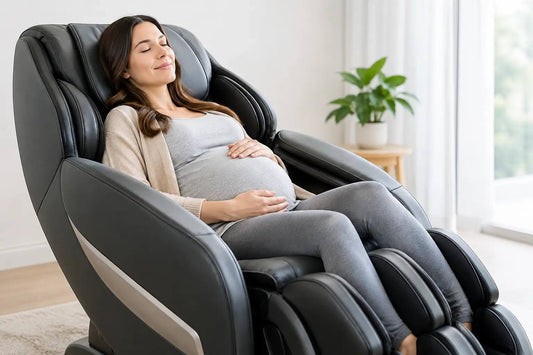
Massage chairs like Calm Plus are generally safe for most users, but certain conditions warrant caution. If you have a herniated disk, recent surgery, severe osteoporosis, or other serious spinal conditions, consult a healthcare professional before using high-intensity modes. Pregnant users should follow medical guidance regarding massage seating and avoid positions or intensities that may stress the lower back or abdominal area. If you experience numbness, tingling, or increased pain during a session, discontinue use and seek medical advice.
Ergonomics and Daily Habits to Complement Calm Plus
Posture improvement is most durable when massage sessions are paired with ergonomic practices and a movement routine:
- Desk Setup: Align monitor height with eye level, maintain a 90-degree angle at elbows, and ensure your chair supports an upright but relaxed spine.
- Micro-Breaks: Short, frequent breaks to stand, stretch, or walk help prevent stiffness buildup between sessions.
- Posture Exercises: Include scapular squeezes, thoracic spine rotations, and gentle core engagement to reinforce alignment learned during massage.
- Breathing and Relaxation: Pair sessions with diaphragmatic breathing to reduce muscular tension and improve parasympathetic activation.
Maintenance and Longevity of Your Calm Plus Experience
To keep your chair performing at its best, follow standard maintenance tips recommended by the manufacturer: wipe down surfaces with a soft, damp cloth, avoid harsh cleaners, and ensure air intake vents stay clear. Periodic checks on airbags, rollers, and moving parts help prevent wear. If you rely heavily on intense sessions, a quarterly evaluation of comfort presets can help maintain efficacy without overuse.
Case Scenarios: Who Benefits Most from Calm Plus
- Desk Professionals: Chronic upper back and shoulder stiffness from long hours at a desk can see meaningful improvements with targeted back and neck sessions.
- Active Individuals and Athletes: Post-workout relief and improved tissue mobility support recovery and flexibility gains.
- Caregivers and Homebound Individuals: Regular, accessible therapy helps manage joint stiffness and fatigue without leaving home.
- Individuals with Stress-Related Tension: Reducing sympathetic arousal through upper-back and neck relaxation can have cascading benefits for posture and daily function.
Frequently Asked Questions (SEO-Focused)
- Is Calm Plus suitable for chronic back pain? It can be part of a broader plan, especially with consistency and guidance from a clinician when necessary.
- Can it improve posture on its own? It supports posture by reducing muscle tension and promoting flexibility, but durable posture improvements typically require ergonomic changes and targeted exercises alongside massage.
- How often should I use Calm Plus? Many users find 3–5 sessions per week beneficial, with shorter daily sessions as maintenance rather than intense therapy.
- Are there risks? If you have a medical condition such as a herniated disk or recent spinal surgery, consult a clinician before using high-intensity modes.
- Can I use Calm Plus if I have metal implants or neuropathy? Check with a healthcare professional; they can advise on suitability based on your condition and the chair’s settings.
Conclusion: A Practical Pathway to Back Pain Relief and Better Posture
The Fujiiryoki Calm Plus encapsulates a multi-technique approach—deep tissue, shiatsu, and reflexology—to address back pain and posture from multiple angles. By easing muscle tension around the back, neck, and shoulders, boosting circulation, and supporting spinal alignment, this chair can become a central pillar in a home-based self-care routine. Pair regular sessions with ergonomic adjustments, mindful movement, and proper hydration to achieve a more comfortable, balanced posture over time. If you’re ready to invest in a long-term, at-home solution for back pain and posture, Calm Plus offers a comprehensive, accessible path forward.
SEO-Driven Closing Note for Content Strategy
Keywords: Fujiiryoki Calm Plus, Calm Plus, back pain relief, posture improvement, deep tissue massage, shiatsu, reflexology, massage chair, home therapy, spinal alignment, muscle relaxation, circulation, stress relief, fatigue reduction, posture correction, ergonomic living. By integrating these terms naturally into headings, bullet points, and user-focused questions, the article remains informative for readers while signaling relevance to search engines.
Tags:
Previous
Fujiiryoki Calm Plus: Leg Fatigue Relief Through Targeted Deep Tissue, Shiatsu, and Reflexology to Boost Circulation at Home
Next
How a Massage Chair With Financing Fits Your Home