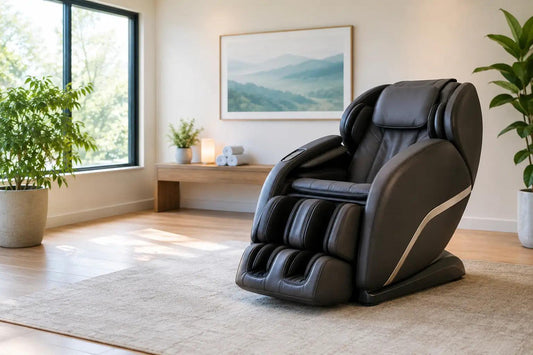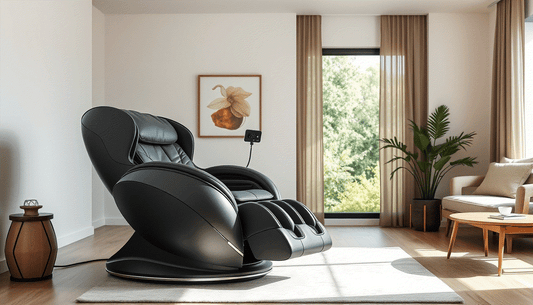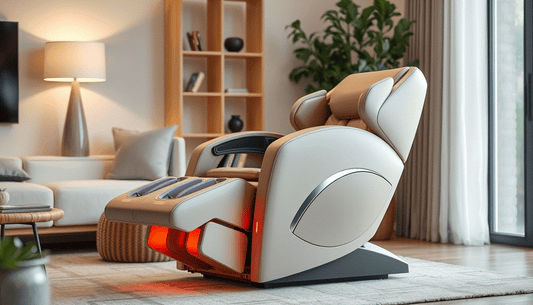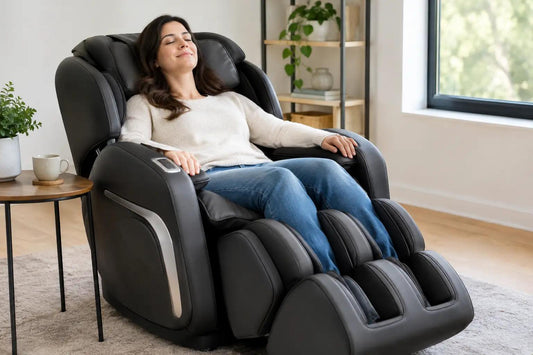
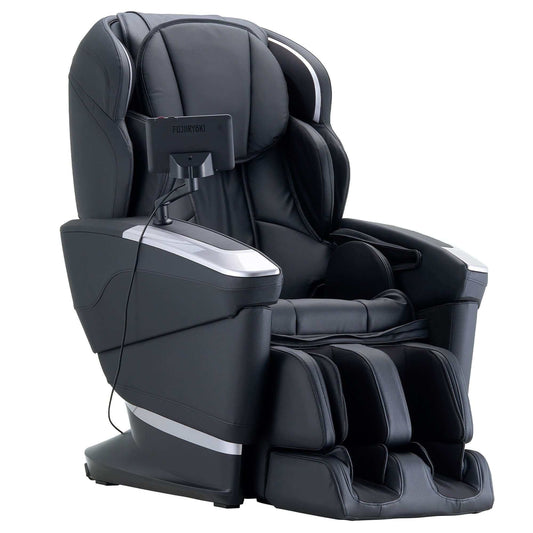
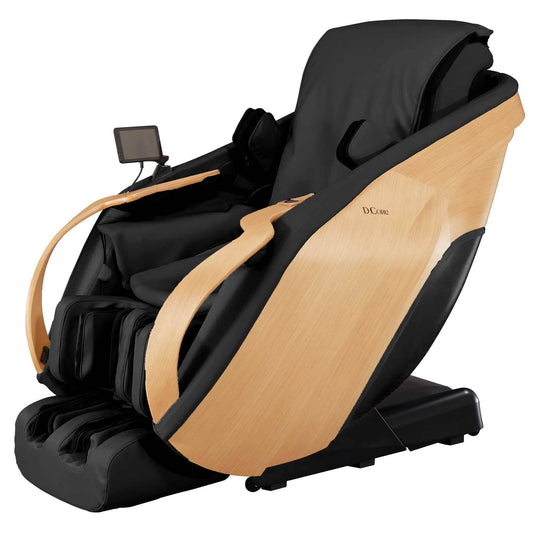
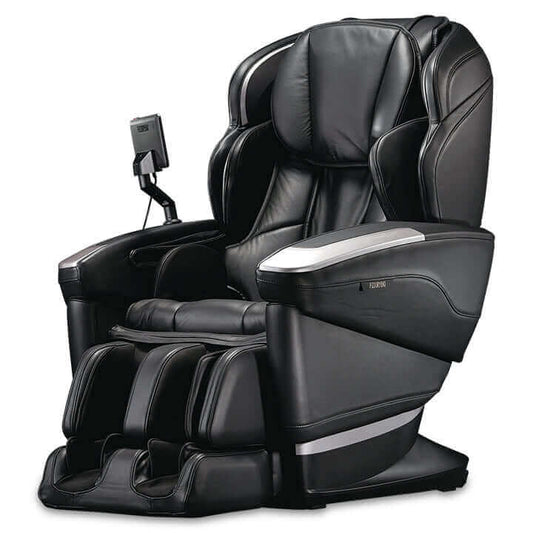
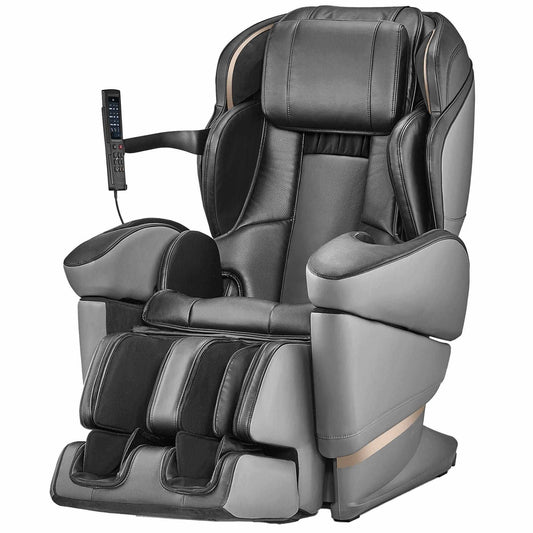
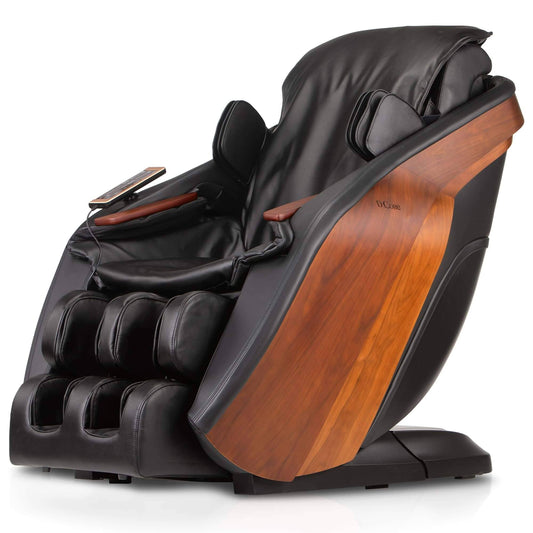

Fujiiryoki Calm Plus: Alleviate Back Pain and Improve Spine Alignment with Targeted Deep Tissue and Shiatsu Massage at Home
Back pain and stiff spines are common complaints that can steal hours from our days. The good news is you can bring professional-grade relief into your living room with a high-end massage chair designed for targeted therapy. This model emphasizes precise deep tissue work and shiatsu-style kneading to address the muscles and connective tissue that influence posture and comfort. When used consistently, it can become a cornerstone of a home wellness routine, helping you move with greater ease and less pain.
Overview: How targeted massage supports back health
The chair in focus is engineered to map the back’s contour and deliver zone-focused therapy. Rather than a one-size-fits-all massage, it targets the upper, mid, and lower back, along with the surrounding muscle groups that influence spinal alignment. With adjustable intensity and adaptive rollers, you can start with a gentle session to warm up, then progress to deeper work as your tolerance increases. Over time, this approach can reduce muscular imbalances, relieve tension, and improve posture alignment.
Why targeted deep tissue and shiatsu matter for spine alignment
Spine alignment depends on the health of surrounding muscles and fascia. Deep tissue massage reaches deep layers to release chronic knots and fascial restrictions, while shiatsu uses rhythmic finger pressure and palm strokes to stimulate energy flow and trigger point relief. Together, these techniques help reduce muscle guarding around the spine, restore length in tight muscle groups, and support a more balanced spinal posture while you rest or sleep in a supported recline.
Core features that support back pain relief
- Zone-focused back massage with adjustable intensity to match sensitivity and goals
- Shiatsu style rolling nodes that travel along the spine for consistent pressure and ergonomic coverage
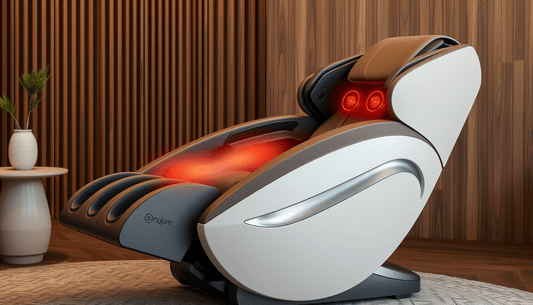
- Heat therapy option to relax tight muscles and prepare tissue for deeper work
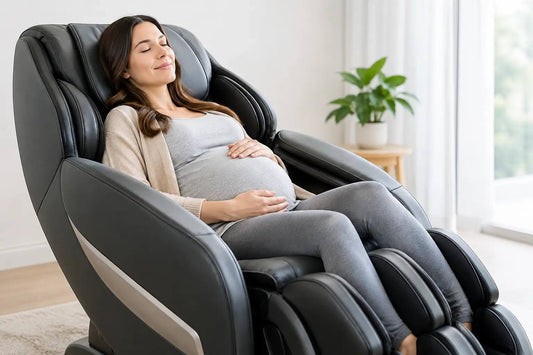
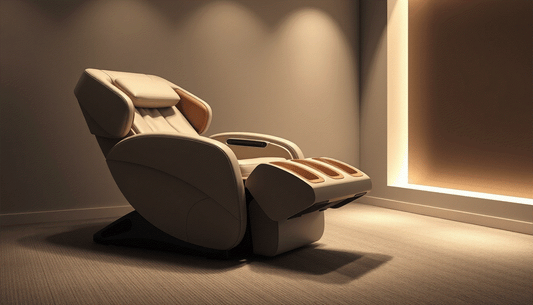
- Ergonomic recline and leg support that promote proper alignment during sessions
- Automatic presets that tailor pressure, speed, and duration for common back health goals
- Quiet operation and intuitive controls for a distraction-free experience
Targeted body parts and the benefits you can expect
- Back — primary focus for spinal alignment and muscle relaxation
- Neck — tension reduction that can relieve forward-shoulder posture creep
- Shoulder — release trapezius and deltoid tension that contribute to stiffness
- Calf — improved circulation and leg comfort during and after sessions
- Feet — reflex zones addressed to reduce fatigue and boost relaxation
- Ankle — support for mobility and flexibility in the lower leg
- Knee — stress relief in surrounding muscles to improve joint comfort
- Legs — overall relief from tightness and enhanced blood flow
- Thigh — release of hamstring and quad tension to improve posture mechanics
- Wrist and hands — relaxation for forearm muscles from daily tasks
- Head and scalp — tension relief that can ease headaches and promote calm
- Heel — arch support relief for improved foot comfort
- Whole body — a comprehensive sense of relaxation and posture support
Massage techniques used during sessions
- Deep Tissue Massage to address deeper muscle layers and chronic tightness
- Shiatsu Massage with rhythmic pressure along key muscle lines and trigger points
- Swedish Massage style strokes to promote circulation and breath-like relaxation
- Trigger Point Massage targeting knots that refer pain to other areas
- Acupressure aligning with traditional philosophies to provide relief along meridian lines
- Reflexology principles applied to feet and hands for holistic well-being
- Kneading to loosen broad muscle groups and melt tension
How to use at home for best results
Creating an effective home routine is about consistency and proper setup. Start by choosing a quiet, comfortable space with a stable surface. Position yourself so the chair’s rollers align with the center of your spine. Begin with a 10-minute session at a gentle intensity to acclimate your body, then gradually increase duration to 15–25 minutes and the intensity to a level that still feels tolerable. Aim for 3–5 sessions per week, then use stretches after each session to maintain range of motion.
Practical tips to maximize benefits:
- Use heat before a session to loosen tissues and improve pliability
- Maintain upright posture during the setup to ensure proper spinal alignment
- Breath deeply and slowly to maximize muscle oxygenation and relaxation
- Gradually extend session time as your tolerance grows
- Pair sessions with light mobility work, such as thoracic spine rotations and hip flexor stretches
Safety considerations and chair maintenance
While these chairs are designed for at-home use, follow these guidelines to stay safe and comfortable:
- Consult a healthcare professional if you have acute injury, surgery, or chronic conditions before starting a new massage routine
- Avoid high-intensity sessions if you experience dizziness, numbness, or sharp pain
- Keep the chair on a flat, stable surface and check the power supply regularly
- Wipe down upholstery after use with a mild cleaner and a soft cloth to maintain hygiene
- Inspect rollers and moving parts periodically for wear and tear
Pairing massage with mobility work for optimal outcomes
Massage works best when complemented by simple mobility routines. Consider these gentle additions:
- Thoracic spine mobility: seated twists and wall angels to improve thoracic extension
- Hip and hamstring flexibility: gentle hamstring stretches and seated figure-4 rotations
- Neck and shoulder care: chin tucks and scapular retractions to support posture
Frequently asked questions
Is daily use safe?
Most users benefit from regular sessions, but start slowly and listen to your body. If you have medical concerns, discuss your plan with a clinician.
What is the typical session length?
Beginners should start with 10–15 minutes, progressing to 20–25 minutes as comfort allows. Rarely is longer than 30 minutes necessary for home use.
Can this chair help with chronic back pain?
Consistency matters. While at-home therapy can reduce discomfort for many, chronic pain should be evaluated by a clinician to rule out underlying issues and to tailor a plan that includes professional guidance when needed.
Why choose this chair for back health at home
When your goal is spine-friendly therapy delivered consistently, a chair designed with zone-focused back work and shiatsu-driven relief can be a strong ally. The combination of deep tissue release, pressure-point care, and ergonomic support helps you sustain better posture between sessions while offering a convenient way to apply relief where you need it most. For many users, the simplicity of a well-designed massage chair makes adherence easier than scheduling frequent professional visits.
Conclusion: A practical path to better posture and reduced back tension
Investing in a massage chair that prioritizes targeted back therapy and integrated heat can support a healthier spine, improved blood flow, and reduced muscular fatigue. With thoughtful setup, a steady routine, and complementary mobility work, this model can become a reliable partner in your daily well-being. While it isn’t a substitute for medical care when needed, it offers a practical, at-home approach to soften chronic tension and encourage better posture over time.
Tags:
Previous
Massage Chair for Circulation: A Practical Buyer’s and User’s Guide
Next
Best Chairs for Tall Users That Actually Fit