
Do Massage Chairs Help Circulation at Home?
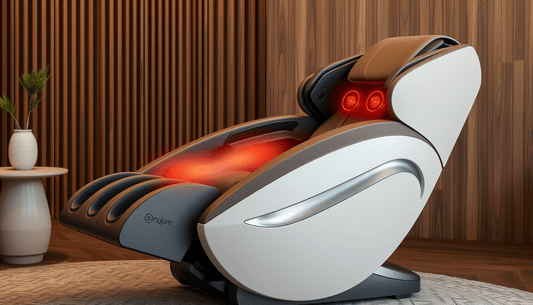
Do massage chairs help circulation? They can support the conditions that make your body feel looser, warmer, and less fatigued after long periods of sitting, standing, travel, or training. But a premium massage chair is not a treatment for poor circulation or vascular disease. Its value lies in targeted mechanical massage, comfortable positioning, and a repeatable at-home recovery routine.
For professionals who spend much of the day at a desk, homeowners managing everyday stiffness, and adults seeking elevated wellness at home, that distinction matters. The best results come from choosing the right chair features and using them as part of an active, medically appropriate lifestyle.
Do Massage Chairs Help Circulation? The Short Answer
Massage may temporarily increase local blood flow in the soft tissues being worked. When rollers knead the back and glutes, or airbags rhythmically compress and release the calves and arms, they stimulate muscles and surrounding tissue. Many people experience a feeling of warmth, reduced tightness, and refreshed legs afterward.
That does not mean a massage chair can correct an underlying circulation problem. Arterial disease, blood clots, chronic venous insufficiency, diabetes-related vascular concerns, and persistent swelling require medical evaluation and a clinician-led plan. A chair cannot replace walking, prescribed compression, medication, physical therapy, or other care recommended for a specific condition.
Think of advanced massage as a comfort and recovery tool. It may help relieve muscular tension that makes movement less appealing, and comfortable movement is one of the most meaningful ways to support healthy circulation over time.
Why Massage Can Create a Warm, Refreshed Feeling
Circulation is the continuous movement of blood through the heart, arteries, veins, and tiny vessels that serve your tissues. Your muscles also play a practical role. When they contract during walking or exercise, particularly in the lower legs, they help return blood toward the heart.
A massage chair does not reproduce the cardiovascular benefit of a brisk walk. What it can provide is external stimulation. Roller massage applies pressure and movement across muscle groups, while air cells inflate and deflate around areas such as the calves, feet, forearms, and shoulders. This may create a short-term increase in circulation at the treated area and may ease the sensation of heavy, tired muscles.
The benefit can be especially noticeable after immobility. A 20-minute session after a flight, a demanding workday, or an intense workout may help you transition from feeling compressed and stiff to feeling ready to stretch, walk, or rest. The effect varies by person, session length, pressure setting, hydration, activity level, and the reason your legs or muscles feel uncomfortable in the first place.
Features That Matter for Circulation-Focused Comfort
Not every massage chair delivers the same experience. For buyers focused on leg fatigue, tension release, and total-body recovery, the quality and placement of the massage system matter more than a long list of novelty programs.
Calf and Foot Airbags
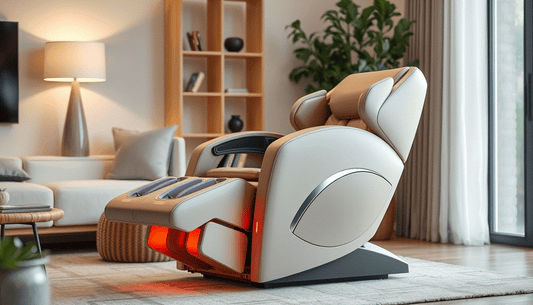
Airbag systems use measured compression and release around the lower legs and feet. This rhythmic action is often one of the most satisfying features for people who stand for work, travel frequently, or feel tightness after exercise. Look for adjustable intensity. A premium chair should allow a gentler setting when your calves are sensitive and a stronger setting when you prefer a more substantial recovery session.
Air massage should feel secure, not painful or numb. If the pressure causes pins-and-needles, discoloration, sharp discomfort, or lingering pain, end the session and adjust the fit or intensity before using it again.
Zero Gravity Positioning
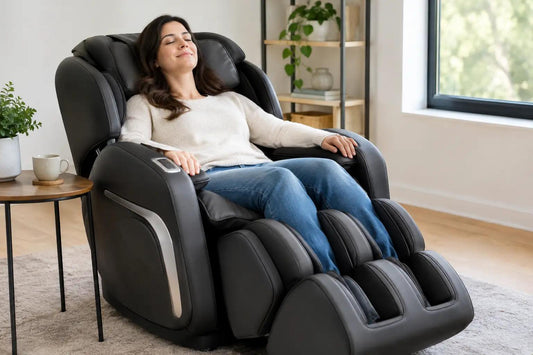
Zero gravity recline elevates the legs and distributes body weight more evenly across the chair. It is designed for deep relaxation and reduced loading through the spine, not as a clinical circulation treatment. Still, many users find that reclining with the legs supported feels particularly restorative after a day on their feet.
A refined zero gravity chair also helps the massage mechanism maintain comfortable contact with the body. That allows rollers, airbags, and heat to work in a more relaxed position rather than forcing the body to brace against the massage.
SL Track and Advanced Roller Systems
An SL track extends massage coverage from the upper back through the lower back and into the glutes. This is valuable because postural tension rarely stays in one place. Tight hips, lumbar fatigue, and upper-back stiffness can all make it harder to move comfortably.
Advanced 4D and 5D AI massage systems add control over roller speed, depth, rhythm, and sometimes responsive adjustment. They are not a substitute for clinical care, but they can make a session feel more tailored. For a circulation-supportive wellness routine, personalization matters: overly aggressive pressure can leave muscles guarded, while the right intensity can help them relax.
Heated Massage
Gentle heat can enhance the feeling of relaxation and prepare tight muscles for massage. Combined with a slower kneading program, it can be an excellent choice at the end of the day. Heat is not appropriate for everyone, however. People with reduced sensation, certain neuropathies, acute inflammation, or an inability to accurately sense temperature should use caution and seek professional guidance.
How to Use a Massage Chair for Better Recovery
Consistency is more useful than occasional marathon sessions. Start with 10 to 15 minutes at a moderate intensity, particularly if calf airbags or deep-tissue rollers are new to you. Pay attention to how your body responds later that day and the next morning. If the chair leaves you sore, reduce intensity, shorten the session, or select a gentler program.
For desk-based professionals, a useful routine may be a brief chair session after work followed by a short walk and light mobility work. For active adults, use the chair after a cool-down rather than as a replacement for one. If your primary concern is lower-leg heaviness after sitting, stand up, take a few minutes to walk, and then settle into a reclined massage session.
Hydration, regular movement breaks, and supportive footwear often have more influence on daily leg comfort than any single wellness device. A luxury massage chair earns its place by making recovery enjoyable enough to repeat, not by promising a shortcut around those fundamentals.
When a Massage Chair Is Not the Right Choice
Do not use massage to self-manage symptoms that could signal a vascular or medical issue. New one-sided leg swelling, unexplained warmth or redness, sudden calf pain, chest pain, shortness of breath, fainting, or skin color changes need prompt medical attention.
Speak with a healthcare professional before using a massage chair if you have a history of blood clots, peripheral artery disease, severe varicose vein symptoms, uncontrolled high blood pressure, advanced diabetes with loss of sensation, recent surgery, or a condition that causes easy bruising or bleeding. The same precaution applies if you take blood thinners or have an implanted medical device and are unsure whether heat, vibration, or pressure is appropriate.
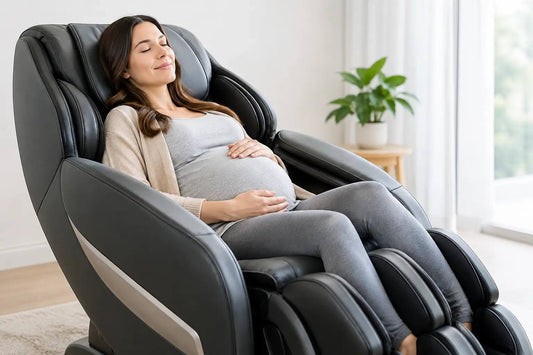
Pregnancy, fractures, open wounds, acute injury, and recent procedures also call for individualized advice. Premium technology offers more settings, but more settings do not remove the need for sound judgment.
Choosing an Executive-Level Chair for Everyday Wellness
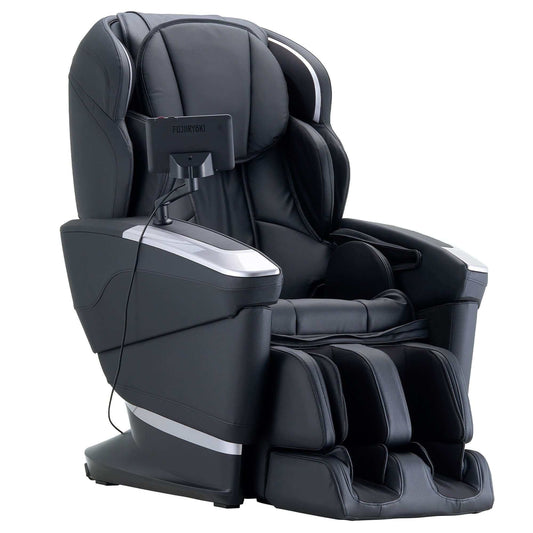
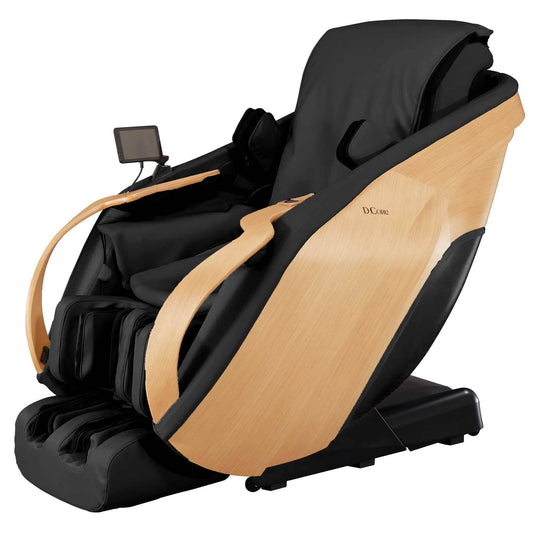
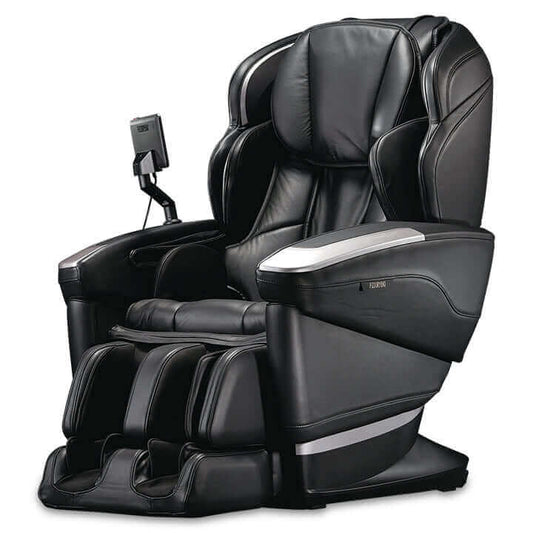
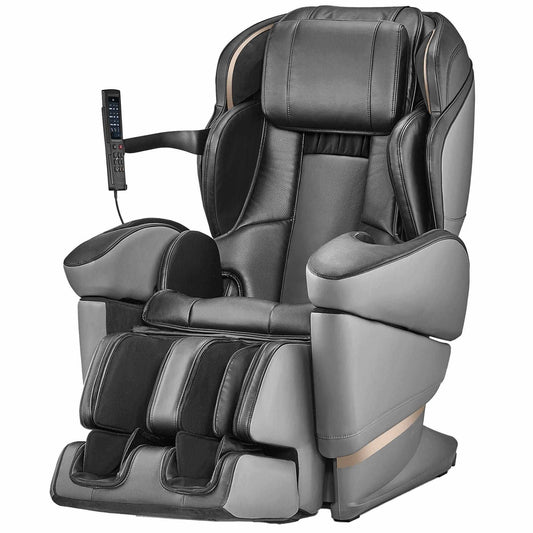
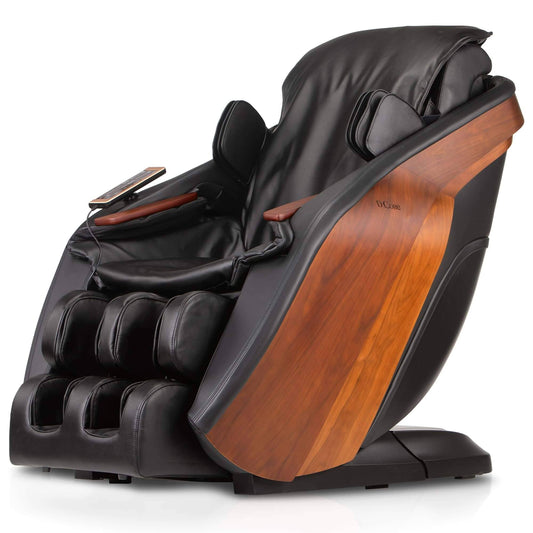
If circulation-focused comfort is part of your purchase decision, prioritize a chair with adjustable lower-leg airbags, a supportive zero gravity recline, precise intensity controls, and an easy way to choose shorter programs. A full-body model with an SL track and heat can broaden the chair's value by addressing back, hip, and shoulder tension alongside tired legs.
Made in Japan and ultra-premium massage chairs often distinguish themselves through finer adjustments, body scanning, quieter mechanical performance, and more deliberate airbag sequencing. Those details matter when the chair will be used several times a week. A session that feels controlled and comfortable is far more likely to become part of your routine than one that feels overly forceful or complicated.
At Fujiiryoki USA, discerning buyers can compare advanced massage systems based on the recovery experience they want most: deep tissue performance, zero gravity comfort, AI-guided personalization, or more complete calf and foot coverage. The ideal chair is the one that fits your body, your space, and the rituals you will actually maintain.
A well-engineered massage chair can make the end of a demanding day feel markedly better. Pair it with regular movement, sensible intensity, and medical guidance when symptoms are persistent, and it becomes a sophisticated part of a long-term at-home wellness routine.
Tags:
Previous
Cyber Relax AI: Full-Body Massage Guide for Blood Flow and Fatigue Relief
Next
Cyber Relax AI Masterclass: Ankle to Wrist Massage Guide