
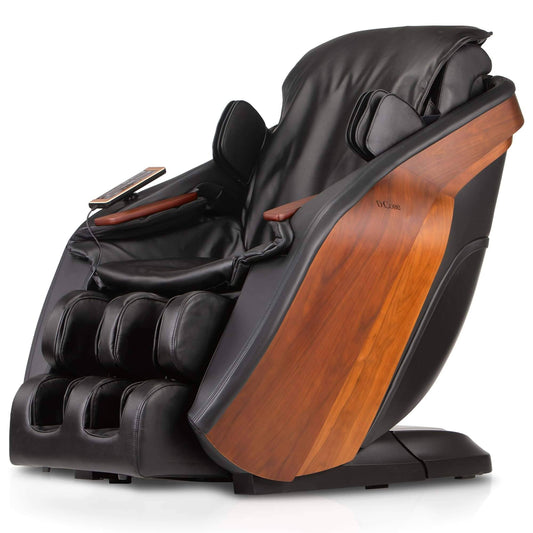

Choosing a Commercial Massage Chair for Business
A commercial massage chair for business is not simply a residential chair placed in a public room. It is a revenue asset, a guest-experience feature, and a piece of equipment that must perform consistently through repeated daily use. Whether it sits in an executive lounge, airport-adjacent hotel, fitness facility, salon, dealership, or wellness suite, the chair needs to look refined while meeting practical demands that a home installation never faces.
The right decision begins with the business model. Some locations use massage chairs as a complimentary amenity that makes a waiting period feel more considered. Others build a paid relaxation station around timed sessions. Both approaches can work, but they call for different priorities in technology, placement, serviceability, and return on investment.
Start With the Experience You Want to Sell
A premium massage chair can signal more than comfort. In a luxury showroom or executive office, it tells visitors that recovery, wellbeing, and detail matter. In a gym or spa, it can extend the value of a membership or treatment visit. In a high-traffic waiting area, it can turn idle time into a memorable part of the customer journey.
For a complimentary installation, focus on intuitive controls, an inviting silhouette, and programs that make sense without a lengthy orientation. A guest should be able to sit down, select a program, and feel confident using the chair. Features such as zero gravity positioning, heat, body scanning, and a clear touchscreen or remote can make the experience feel distinctly elevated.
For a paid installation, the chair and its payment system must work as one operation. Session length, pricing, transaction flow, attendant access, and customer instructions should be considered before purchase. A sophisticated chair with a confusing payment process can create friction at the exact moment a customer is deciding whether to use it.
What Commercial-Grade Really Means
“Commercial” is often used broadly in the massage-chair category. It should not be treated as a guarantee that every chair is suited to every public environment. A chair designed for an upscale private office, for example, may be an excellent fit for modest daily use but a poor match for an unattended transportation hub with continuous traffic.
Ask specific questions about intended duty cycle, warranty coverage in commercial settings, payment compatibility, replacement parts, and service procedures. Upholstery quality also matters. Durable synthetic leather, easy-clean surfaces, and well-finished contact areas are practical necessities when many people will use the same chair.
The mechanical design deserves equal attention. Advanced roller systems, air-cell massage, reclining motors, foot mechanisms, and track assemblies create a more complete massage experience, but they also add moving components. A well-engineered chair from a premium manufacturer can offer excellent long-term value, yet the best model depends on the number of sessions expected each day and how readily the location can support routine upkeep.
Match Performance to Your Traffic Level
A quiet executive suite may only see a handful of sessions daily. That setting can justify an ultra-premium, design-forward chair with 4D or 5D AI massage technology, deep tissue capability, and personalized body scanning. The chair becomes part of the environment's distinction.
A hotel lobby, casino lounge, or large fitness center may need a more purpose-built commercial configuration. Here, straightforward session controls, dependable payment integration, quick cleaning, and a service plan can be more valuable than having every flagship feature. The goal is repeatable satisfaction, not feature overload.
Massage Technology That Makes a Difference
Guests notice results, not specification sheets. Still, the specifications explain why one chair can feel dramatically more considered than another.
An SL-track system allows massage rollers to travel from the upper back through the lower back and into the glutes, creating coverage that conventional short-track chairs cannot match. Zero gravity recline can distribute body weight more comfortably and position the user for a deeper, more relaxed session. Heat adds a welcome comfort element, particularly in recovery-oriented settings or colder climates.
For a premium business installation, 4D massage offers adjustable roller speed and depth to create a more varied, human-like rhythm. Advanced 5D AI systems can further tailor pressure and movement based on the user's body and selected program. These technologies are especially compelling in executive lounges, high-end spas, luxury residences with shared amenities, and boutique wellness concepts where the chair itself is part of the attraction.
There is a trade-off. More advanced technology can justify a higher price and create a stronger experience, but it may not be necessary for a simple timed relaxation station. Choose the technology level that supports your positioning rather than buying features your customers will never recognize or use.
Plan the Space Before Ordering
A massage chair needs more room than its upright footprint suggests. Recline clearance, leg-rest extension, entry and exit space, power access, traffic flow, and cleaning access all affect whether the installation feels intentional. A chair placed too close to a wall or directly in a busy aisle can feel awkward, even if the product itself is exceptional.
Measure the room with the chair fully reclined and consider how guests approach it. A semi-private corner with soft lighting can increase usage in a spa or wellness center. In a public venue, visible but thoughtfully buffered placement can make the chair feel accessible without making users feel exposed.
Power requirements should be confirmed from the product documentation before installation. Avoid relying on extension cords in public spaces, and involve a qualified facilities professional when electrical routing, anchoring, or local safety requirements are relevant. If the chair includes a payment system, plan its connectivity and placement so transactions do not interrupt foot traffic.
Build a Maintenance Routine Into the Purchase
Commercial success often comes down to the unglamorous details. A chair that looks immaculate and works every time will receive more repeat use than a more expensive model with neglected upholstery or unclear operating instructions.
Assign responsibility for daily surface cleaning, visual checks, and prompt reporting of unusual sounds or error messages. Use manufacturer-approved cleaning methods to protect the upholstery and finish. Keep the area around the track, footwell, and power connection clear of debris, and avoid allowing food or drinks near the chair.
It is also smart to designate one team member as the equipment owner. They do not need to be a technician. They simply need to know where the documentation is, how to reset the chair when appropriate, and when to contact support rather than attempting an improvised repair. For a business with multiple locations, standardized cleaning and inspection procedures protect both the equipment and the customer experience.
Calculate Value Beyond Direct Session Revenue
A pay-per-use chair can produce measurable revenue, but a complimentary chair may create value in less direct ways. It can encourage longer visits, improve guest satisfaction, help differentiate a premium membership, or give sales staff a conversation starter in an executive showroom.
When evaluating the investment, consider purchase price, commercial warranty, payment hardware if applicable, installation, cleaning labor, expected maintenance, and the chair's likely daily use. Then compare those costs with either projected session revenue or the value of the experience you are adding. A dealership may view the chair as a hospitality tool. A wellness studio may use it to support package upgrades. A corporate office may see it as a practical wellbeing amenity for employees and visiting clients.
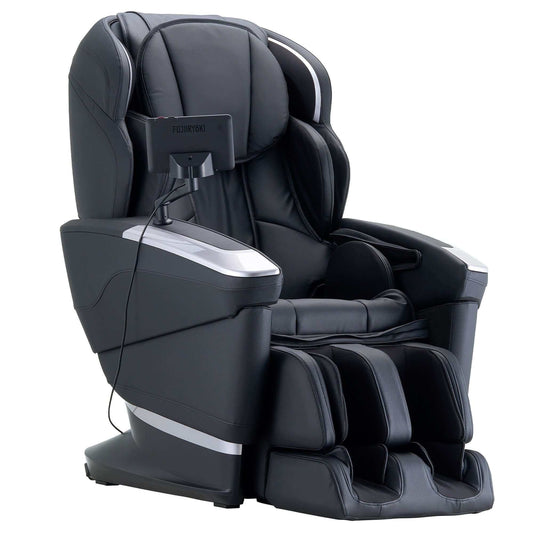
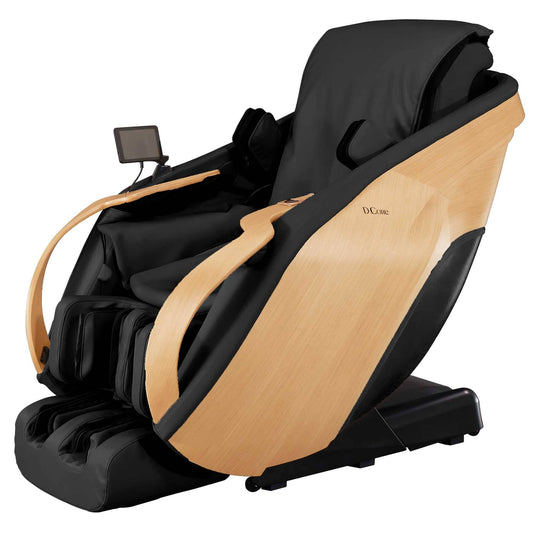
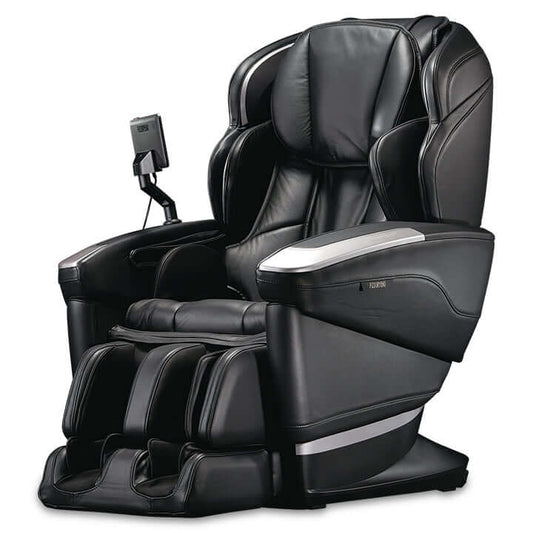
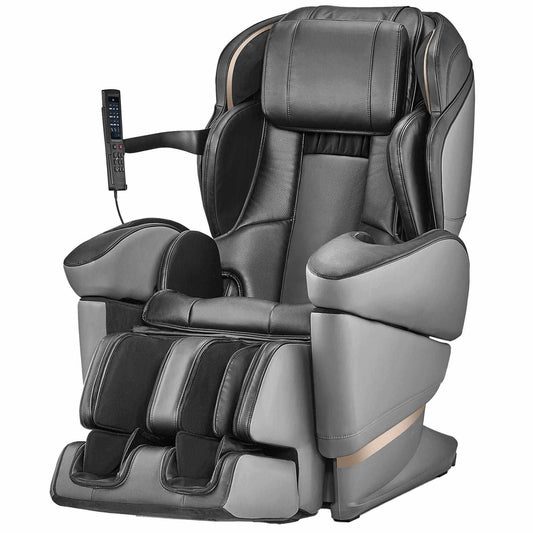
Fujiiryoki USA's curated premium selection is particularly relevant when a business wants to compare advanced massage systems, Made in Japan engineering, executive design, and commercial-ready options without treating all chairs as interchangeable.
Choose for Your Brand, Not Just Your Floor Plan
A commercial massage chair should feel consistent with the standard your business already sets. A high-end hotel lounge benefits from refined materials and a quiet, polished experience. A performance-focused gym may prioritize deep tissue programs, calf and foot massage, and recovery-oriented positioning. An office may favor a chair that is easy to operate, visually discreet, and inviting during a short break.
The strongest installations make the chair feel like a deliberate amenity rather than an isolated machine in an empty corner. Choose a model with the engineering, durability, and visual presence your guests will recognize, then give it the space and care required to perform. When that happens, a few minutes in the chair can leave a far more lasting impression than the wait that came before it.
Tags:
Previous
Fujiiryoki Cyber Relax AI: Seven Massage Techniques for Full-Body Relief
Next
Is a Refurbished Luxury Massage Chair Worth It?