

Can Massage Chairs Help Sciatica? What to Know
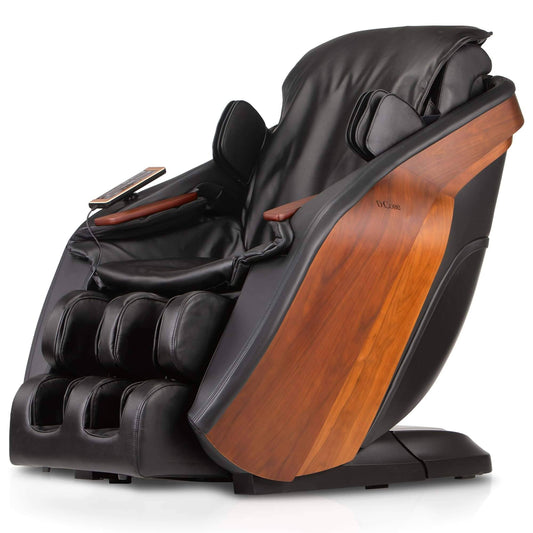
A long meeting, a cross-country flight, or one awkward lift can turn ordinary lower-back tightness into pain that travels through the hip and down the leg. That is why many buyers ask, can massage chairs help sciatica? The practical answer is that a well-designed massage chair may help relieve the muscle tension, guarding, and daily discomfort that can accompany sciatica. It is not a cure for the underlying cause, and it is not the right choice during every flare-up.
Sciatica describes symptoms related to irritation or compression of the sciatic nerve or its nerve roots. The source may involve a disc issue, spinal stenosis, arthritis, piriformis-related irritation, or another condition. Because causes vary, the best at-home approach is not simply the strongest massage. It is controlled, adjustable comfort that supports recovery without provoking symptoms.
Can Massage Chairs Help Sciatica Symptoms?
Massage chairs can be useful for some people with sciatica when surrounding muscles are tight and contributing to discomfort. Gentle massage may relax the glutes, hips, hamstrings, and lower-back muscles that often stiffen when the body is trying to protect a painful area. Heat may provide a soothing effect, while a reclined position can reduce the feeling of compressive load after a long day upright.
The key distinction is symptom management versus treatment. A massage chair cannot repair a herniated disc, remove nerve compression, or replace an individualized plan from a physician or physical therapist. What it can offer is a premium, repeatable way to reduce muscular tension, settle into a more comfortable position, and create a restorative routine at home.
Results depend on the person and the session. Some users find that a light lower-body program and heat make them feel looser and more mobile. Others may find direct pressure near the low back, buttock, or hamstring aggravates radiating pain. Start conservatively and use your response during the session and over the next 24 hours as the guide.
Why Chair Features Matter for Sciatica Comfort
Not every massage chair is equally suited to a sensitive lower back. For sciatica-related discomfort, adjustability matters more than intensity. A sophisticated chair lets the user refine position, massage depth, speed, heat, and session duration instead of accepting a fixed, generic program.
Zero Gravity Positioning
Zero gravity recline elevates the legs and distributes body weight more evenly across the chair. For some people, this posture reduces strain through the low back and makes it easier to relax. It is especially appealing for professionals who spend much of the day seated or standing and want a more restorative evening routine.
However, recline is personal. If bending at the hips or lying back increases leg pain, numbness, or tingling, return to a more upright position or stop the session. The right position is the one that feels neutral and supported, not necessarily the deepest recline available.
Heat for Guarded Muscles
Heated massage can be valuable when the lower back and hips feel stiff, particularly after inactivity. Moderate warmth often helps muscles relax before a gentle massage program begins. Premium chairs may offer targeted heating across the lumbar area, seat, or calves, providing a more complete comfort experience.
Heat should feel pleasant, never excessively hot. Avoid falling asleep during a heated session, and be particularly careful if you have reduced sensation, circulation concerns, diabetes-related neuropathy, or difficulty detecting temperature changes.
SL Track Coverage and Air Compression
An SL track is designed to follow the natural contour from the neck through the lower back and into the glute area. That extended coverage can be helpful because hip and glute tension often accompanies sciatica symptoms. The advantage is not simply reaching farther down the body. It is the ability to use a measured program across the areas that may be compensating for back pain.
Air compression at the hips, thighs, calves, and feet can also feel restorative after prolonged sitting. Still, stronger is not automatically better. Begin with low or medium intensity, especially around the hips and legs, and increase only if the sensation remains comfortable and does not trigger radiating symptoms.
4D and 5D Massage Control
Advanced 4D and 5D AI massage systems can offer refined control over roller speed, width, rhythm, and depth. For buyers who are sensitive to deep pressure, this precision is more valuable than a headline intensity rating. A carefully calibrated massage can deliver a slower, gentler experience through the back and glutes while allowing stronger work in areas that tolerate it well, such as the shoulders or calves.
If sciatica is active, avoid treating the chair like a deep-tissue challenge. Choose kneading, rolling, stretching, or a recovery-focused program before trying aggressive tapping or concentrated pressure. A high-end chair should adapt to your body, not demand that your body adapt to the chair.
How to Use a Massage Chair During a Sciatica Flare-Up
A brief, gentle session is usually a smarter starting point than a full-length program. Try five to 10 minutes in a comfortable recline with mild heat, low roller intensity, and light air compression. If direct low-back pressure feels sharp, electric, or sends pain farther down the leg, turn off that zone or end the session.
After the session, stand up slowly and take a short walk. Notice whether you feel easier movement, reduced muscle tightness, or more irritation. Relief that lasts for a few hours can make the chair a useful part of a broader routine. Worsening pain, increased tingling, or symptoms that travel farther down the leg signal that the program, position, or pressure is not appropriate for you.
Timing also matters. A chair may feel most beneficial after a day of desk work, light exercise, or travel, when stiffness is the main issue. It may be less suitable immediately after a painful incident or when inflammation and nerve sensitivity are at their peak. On those days, follow the advice of your medical professional rather than pushing through discomfort.
When to Avoid Massage or Seek Medical Care
Do not use massage chair sessions as a substitute for medical evaluation when symptoms are severe, new, or progressing. Seek urgent medical care for loss of bowel or bladder control, numbness in the groin or saddle area, sudden or worsening leg weakness, fever with back pain, or pain following a major fall or accident. These can indicate conditions that require prompt assessment.
It is also wise to speak with a clinician before using a massage chair if you have had recent spinal surgery, have known fractures, severe osteoporosis, blood-clot concerns, uncontrolled medical conditions, or a diagnosis that makes pressure or heat unsafe. A physical therapist can often help identify positions and intensity ranges that align with your specific condition.
For ongoing sciatica, the most effective plan may include movement, strength work, mobility exercises, sleep adjustments, and professional care alongside massage. The chair is a high-comfort recovery tool, not a standalone medical program.
What to Look for in a Premium Massage Chair
For shoppers managing occasional sciatic discomfort, prioritize customization over a single dramatic feature. Look for adjustable roller intensity and width, lumbar and seat heat controls, zero gravity positioning, an extended SL track, and the ability to disable or reduce work in specific body zones. A manual adjustment option is particularly valuable because symptoms can change from day to day.
Chair fit deserves equal attention. A taller user may need more leg extension and shoulder-width range, while a shorter user may benefit from body scanning that accurately locates the shoulders and hips. Footrest comfort, easy-entry positioning, and an intuitive remote can make a substantial difference when getting in and out of the chair is uncomfortable.
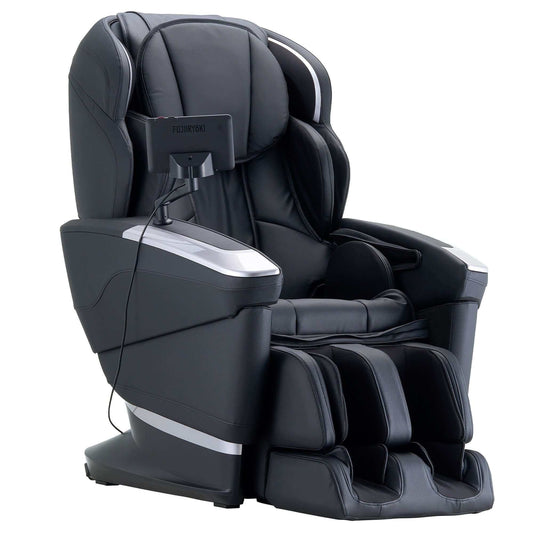
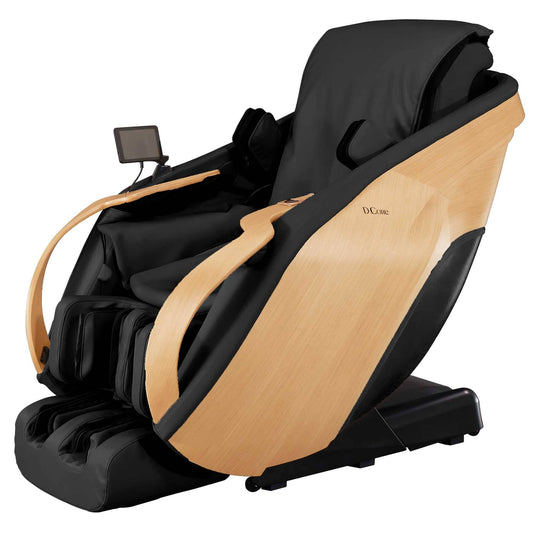
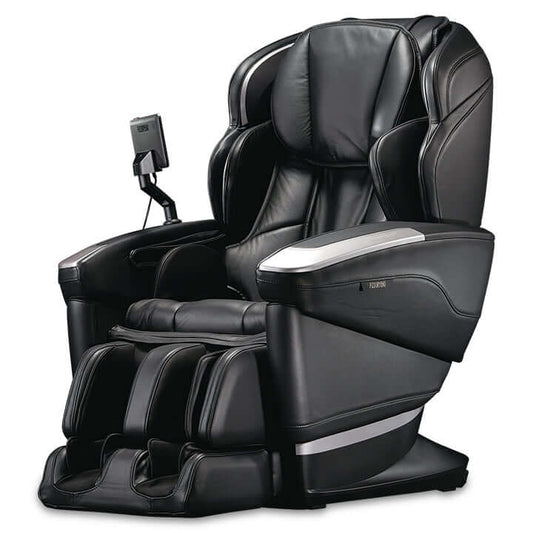
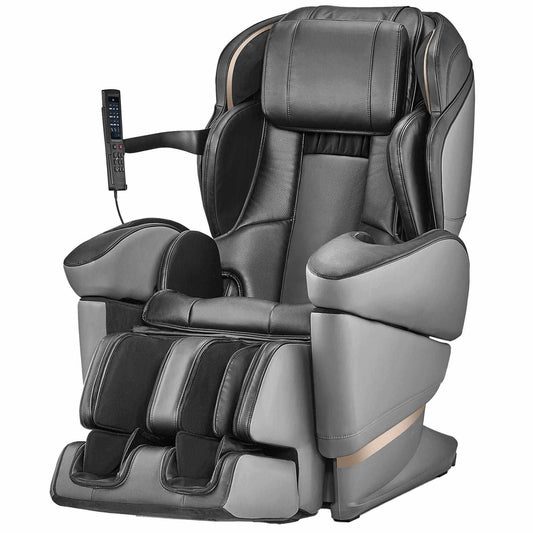
At Fujiiryoki USA, the premium category includes Made in Japan engineering, advanced body scanning, and technology-forward massage systems built for a more personalized wellness experience. For this use case, the most impressive specification is not maximum force. It is the ability to create a calm, controlled session that feels consistently good.
A massage chair earns its place in a recovery routine when it gives you a reliable moment to reset: gentle warmth after work, a supported recline before bed, and less muscular tension around an already sensitive area. Let comfort be the standard, stay responsive to your symptoms, and involve a qualified clinician whenever sciatica does not improve or begins to change.
Tags:
Previous
Cyber Relax AI: Your Complete Massage Chair Wellness Guide
Next
Cyber Relax AI Massage Techniques: Blood Flow, Flexibility, Fatigue Relief